
1006 Quince Orchard Road, Gaithersburg, MD 20878
For more information about senior living options: (866) 208-4318
Lins House Costs & Pricing
Lins House offers competitive pricing for its room accommodations when compared to the average costs in Montgomery County and across Maryland. For a semi-private room, residents can expect to pay $4,000 per month at Lins House, which is notably lower than the county's average of $4,337 and significantly below the state average of $3,545. Meanwhile, for those seeking more privacy, the private room rate at Lins House stands at $4,500, again offering a more budget-friendly option compared to Montgomery County's average of $5,009 and Maryland's statewide figure of $4,112. These cost comparisons highlight Lins House as an attractive choice for individuals looking for quality accommodations without exceeding their financial means.
| Floor plans | Lins House | Montgomery County | Maryland |
|---|---|---|---|
| Semi-Private | $4,000 | $4,337 | $3,545 |
| Private | $4,500 | $5,009 | $4,112 |
Overall Review of Lins House
Pros
 The caregivers are pleasant and friendly.
- The staff offers scheduled activities.
- The facility serves Chinese and American food.
- Lins House uniquely serves English-, Cantonese-, and Mandarin-speaking elderly.
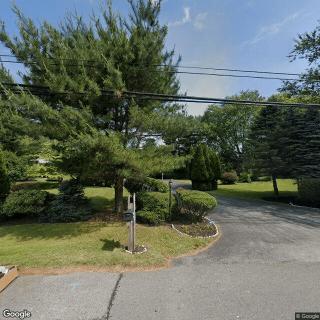
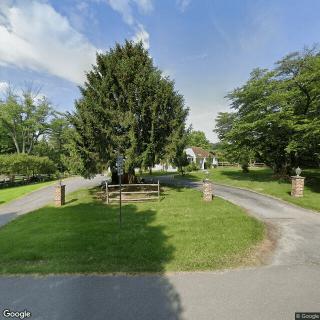
- The house is in a quiet neighborhood across from the Kentlands development in Gaithersburg, Maryland.
Review
Lins House in Gaithersburg is best suited for multilingual seniors who want a small, home-like setting where caregivers know residents personally and language is never a barrier. This seven-bed assisted living home has built its identity around English, Cantonese, and Mandarin-speaking residents, providing a level of comfort that comes from being understood in one’s daily routines and important conversations. The quiet neighborhood setting, with the house facing the Kentlands area, reinforces a peaceful, familiar home atmosphere rather than a clinical or impersonal vibe. For families seeking intimate attention and culturally familiar dining, this community stands out as a logically aligned choice.
That said, this may not be the best fit for every family. Alternatives are worth considering for seniors who require a larger scale operation, more intensive medical oversight, or a busier activity calendar. Larger assisted living campuses or specialized memory-care communities typically offer broader therapy offerings, more staff per shift, and a wider social ecosystem. If the senior’s care needs include frequent skilled nursing interventions, complex medication management, or a desire for a wide range of on-site services, exploring other options may yield a smoother fit.
The core strengths of Lins House hinge on its intimate size and the warmth of its caregiving team. The seven-bed footprint naturally supports highly personalized attention, with caregivers described as pleasant and friendly. The schedule of activities provides predictable structure, helping residents anticipate each day and maintain engagement. Language accommodation is a standout feature, reducing miscommunication and anxiety for residents who speak Cantonese or Mandarin, while English-speaking staff ensure clear conversations about health, preferences, and daily routines. The dining program, combining Chinese and American menus, addresses cultural food preferences and can be a meaningful daily comfort for residents and their families.
In practical terms, the language match and the sense of being “known” in a small house tend to offset what would otherwise be a limitation of scale. Families often notice that care plans, mealtimes, and daily rituals align more closely with a resident’s prior routines when staff can communicate in the resident’s native language. The combination of multilingual staff and scheduled activities also supports social engagement within a compact community, where peers are more likely to form relationships, and where staff can observe subtle changes in well-being quickly. For residents who prize a quieter, predictable environment that values personal connections over showroom amenities, these pros are compelling.
The main trade-off with the seven-bed model is the natural constraint on diversity of social experiences and the breadth of services. While activities are scheduled, they exist within a smaller ecosystem, which can feel limiting compared with larger facilities that offer expansive outings, clubs, and specialized programming. For seniors leaning toward robust, on-site medical resources, rehab services, or a broader menu of group activities, Lins House may fall short. However, the strong points, language-aligned communication, intimate caregiving, and culturally resonant meals, often compensate for these limits by delivering consistent, meaningful daily experiences and reducing stress for residents and families anxious about communication barriers.
For families deciding where to place a loved one, Lins House represents a principled choice when the primary criteria are language compatibility, a nurturing home setting, and predictable routines. It is an excellent match for residents who value close relationships with caregivers, enjoy familiar cuisines, and benefit from a community that speaks their language. It is less suited for those who require a larger, more resource-rich environment or intensive medical oversight on a daily basis. A thoughtful visit, observing staff-resident interactions, tasting a sample meal, and assessing how well the daily rhythm fits the resident’s preferences, will clarify alignment. In the Gaithersburg area, Lins House offers a clear, well-suited option for language-conscious, family-focused care.
 8 resident community capacity
 Assisted Living
 Board and Care Home
 Cable or satellite TV
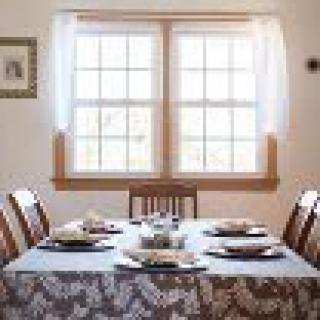
 Dining room
 Fully furnished
 Garden
 Housekeeping services
 Move-in coordination
 Outdoor space
 Private
 Telephone
 Wi-Fi/high-speed internet available
 Washington Dulles International (17 miles away)
 24-hour supervision
 Activities of daily living assistance
 Assistance with bathing
 Assistance with dressing
 Assistance with transfers
 Diabetes diet
 Diabetic care
 Incontinence care
 Meal preparation and service
 Medication management
 Special dietary restrictions
 Transportation arrangement (medical)
 Transportation to doctors appointments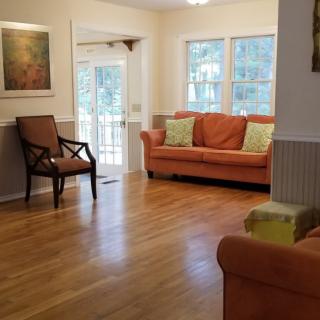



 Assisted Living and Memory Care: Understanding Their Core Differences
 Beyond the Bingo Hall: 50+ Enriching Activities for Seniors in Assisted Living
 Understanding the Distinctions: Assisted Living and Memory Care Explained