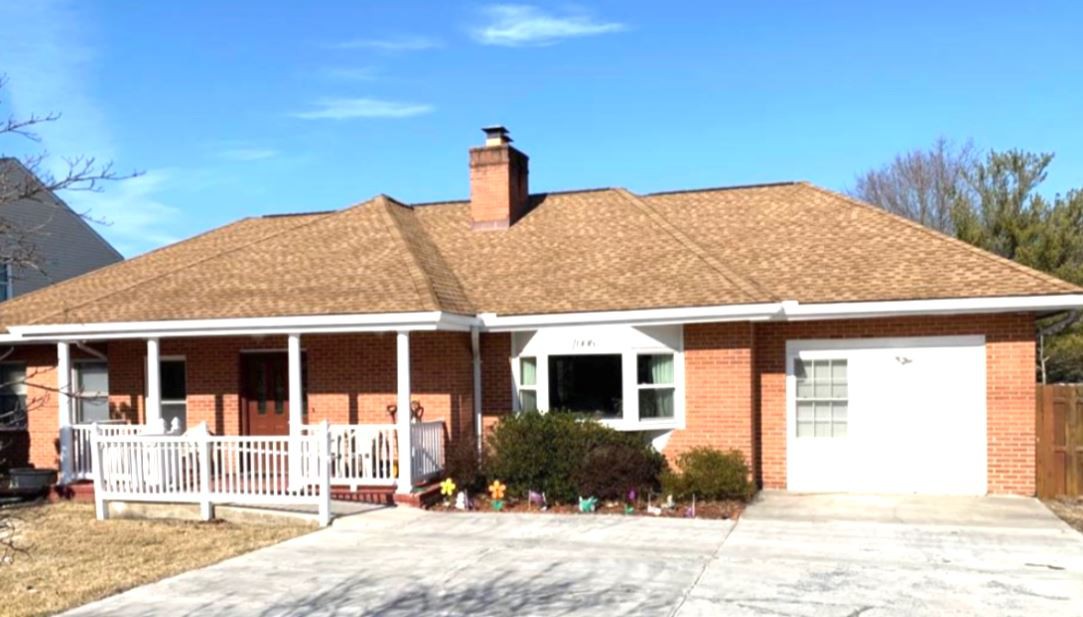
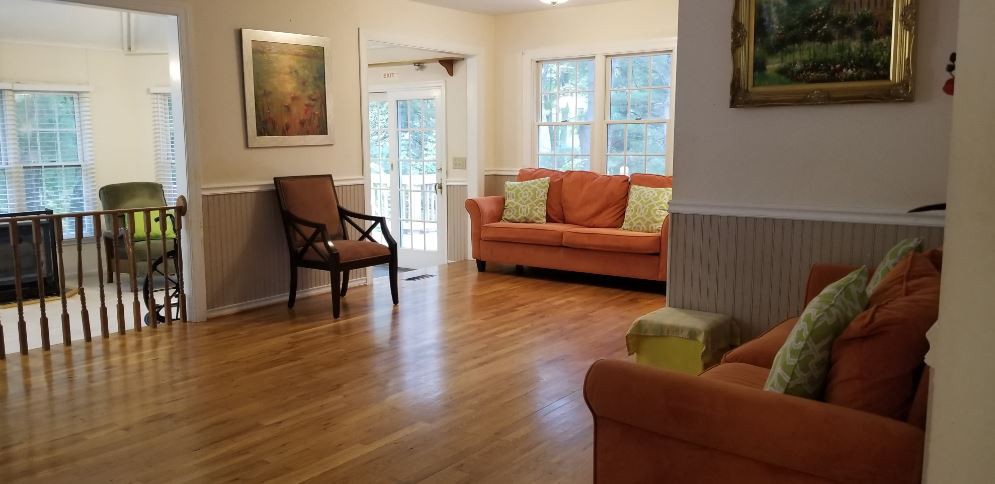
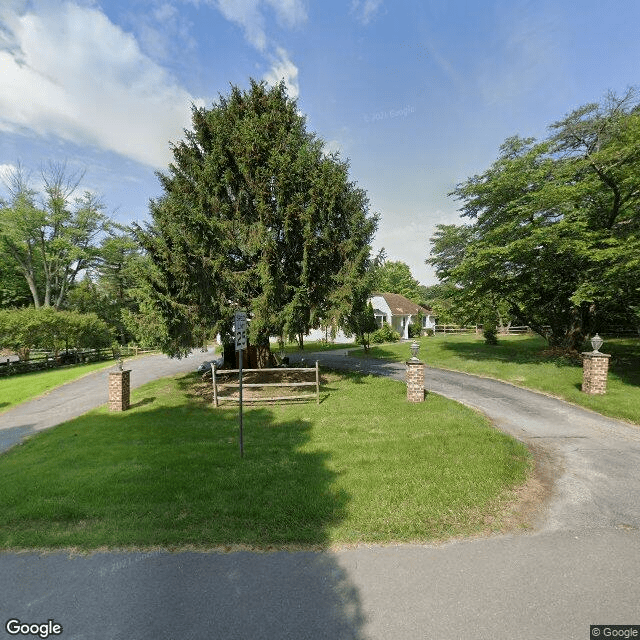
15708 Ancient Oak Drive, Gaithersburg, MD 20878
For more information about senior living options: (866) 208-4318
Tranquil Loving Care Costs & Pricing
At Tranquil Loving Care, we pride ourselves on offering competitive pricing that stands out in the local market. For our one-bedroom units and semi-private rooms, residents enjoy the comfort and care of our facility at a monthly cost of $3,000, significantly lower than the averages in Montgomery County at $4,842 for a one-bedroom and $4,337 for a semi-private room. Even our private rooms, priced at $4,000 per month, offer an attractive alternative when compared to the county's rate of $5,009. Overall, Tranquil Loving Care presents an exceptional value that combines quality service with affordability, making it an appealing choice for both residents and their families.
| Floor plans | Tranquil Loving Care | Montgomery County | Maryland |
|---|---|---|---|
| 1 Bedroom | $3,000 | $4,842 | $3,904 |
| Semi-Private | $3,000 | $4,337 | $3,545 |
| Private | $4,000 | $5,009 | $4,112 |
Memory care communities with a similar price nearby
-
from -$500 / mo
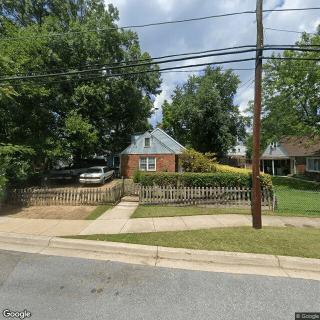
Amazing Grace Senior Care
$2,500 to $3,000 / month23.6 miles away -
About the same
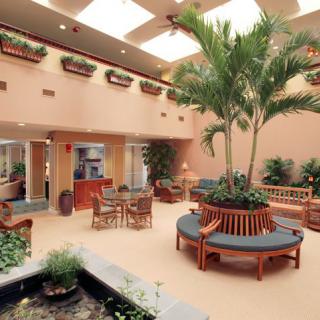
Residences at Vantage Point CCRC
$3,000 to $4,709 / month23.5 miles away -
from +$500 / mo
Able Plus Assisted Living
$3,500 to $5,000 / month14.3 miles away -
About the same

Elder Estates, LLC
$3,000 to $3,250 / month23.2 miles away -
from +$250 / mo
Avalon House In Mc Lean
$3,250 to $5,200 / month13.9 miles away
Overall Review of Tranquil Loving Care
Pros
 Tranquil Loving Care was a really nice community.
- It was very clean and well-maintained.
- The people who worked there seemed very nice.
- The home was very impressive, and its atmosphere would have been perfect for their mother.
- It offered one-on-one care in a secure home-like setting.
- A referral to another residential care worked out wonderfully for the mother.
- The place is very nice, warm, cozy and inviting, with friendly and courteous staff.
- Gillian Williams-Luke provides wonderful loving care for the father, treating him as though he were her own.
Cons
 The home was way too quiet for what they would want for their mom, and they felt the environment would not meet her needs.
- They were disappointed because no room was available.
- They noted a language barrier and chose another community as a result.
Review
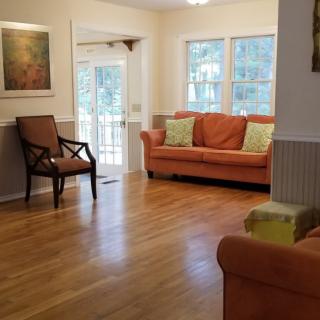
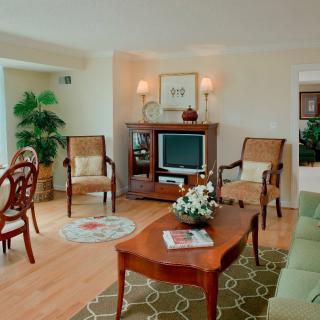
Tranquil Loving Care in Gaithersburg is best suited for families seeking a compact, home-like residential care setting where cleanliness and personalized attention come first. The community is clearly designed for a small resident count, which translates into one-to-one care that feels intimate rather than institutional. For families prioritizing safety, a warm, hotel-like ambiance, and staff who demonstrate genuine kindness, this option stands out as a reliable, steady choice. Its proximity to hospitals is a practical plus, offering peace of mind for situations that require quick access to medical facilities. The decisive question is whether a language match and an appropriately lively pace are essential, because those factors will shape how well this fits an individual loved one.
Those who may want to consider alternatives are precisely the families for whom language compatibility, social energy, and immediate room availability matter most. Several reviews note the value of speaking with caregivers in a loved one’s native tongue, and the community’s current mix may not always align with that need. Additionally, some prospective residents flourish in a more active, bustling environment; Tranquil Loving Care’s quiet, intimate atmosphere may feel too subdued for them. The reality of not having a room available at the moment is another practical constraint, with referrals offered to other residential options but requiring a separate decision and transition. For families seeking a more vigorous social calendar or stronger day-to-day programming, look toward alternatives as a complement to what TLC delivers.
On the plus side, the strongest pros are hard to overlook. The home’s cleanliness and well-maintained surroundings create an immediate sense of safety and comfort. The staff are repeatedly described as friendly, courteous, and deeply attentive, with one-on-one care highlighted as a core benefit. The setting avoids an institutional feel, yielding a warm, welcoming atmosphere and a sense of “home” from the moment of entry. Residents and families repeatedly sing praise for particular caregivers who go beyond routine care, delivering compassionate staffing that many families equate with real reassurance. The combination of a small, personal community and highly engaged nurses and aides helps offset the potential need for greater social stimulation.
Where the balance tips toward caution, the quiet and intimate environment can become a drawback for those seeking constant activity or a louder, more bustling milieu. A very low-traffic vibe may leave some residents feeling under-stimulated if they crave lively conversation or organized events throughout the day. Language matching remains a potential limitation, with the impression that cultural or linguistic alignment is not guaranteed for every resident. Additionally, the finite capacity of a small home can mean slower movement toward new admissions, and the lack of guaranteed same-day room availability forces families to plan more aggressively for placement. The reviewer sentiment that the care is excellent but the atmosphere may not suit every personality underscores a key trade-off.
Yet the favorable elements do not disappear when facing these constraints. The high level of personalized attention is not merely a nice-to-have, it effectively mitigates concerns about limited programming by ensuring that daily care is consistently responsive to individual needs. The cleanliness, security, and home-like ambiance create a solid foundation for comfort, especially for seniors who prize predictability and routine. When a space does open, TLC’s demonstrated willingness to refer families to a suitable adjacent option shows a practical integrity that many in this sector admire; it preserves trust and keeps the care network strong, even if initial plans fall through. In sum, the strong staff reliability and the close-knit environment often compensate for the quieter pace and potential language gaps.
Practical next steps for families considering TLC are straightforward and decision-driven. Schedule a visit with a clear checklist: assess whether the resident would thrive in a quiet, small-community rhythm; verify whether there is language compatibility with available caregivers; inquire about current room availability and the referral options if a move is time-sensitive; and request opportunities to meet the standout caregivers who regularly receive glowing testimonials. Expect to discuss the daily routine, level of medical support, and what “one-on-one care” looks like in practice. For those who value safety, cleanliness, and a warm, personal touch, and can accept a more hushed pace or possible language considerations, Tranquil Loving Care offers a compelling, trustworthy option. For others, especially those needing a more social tempo or guaranteed English-language alignment, exploring alternatives in the same area remains prudent.
 4 resident community capacity
 Assisted Living
 Board and Care Home
 Memory Care
 Cats allowed
 Activities off-site
 Bath tubs
 Beautician on-site
 Cable or satellite TV
 Devotional services off-site
 Dining room
 Fully furnished
 Garden
 Housekeeping services
 Indoor common areas
 Move-in coordination
 Outdoor common areas
 Private
 Private bathrooms
 Respite or short term stays offered
 Telephone
 Wheelchair accessible showers
 Wi-Fi/high-speed internet available
 Washington Dulles International (15 miles away)
 24-hour supervision
 Ambulatory care
 Assistance with bathing
 Assistance with dressing
 Assistance with transfers
 Diabetes diet
 Diabetic care
 High acuity care
 Incontinence care
 Meal preparation and service
 Medication management
 Special dietary restrictions
 Transportation arrangement (medical)
 Transportation to doctors appointments



 Comprehensive Guide to VA Nursing Homes: A Crucial Long-Term Care Resource for Veterans
 Estimating the Expenses of At-Home Dementia Care: A Detailed Exploration
 Comprehensive Insights on the Late Stages of Dementia: What to Expect and How to Provide Care