
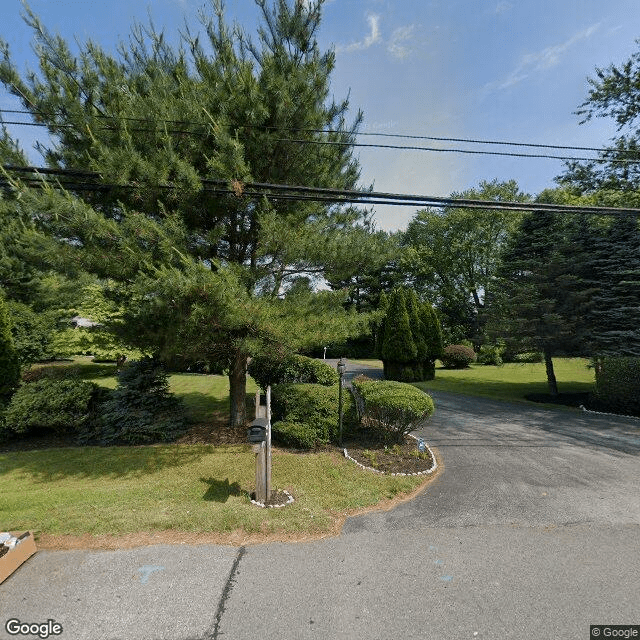
13901 Darnestown Rd, North Potomac, MD 20878
To contact a resident: (240) 461-2225
For more information about senior living options: (866) 208-4318
Darnestown Gardens Assisted Living Costs & Pricing
Darnestown Gardens Assisted Living offers a private room at a monthly cost of $6,500, which positions it above the average rates for both Montgomery County and the broader state of Maryland. In Montgomery County, the average cost for similar accommodations stands at $5,009, while across Maryland, it drops further to approximately $4,112. This pricing reflects not only the premium services and amenities that Darnestown Gardens provides but also its commitment to delivering a high-quality living experience tailored to individual needs. While the cost may be higher than local and state averages, residents can expect personalized care and an enriching environment that justifies the investment.
| Floor plans | Darnestown Gardens Assisted Living | Montgomery County | Maryland |
|---|---|---|---|
| Private | $6,500 | $5,009 | $4,112 |
Senior living communities with a similar price nearby
-
About the same

The Residence at Colvin Run
$6,615 to $10,225 / month9.5 miles away -
from -$1000 / mo
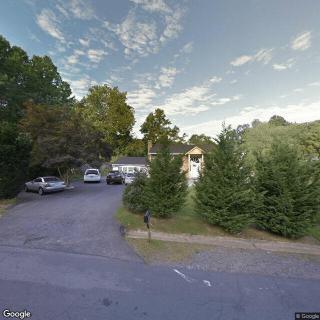
Beverly Assisted Living
$5,500 / month17.5 miles away -
from -$1000 / mo
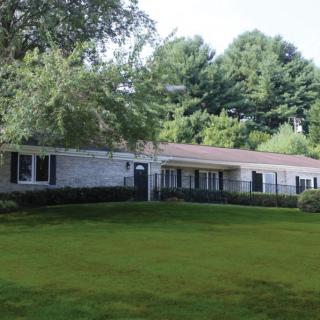
Glen Hill
$5,500 / month14.9 miles away -
from +$550 / mo
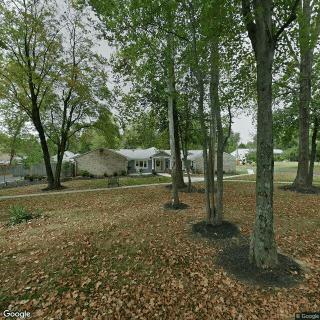
Maple Ridge Group Home
$7,050 / month7.8 miles away -
from +$1150 / mo
Cedar Glen
$7,650 / month4.0 miles away
Overall Review of Darnestown Gardens Assisted Living
Pros
 They prepared meals tailored to her preferences, showing attentiveness to her needs.
- The staff were caring and supportive, with evident empathy when family members arrived.
- The caregivers were loving, caring, and capable in their work.
- They managed late-stage dementia with love and understanding.
- A Place for Mom's recommendation was appreciated by the reviewer.
- The reviewer cherishes the memories of the compassionate people who cared for their mother.
- The move to Darnestown Gardens was described as a God-sent relief.
- The owner’s nursing background in geriatrics and the overall friendly atmosphere led the reviewer to definitely recommend the facility.
Cons
 She wasn't eating much of anything.
- She wasn't interested in any activities.
- She was suffering from dementia when she moved in there.
- There was never activity time during visits.
- Late stage dementia is a difficult and heart-wrenching condition to handle.
Review
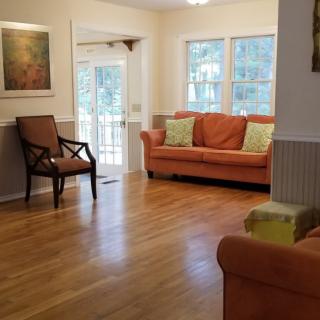
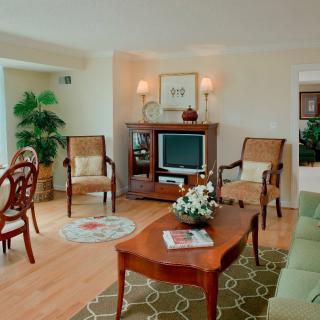
Darnestown Gardens Assisted Living in North Potomac is best suited for families seeking a small, hands-on environment that prioritizes intimate, individualized care for residents with dementia or significant cognitive and physical needs. The community shines when the goal is steady, compassionate support rather than a high-energy social calendar. The staff’s ability to tailor daily life, whether it’s arranging a preferred meal or accommodating a resident’s particular routines, creates a reassuring, home-like atmosphere. The owner’s background as a nurse and the cohesive leadership translate into consistent, practiced caregiving, and the facility’s convenient location makes regular visits feasible and meaningful for families.
That said, there are clear reasons families might look at alternatives. If a loved one expects or thrives on a robust, structured activity schedule distributed throughout the day, this setting may feel less dynamic. The anecdotes indicate that participation in activities can be uneven, often tied to the resident’s interest or stage of dementia, rather than a predictable, full programming slate. For families seeking a campus with high-volume programming, frequent group events, or specialized memory-enhancement curricula, a larger community with a more expansive activity department could be a better match.
The strongest positives come from the caregiving team. Reviews consistently describe staff who are loving, capable, and deeply engaged with residents facing late-stage dementia and complex physical needs. The human connection stands out, caregivers who know residents by name and even adopt affectionate nicknames, creating a sense of safety and continuity during difficult times. Instances of empathetic, hands-on support during a loved one’s final months underscore the depth of commitment, with families expressing relief and gratitude for the tenderness shown at life’s end. This level of care is not incidental; it is woven into daily practice through attentive listening, gentle reassurance, and a readiness to respond to nuanced preferences.
The practical advantages extend beyond bedside care. Families repeatedly note convenient location and the leadership of an owner with nursing expertise as meaningful differentiators. The ability to customize meals, sometimes crafting options a resident will eat even when appetite is waning, demonstrates a practical responsiveness that can matter greatly to a frail elder. The emotional resonance of staff who treat residents like family, paired with referrals from trusted sources, adds a sense of reliability that can calm worried relatives. In a market crowded with options, these tangible, day-to-day strengths provide the ballast that often makes a difficult transition doable rather than merely acceptable.
However, the care model has its limits when measured against expectations for activity and engagement. A resident who does not participate in group events or who requires highly structured programming may feel the environment lacks breadth. While many residents benefit from seated exercises and other gentle activities, the cadence of programming appears variable rather than guaranteed. Families should not misinterpret the warmth and attentiveness as a stand-in for a full calendar of events; the reality is a more intimate, person-centered approach where activity is adaptive to the resident’s abilities and interests, which is exactly what some families want and exactly what others may miss.
Ultimately, the decision hinges on fit between need-for-depth in dementia care and desire for breadth in activity. The pros, compassionate, capable caregivers; nurse-led leadership; adaptable meals; and emotionally supportive, family-centered care, often offset the main drawback of a lighter activity schedule. For a loved one who requires steady caregiving that respects dignity, minimizes distress, and offers flexible, resident-tailored solutions, Darnestown Gardens stands out as a wise, practical choice. Families with higher expectations for a bustling social calendar or a facility with a large repertoire of structured programs will want to evaluate other options that emphasize activity density and memory-care programming.
When exploring, families should press for specifics: how staff-to-resident ratios shift by shift, how meal plans are developed and adjusted for appetite changes, and what a typical day looks like for a resident at various dementia stages. Ask to meet direct caregivers and observe how they interact with a resident who resembles your loved one. Inquire about end-of-life support and bereavement assistance, since those are areas where the staff’s empathy has already left a strong imprint. If the resident’s needs align with intimate, compassionate, nurse-informed care, and the family values continuity, warmth, and ease of visitation, Darnestown Gardens offers a compelling, well-grounded option.
 Board and Care Home
 Private
 Washington Dulles International (16 miles away)
 Yoga / chair yoga


 Comprehensive Guide to Blood Pressure Charts for Older Adults: Understanding Normal and High Readings by Age
 Financing Long-Term Nursing Home Care Through Social Security: A Thorough Exploration
 Essential Knowledge on Pneumonia in Older Adults