










17121 Long Draft Road, Gaithersburg, MD 20878
To contact a resident: (240) 204-0297
For more information about senior living options: (866) 208-4318
Overall Review of Morning Glory Assisted Living
Pros
 Everyone there was very nice, lovely and kind.
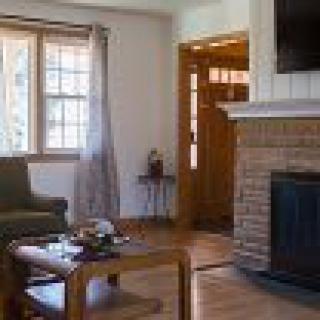
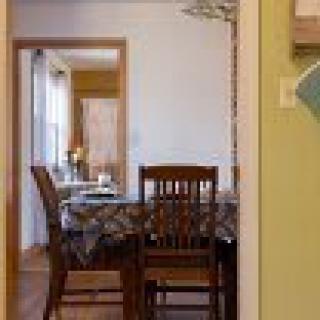
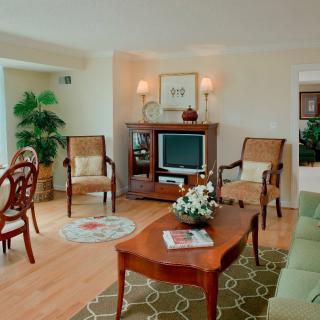
- The community has a nice, welcoming, homey feel.
- Everything seems to be going fine at Morning Glory Assisted Living.
- They are really friendly and caring.
- The uncle living there is very happy and doing well.
Cons
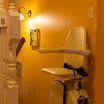
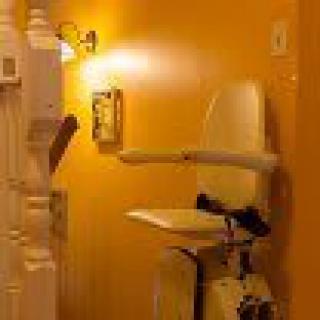
 The stairs were very steep and unsafe, with no railing to hold onto.
Review
Morning Glory Assisted Living in Gaithersburg, MD is best suited for seniors who want a warm, home-like environment with personal attention from staff, and for families prioritizing day-to-day compatibility and social engagement over clinical intensity. The community appears ideal for residents who can move about with minimal mobility limitations, enjoy a small-house setting, and value a friendly, welcoming atmosphere. This is not a facility built for heavy medical oversight or complex care needs; the layout and scale suggest a focus on companionship, daily routines, and comfort rather than institutional oversight. For families seeking a more clinical, high-structure program or wheelchair-accessible design, alternatives should be explored.
The strongest, consistent positives in the observed experiences are a genuinely friendly, caring staff and a homey, inviting atmosphere. Residents appear well-treated, with staff who are described as personable and attentive, contributing to a sense of happiness and well-being among residents, including loved ones living there. The absence of reported issues across multiple accounts reinforces a stable day-to-day lived experience, where routines feel smooth and staff are dependable. In practical terms, this translates into fewer logistical worries for families who want reassurance that their relative is in familiar hands and part of a warm, neighborly community.
Yet a clear caveat emerges from the physical setup: steep stairs with no railing. This is the most meaningful safety consideration and a potential deal-breaker for anyone with limited mobility, a higher fall risk, or dependence on devices that require level access. In a small house-style environment, such stairs can limit who can safely join, regardless of how caring the staff may be. The safety risk doesn’t negate the kindness and stability reported, but it does constrain suitability for residents who require assistance on multiple levels or who struggle with balance and transfers.
Given that limitation, certain residents or families should explicitly consider alternatives. Those needing round-the-clock nursing care, more formal medical oversight, or an accessible ground-floor layout with robust safety features may find Morning Glory lacking in essential infrastructure. Memory care, wound care, or therapies delivered by licensed professionals on a regular schedule may be better served elsewhere, in a setting designed for higher acuity. For anyone evaluating options, it is prudent to compare floor plans, assess the practicality of stairs for current and anticipated needs, and verify whether any future renovations or equipment could mitigate the risk.
When weighing the pros against the main con, the math looks favorable for individuals who prize companionship and a stable, low-stress environment and who can navigate stairs safely. The warmth of the staff and the home atmosphere can meaningfully reduce isolation and promote daily satisfaction, translating into observable happiness for residents and peace of mind for families. However, for residents with mobility challenges or a need for more comprehensive care, the stairs become a nontrivial barrier that can erode the overall value proposition. In such cases, the strength of the community’s interpersonal culture may not fully compensate for design and accessibility gaps.
Practical next steps are clear. Arrange an in-person visit focused on mobility and safety: test the staircase with a trusted family member, ask for a railing assessment, and observe how assistive devices are used in daily routines. Inquire about emergency response features, meal service details, activity calendars, and the availability of care coordination if medical needs evolve. Ask about long-term plans for accessibility improvements and whether a resident’s care plan can scale with changing needs. Finally, benchmark pricing against similar small-house communities with accessible layouts to determine whether Morning Glory delivers sufficient value for the level of independence and warmth it offers.
 Activities off-site
 Bath tubs
 Devotional services off-site
 Indoor common areas
 Outdoor common areas
 Private bathrooms
 Respite or short term stays offered
 Wheelchair accessible showers
 Washington Dulles International (18 miles away)
 Ambulatory care
 Diabetic care
 High acuity care
 Incontinence care
 Medication management
 Meals provided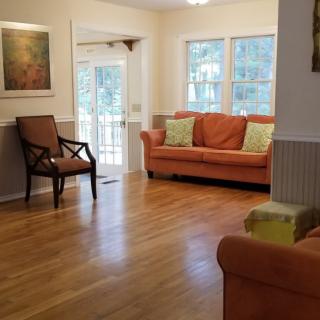





 Comprehensive Guide to Medicare Coverage for Hospice Care
 Caring for Those Who Care: Recognizing, Understanding, and Overcoming Caregiver Burnout
 Caregiver Exhaustion: Recognizing the Signs and Restoring Your Well-Being