
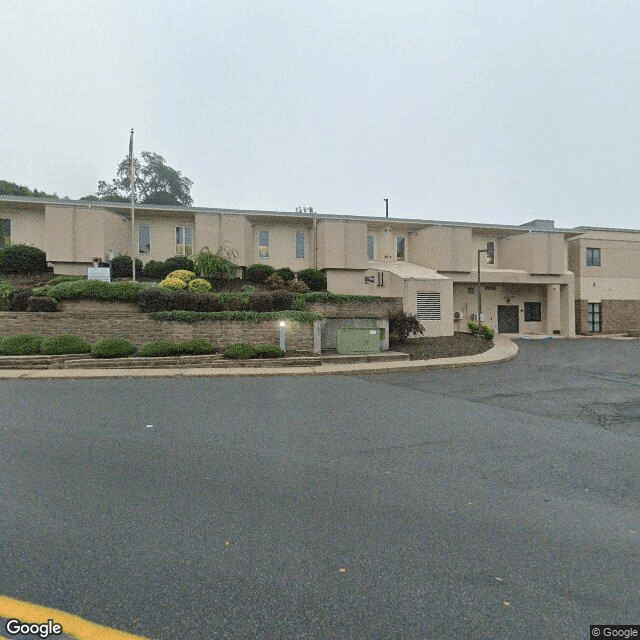
48 Tarn Ter, Frostburg, MD 21532
To contact a resident: (301) 689-1391
For more information about senior living options: (866) 208-4318
St Vincent De Paul Costs & Pricing
At St. Vincent De Paul, the costs for various room types reflect a commitment to providing quality care tailored to residents' needs. The monthly rates for a semi-private room are set at $5,634, which is notably higher than both Garrett County's average of $4,467 and Maryland's statewide average of $3,545. For private rooms, the cost aligns with Garrett County's rate at $6,760 but exceeds the state's average of $4,112. Studio accommodations are priced at $7,324 - again surpassing local and state averages ($5,176 in Garrett County and $4,656 across Maryland). While these costs may be on the higher side compared to regional benchmarks, they underscore the facility's dedication to enhancing resident well-being through top-notch services and an enriching living environment.
| Floor plans | St Vincent De Paul | Garrett County | Maryland |
|---|---|---|---|
| Semi-Private | $5,634 | $4,467 | $3,545 |
| Private | $6,760 | $6,760 | $4,112 |
| Studio | $7,324 | $5,176 | $4,656 |
Senior living communities with a similar price nearby
-
from +$861 / mo
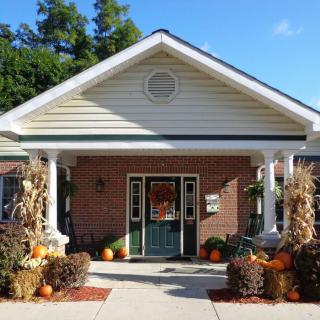
CountryHouse Cumberland
$6,495 to $7,495 / month8.7 miles away -
from +$358 / mo

Meyersdale Healthcare And Rehabilitation Center
$5,992 to $6,155 / month11.6 miles away
Overall Review of St Vincent De Paul
Pros
 They are kind, loving, and caring, and the staff work together to keep the place clean.
- The nursing staff provides excellent care, with engaging activities and holiday celebrations that allow families to worship together.
- Ms. Marino, the administrator, is kind, compassionate, and a strong leader who ensures residents are well cared for.
- Residents thrive with outings to local restaurants and enjoyable activities like bingo, crafting, and spa days.
- The facility is clean and well kept, with friendly, competent staff supporting residents in therapy.
- The staff are friendly and helpful, creating a welcoming environment.
- They take wonderful care of residents, giving families peace of mind about safety and well-being.
- The staff are polite and attentive, and the facility maintains strong procedures to prevent illness.
- The rehabilitation team helps residents progress, contributing to a family atmosphere.
- Care for loved ones is compassionate, with staff treating residents like family.
Cons
 The NP refused to do anything for weeks, offering only pain medication.
- The NP refused requests for a UA.
- The patient was not eating or drinking and became delirious.
- Side rails were dangerous, contributing to a fall.
- The patient was extremely frail, on blood thinners, and hit his face and head.
- They had to request that he be evaluated in the ER.
- The patient had an infection, despite repeated insistence.
- The NP blames everything on the patient’s age and existing condition (cancer) and cannot be bothered to figure out what’s wrong.
- They seem to do things out of spite.
- They placed a screamer in the loved one’s room despite many empty rooms.
- They take the call bells and throw them on the floor or keep them on the wall so residents can’t reach them.
- The billing administration office was very unprofessional, with a staff member squawking and screaming and then hanging up.
- There was a lack of communication.
Review
St Vincent De Paul in Frostburg, MD is best suited for families seeking a warm, home-like atmosphere where cleanliness, steady routines, and a clear emphasis on rehabilitation take center stage. The community earns credible praise for its friendly, compassionate staff who convey a sense of “family” to residents and visitors. For many, the facility’s strength lies in reliable daily care paired with active therapy, creating real opportunities for residents to progress and regain independence. It tends to work well for residents who respond to structured programming, enjoy engaging activities, and value a consistently neat, well-maintained environment.
That said, some families may want to consider alternatives if immediate, highly proactive medical oversight is non-negotiable. A few reviewers describe troubling gaps in timely medical evaluation and responsiveness from nursing leadership, with accusations of attributing problems to age or existing illness rather than seeking actionable solutions. Safety concerns surface in one case where residents appeared at risk due to bed-related decisions and mishandled call bells. Billing friction also emerges in a separate account, signaling that administrative processes can be challenging. For those prioritizing crisp, transparent medical decision-making and streamlined administration, it’s prudent to compare options carefully.
The strongest positives, the empathetic staff, clean environment, and robust rehabilitation orientation, often offset lesser concerns for many families. Residents frequently note meaningful progress with therapy, and families appreciate programs designed to help relearning tasks or regain walking ability. A genuine, family-like culture permeates the hallways, and the focus on tailored activity plans and regular caregiver interactions provides reassurance that residents are known and cared for. When medical oversight holds steady and communication remains clear, these pros can eclipse common snags and translate into tangible quality of life improvements.
Therapy services stand out as a core value proposition. The facility’s rehab ecosystem, PT, OT, and speech-related supports, consistently earns favorable remarks for effectiveness and attentiveness. Families repeatedly speak to residents making gains and returning home or moving closer to independent living, backed by therapists who coordinate care and adapt plans as progress unfolds. The daily rhythm, structured activities, social engagement, and opportunities to participate in religious or community-oriented programming, further reinforces a sense of purpose and belonging for residents who thrive on routine and purposeful activity.
Yet, not every review converges on a single impression, and a few red flags recur. Communication gaps, whether with families or within the care team, can transform a routine day into an anxious one for loved ones. When issues do arise, ensuring prompt, consistent follow-through on medical questions and care adjustments becomes crucial. Administrative friction, whether in billing or scheduling, can erode confidence if left unchecked. Prospective families should stress-test these areas by asking for recent physician coverage schedules, escalation protocols for urgent concerns, and a transparent, itemized billing process with regular updates.
In the end, this community presents a practical, capable option for families prioritizing rehabilitative momentum, caregiver warmth, and a clean, orderly setting. It is less ideal for those who require very aggressive medical management, immediate crisis responsiveness, or flawless administrative transparency on every interaction. To make a well-informed choice, families should request a detailed care plan and crisis-response policy, review recent therapy outcomes and staffing patterns, and probe the safety culture, especially around call systems and resident fall prevention. For many, the equation balances strongly toward a compassionate, rehab-forward environment; for others, it may be worth exploring facilities with a different medical leadership footprint and clearer administrative clarity.
 Activities on-site
 Devotional services off-site
 Indoor common areas
 Ambulatory care
 Diabetic care
 Meals provided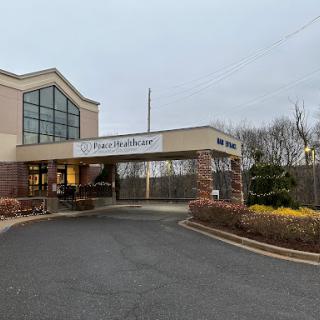



 Managing Nursing Home Expenses After Medicare Coverage Ends
 Is a Geriatric Care Manager the Right Choice for Your Family?
 Compassionate Conversations: How to Comfort Someone Who Is Grieving