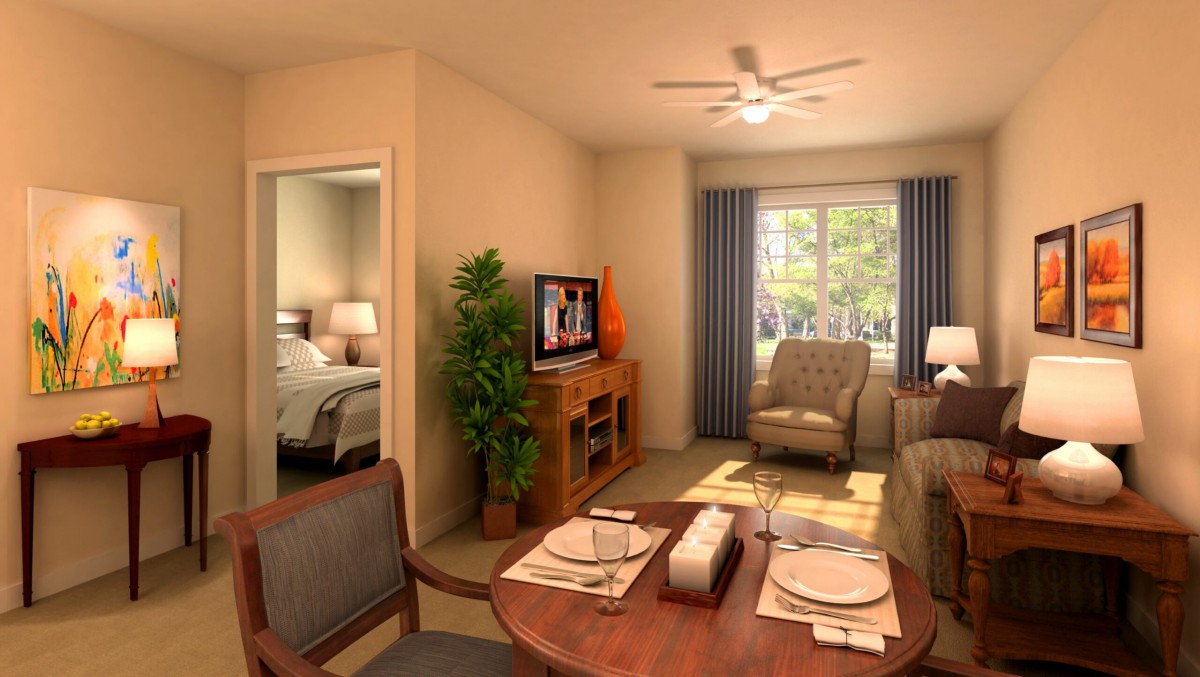

752 Dogwood Ct, Frederick, MD 21701
For more information about senior living options: (866) 208-4318
Overall Review of Warm Heart Family Assistance Living
Pros
 The staff at Warm Heart Family Assisted Living - Frederick are very pleasant, and the location is good.
- The new staff members, Tyreka B., Kayla, and Aiklah, are caring and supportive, and residents are treated like human beings.
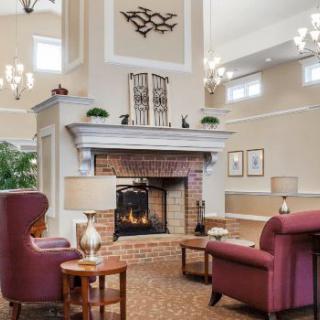
- The rooms are very nice, and the overall atmosphere is positive, with residents looking happy and well cared for.
- Security at Warm Heart is described as very good.
- The staff are friendly and helpful toward visitors and accommodate residents’ needs well.
- The facility provides a warm, engaging environment where residents appear comfortable and social.
Cons
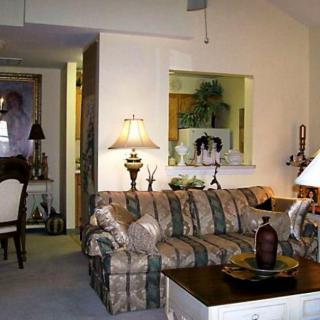
 The Warm Heart facility was run down and not updated, with outdated carpets and paint that made it less appealing.
- It lacked adequate wheelchair accessibility.
- There was no effective evacuation plan for wheelchair-bound residents in emergencies.
- Caregiving was severely understaffed, with often only one staff member for five patients.
- Meals were not balanced, with too many carbs and too few vegetables or meat.
- The facility had cleanliness issues and a noticeable smell.
- A resident lost significant weight and went from walking to using a wheelchair after arriving, suggesting deteriorating health under care.
- Staff engagement with residents was lacking; residents did not appear engaged or well attended.
- The setting felt more like a private home than a proper assisted living, with limited privacy and care structure.
Review
Warm Heart Family Assisted Living in Frederick, MD is best suited for seniors who want a small, home-like setting with hands-on, compassionate staff and a convenient location, and who can tolerate a less-polished physical environment. This community tends to work best for residents who value personal attention and a close-knit atmosphere over showroom amenities or highly formal programming. The intimate scale can foster real warmth and daily reassurance, but it comes with trade-offs in mobility infrastructure and modern conveniences that matter to some families.
Those weighing alternatives should consider options that offer stronger accessibility and a more robust safety and clinical footprint. Residents who require seamless wheelchair access, fewer stairs, or a more structured safety plan are likely to want a facility built around mobility and emergency readiness from the ground up. Families managing diabetes, strict diet controls, or pronounced cognitive needs may also find the trade-offs here too limiting unless the care plan is explicitly aligned with the staff’s demonstrated strengths. In short, this is not the pick for those seeking a highly turnkey, facility-wide modernization or a large-care-campus experience.
On the upside, the strongest pro is the care team’s character and consistency. Several reviews highlight a cadre of genuinely caring aides and administrators who treat residents with dignity and warmth, including praise for specific staff who helped transform a previously strained atmosphere into one where residents feel recognized as people. The new or re-energized team members are repeatedly credited with improving morale, engagement, and family trust, which can translate into more reliable daily interactions, more responsive support, and a calmer home environment. In addition, the location itself is repeatedly described as convenient, with security noted as solid, offering predictable routines that families value when visiting or coordinating care.
However, the downsides are real and not easily dismissed. The facility presents as a former private home that has not been modernized to current expectations, with visible wear on carpets and paint, and limited wheelchair-accessibility features. Stairs and uneven access can be a real hurdle for residents who need easier entry and exit or who rely on assistive devices to move safely. Conversations around safety planning, including evacuation procedures for mobility-impaired residents, recur in several reviews, suggesting that while the staff are caring, the physical layout and readiness to respond to emergencies may lag behind what some families expect from a higher-acuity setting. Other recurring themes include occasional gaps in communication and preparation for visits, shared room configurations that may limit privacy, and meals that do not consistently meet every dietary need or expectation.
The core pros, staff compassion, an intimate environment, and a favorable location, do offset some concerns, but not all. When staff members truly know residents and their preferences, daily life becomes more meaningful and safer, even in a smaller, non-glossy setting. Family members repeatedly note improvements in resident happiness and perceived dignity when the team is aligned and attentive. Yet the functional cons, physical accessibility, potential crowding, and less-than-ideal safety and nutrition logistics, prevent Warm Heart from fully compensating for serious mobility or medical requirements. For a senior who prioritizes personal warmth and easy rapport with caregivers over gleaming décor or hospital-grade safety features, the balance can still tilt toward a positive outcome.
In making a final decision, families should map their relative priorities against these realities. If the priority is a warm, attentive staff and a convenient, secure location where residents are treated with respect, and mobility needs are modest or can be managed with careful planning, Warm Heart Family Assisted Living can be a good fit. If, however, the senior requires robust accessibility, more procedural safety measures, or a higher level of medical oversight and structured meals, it is prudent to explore alternatives. Prospective residents should visit with a precise checklist: assess actual accessibility on every floor, verify current staff-to-resident ratios, review the meal plan for dietary requirements, examine privacy options in shared rooms, and request a clear, practice-tested evacuation and emergency plan. This approach ensures that the choice aligns with both daily living reality and long-term safety needs.
 5 resident community capacity
 Studio apartments
 Assisted Living
 Board and Care Home
 Memory Care
 Skilled Nursing Facility
 Beautician on-site
 Cable or satellite TV
 Dining room
 Financing advice
 Fully furnished
 Garden
 Guest parking
 Housekeeping services
 Laundry
 Move-in coordination
 Outdoor space
 Party space
 Respite or short term stays offered
 Telephone
 Wi-Fi/high-speed internet available
 Transportation & parking
 24-hour supervision
 Activities of daily living assistance
 Assistance with bathing
 Assistance with dressing
 Assistance with transfers
 Diabetes diet
 Hospice care
 Meal preparation and service
 Medication management
 Mental wellness program
 Physical therapy
 Special dietary restrictions
 Transportation arrangement (medical)
 Arts and crafts
 Cooking club
 Games
Games Live musical performances
 Stories
 English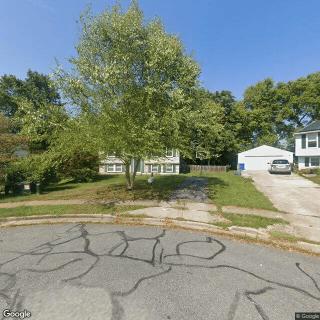




 How and When Medicaid May Cover Assisted Living Costs
 A Detailed Exploration of Assisted Living Medicaid Waivers Across the United States
 Exploring the Contrasts Between Assisted Living and Skilled Nursing