
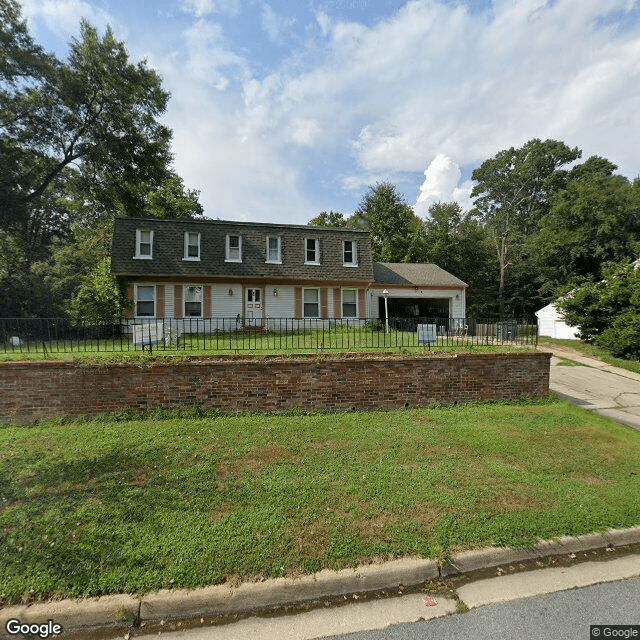
12921 Asbury Drive, Fort Washington, MD 20744
For more information about senior living options: (866) 208-4318
Prince Of Peace II Costs & Pricing
At Prince Of Peace II, residents can benefit from competitive pricing for their care, with monthly costs significantly lower than both Prince George's County and the state of Maryland as a whole. For a semi-private room, the monthly fee is $2,250, which is notably more affordable compared to the county average of $3,058 and the state average of $3,545. Similarly, for those opting for a private room, the cost at Prince Of Peace II stands at $2,500 - again lower than both the county's rate of $3,792 and Maryland's average of $4,112. This favorable pricing structure not only reflects Prince Of Peace II's commitment to accessible care but also provides families with a valuable option when considering long-term residency for their loved ones.
| Floor plans | Prince Of Peace II | Prince George's County | Maryland |
|---|---|---|---|
| Semi-Private | $2,250 | $3,058 | $3,545 |
| Private | $2,500 | $3,792 | $4,112 |
Assisted Living communities with a similar price nearby
-
from -$250 / mo
Eby Health Services II
$2,000 to $3,000 / month3.1 miles away -
from +$250 / mo
Amazing Grace Senior Care
$2,500 to $3,000 / month16.4 miles away -
from +$350 / mo
My Parent's Place
$2,600 to $3,000 / month12.4 miles away -
from +$220 / mo
Ovalstone Comfort Home
$2,470 to $3,300 / month24.5 miles away -
from -$150 / mo
Mamie's Loving Care III
$2,100 to $3,000 / month7.2 miles away
Overall Review of Prince Of Peace II
Pros
 Prince of Peace II feels like a home.
- It has a stair lift that residents can ride up and down.
- The facility offers rooms for two people and a single room for one.
- The place is nice, with residents dressed, clean, and looking nice.
- Two caregivers work there all day—a nurse and a therapist.
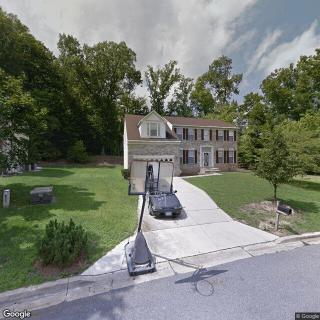
- The place was remodeled with a large kitchen featuring granite countertops and hardwood floors.
- The owner is very nice and explains everything they do.
- The staff are loving, knowledgeable, and professional.
- Families have peace of mind knowing their loved ones are cared for like family.
- The environment is professional and home-like.
Cons
 They neglected their residents and kept the loved one in the same clothes for days, without ensuring she bathed or brushed her teeth.
- The license shown by the facility was expired.
- They failed to provide copies of their license and insurance information.
- They told the reviewer she was unpacked when she moved in, but two days later she still hadn't unpacked.
- Residents were seen eating and drinking out of broken dishes.
- The reviewer would not recommend this place to anyone.
Review
Prince Of Peace II in Fort Washington is best suited for families seeking a compact, home-like assisted living option where daily care is hands-on and the ambience emphasizes warmth and personal connection. It appeals to seniors who want to be in a small community where staff know residents by name, where the environment feels lived-in rather than institutional, and where a real meal in a kitchen that resembles home is part of daily life. The setting and the presence of a nurse and a therapist on site translate into a level of responsiveness that can help with memory, mobility, and routine tasks without the bustle of a large campus. However, those needing high-acuity medical oversight or strict regulatory transparency should consider alternatives.
On the upside, the facility presents a lived-in, cared-for impression. Residents appear well-groomed and engaged, and the staff model shows continuity with two caregivers on site across the day, including a nurse and a therapist. The remodeling includes appealing details, granite countertops and wood floors, that signal a genuine investment in comfort, not just function. A staircase-accessibility machine adds practical value for residents with mobility limits, and room configurations accommodate both single and shared living. The owner is described as approachable and informative, which helps families feel connected to operations. Food quality is repeatedly cited as a strong point, contributing to overall satisfaction and daily dignity.
Yet the standout positives collide with serious red flags in other voices. Two reviewers point to licensing and compliance concerns, one reports that the license shown was expired and that copies of current licensing and insurance were not provided, undermining trust and risk management. Care delivery is questioned through allegations of neglect: residents described as kept in the same clothes for days and lacking basic personal hygiene. Unpacking delays, and the sight of broken dishes circulating among residents, paint a picture of gaps in housekeeping and standard-of-care oversight. Such disclosures, even as minority opinions in the feedback mix, cannot be dismissed in a decision about safety and reliability.
These positive attributes do offset, to an extent, the potential downsides when the target resident needs moderate help and family oversight is active. The home-like setting, steady staffing, and affectionate culture can yield significant quality-of-life dividends that are hard to find in larger communities. However, the gravity of the cited concerns, especially license status and basic care hygiene, means risk cannot be ignored. For families who operate with tight, proactive supervision and require as-needed verification of compliance, Prince Of Peace II can be a good fit. For those who want an institutional level of governance and relentless, verifiable regulatory compliance, the positives may not be enough to overlook the negatives.
Prospective residents should approach with a practical checklist: demand current licensing and insurance documentation, request a tour with a focus on cleanliness, orderliness, and daily routines, and ask for care plans tailored to the loved one’s needs. Confirm staffing levels during shifts, inquire about how meals are prepared and how dietary restrictions are managed, and request to see the activity calendar and physical therapy or nursing services schedule. Engage the owner in a candid discussion about expectations, billing terms, and what happens if a resident’s needs escalate. Finally, verify references beyond the written reviews, including speaking with current families and, if possible, a trial visit.
In summary, Prince Of Peace II is not a one-size-fits-all choice. It excels for families prioritizing a warm, intimate setting with consistent on-site caregivers and a homelike daily rhythm. It is less compelling for those requiring rigorous, transparent governance and ironclad assurances about licensing and routine hygiene. If risk tolerance is moderate and a family is prepared to actively supervise and verify compliance, this community can deliver meaningful peace of mind and a comfortable home for a loved one. If not, steer toward larger operators with stronger governance, clearer licensing status, and more robust systems for cleanliness and accountability.
 5 resident community capacity
 Assisted Living
 Board and Care Home
 Activities off-site
 Bath tubs
 Beautician on-site
 Cable or satellite TV
 Devotional services off-site
 Dining room
 Fully furnished
 Garden
 Housekeeping services
 Indoor common areas
 Move-in coordination
 Outdoor common areas
 Private
 Private bathrooms
 Respite or short term stays offered
 Telephone
 Wi-Fi/high-speed internet available
 Ronald Reagan Washington National (10 miles away)
 24-hour supervision
 Ambulatory care
 Assistance with bathing
 Assistance with dressing
 Assistance with transfers
 Diabetes diet
 Diabetic care
 Incontinence care
 Meal preparation and service
 Medication management
 Special dietary restrictions
 Transportation arrangement (medical)
 Transportation to doctors appointments


 Exploring the Contrasts Between Assisted Living and Skilled Nursing
 8 Key Indicators That Suggest It May Be Time to Transition from Assisted Living to Skilled Nursing Care
 Vibrant Senior Living: A Comprehensive Guide for Active Older Adults