For more information about senior living options: (866) 208-4318
4.3 from 58 reviews
5 stars
35
4 stars
13
3 stars
3
2 stars
4
1 stars
3
Harmony at Waldorf Costs & Pricing
Harmony at Waldorf offers competitive pricing for its accommodations compared to both Charles County and the broader Maryland area. For a one-bedroom unit, residents pay $2,675, which is notably lower than the county's average of $3,355 and significantly more affordable than the state's average of $3,904. When it comes to two-bedroom options, Harmony's rate of $3,375 positions it slightly above Charles County's mean of $3,158 but remains below the statewide average of $3,497. The studio apartments are priced at $4,375, which exceeds both the county rate of $3,762 and Maryland's average of $4,656. Overall, Harmony at Waldorf provides a well-balanced choice in terms of monthly costs across different room types while remaining an appealing option for potential residents seeking value in a vibrant community.
Floor plans
Harmony at Waldorf
Charles County
Maryland
1 Bedroom
$2,675
$3,355
$3,904
2 Bedrooms
$3,375
$3,158
$3,497
Studio
$4,375
$3,762
$4,656
Memory care communities with a similar price nearby
Residents and families repeatedly describe the staff as kind and supportive.
Multiple reviews highlight staff members who treat residents with respect, provide gentle assistance, and make people feel welcomed. Several also mention being responsive when care needs come up, including caregivers who go above and beyond. A few reviews contrast that with moments when communication or scheduling was difficult, but most of the staff-focused comments are positive.
common
Facility cleanliness and presentation
Reviews consistently point to a clean, well-kept building.
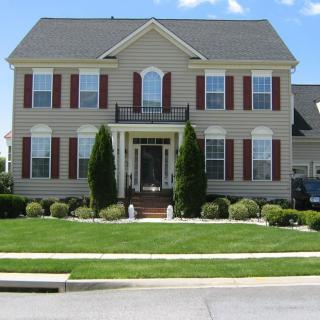
Residents and visitors repeatedly describe the community as clean, well maintained, and pleasant to be in. Several reviews also mention the property looking impressive and in good condition, including positive comments about the appearance on arrival. Even in more critical reviews, the facility is often described as looking well kept, even when other parts of the experience fall short.
caveat
Dining is sometimes slow or inconsistent
Dining quality and timing come up as recurring issues in reviews.
While some reviews say the food is good, others describe inconsistent meals, cold food, and long waits for service. Several comments tie the dining experience to staffing and speed, including taking a long time to receive meals. At least one review also notes that meal quality can vary, and another says dining is not as strong as expected.
caveat
Short staffing affects daily support
Some residents report staffing limits affecting care routines.
Some reviews describe the community as short-staffed, with knock-on effects like delays for meals and limited engagement. A separate set of comments also raise concerns about difficulty reaching administration or follow-up in memory care, including getting unclear responses. Even among generally positive reviews, there are mentions that staffing capacity can influence the day-to-day experience.
caveat
Memory care communication and activities
Memory care reviews mention limits with engagement and communication.
A few reviews specifically discuss memory care, describing trouble reaching someone, weak follow-up, and anxiety around not being able to check on a loved one. Others note that memory care can have fewer activities than expected compared with other parts of the community. There are also reviews that describe memory care staff as attentive and residents as feeling safe, showing a mixed experience overall.
caveat
Pricing feels high, but value shows up
Pricing is a mixed topic, with some calling it too expensive.
Several reviews say the cost is high, especially for specific situations like independent living for one person or for the perceived level of service. At the same time, other reviews describe the value as reasonable for the care provided and mention competitive pricing for the location. Overall, residents and families seem to weigh the monthly cost against the level of healthcare support they are receiving.
How we summarize
We summarize when many written reviews mention each theme; a review can touch several themes, and only frequently mentioned themes are displayed.
Features
Housing
1-bedroom apartments
2-bedroom apartments
Studio apartments
Types of Care
Assisted Living
Independent Living
Memory Care
Pets
Cats allowed
Dogs allowed
Amenities
Beautician on-site
Cable or satellite TV
Computer center
Dining room
Full kitchen
Garden
Guasts at mealtime
Guest parking
Housekeeping services
Kitchenette
Laundry
Private cleaning services
Resident parking
Respite or short term stays offered
TV room
Wi-Fi/high-speed internet available
Transportation
Ronald Reagan Washington National (16 miles away)
Transportation & parking
Care Services
Hospice care
Medication management
Personal care assistants
Physical therapy
Dining
Room service
Activities
Arts and crafts
Book club
Cooking club
Educational speakers / life long learning
Fitness programs
Games
Gardening club
Live musical performances
Religious services
Stories
Wii bowling
Yoga / chair yoga
Languages Spoken
English
Virtual Tour
Videos
Nearby Places of Interest
This part of Waldorf, Maryland offers a variety of amenities and services that cater to senior living needs. The area is home to several places of worship such as Lighthouse Baptist Church and St Marys Catholic Church, providing spiritual support and community connection. There are multiple reputable physicians in close proximity, including Umcmg Womens Health Waldorf and Waldorf Family Medical Center, ensuring easy access to healthcare services. A range of dining options like Szechuan Garden Restaurant and Cracker Barrel are available for convenient meals out, while pharmacies like CVS and Walgreens are nearby for medication needs. Additionally, parks such as Bensville Park and White Plains Regional Park offer opportunities for outdoor recreation and relaxation. The presence of Civista Medical Center and Charles Regional Medical Center ensures reliable healthcare facilities in the vicinity, while entertainment can be enjoyed at Xscape 14 theater. Overall, this part of Waldorf provides a well-rounded living environment for seniors with a mix of essential services and leisure activities.
Places of Worship
Lighthouse Baptist Church (0.3 miles)
Lifepoint Church (1.7 miles)
St Marys Catholic Church (5.3 miles)
Saint Peters Catholic Church (5.8 miles)
Maryland Gospel Assembly (7.6 miles)
Physicians
Umcmg Womens Health Waldorf (2 miles)
Mid Atlantic Skin Surgery Institute (2.1 miles)
Waldorf Family Medical Center (2.7 miles)
Waldorf ENT Dr Giancarlo Chiancone (2.7 miles)
Tower Radiology (2.7 miles)
Dr Weinstein (2.7 miles)
Dr Miller (2.8 miles)
Restaurants
Szechuan Garden Restaurant (2.3 miles)
Panda Express (2.4 miles)
Burger King (2.5 miles)
Papa John's Pizza (2.5 miles)
Crafty Crab Seafood (2.5 miles)
Arby's (2.5 miles)
Cracker Barrel (2.6 miles)
Pharmacies
CVS Pharmacy (2.5 miles)
Target Pharmacy (2.5 miles)
Walgreens (2.6 miles)
CVS Pharmacy (2.7 miles)
CVS Pharmacy (2.8 miles)
Walgreens (3.9 miles)
High Street Discount Pharmacy (4 miles)
Cafes
Starbucks (2.8 miles)
Panera Bread (3.2 miles)
Panera Bread (5.9 miles)
Starbucks (6.9 miles)
B Doughnut (7 miles)
Parks
Indian Head Rail Trail (2.8 miles)
Bensville Park (3.4 miles)
White Plains Regional Park (4.3 miles)
Pinefield (5.6 miles)
Fort Hunt Park (7.5 miles)
Cedarville State Forest (7.6 miles)
Hospitals
Civista Medical Center (4.1 miles)
Precision Orthopedics and Sports Medicine (4.3 miles)
Charles Regional Medical Center - Kent Building (6.8 miles)
Harmony at Waldorf offers competitive pricing for its accommodations compared to both Charles County and the broader Maryland area. For a one-bedroom unit, residents pay $2,675, which is notably lower than the county's average of $3,355 and significantly more affordable than the state's average of $3,904. When it comes to two-bedroom options, Harmony's rate of $3,375 positions it slightly above Charles County's mean of $3,158 but remains below the statewide average of $3,497. The studio apartments are priced at $4,375, which exceeds both the county rate of $3,762 and Maryland's average of $4,656. Overall, Harmony at Waldorf provides a well-balanced choice in terms of monthly costs across different room types while remaining an appealing option for potential residents seeking value in a vibrant community.
Medication management at Harmony at Waldorf ensures that residents receive the correct dosages of medication at the appropriate times, which is crucial for managing symptoms of dementia and Alzheimer's disease. This systematic approach minimizes the risk of medication errors, thereby enhancing overall wellbeing and stability. Physical therapy complements this service by focusing on improving mobility and maintaining physical function, which can often decline in individuals experiencing cognitive impairments. By engaging residents in tailored exercises, physical therapy not only supports their physical health but also promotes cognitive engagement, helping to slow down the progression of symptoms and improve quality of life. Together, these features create a comprehensive care strategy that addresses both mental and physical aspects of health for those with memory impairments.
Delirium is a rapidly onset, reversible cognitive disturbance often caused by acute medical issues, while dementia is a gradual and irreversible decline due to chronic neurodegenerative diseases. Accurate differentiation between the two is essential for appropriate treatment and management in older adults.
Dementia, including Alzheimer’s disease, is often mischaracterized in terms of lethality as it leads to complications that can be fatal rather than being a direct cause of death; it causes a progressive decline in cognitive and physical health, making patients vulnerable to infections and other health crises. Effective management of nutrition, hydration, and communication is crucial in patient care, with palliative care becoming vital in advanced stages to enhance comfort and quality of life while caregivers play a key role amidst the challenges posed by the disease.
Reminiscence therapy helps individuals with dementia recall past memories through structured discussions and meaningful objects, enhancing mood, relationships, and sense of identity while celebrating their lives. It can be practiced in formal settings or at home, requiring sensitivity to personal histories and cultural backgrounds.
Get PricingAsk A QuestionSchedule A TourContact Senior Advisor
By clicking submit, you agree to our Partner's Terms of Use. You
also consent to receive calls and texts, which may be autodialed, from our Partner. Your consent is not a condition to
using our Partner's service. Please visit our Partner's Privacy Policy for information about their privacy practices.




 1-bedroom apartments
 Assisted Living
 Independent Living
 Memory Care
 Cats allowed
 Dogs allowed
 Beautician on-site
 Cable or satellite TV
 Computer center
 Dining room
 Full kitchen
 Garden
 Guest parking
 Housekeeping services
 Laundry
 Respite or short term stays offered
 Wi-Fi/high-speed internet available
 Ronald Reagan Washington National (16 miles away)
 Transportation & parking
 Hospice care
 Medication management
 Physical therapy
 Room service
 Arts and crafts
 Book club
 Cooking club
 Educational speakers / life long learning
 Fitness programs
 Games
Games Live musical performances
 Religious services
 Wii bowling
 Yoga / chair yoga
 English
 Comprehensive on-site care services (meal prep, medication management) with connectivity and nearby dining, pharmacies, and healthcare resources.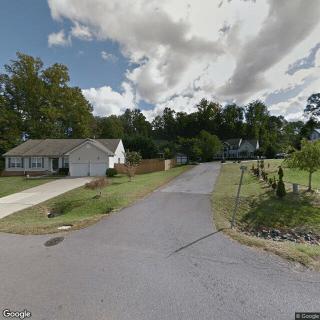

 Delirium and Dementia: Unraveling the Key Differences
 Are Dementia and Alzheimer's Disease Lethal? A Comprehensive Exploration
 Exploring the Power of Reminiscence Therapy for Individuals With Dementia