
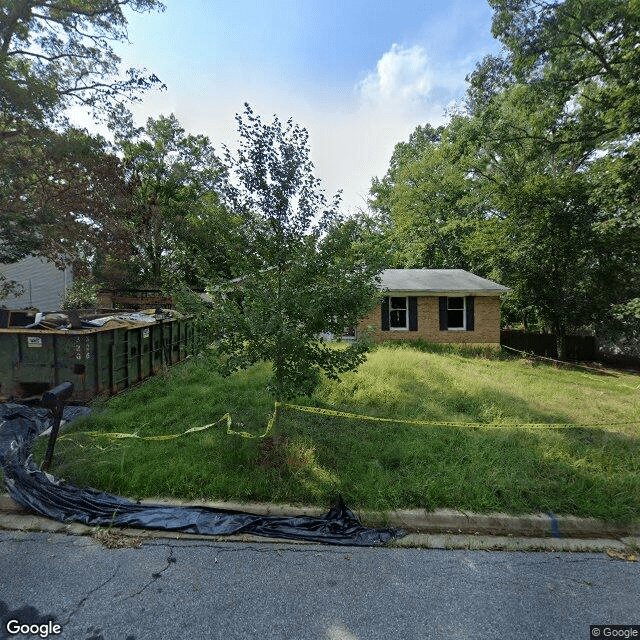
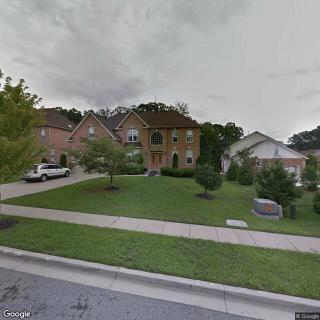
12803 Prestwick Dr., Fort Washington, MD 20744
To contact a resident: (301) 292-0674
For more information about senior living options: (866) 208-4318
Overall Review of Golden Care Manor
Pros
 Everyone at the facility appeared at peace.
- The Golden Care Club is described as the best facility to care for a loved one when the need arises.
- The facility director is warm, caring, and very attentive to residents’ needs.
- The staff is amazing, and the environment is clean and friendly.
- The main caregiver earned such fondness from the resident that he nicknamed her “Mother Teresa.”
- The staff keeps family members informed of changes necessary to properly care for residents.
- The family regards the facility as their extended family.
Cons
 The facility is excellent but is too far away from the reviewer’s house and school.
- It is not ideal for a mom who needs more care.
- The distance makes the facility unsuitable for the reviewer’s needs.
Review
Golden Care Manor in Fort Washington is best suited for families facing memory-care needs or other around-the-clock caregiving challenges, who prize a warm, home-like environment and very hands-on, communicative staff. The reviews repeatedly spotlight dementia/Alzheimer’s care as a core strength, with staff members forming bonds that feel almost like family. When a resident’s needs are substantial but manageable within a small, attentive team, this community delivers peace of mind: a director seen as warm and devoted, caregivers praised for consistency, and family members kept in the loop about every change in care.
Those evaluating alternatives should note who may want to look elsewhere. If a loved one requires higher-level medical oversight or more intensive daily assistance than what this facility provides, a different setting may be a better fit. The sentiment that “not ideal for mom who needs more care” signals that, despite the overall quality, the care level here may not satisfy every resident’s medical or monitoring needs, particularly for those at the far edge of assisted living or with complex health issues. Distance also becomes a practical hurdle for families who want frequent, hands-on involvement; the facility’s location in Fort Washington can challenge daily visits or frequent transportation for family members who live far away or juggle schooling and work.
The strongest advantages align with the care philosophy that families crave when a loved one has memory-care needs. The staff is described as amazing, the environment clean, and the atmosphere consistently friendly, ingredients that translate into authentic, reassuring daily routines for residents. The story of a caregiver earning a resident’s nickname and the staff’s ability to keep the family informed about changes underscores not just competence but a relational, trust-building approach. That combination of continuity, transparency, and genuine warmth helps offset the inherent anxieties of memory-care placement, making it easier for families to entrust daily oversight to the facility.
Yet the main drawbacks are not trivial. Distance from home and school is a clear friction point for many families, limiting the practical ease of regular visits and spontaneous check-ins. The occasional implication that the facility may not meet higher tiers of care means that some residents with escalating needs could outgrow what Golden Care Manor can safely provide. In short, the location and the scope of services should be weighed against current and anticipated care requirements, as well as the ability to maintain meaningful in-person involvement.
When the pros and cons are weighed, the positives can substantially offset the negatives for the right family profile. For those who value a peaceful, well-maintained setting with a highly capable, caring staff, the emotional and logistical benefits, regular family updates, trusted caregiving relationships, and a resident-centered approach, often compensate for the commute and occasional care gaps. The atmosphere fosters dignity and belonging, which matters greatly to families seeking stability and a sense of extended family for a loved one. The key is alignment: is the resident’s level of need stable enough for the community’s capacity, and can the family manage visitation in light of distance?
Practical next steps include arranging a thorough tour focused on day-to-day routines, asking pointed questions about staff-to-resident ratios, and reviewing care plans for memory-related needs. Prospective families should probe how changes in health status are monitored, how transitions in care levels are handled, and what hospital-to-facility coordination looks like. If regular, meaningful engagement with caregivers is a priority and memory-care support is the main criterion, Golden Care Manor earns serious consideration. If higher clinical supervision or closer proximity to loved ones is non-negotiable, alternatives that offer more robust care options or a shorter travel distance may be the smarter move.
 Cats allowed
 Dogs allowed
 Ronald Reagan Washington National (10 miles away)
 Diabetic care



 Seniors and Modern Transportation: Exploring Uber, Lyft, and Other Ride-Hailing Options
 Comprehensive Guide to Qualifying for Home Health Care Services
 Powerful Realities of Elder Abuse and the Most Effective Ways to Report It