
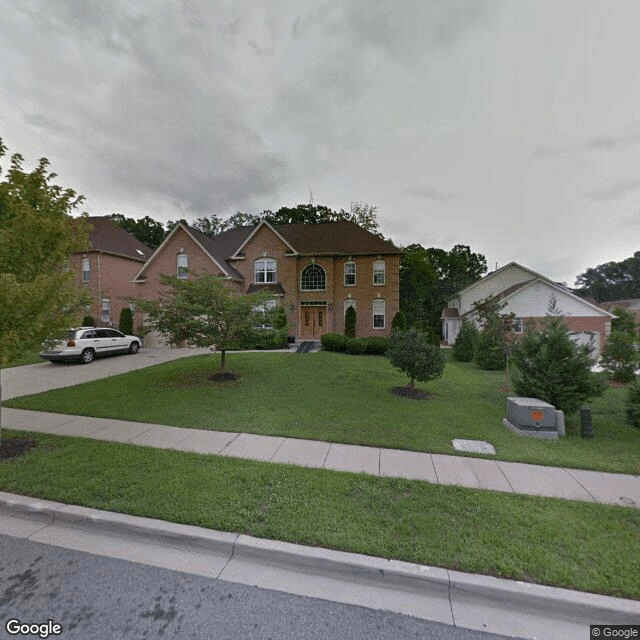
11818 Tregiovo Place, Fort Washington, MD 20744
To contact a resident: (301) 203-2383
For more information about senior living options: (866) 208-4318
Overall Review of Royal Care Assisted Living of Tantallon
Pros
 The six-person community is very caring and has great nursing management.
- Royal Care is very attentive and proactive in caring for residents.
Review
Royal Care Assisted Living of Tantallon in Fort Washington, Maryland, is best suited for seniors who want an exceptionally intimate, home-like setting where every resident receives unusually close attention from a dedicated caregiving team. With a six-person footprint, this community operates more like a tight-knit household than a traditional campus, and that scale translates into a level of caregiver familiarity, consistency, and nursing leadership that is rare in larger facilities. For families seeking genuine accessibility to staff and rapid responsiveness to daily needs, this setting delivers a clarity of care that can feel transformative for a loved one.
Those who may want to consider alternatives are families prioritizing breadth over depth. A larger assisted living with a wider calendar of activities, more on-site amenities, or a dedicated memory-care wing can offer different social textures and more diverse programming. If a resident requires frequent therapeutic services, a broad range of on-site specialists, or a robust menu of structured outings, the small scale may feel limiting. In short, the very strengths of a six-resident house, personalized attention and strong oversight, can also constrain options for social engagement and variety.
The principal advantages center on personalized attention and proactive nursing management. Staff familiarity with each resident fosters a depth of observation and a rapid, nuanced response to changing needs. The nursing leadership is described as great, with a proactive stance that emphasizes prevention and timely intervention. In daily life, this translates to fewer missed cues, smoother coordination with families, and a care plan that stays aligned with evolving health circumstances. For families balancing safety, comfort, and the emotional well-being of a loved one, these dynamics can reduce stress and elevate trust in the caregiving team.
Those same strengths of intimacy and proactive care offset the potential downsides of a small scale in meaningful ways. While limited resident numbers can mean fewer comprehensive activities and a narrower social circuit, residents often enjoy stronger relationships with both peers and caregivers. Consistency of staff reduces anxiety for residents who thrive on predictable routines and known faces, and the ability to pivot quickly in response to medical or personal preferences means care remains finely tuned. The result is a dependable, low-disruption environment where daily life feels stable, with caregivers who can notice subtler shifts in health or mood and address them before they worsen.
Practical decision-making centers on aligning expectations with what the community can most reliably provide. Prospective families should assess the on-site care philosophy, ask about how medications and health changes are managed, and understand the cadence of daily life, meal times, visits, and any opportunities for social interaction within the resident group. It is wise to inquire about staff availability, the ratio of licensed nurses to residents, and how care plans are updated in response to new health information. Location is a practical factor too: the close-knit setting should be weighed against the desire for nearby social or cultural activities that larger communities more readily offer.
Ultimately, this community stands as a compelling choice for families prioritizing intimate, attentive care and strong nursing leadership. The six-resident model creates an environment where staff know each resident deeply, respond with immediacy, and orchestrate care with a consistent, compassionate touch. Those who value a home-like atmosphere, calm routines, and a proactive approach to health management will find the fit exceptional. Conversely, families seeking expansive social calendars, broad amenities, or specialized memory-care programming may want to consider alternatives that scale those features to a larger, more diverse resident population. A thoughtful visit will reveal whether the small-scale strength of this community aligns with the senior’s priorities and the family’s expectations.
 Cats allowed
 Dogs allowed
 Ronald Reagan Washington National (9 miles away)
 Diabetic care




 Top Canine Companions for Older Adults
 Comprehensive Guide to Blood Pressure Charts for Older Adults: Understanding Normal and High Readings by Age
 Financing Long-Term Nursing Home Care Through Social Security: A Thorough Exploration