
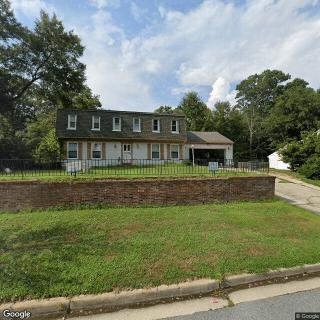
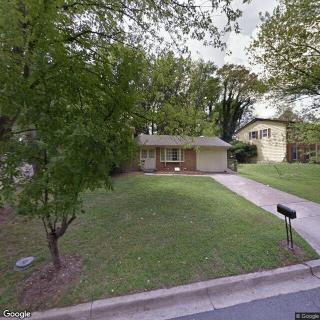
208 Bonhill Drive, Fort Washington, MD 20744
For more information about senior living options: (866) 208-4318
Overall Review of Bonhill
Pros
 Bonhill did not disappoint as an assisted living place for the aunt.
- It felt like the aunt was cared for by family members.
- The aunt enjoyed being there and enjoyed the people who lived there and the caregivers.
- It was a great fit.
- It is a very safe place.
Review
Bonhill in Fort Washington, MD is best suited for families seeking a warm, home-like assisted living experience for residents who are very elderly and who thrive on personal attention and a strong sense of belonging. The three reviews paint a clear picture: a 96-year-old aunt found a respectful, family-feel environment where caregivers and residents form meaningful connections. The atmosphere is described as one where care comes with heart, and the experience resonates as “like leaving a family member with other family members.” For families prioritizing human connection and daily reassurance over corporate polish, Bonhill stands out as a natural match.
Consider alternatives for households whose needs extend beyond a homey, attentive milieu. If medical acuity is higher or dementia care requires specialized programming, a larger facility with dedicated memory-care wings or more on-site medical oversight might be preferable. Those seeking comprehensive clinical services, robust therapy options, or more expansive campuses may find other communities better aligned with expectations. Space for particular amenities, extended rehabilitation, or more structured activity schedules could also drive a different choice. The small, intimate feel that pleases many can feel limiting to others.
The strongest pros are precisely what families value most: a caregiver team that treats residents like kin, a environment that feels safe and inclusive, and residents who genuinely enjoy their daily interactions. The narratives emphasize staff who engage warmly with residents and build relationships that extend beyond routine tasks, and the aunt’s happiness and social enjoyment underscore a meaningful emotional payoff. In tight-knit settings like this, the risk of isolation or impersonal care is minimized, and families gain reassurance that the daily experience is attentive and compassionate. When safety and personal attention are non-negotiables, these advantages carry substantial weight.
Where the conversation naturally turns to cons, the limits of the available data must be acknowledged. With only three reviews, coverage is narrow, and there is little public detail about medical programming, memory-care capabilities, or the breadth of on-site services. There is no pricing information disclosed, and prospective residents cannot gauge how meal plans, transportation, or activity calendars compare with other options. The lack of explicit information on clinical oversight could matter for any resident who may require more continuous medical monitoring or specialized cognitive care. In other words, the experience described is strong on companionship and safety, but it offers fewer documented assurances about higher-acuity needs.
Those pros can be decisive offsetting the potential drawbacks for the right resident. For a very elderly person who values comfort, familiar faces, and a sense of belonging, Bonhill delivers a quality of daily life that few places match. The family-like care model answers the fundamental question of “Will this feel like home?” with a confident yes, and that emotional security often compensates for the absence of a more clinical pace. Prospective families should still push for clarity on how medical needs are managed, what dementia care options exist, and what flexibility there is around care plans as needs evolve. A candid tour and a concrete sense of staff-to-resident ratios become critical next steps.
In the end, Bonhill emerges as a practical, compelling choice for families prioritizing warmth, personal attention, and a safe, homelike environment. It rewards households seeking a close-knit, caregiver-driven atmosphere where residents form genuine connections and feel at ease. Those who should consider alternatives are families facing advanced medical requirements, the need for formal memory-care programming, or a desire for a broader array of on-site services and amenities. For the right resident, guided visits, direct conversations about care plans, and a clear view of staffing will confirm that Bonhill is not just an option, it’s the option that will feel like family care at its best.
 8 resident community capacity
 Assisted Living
 Cable or satellite TV
 Dining room
 Fully furnished
 Garden
 Housekeeping services
 Move-in coordination
 Outdoor space
 Telephone
 Wi-Fi/high-speed internet available
 Ronald Reagan Washington National (10 miles away)
 24-hour supervision
 Activities of daily living assistance
 Assistance with bathing
 Assistance with dressing
 Assistance with transfers
 Diabetes diet
 Meal preparation and service
 Medication management
 Special dietary restrictions
 Transportation arrangement (medical)
 Transportation to doctors appointments

 Understanding Medicaid Coverage for Assisted Living: A Comprehensive Guide
 How and When Medicaid May Cover Assisted Living Costs
 A Detailed Exploration of Assisted Living Medicaid Waivers Across the United States