
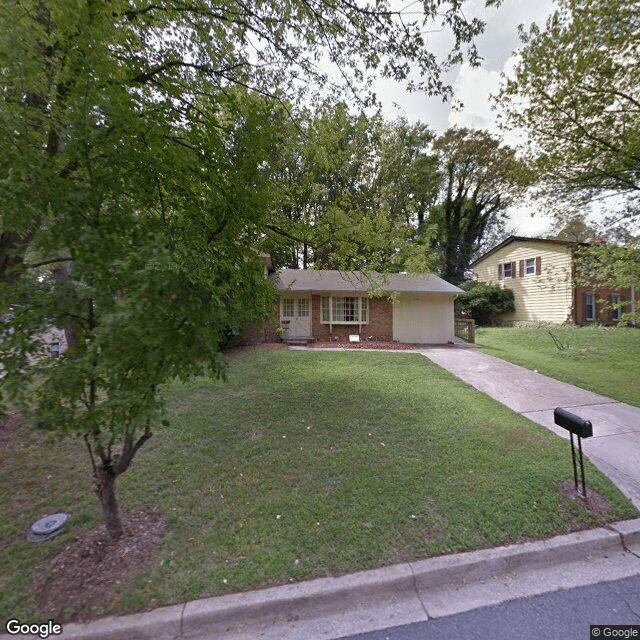
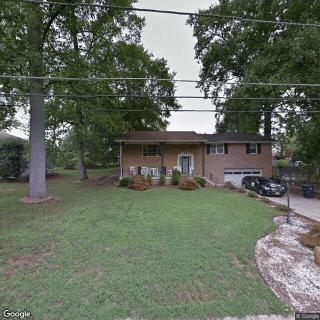
910 Park Terrace, Fort Washington, MD 20744
For more information about senior living options: (866) 208-4318
Eby Assisted Living Costs & Pricing
Eby Assisted Living offers competitive pricing for its residents compared to the broader market in Prince George's County and across Maryland. For those considering a semi-private room, Eby's rate of $2,500 per month stands out significantly against the county average of $3,058 and the state average of $3,545. Similarly, for private accommodations, Eby's monthly charge of $3,500 is more affordable than both the county's rate of $3,792 and Maryland's average of $4,112. These cost advantages make Eby Assisted Living an appealing option for families seeking quality care without the financial strain often associated with long-term care facilities.
| Floor plans | Eby Assisted Living | Prince George's County | Maryland |
|---|---|---|---|
| Semi-Private | $2,500 | $3,058 | $3,545 |
| Private | $3,500 | $3,792 | $4,112 |
Assisted Living communities with a similar price nearby
-
from +$200 / mo
Lifesprings Eldercare II
$2,700 to $3,100 / month8.9 miles away -
About the same
Amazing Grace Senior Care
$2,500 to $3,000 / month17.1 miles away -
from +$100 / mo
My Parent's Place
$2,600 to $3,000 / month13.4 miles away -
from -$400 / mo
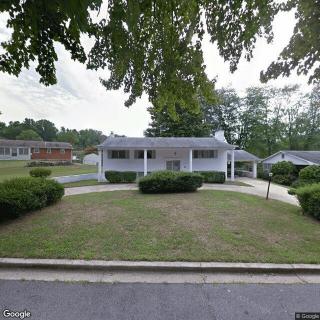
Mamie's Loving Care III
$2,100 to $3,000 / month8.0 miles away -
from +$100 / mo

Rita's Adult Home Care II
$2,600 to $3,000 / month14.7 miles away
Overall Review of Eby Assisted Living
Pros
 Kekeli Assisted Living is a clean and comfortable home.
- Ms. Bertha is kind and treats residents with respect and dignity.
- The Kekeli staff are polite, caring, and hardworking.
- The environment is safe, quiet, and located in a nice residential neighborhood.
- The care managers implement individualized service plans with dedication and professionalism.
- Kekeli Assisted Living feels like home and provides quality care through a strong multidisciplinary team.
Cons
 The facility was dirty and uncomfortable, with clients seated in front of the TV wearing hats, gloves, and coats because there was no heat.
- It smelled like urine, indicating poor hygiene.
- The appearance of the place was not good.
Review
The reviews available describe Kekeli Assisted Living in Fort Washington, MD, a small, owner-involved operation that clearly bets on a warm, home‑like atmosphere and highly personalized care. It is best suited for families who want a non‑institutional feel, where staff relationships feel direct and ongoing, and where routines can be tailored to individual needs. For seniors navigating memory challenges or late‑stage care considerations, the environment promises steady, compassionate attention from a dedicated team in a quiet, residential setting. In short, this is a fit for families who value dignity, familiarity, and a tightly knit caregiving approach over a polished, hospital‑style campus.
Core strengths center on the caregiving relationship and individualized care plans. The reviews highlight an owner who is perceived as professional, kind, and trustworthy, with care managers actively developing and carrying out personalized service plans. A multidisciplinary team, nurses, rehabilitation specialists, and support staff, supports long‑term and short‑term nursing needs, suggesting a level of continuity that can be hard to find in larger facilities. When families want a tightly managed program where a resident’s wants and preferences drive daily life, this model delivers a clear and compelling value.
Yet the experience is not uniformly positive. Several accounts describe cleanliness lapses, a perceptible odor, and even heating problems that left some residents uncomfortable. A number of evaluators questioned the overall appearance and upkeep, raising red flags about basic living conditions. While security measures are noted as a strength, these drawbacks are serious enough to warrant thorough verification during a visit. Prospective residents should probe these areas early and insist on contemporary evidence of consistent cleanliness and climate control before committing.
Despite these concerns, the most compelling attributes can offset the drawbacks when they are effectively addressed. The home‑like ambiance and the safe, quiet neighborhood context underpin a sense of security and comfort that many families seek. The coordinated care model, combining nursing, rehabilitation services, and personalized care plans, supports not only daily living but also rehabilitative progress and memory‑care needs. The possibility of continuing care within the same setting helps reduce disruption during transitions as care intensity changes, a meaningful advantage for families prioritizing stability.
Those who should consider alternatives are families that cannot tolerate recurring cleanliness issues or variable climate control, or who require a more modern aesthetic or a more institutional environment. Price is not the sole driver in these decisions, but several reviewers note that cost aligns with what families already pay, making upkeep quality and reliability the true value tests. For a senior extremely sensitive to odors, heat, or appearance, or for relatives demanding consistently immediate responsiveness, it may be prudent to compare against other communities with stronger track records in maintenance and environmental comfort.
Practical guidance for evaluating Eby Assisted Living or similar options follows a straightforward path. Conduct an in‑person visit at different times of day to assess housekeeping, heating, smell, and resident comfort in real conditions. Question the administrator about the care‑management structure: who is assigned as a primary caregiver, how care plans are updated, and how emergencies are handled. Seek direct feedback from current residents or their families regarding responsiveness and continuity of care, and request written policies on cleaning, maintenance, and dementia care. If possible, arrange a short pilot stay to observe day‑to‑day operations. The aim is a careful apples‑to‑apples comparison that confirms genuine personalized, continuing care without recurring maintenance or comfort compromises.
 8 resident community capacity
 Assisted Living
 Board and Care Home
 Activities off-site
 Bath tubs
 Cable or satellite TV
 Devotional services off-site
 Dining room
 Fully furnished
 Garden
 Housekeeping services
 Indoor common areas
 Move-in coordination
 Outdoor common areas
 Private
 Private bathrooms
 Respite or short term stays offered
 Telephone
 Wheelchair accessible showers
 Wi-Fi/high-speed internet available
 Ronald Reagan Washington National (10 miles away)
 24-hour supervision
 Assistance with bathing
 Assistance with dressing
 Assistance with transfers
 Diabetes diet
 Diabetic care
 High acuity care
 Incontinence care
 Meal preparation and service
 Medication management
 Special dietary restrictions
 Transportation arrangement (medical)
 Transportation to doctors appointments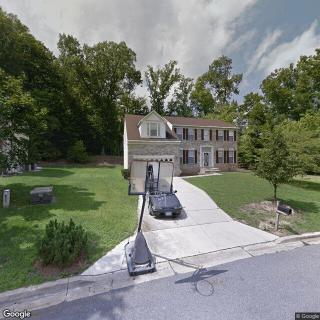
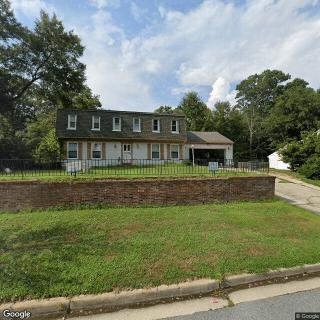



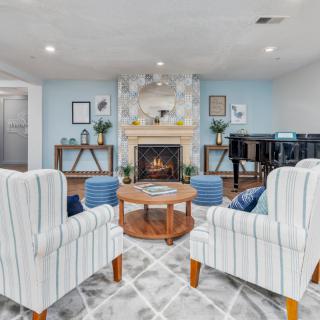
 Understanding the Distinctions: Assisted Living and Memory Care Explained
 Guiding Elderly Parents Who Refuse Assisted Living: 6 Practical Steps
 Your Comprehensive Guide to Luxury Assisted Living: Elevated Facilities, Amenities, and Costs