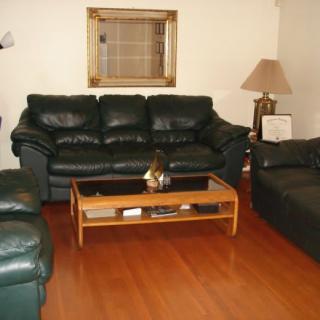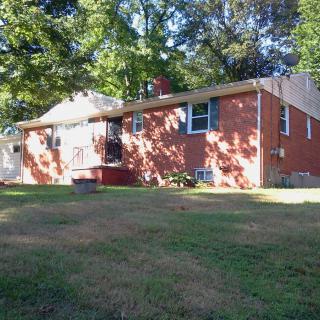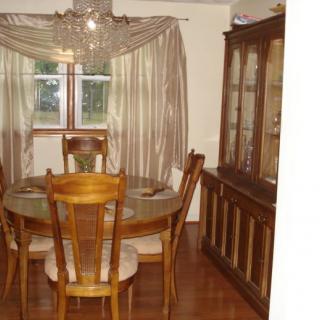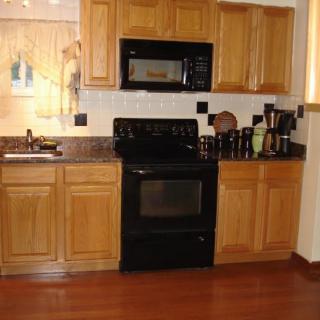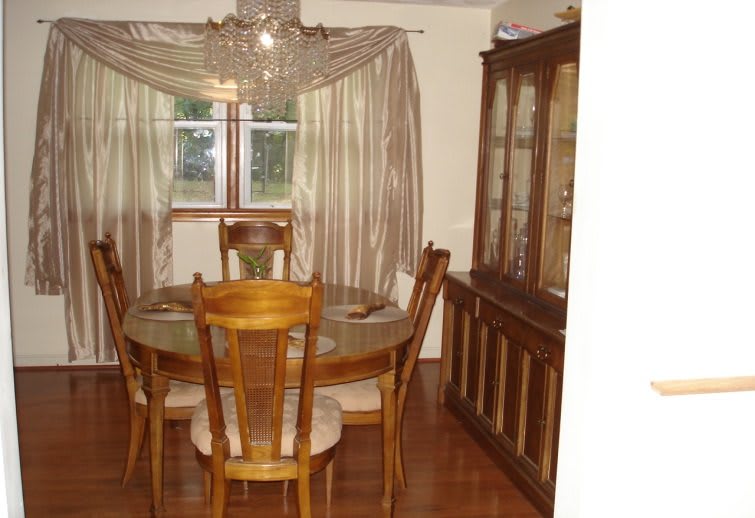
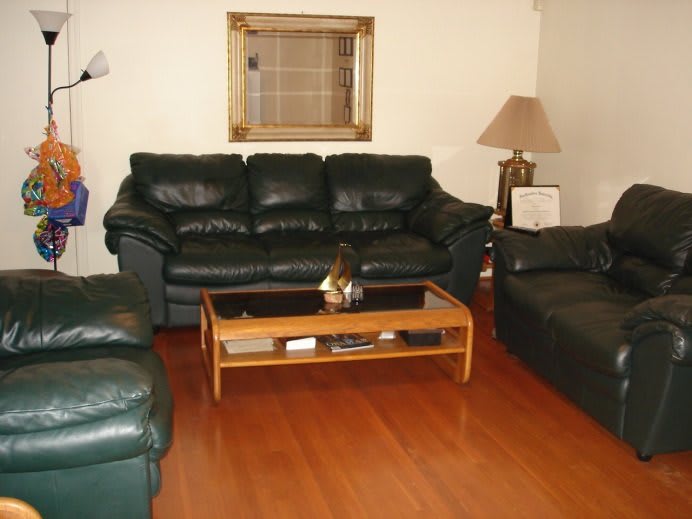
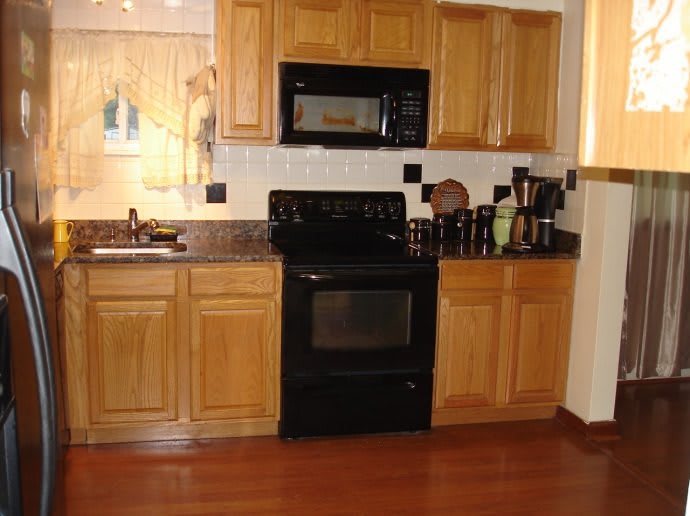
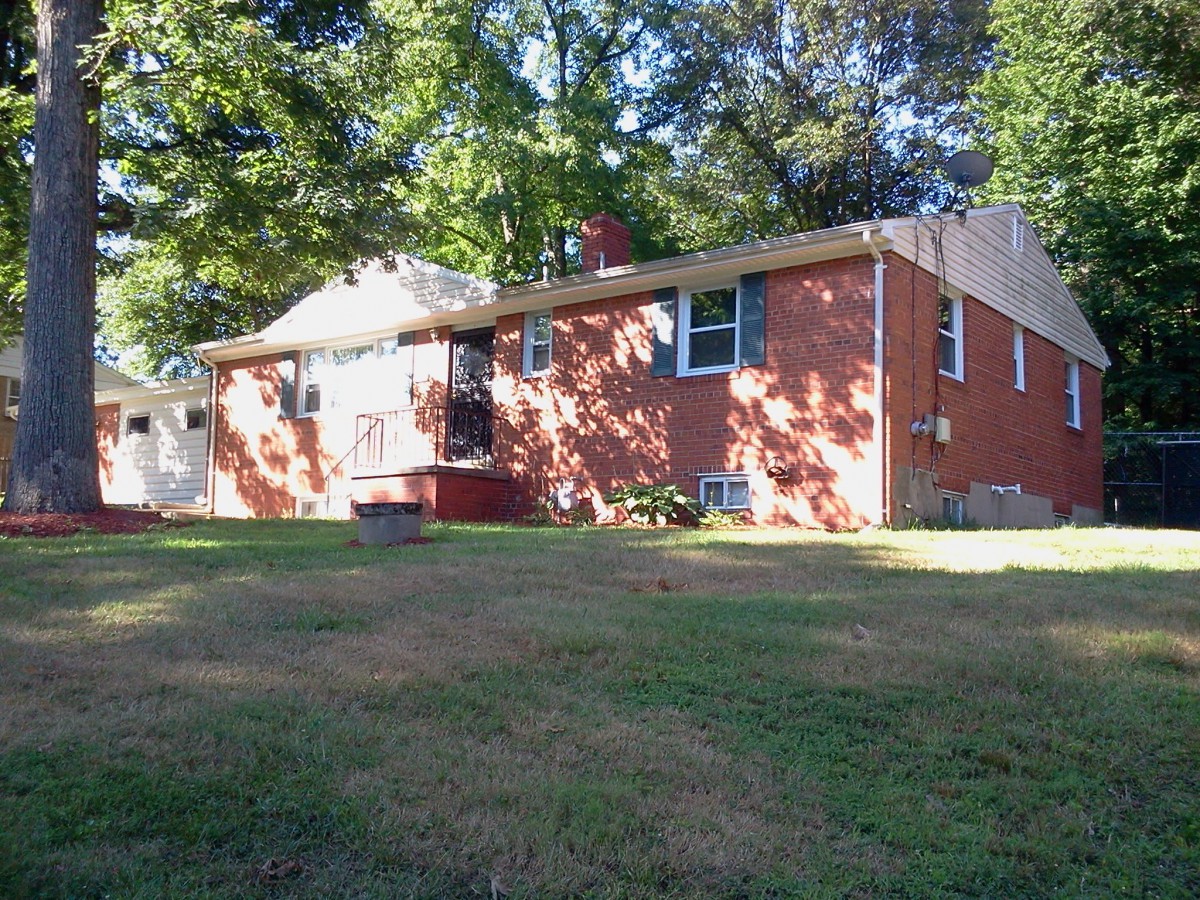

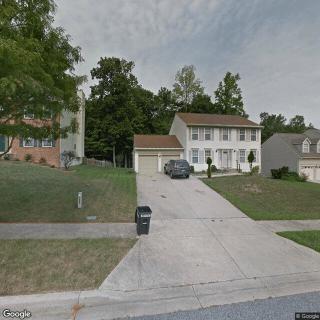
7703 Don Drive, Clinton, MD 20735
For more information about senior living options: (866) 208-4318
High Spirits Home Assisted Living Costs & Pricing
High Spirits Home Assisted Living offers competitive monthly rates for its residents, significantly lower than both the county and state averages. For a semi-private room, the cost is $2,500, which stands in stark contrast to the Prince George's County average of $3,058 and the broader Maryland average of $3,545. In terms of private accommodations, High Spirits charges $3,000 - again more affordable than the county's average of $3,792 and the state's average of $4,112. This pricing structure highlights High Spirits' commitment to providing quality assisted living options that are accessible while offering substantial value compared to other facilities in the area.
| Floor plans | High Spirits Home Assisted Living | Prince George's County | Maryland |
|---|---|---|---|
| Semi-Private | $2,500 | $3,058 | $3,545 |
| Private | $3,000 | $3,792 | $4,112 |
Assisted Living communities with a similar price nearby
-
from +$200 / mo
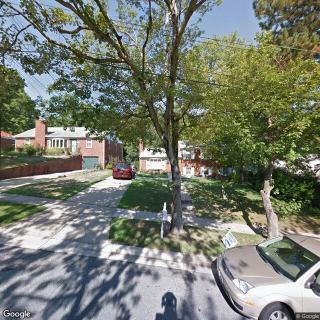
Lifesprings Eldercare II
$2,700 to $3,100 / month3.9 miles away -
About the same

Amazing Grace Senior Care
$2,500 to $3,000 / month10.6 miles away -
from +$100 / mo
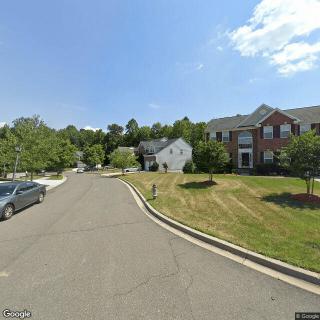
My Parent's Place
$2,600 to $3,000 / month3.9 miles away -
About the same
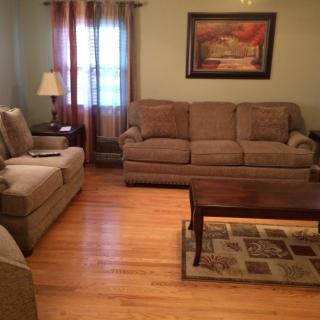
Ovalstone Comfort Home
$2,470 to $3,300 / month15.9 miles away -
from -$400 / mo

Mamie's Loving Care III
$2,100 to $3,000 / month5.0 miles away
Overall Review of High Spirits Home Assisted Living
Pros
 The director is highly liked.
- She seems to love her job and caring for the elderly.
Review
High Spirits Home Assisted Living in Clinton, MD is best suited for families seeking a small, intimate setting where a hands-on director and a devoted staff deliver highly personalized, compassionate care. The qualitative signal from the limited reviews is that residents benefit from visible enthusiasm and commitment at the top, with a leadership style that prioritizes genuine attention to the elderly. This community appeals to families who want a home-like atmosphere, where staff are accessible and care feels tailored rather than routinized. The overall impression from the available feedback is that residents experience warmth, individual attention, and a sense that caregivers genuinely enjoy their roles.
Those who should consider alternatives are families needing a more formal care continuum or more predictable, transparent pricing. The two public reviews show a strong personal impression of leadership but offer little detail about staffing levels, medical supports, or what exactly is included in monthly costs. The absence of published information on rates and a clear description of services means families may face pricing discussions in person without a ready framework. For seniors who require regular on-site medical oversight, skilled nursing, complex therapies, or a wide array of on-site amenities, other communities with established clinical tracks and published pricing may be more appropriate.
The standout pro here is unmistakably the director’s evident passion for the role and for caring for the elderly. When leadership is visibly engaged, it often translates into higher responsiveness, a more flexible day-to-day routine, and a culture where residents are treated as individuals with unique preferences and histories. In a smaller home setting, this can yield meaningful, tangible benefits: quicker problem-solving, more opportunities for personalized activities, and a sense that governance isn’t distant or procedural. That kind of environment can be a significant offset to the lack of breadth in programs that larger communities sometimes claim, especially for residents who thrive on routine built around a respectful, attentive administrator.
The main constraints arise from the limited public information. Without detailed disclosures about staffing ratios, care levels, medication management, and the specifics of what monthly fees cover, families must approach with a structured due diligence plan. The need to schedule a tour and discuss pricing directly signals that costs may be variable or require negotiation. In practice, this means leaning into the tour as a critical decision point: verify who provides care during nights and weekends, confirm what is included in accommodations, and obtain a clear read on what changes if a resident’s care needs escalate. A small setting can be wonderfully intimate, but it can also hinge on a single strong leader and a lean team; confirmation during the tour is essential.
From a decision-making perspective, prospective residents should come prepared with a practical checklist for the visit. Ask about licensure and any regulatory citations, confirm staffing patterns by shift, and request a few concrete examples of daily schedules and activities. Inquire into meal planning, transportation options, and how family members are engaged in care planning. Seek clarity on respite or temporary stays as a test run, and insist on a transparent, written outline of what is included in the stated price and how charges may adjust with changes in care level. Request to speak with current residents or family advocates, if possible, to corroborate the director’s leadership with on-the-ground experiences.
Ultimately, High Spirits Home Assisted Living presents as a strong candidate for seniors who value a warm, caregiver-led environment with immediate, visible leadership and a homey feel. It is a particularly good fit for families prioritizing personal attention, flexibility, and a direct line to management when concerns arise. For anyone requiring more formal medical services, or for those who need crystal-clear pricing and a broader set of on-site programs, it is prudent to compare with other Clinton, MD options that offer enhanced clinical care and transparent fee structures. The decision hinges on balancing the appeal of a compassionate, attentive leadership style against the certainty of comprehensive medical capabilities and explicit budgeting.
 5 resident community capacity
 Assisted Living
 Board and Care Home
 Activities off-site
 Bath tubs
 Cable or satellite TV
 Devotional services off-site
 Dining room
 Fully furnished
 Garden
 Housekeeping services
 Indoor common areas
 Move-in coordination
 Outdoor common areas
 Private
 Private bathrooms
 Respite or short term stays offered
 Telephone
 Wheelchair accessible showers
 Wi-Fi/high-speed internet available
 Ronald Reagan Washington National (11 miles away)
 24-hour supervision
 Assistance with bathing
 Assistance with dressing
 Assistance with transfers
 Diabetes diet
 Diabetic care
 High acuity care
 Incontinence care
 Meal preparation and service
 Medication management
 Special dietary restrictions
 Transportation arrangement (medical)
 Transportation to doctors appointments


 Comprehensive Insights into Activities of Daily Living (ADLs) and Their Assessment
 Medicare Coverage for Assisted Living: An In-Depth Exploration
 Choosing the Right Senior Care: A Detailed Exploration of Assisted Living and Nursing Homes