
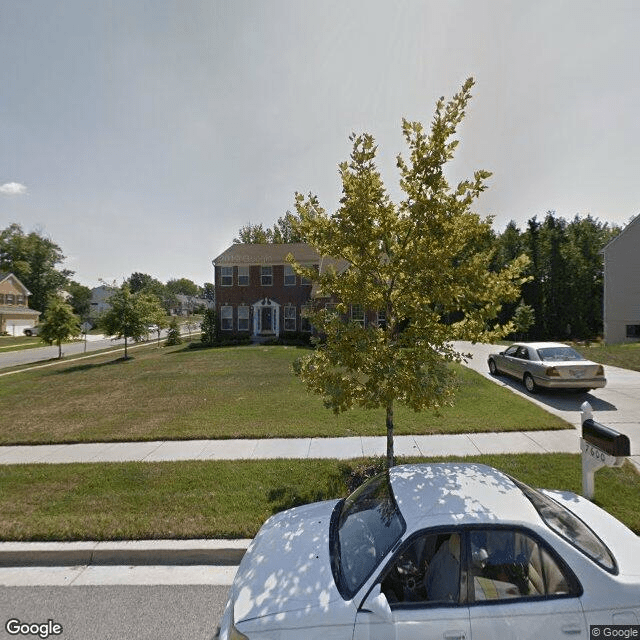
7600 Woodyard Farm Rd, Upper Marlboro, MD 20772
To contact a resident: (240) 468-8663
For more information about senior living options: (866) 208-4318
Overall Review of Golden Manor Residential Services
Pros
 Obed was very helpful and explained everything clearly.
- Obed showed software that allowed viewing health records, requesting visits, and checking status updates.
- Everything seemed to be great.
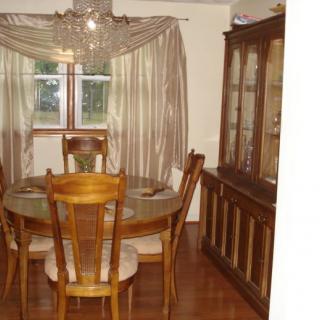
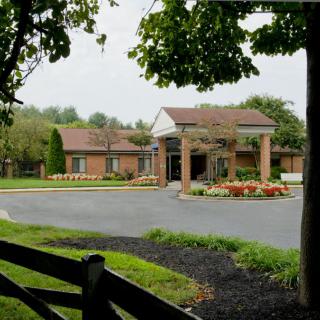
- The home was well taken care of.
- The hospice care facility was the best place for him.
Cons
 Golden Manor could not provide 24-hour care for the uncle, as confirmed by the hospice nurse.
 - A staff member admitted she was not able to provide 24-hour care.
- Obed suggested the uncle remain at Golden Manor and would arrange additional help at an extra cost.
- The uncle stayed at Golden Manor for only two hours before hospice care was deemed necessary, and he passed away soon after.
- After the uncle’s passing, Obed did not return calls or follow through with messages.
- Golden Manor did not refund the security deposit and had not responded for two months, prompting the family to seek legal counsel.
Review
Golden Manor Residential Services in Upper Marlboro is best suited for seniors who are relatively stable and need limited day-to-day supervision, not for residents who require 24/7 medical oversight. The facility presents as a well-kept, home-like setting with an engaging initial contact, which can be reassuring at the planning stage. However, for dementia care or conditions demanding constant monitoring, this community is not the right choice. Alternatives should be considered for anyone who needs continuous on-site nursing or rapid, around-the-clock support. Families evaluating options should demand a facility with proven 24/7 capacity and a clear transition plan if health deteriorates.
In this case, a family sought to place an uncle with dementia after a rehab stay. The early interaction was promising: Obed explained services clearly and demonstrated software for visits, health records, and status updates. The home appeared clean and well cared for. A small hold was paid, followed by a larger security deposit and first month’s rent in anticipation of the transfer. When the uncle’s condition worsened and hospice care was needed, staff admitted that 24-hour care could not be provided, despite earlier assurances. Obed suggested arranging help at an additional cost, which hospice did not accept. The patient arrived for a brief stay and passed within days. The sequence exposed a fundamental misalignment between promises and capabilities.
The initial positives did not survive the crisis. The ability to view health updates and the sense of a tidy, attentive home mattered, but those benefits evaporated as the care gap became decisive. There was no reliable plan to honor a high-acuity transition, and the willingness to add cost did not translate into accountability or timely execution. In practical terms, the strong impression of responsiveness was undone by the facility’s inability to meet critical needs. The result is a footing built on appearances rather than dependable care capacity.
Financial handling stands out as a red flag. A $1,000 hold preceded a $5,000 security deposit and first month’s rent, with expectations of a smooth move that never materialized. After the death, communication collapsed: calls and messages went unanswered for months, and there was no timely update on refunds or the return of personal belongings. Even basic closure, returning equipment and telling families what happened, was mishandled. This pattern signals either mismanagement or weak administrative discipline at a time when families deserve clear, respectful treatment and prompt financial resolution.
Families evaluating options should insist on concrete assurances before any commitment. Can the facility provide 24/7 on-site care or a rapid transfer plan to a licensed provider? What is the exact admissions process if a resident’s condition changes, and who bears the added costs? How are hospice transitions handled, and what are realistic timelines? What is the deposits policy, and when are refunds issued, with receipts? How promptly does staff respond after a resident leaves or passes away? These questions turn care quality into measurable safeguards rather than hopeful assurances.
Bottom line: this community is not a reliable match for dementia care or residents needing continuous supervision. The combination of a fragile care plan, poor post-admission communication, and opaque financial handling requires exploring alternatives with proven 24/7 coverage and transparent, timely financial policies. Seek facilities with documented staffing levels, clear transition protocols, and a track record of dependable closures. Until those assurances exist, proceed with caution, demand written agreements, and prioritize ongoing care continuity over favorable first impressions.
 Ronald Reagan Washington National (12 miles away)


 Skilled Nursing Facilities vs. Nursing Homes: Making Sense of the Differences
 A Detailed Examination of Nursing Home Costs Across the U.S.
 Exploring Nonmedical Home Care: Understanding Services, Costs, and Financial Approaches