
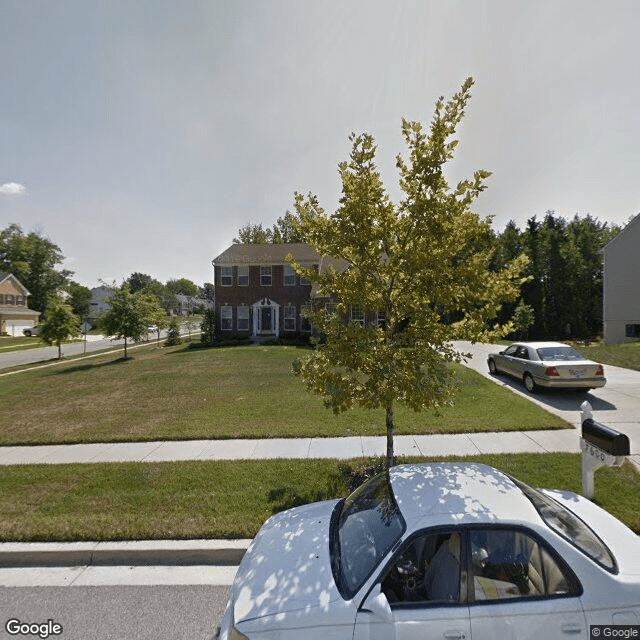
7600 Woodyard Farm Road, Upper Marlboro, MD 20772
For more information about senior living options: (866) 208-4318
Golden Manor Costs & Pricing
The costs for residing at Golden Manor reflect a competitive pricing structure within both Prince George's County and the wider Maryland area. For those opting for a semi-private room, Golden Manor charges $3,000 per month, positioning it slightly below the county average of $3,058 and significantly lower than the state average of $3,545. In terms of private accommodations, residents can expect to pay $3,500 per month at Golden Manor, which again offers a more economical choice compared to the county's average of $3,792 and the statewide figure of $4,112. This makes Golden Manor an attractive option for individuals seeking quality care without compromising their budget in a region where costs can vary dramatically.
| Floor plans | Golden Manor | Prince George's County | Maryland |
|---|---|---|---|
| Semi-Private | $3,000 | $3,058 | $3,545 |
| Private | $3,500 | $3,792 | $4,112 |
Assisted Living communities with a similar price nearby
-
from -$300 / mo
Lifesprings Eldercare II
$2,700 to $3,100 / month4.5 miles away -
from -$500 / mo

Amazing Grace Senior Care
$2,500 to $3,000 / month10.7 miles away -
from +$500 / mo
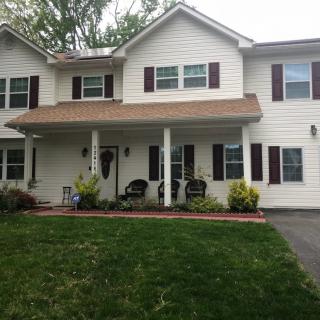
Unique Care Assisted Living
$3,500 to $4,000 / month13.8 miles away -
from -$400 / mo

My Parent's Place
$2,600 to $3,000 / month3.3 miles away -
from -$530 / mo
Ovalstone Comfort Home
$2,470 to $3,300 / month15.5 miles away
Overall Review of Golden Manor
Pros
 Obed is helpful and explains things clearly.
- The staff are friendly and caring.
- The environment feels like home.
- The facility is clean and well kept.
- The residents are happy and well taken care of.
- The rooms allow residents to personalize them.
- The management goes above and beyond to help residents and employees.
- The location is wonderful.
Cons
 The reviewer cautions that Golden Manor should not be chosen for a family member.
- The facility could not provide 24-hour care, and hospice could not leave the patient there.
- Obed suggested the uncle remain there and would arrange help at an additional cost.
- After the uncle’s passing, Obed was unreachable and did not return calls.
- There was no return of the security deposit and no timely follow-up contact.
- It has been two months with no response from Golden Manor.
- The reviewer has had to seek legal counsel to recover the money paid.
Review
Golden Manor in Upper Marlboro is best suited for families seeking a small, home-like assisted living experience where personalization and hands-on, on-site oversight shape daily life. This community earns trust from families who value a warm atmosphere, a clean, well-kept environment, and the ability to see and influence care through a nearby, engaged management team. Residents who respond well to a house-style setting, where rooms can be personalized and staff are consistently described as friendly and caring, will usually settle in comfortably. The combination of a close-knit feel, proximity for frequent visits, and a sense that “home” comes first makes it a solid pick for many short- to mid-term arrangements.
Careful consideration should be given to those who may want alternatives. The most important caveat concerns residents with substantial medical or dementia-specific needs requiring 24/7 in-house nursing or highly structured programming. Golden Manor relies on external hospice care when needed and cannot guarantee around-the-clock in-house coverage, which can be a deal-breaker for families facing intensive medical supervision. The compact, house-like footprint also means limited common areas and a lean activity calendar, which may frustrate those who want a bustling social scene or a wider range of daily events. Finally, consider the financial aspect: a sizeable upfront security deposit paired with rent can be a surprise, and when communication falters, refund or billing misunderstandings compound the stress of a transition.
On balance, the community’s strengths mitigate many of its drawbacks. The cleanliness and home-like ambiance, paired with staff that families consistently describe as caring and accessible, create a reassuring day-to-day reality. Personalization of rooms is a tangible perk that supports comfort and dignity, while the owner-operated, on-ground leadership tends to translate into responsive problem-solving and a sense that management is present where care happens. Several reviews highlight a stable, professional staff and a feeling of safety and warmth, qualities that matter deeply when a loved one is adjusting to a new environment. For families seeking respite care or close oversight, these attributes can outweigh the downsides when the resident’s needs align with a smaller, more intimate setting.
That said, the reality of the cons requires disciplined decision-making. The most salient red flag is the financial and administrative friction described in a one-star review: large deposits, delayed refunds, and inconsistent follow-through when arrangements change. Families should demand a crystal-clear, written policy on hold fees, security deposits, refunds, and how notices are handled, preferably with a dedicated contact who answers promptly. Equally important is confirming the level of medical support available in-house versus through outside providers, and whether 24-hour coverage can be arranged if a resident’s condition changes. For activity-minded seniors, the limited common areas and less robust programming should be weighed against the potential for meaningful, intimate interactions in a smaller setting.
In practice, Golden Manor functions best as a practical fit for seniors who prize a homey atmosphere, near-by family involvement, and strong everyday caregiving relationships, with the understanding that medical complexity or dementia-specific needs may warrant alternatives. Prospective families should verify the exact scope of services, particularly around medical oversight, emergency protocols, and hospice compatibility, while getting a transparent view of costs beyond the base rate. Tours should be supplemented by a direct conversation with the owner or manager about crisis scenarios, staffing coverage, and the plan for maintaining communication during transitions. If these align with expectations, Golden Manor can be a reliable, comforting home that emphasizes dignity, proximity, and personal connection.
Bottom line: Golden Manor is a solid choice for families seeking a smaller, personalized setting where care feels intimate, staff are accessible, and daily life resembles a caring home more than a large campus. It works well for respite or short- to mid-term stays and for residents who don’t require constant, high-level medical oversight. Those with dementia, extensive 24/7 needs, or a preference for robust daily programming and large social offerings should cautiously compare alternatives that deliver stronger in-house medical coverage and more expansive activity calendars. Before deciding, secure a clear agreement on deposits, refunds, and service levels, and insist on a direct line of communication to avoid the pitfalls reflected in the adverse review.
 5 resident community capacity
 Assisted Living
 Board and Care Home
 Activities off-site
 Bath tubs
 Cable or satellite TV
 Devotional services off-site
 Dining room
 Fully furnished
 Garden
 Housekeeping services
 Indoor common areas
 Move-in coordination
 Outdoor common areas
 Private
 Private bathrooms
 Respite or short term stays offered
 Telephone
 Wheelchair accessible showers
 Wi-Fi/high-speed internet available
 Ronald Reagan Washington National (12 miles away)
 24-hour supervision
 Ambulatory care
 Assistance with bathing
 Assistance with dressing
 Assistance with transfers
 Diabetes diet
 Diabetic care
 High acuity care
 Incontinence care
 Meal preparation and service
 Medication management
 Special dietary restrictions
 Transportation arrangement (medical)
 Transportation to doctors appointments
 Adventist services
 Buddhist services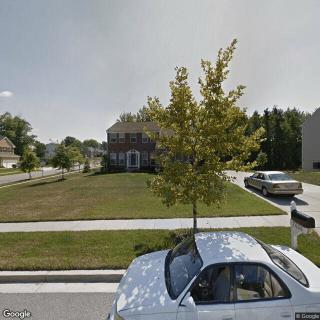



 Is Assisted Living Deductible on Your Taxes? Understanding the Complexities of Assisted Living Expenses and Deductions
 Assisted Living Support for Veterans: A Complete and Detailed Overview
 Exploring the Contrasts Between Assisted Living and Skilled Nursing