

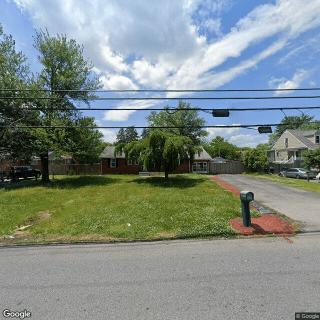
8106 Highland Meadows Drive, Clinton, MD 20735
For more information about senior living options: (866) 208-4318
Hannah's Heart Costs & Pricing
Hannah's Heart offers competitive pricing for its accommodations in comparison to Prince George's County and the broader state of Maryland. For a semi-private room, residents pay $3,500 per month, which is slightly above the county average of $3,058 but remains lower than the state's average of $3,545. In terms of private rooms, Hannah's Heart charges $3,750 monthly; this is more affordable than the state average of $4,112 yet slightly below the county rate of $3,792. Overall, while Hannah's Heart may be positioned higher in some categories compared to county averages, it still provides value within the context of statewide costs.
| Floor plans | Hannah's Heart | Prince George's County | Maryland |
|---|---|---|---|
| Semi-Private | $3,500 | $3,058 | $3,545 |
| Private | $3,750 | $3,792 | $4,112 |
Assisted Living communities with a similar price nearby
-
from +$500 / mo
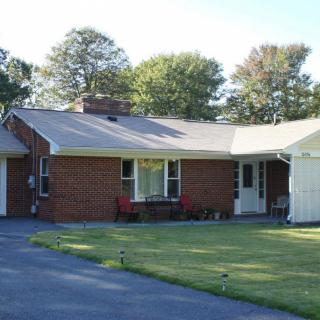
Montgomery Eldercare I
$4,000 to $5,900 / month23.3 miles away -
from +$300 / mo

Montgomery Eldercare II
$3,800 to $5,000 / month21.9 miles away -
from +$300 / mo
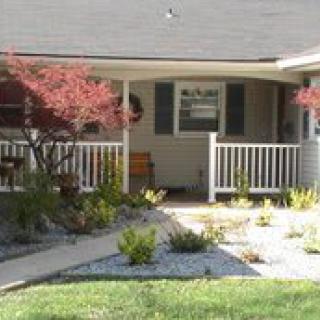
A C E
$3,800 / month16.2 miles away -
About the same
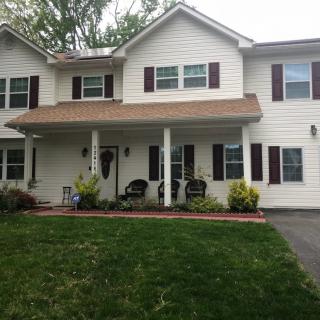
Unique Care Assisted Living
$3,500 to $4,000 / month15.1 miles away -
from +$300 / mo
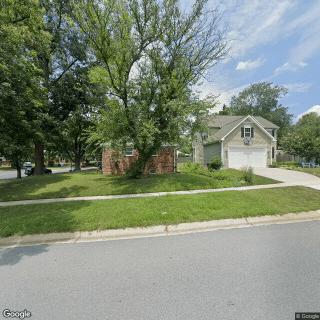
Good Samaritan I
$3,800 to $4,500 / month18.9 miles away
Overall Review of Hannah's Heart
Pros
 The staff and owner are described as loving, creating a warm and caring environment during respite care.
- The facility is praised as beautiful, with commendation for the owner and staff, and there is a willingness to use their services again.
- Families appreciate the contact services provided by A Place For Mom in their search for an appropriate resident, noting that the chosen facility meets their mom’s needs.
- The staff are described as qualified, friendly, helpful, caring, and loving toward patients, with satisfactory responses to questions.
- The caregiver/manager’s presentation is well received, the facility is neat and clean, and informative materials are provided.
Review
Hannah's Heart in Clinton, Maryland, is best suited for families that prize warmth, personal attention, and a home-like atmosphere in a care setting. It works especially well for seniors who respond to a small, hands-on team rather than a sprawling campus with a rigid schedule. The reviews describe a culture where owners and frontline staff are genuinely present and attentive, creating a daily environment that feels less like a facility and more like a trusted neighborhood home. Notably, the option of respite care is a strong indicator of what this community delivers: compassionate support for a loved one during a temporary transition, with staff who step in to ease a family’s burden. In short, if emotional reassurance and steady, kind caregiving top your list, this is the place to consider.
However, this community may not check every box for every situation. Families needing robust medical oversight around the clock or a broad, intensive memory-care program may want to look elsewhere. Larger campuses with full-time on-site physicians, more extensive therapeutic programming, and more transportation and activity options often suit residents with complex needs or those who want a wide range of daily engagements. Because the experiences cited come from a small sample, there is a risk that long-term consistency or availability of advanced services could vary. If the priority is a highly structured environment with strong clinical resources, it is prudent to compare with other communities that explicitly advertise those capabilities.
Staff warmth, owner involvement, and a tidy, well-kept setting are the core strengths here. Families repeatedly note that caregivers are loving, friendly, and responsive, and that the owner is engaged with daily operations. Those positives translate into tangible benefits: residents who feel seen, families who feel heard, and a daily routine that runs smoothly. The main trade-off is the limited breadth of documented services and the small number of reviews, which makes it harder to gauge consistency over time. Yet because the culture centers on respectful, compassionate care in a clean environment, the strongest cons are mitigated for many potential residents who place a premium on dignity, personal connection, and clear lines of communication.
The most telling thread is the respite-care experience. A family entrusted a loved one for five days during a funeral period and found the staff, from the owner to the caregivers, loving and attentive. The testimonial captures what the community appears to do best: it provides steady hands during a stressful moment, with caregivers who anticipate needs and offer reassurance. For families navigating transitions, temporary or otherwise, this kind of support reduces anxiety and preserves the sense of safety for the resident. While one or two longer-term considerations remain unproven in the current data set, the respite story confirms a core capability: reliable, compassionate presence when it matters most.
Beyond care warmth, the physical environment and the presentation matter. Reports of a neat, clean facility paired with a caregiver/manager who presents information clearly signal a disciplined operation. A well-organized intake process and accessible staff are practical assets for families trying to manage transitions. Prospective residents should still verify day-to-day realities: staff-to-resident ratios, shift coverage, and the existence of updated care plans, as well as licensing status and any recent regulatory notes. A tour supplemented with conversations with direct caregivers and the administrator will reveal whether the routine supports targeted needs, whether the ambiance truly matches the family’s expectations, and whether the care philosophy aligns with individual resident goals.
Hannah's Heart represents a solid, compassionate option for families seeking a small, person-focused setting where care comes with warmth and attentiveness, particularly for short-term stays or respite. The positives, caring staff, visible owner involvement, and a clean, well-run environment, create strong emotional assurance and practical daily reliability that can offset uncertainties tied to a small data sample. For households with more intensive medical or cognitive-care requirements, or those seeking a richer calendar of activities and services, alternatives are worth exploring. The prudent path is to schedule a visit, request a tour, meet the leadership and care team, review recent licensing records, and consider a short trial stay if available to confirm that the fit is right.
 5 resident community capacity
 Assisted Living
 Board and Care Home
 Activities off-site
 Bath tubs
 Cable or satellite TV
 Devotional services off-site
 Dining room
 Fully furnished
 Garden
 Housekeeping services
 Indoor common areas
 Move-in coordination
 Outdoor common areas
 Private
 Telephone
 Wi-Fi/high-speed internet available
 Ronald Reagan Washington National (10 miles away)
 24-hour supervision
 Ambulatory care
 Assistance with bathing
 Assistance with dressing
 Assistance with transfers
 Diabetes diet
 Diabetic care
 High acuity care
 Incontinence care
 Meal preparation and service
 Medication management
 Special dietary restrictions
 Transportation arrangement (medical)
 Transportation to doctors appointments
 Christian services




 Exploring the Contrasts Between Assisted Living and Skilled Nursing
 8 Key Indicators That Suggest It May Be Time to Transition from Assisted Living to Skilled Nursing Care
 Vibrant Senior Living: A Comprehensive Guide for Active Older Adults