20811 New Hampshire Avenue, Brookville, MD 20833
For more information about senior living options: (866) 208-4318
Overall Review of My Little Paradise at New Life Assisted Living Montgomery County
Pros
 They found a loving, caring home for mom as she aged.
- The Christian-owned assisted living home cared so well for mom.
- Jess was mom's angel who shared love as if she were family.
- They were grateful for the care and love shown to mom till the end.
- The staff were good to work with and seemed capable of managing their residents.
- The staff take pride in residents' personal needs as well as their overall well-being.
Cons
 It smells like urine.
Review
My Little Paradise at New Life Assisted Living in Brookville is best suited for families seeking a small, faith-forward, home-like environment where seniors receive deeply personal attention and caregivers treat residents as family. The community suits older adults who value a Christian ownership and a warm, intimate setting over the polish of a large campus, with caregivers who know residents’ names, routines, and preferences. It is a fit for families willing to prioritize close, relationship-driven care and spiritual continuity over expansive activities or institutional scale.
Those weighing alternatives should consider whether a larger, more medically oriented setting would better match needs. If a senior requires robust nursing oversight, frequent medical coordination, or secular programming in a more expansive environment, a larger facility with formal trauma- and infection-control protocols may be preferable. For residents who thrive on variety, calendar-driven programming, or advanced memory-care capabilities, the smaller footprint here could feel limiting. Cleanliness standards and odor control also become a decisive factor for families who insist on consistently fresh, institutional-grade hygiene.
On the upside, the community earns credibility from clearly compassionate staff dynamics. Reviews consistently describe staff who are approachable, seem capable of addressing daily needs, and take pride in residents’ personal well-being. The Christian ownership is framed as a source of genuine warmth, and one caregiver is singled out as a near-angelic presence who stands out for offering love and belonging. That level of personal connection can translate into meaningful daily moments, predictable routines, and a comforting sense of being known, elements that matter deeply to families prioritizing emotional and spiritual well-being in a smaller, more intimate setting.
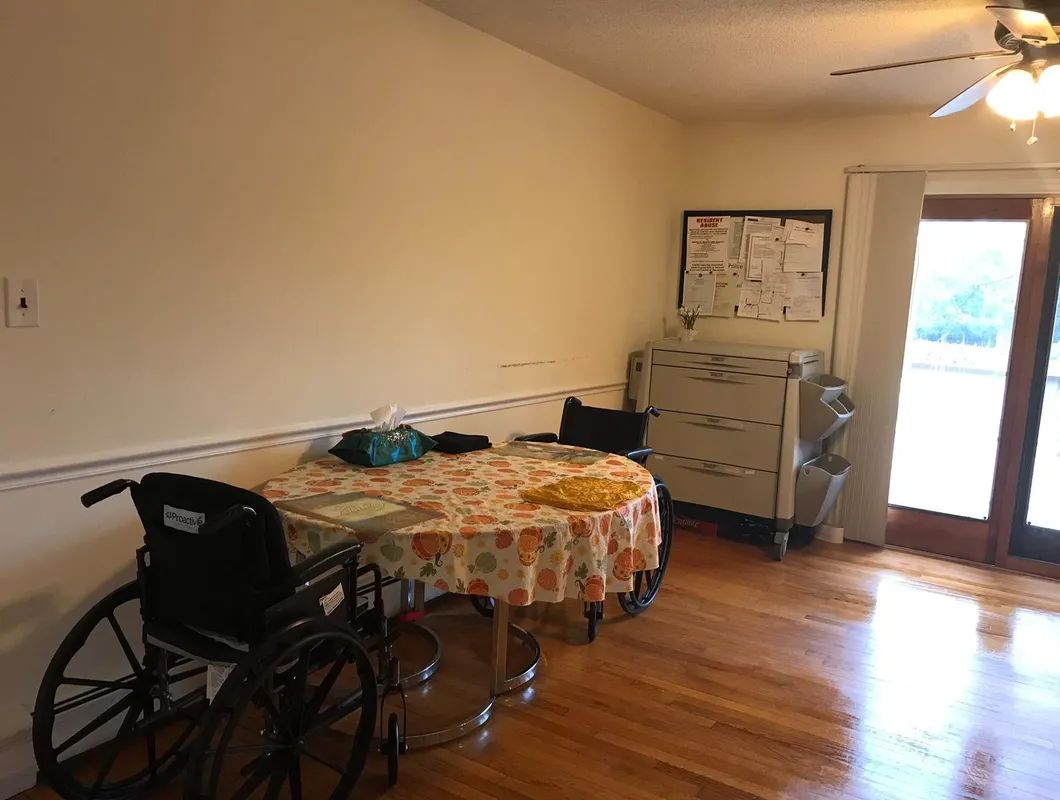
The most conspicuous drawback arises from a report of a persistent urine odor. That single, blunt observation signals potential hygiene or housekeeping gaps that can undermine comfort and raise concerns about odor control and infection prevention. In a setting where residents may have incontinence or mobility challenges, odor management and consistent cleanliness are non-negotiables. While not every reviewer notes this issue, its prominence in at least one account cannot be dismissed and warrants careful scrutiny during a visit.
These factors interact in practical ways. For families prioritizing a close-knit, faith-aligned environment with highly attentive staff, the positive elements, personalized care, staff pride in residents’ welfare, and a warm, family-like atmosphere, can outweigh other considerations, especially when health needs are modest. Yet the odor report remains a meaningful red flag for anyone whose priority is pristine cleanliness and rigorous hygiene standards; for residents with higher medical complexity or heightened sensitivity to smells, this could tip the balance toward exploring alternatives. The risk is not that the staff are uncaring, but that the facility may struggle to meet stringent cleanliness expectations alongside its intimate, home-like model.
For families making a decision, a deliberate site visit is essential. Observe how housekeeping is handled on a typical day, ask about cleaning and odor-control protocols, and request specifics on staff-to-resident ratios and 24/7 nursing availability. Engage with administrators about how concerns are tracked and addressed, and tour a resident room in person to assess odor, cleanliness, and overall atmosphere. If the tour confirms consistent cleanliness, transparent care practices, and satisfied residents within a faith-centered, small-community vibe, this facility can be a strong match. If not, or if hygiene concerns persist, it will be prudent to compare nearby options that prioritize stronger odor-control measures and more robust medical oversight while still offering a warm, person-centered culture.
 15 resident community capacity
 Assisted Living
 Board and Care Home
 Cable or satellite TV
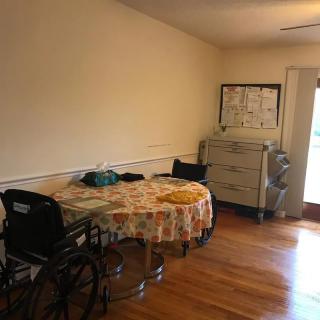
 Dining room
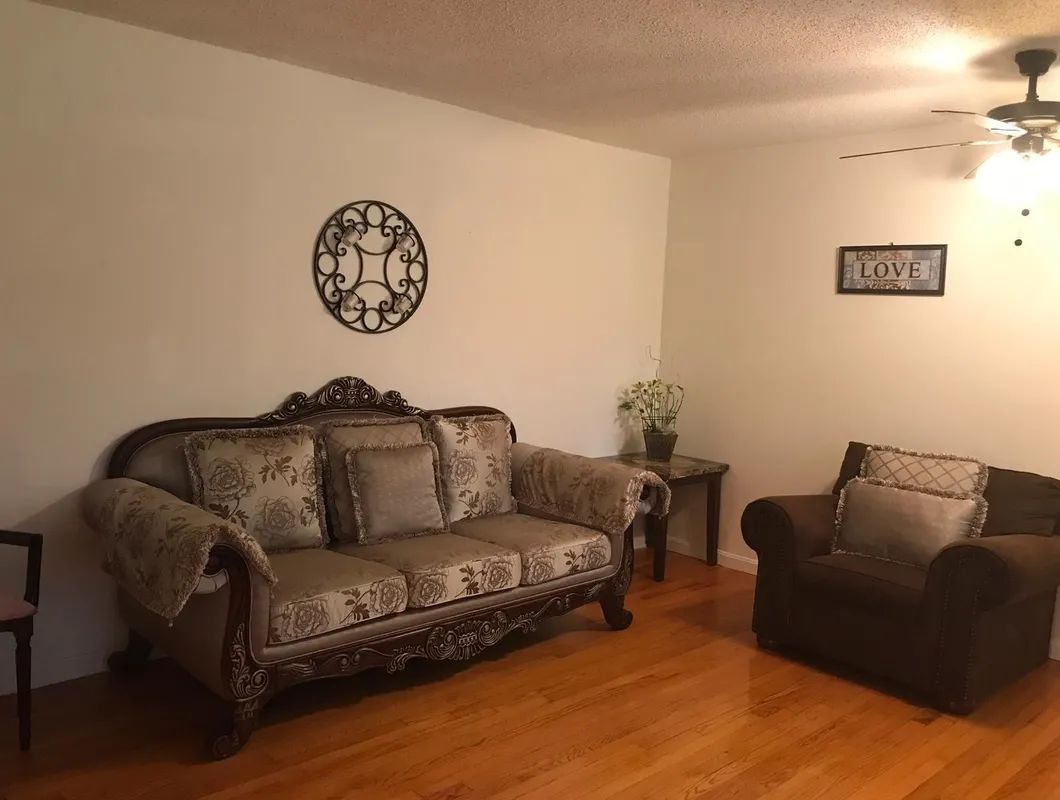
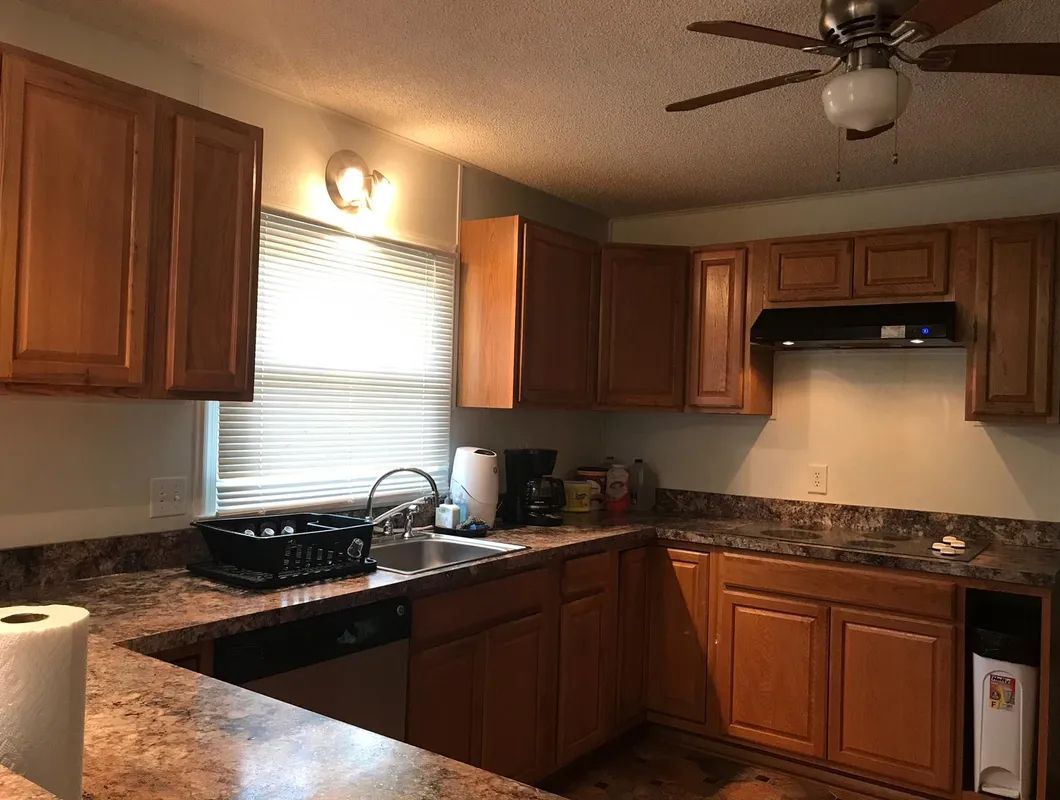
 Fully furnished
 Garden
 Housekeeping services
 Move-in coordination
 Outdoor space
 Telephone
 Wi-Fi/high-speed internet available
 Baltimore-Washington International (19 miles away)
 24-hour supervision
 Activities of daily living assistance
 Assistance with bathing
 Assistance with dressing
 Assistance with transfers
 Diabetes diet
 Meal preparation and service
 Medication management
 Special dietary restrictions
 Transportation arrangement (medical)
 Transportation to doctors appointments








 Comprehensive Supportive Living Arrangements for Adults with Disabilities
 Funding and Affording Assisted Living: A Thorough Overview
 Assisted Living Expenses and Long-Term Care Insurance: A Comprehensive Exploration