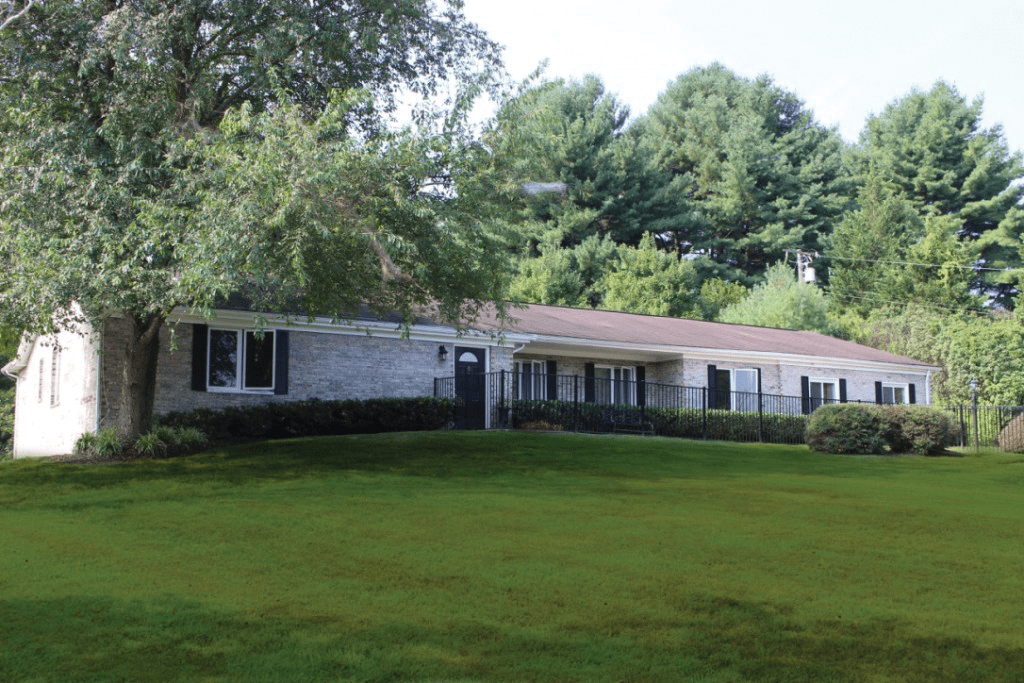
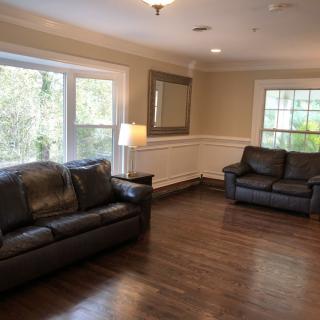
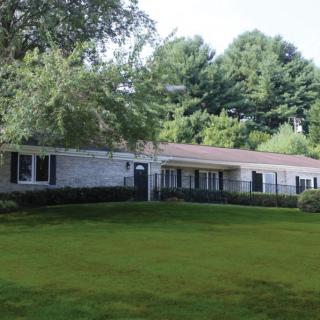
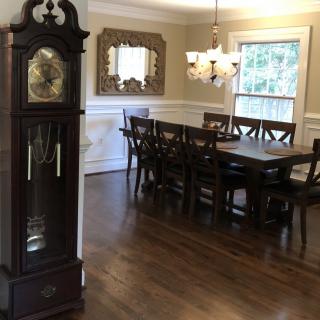
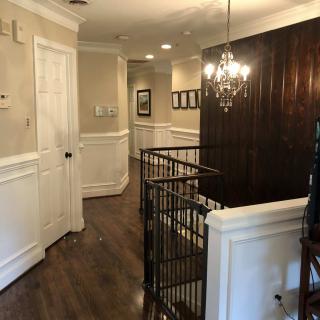
14269 Triadelphia Mill Road, Dayton, MD 21036
For more information about senior living options: (866) 208-4318
Glen Hill Costs & Pricing
At Glen Hill, the monthly cost for a semi-private room is $5,500, which significantly exceeds both the average costs in Howard County ($3,865) and throughout Maryland ($3,545). This pricing suggests a premium service offering at Glen Hill, potentially reflecting enhanced amenities, specialized care programs, or a higher staff-to-resident ratio. While it may be more costly than typical options in the area and state, prospective residents and their families should consider the value of quality services and personalized care that often accompany such higher price points.
| Floor plans | Glen Hill | Howard County | Maryland |
|---|---|---|---|
| Semi-Private | $5,500 | $3,865 | $3,545 |
Memory care communities with a similar price nearby
-
from -$550 / mo
Avalon House on Laburnum Street
$4,950 / month21.5 miles away -
from -$1000 / mo
Olney Memory Care
$4,500 / month7.1 miles away -
from -$300 / mo
Avalon House On Laburnum Street
$5,200 / month21.5 miles away -
from -$500 / mo
Necitas
$5,000 to $5,500 / month9.9 miles away -
About the same
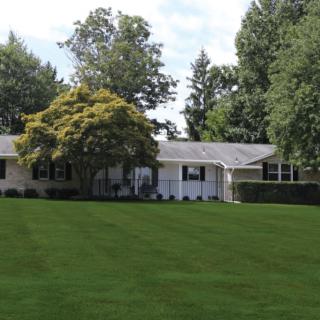
Autumn Hill
$5,500 / month6.5 miles away
Overall Review of Glen Hill
Pros
 The staff at Glen Hill treat residents like family and warmly welcome visitors.
- Glen Hill is a top-quality assisted living home with a remarkable, professional team.
- The facility is clean, welcoming, and provides excellent care.
- John and Victoria run a facility that prioritizes safety, trust, and attentive support.
- Glen Hill's staff are caring, compassionate, and professional, consistently treating residents as family.
- The setting feels more like a home than a facility, with caregivers who know residents well.
- Glen Hill offers 24-hour, attentive care and earns the trust of families.
- Hospice care is available at Glen Hill, keeping residents comfortable in their final days.
Review
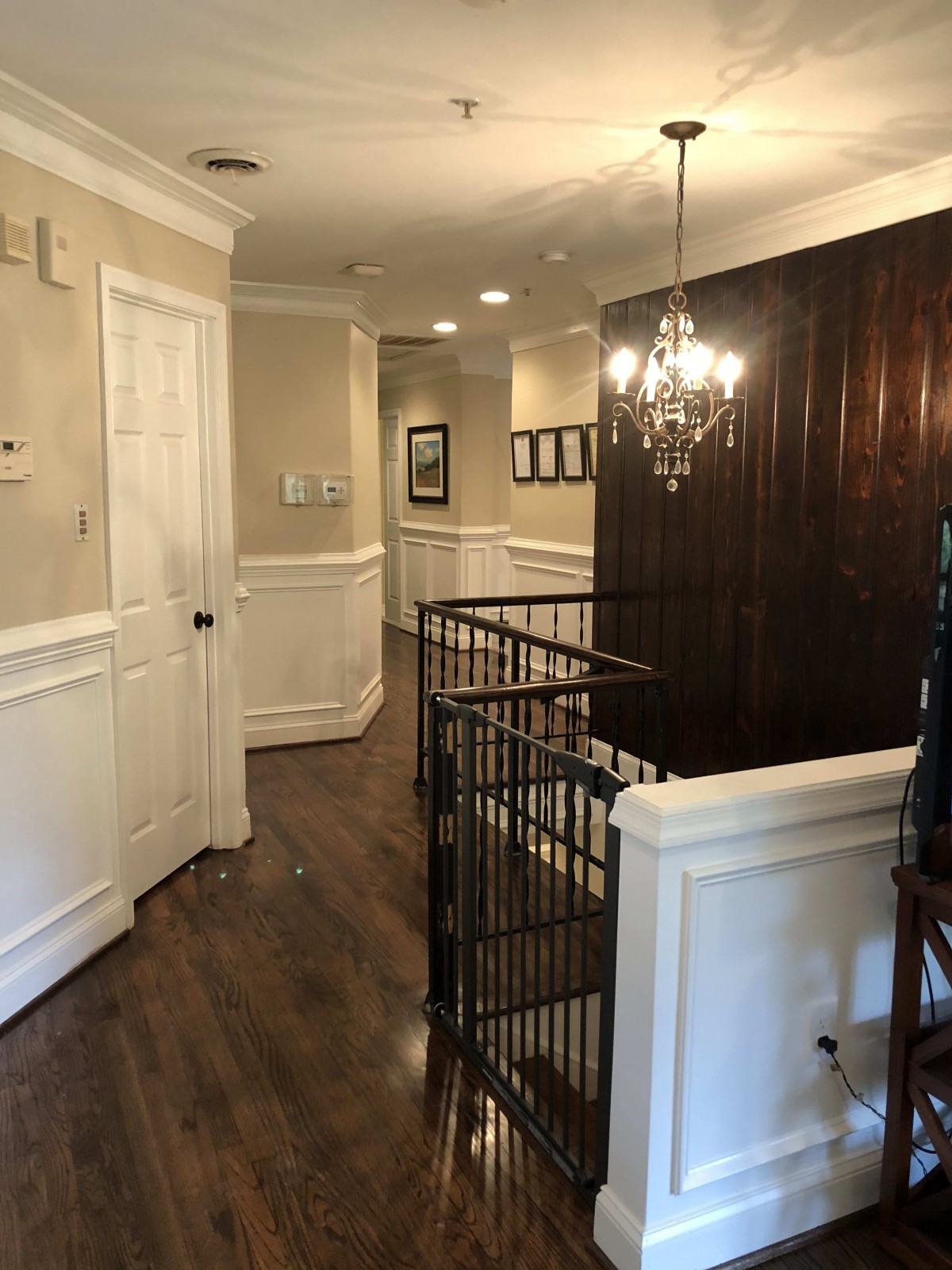
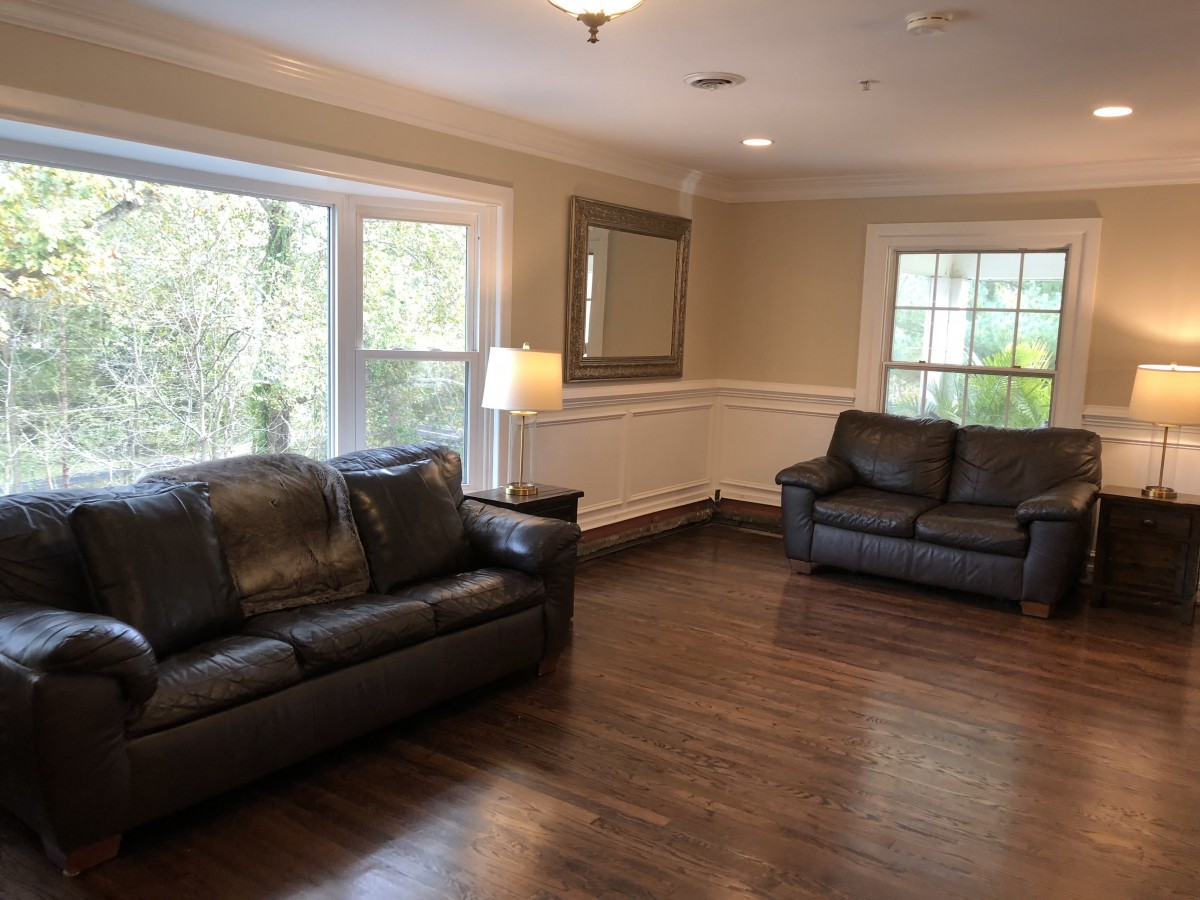
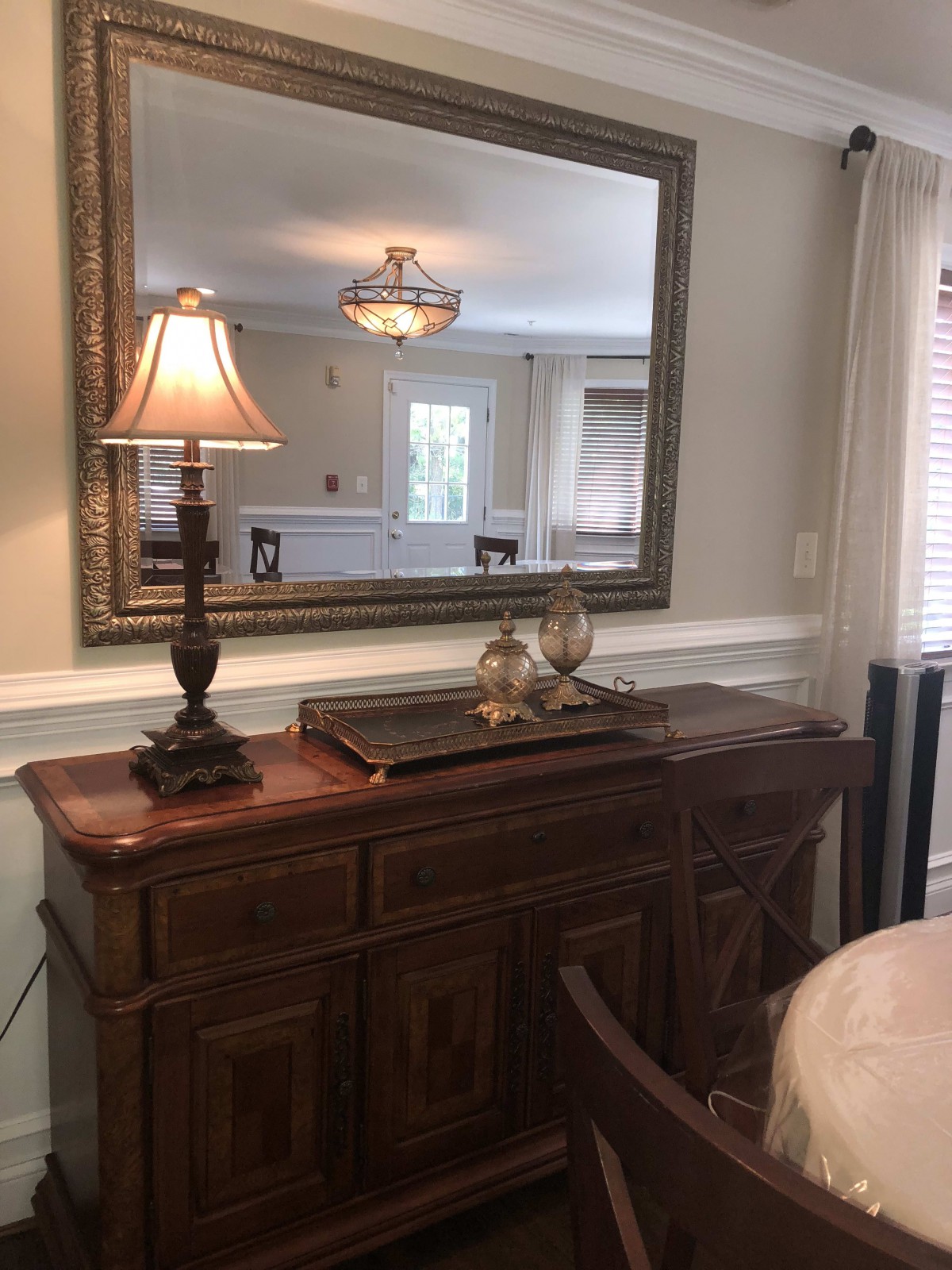
Glen Hill in Dayton, MD is best suited for families seeking a warm, home-like assisted living experience where caregiving is deeply personal, staff are consistently present, and residents, especially those facing memory challenges, are treated with familiar, family-style attention. The setting rewards families that want to visit easily and feel welcomed, with daily care delivered by a steady team. The owners, Victoria and John, are hands-on and accessible, shaping a culture where residents are known by name and routines are respected rather than rushed through.
Alternatives are worth considering for those who need more clinical structure, broader medical oversight, or a bigger campus with a wider array of services. If a resident requires intensive medical management, frequent nurse practitioner visits, or programs that feel more hospital-like, Glen Hill’s intimate, home-centric model may feel insufficient. Likewise, if a family seeks a facility with a very large activity calendar, formalized, campus-wide memory-care programming beyond individualized attention, or ultra-modern amenities, it would be prudent to compare with other options.
Yet the strongest assets here, an unmistakably family-centered approach, long-tenured, caring staff, and on-site hospice support, work to offset any potential gaps. Residents benefit from staff who know their names, preferences, and histories; caregivers stay for extended periods, which translates into consistent routines and fewer painful transitions. Cleanliness, safety, and the comfort of a home-like environment are not merely superficial traits but are reinforced by 24-hour staffing and a vigilant ethos around well-being. In short, the pros directly address the needs of older adults who require reassurance, companionship, and dependable hands-on care.
Testimonies from families reinforce a clear pattern: staff who treat mothers and fathers as members of the family, not as numbers; visits welcomed and encouraged; and a leadership pair who actively navigate complex situations with compassion. Dementia care is described as attentive and capable, with residents kept comfortable, well-fed, and safe around the clock. The ability to weave Hospice care into the living environment without moving a loved one elsewhere stands out as a practical advantage, reducing disruption during end-of-life moments.
For families evaluating Glen Hill, practical next steps matter. Inquire about caregiver-to-resident ratios, how the care plans are developed and updated, and how dementia or Alzheimer’s needs are managed daily. Ask about staff training, turnover, and the process for family involvement in care decisions. Tours should emphasize the emotional climate, whether residents appear relaxed, activities feel meaningful, and the environment truly feels like home. Clarify costs, what is included, and how hospice or palliative needs are integrated as health status evolves.
Overall, Glen Hill stands out as a high-quality choice for those prioritizing a nurturing, intimate setting where residents are known well and supported around the clock. It is especially compelling for memory-impaired residents and families who want an hands-on, owner-operated model with on-site hospice familiarity. For those requiring more clinical density or a hospital-like environment, other facilities may be more appropriate. When a decision hinges on warmth, continuity, and a proven track record of compassionate care, Glen Hill earns strong confidence and a clear recommendation.
 16 resident community capacity
 Assisted Living
 Board and Care Home
 Memory Care
 Activities on-site
 Cable or satellite TV
 Devotional services on-site
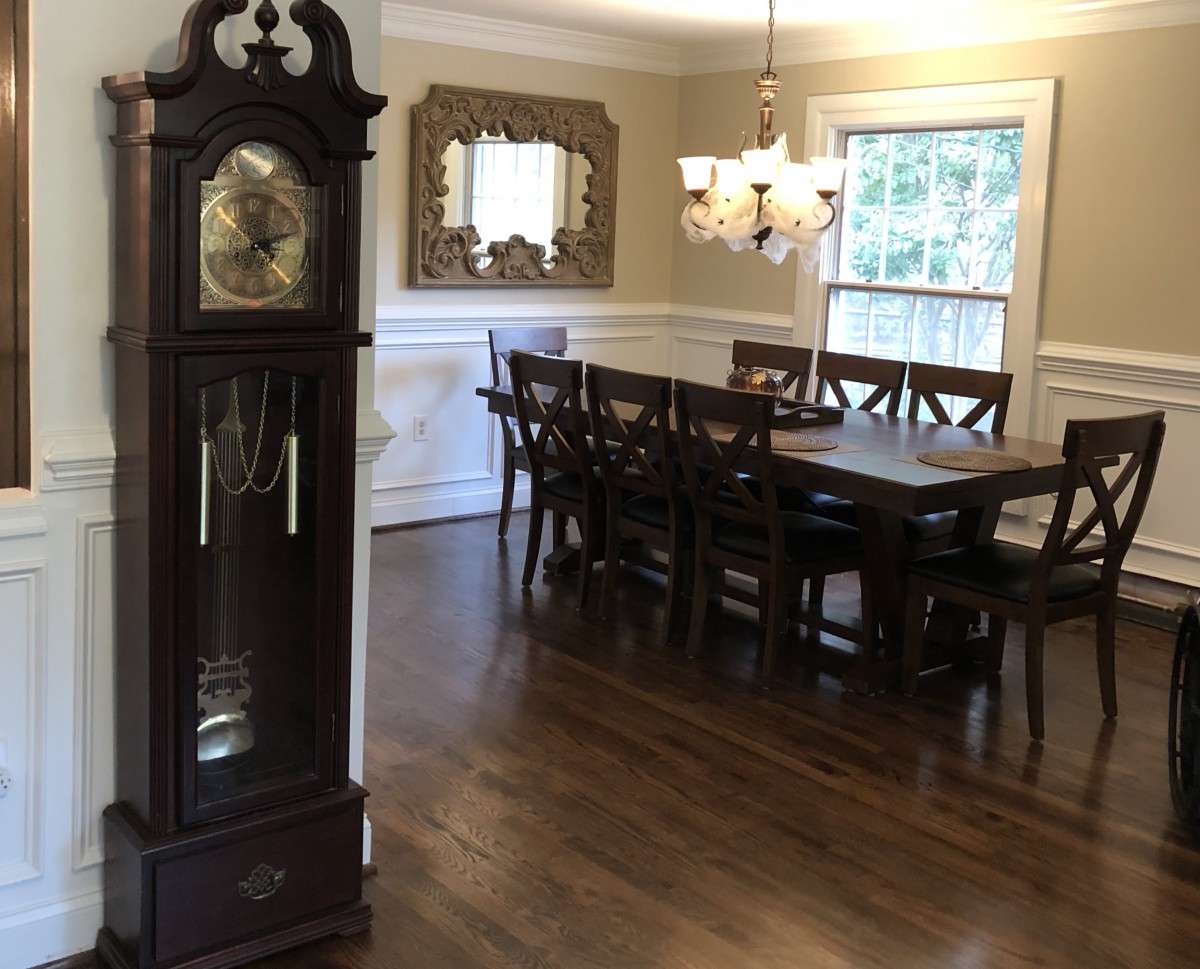
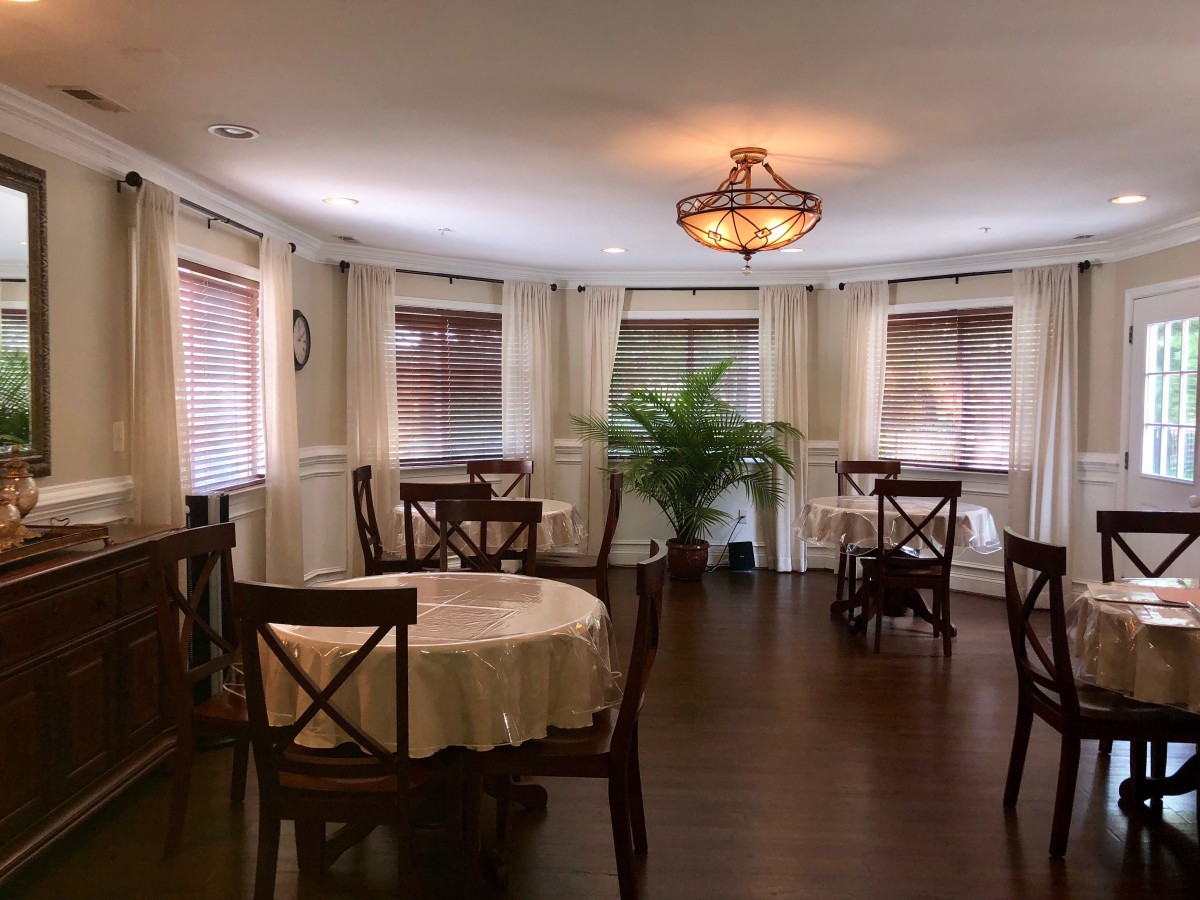
 Dining room
 Fully furnished
 Garden
 Ground floor units
 Housekeeping services
 Indoor common areas
 Move-in coordination
 Outdoor common areas
 Telephone
 Wheelchair accessible showers
 Wi-Fi/high-speed internet available
 Baltimore-Washington International (19 miles away)
 24-hour supervision
 Assistance with bathing
 Assistance with dressing
 Assistance with transfers
 Diabetes diet
 Diabetic care
 Meal preparation and service
 Medication management
 Special dietary restrictions
 Transportation arrangement (medical)
 Transportation to doctors appointments
 BBQs or picnics
 Birthday parties
 Happy hour
 Karaoke
 Live dance or theater performances
 Live musical performances
 Pet-focused programs
 Stretching classes
 Trivia games
 Wii bowling

 Comprehensive Insights on the Late Stages of Dementia: What to Expect and How to Provide Care
 Medications Associated with Dementia Risk: A Comprehensive Overview
 Guiding Your Journey: Understanding Power of Attorney for Elderly Parents