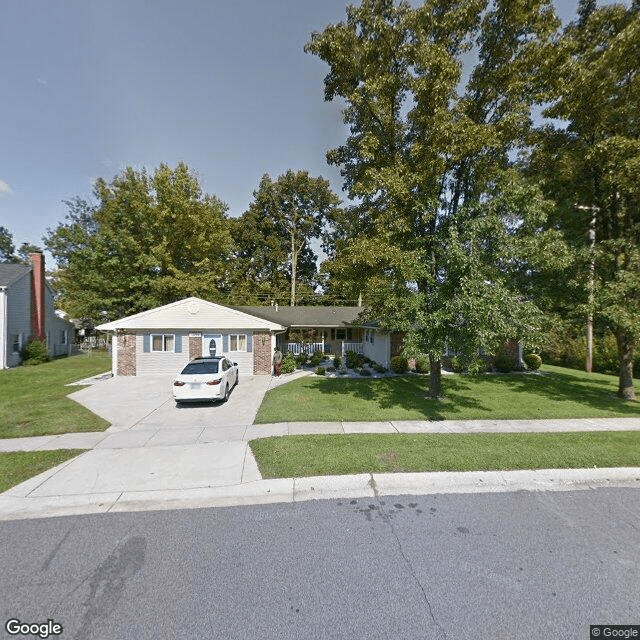
12704 Milan Way, Bowie, MD 20715
For more information about senior living options: (866) 208-4318

A C E Costs & Pricing
The monthly cost for a private room at A C E is set at $3,800, which positions it slightly above the average for Prince George's County at $3,792. When compared to the broader Maryland state average of $4,112, A C E presents a more competitive pricing option. This balance reflects A C E's commitment to providing quality care while remaining mindful of affordability in comparison to both local and state-wide benchmarks.
| Floor plans | A C E | Prince George's County | Maryland |
|---|---|---|---|
| Private | $3,800 | $3,792 | $4,112 |
Assisted Living communities with a similar price nearby
-
from -$300 / mo
Best Home for Mom and Dad
$3,500 to $4,500 / month20.5 miles away -
from +$200 / mo
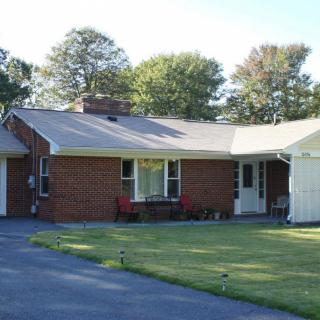
Montgomery Eldercare I
$4,000 to $5,900 / month16.1 miles away -
About the same

Montgomery Eldercare II
$3,800 to $5,000 / month15.0 miles away -
from -$300 / mo

Greenway Manor
$3,500 to $3,800 / month21.7 miles away -
from -$300 / mo
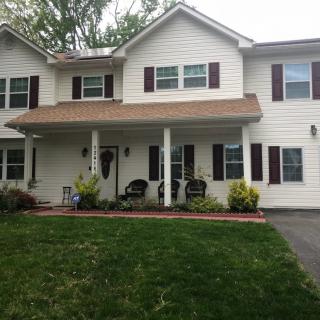
Unique Care Assisted Living
$3,500 to $4,000 / month1.2 miles away
Overall Review of A C E
Pros
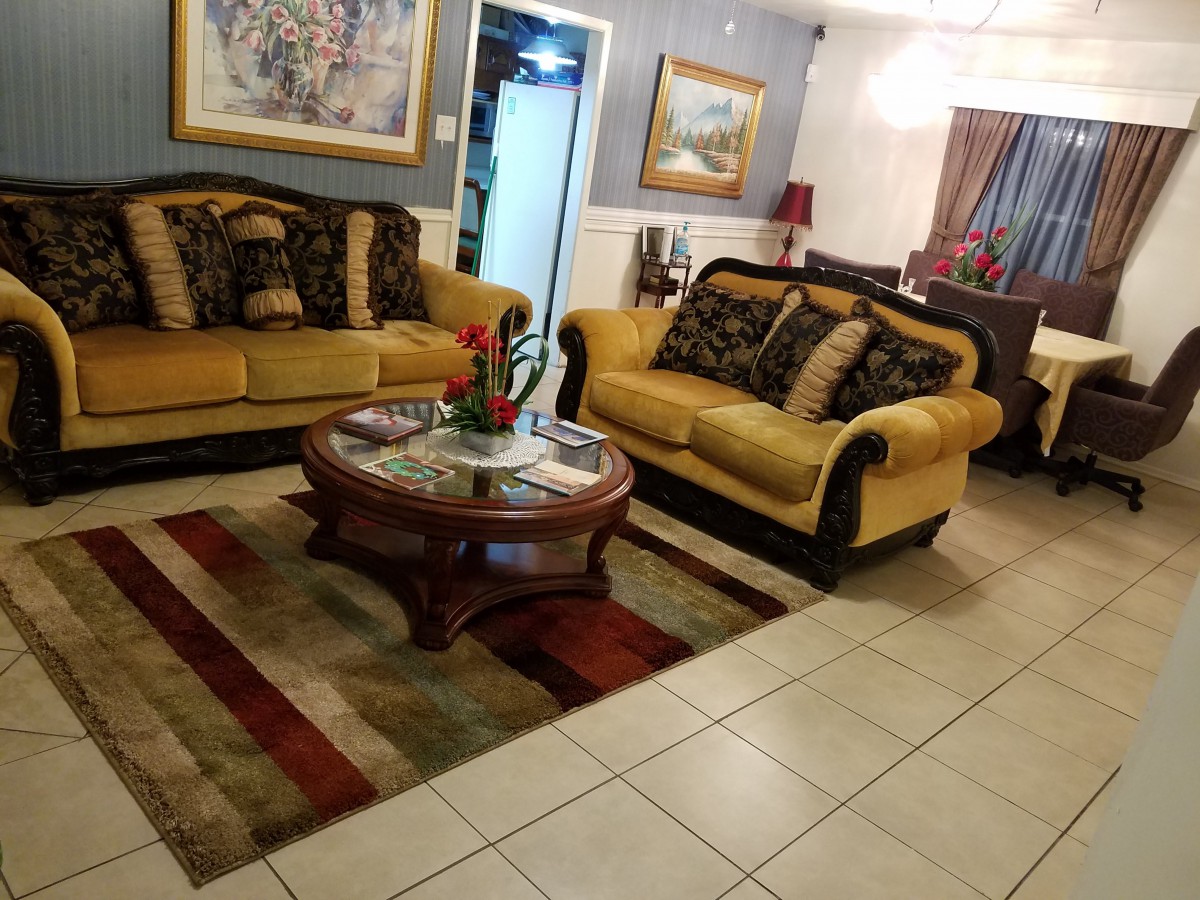
 ACE Assisted Living is described as a jewel, offering a level of care that surpasses other facilities.
- The staff is attentive to residents' medical, hygienic, nutritional, and social needs.
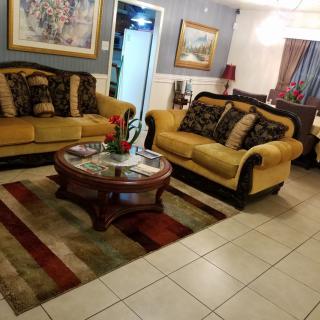
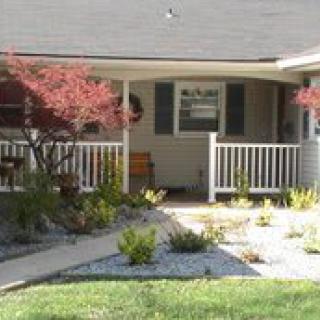
- The facility is clean, home-like, and often on one floor for easy access.
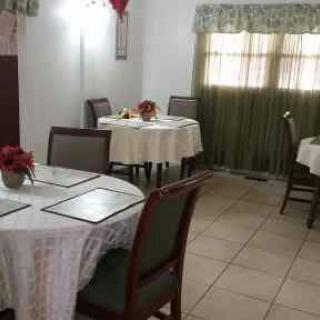
- The meals are exceptional, with three full-course meals daily plus snacks and fresh fruit.
- The owner acted decisively to protect residents during the Covid-19 pandemic and fosters a welcoming home feel.
- The staff-to-resident ratio enables individualized care and thorough communication with families, including photos when visits aren’t possible.
- The environment emphasizes dignity, safety, and a family-like atmosphere with engaging activities and celebrations.
Cons
 The location is inconvenient for some family members.
- Cultural issues are a concern for people with dementia.
- With only eight residents, the facility would have to be very creative to keep everyone engaged.
Review
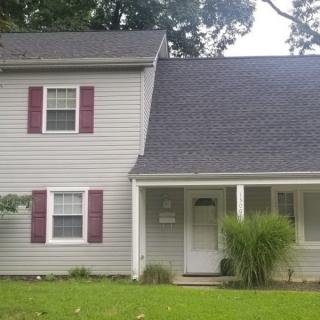
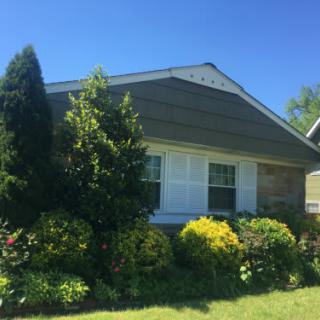
ACE Assisted Living in Bowie is best suited for seniors who prize a deeply home-like, intimate setting where care is intensely personalized and families stay closely connected. The community thrives for residents who want a private room in a small eight-resident home, with a staff-to-resident ratio that supports tailored attention to medical, hygienic, nutritional, and social needs. It suits those who value consistent, hands-on involvement from the owners and caregivers, a nourishing food program, and a strong sense of community that borders on family. Families seeking a bustling, campus-style facility with abundant amenities or one-size-fits-all programming should consider alternatives that deliver broader social calendars and higher-capacity services.
The strongest positives center on meticulous, relationship-driven care. Residents are not treated as a number but as individuals, with meals built around personal preferences and dietary needs, plus regular touchpoints that keep family members in the loop through notes, photos, and even calls or video check-ins. The on-site team operates with a rare degree of attentiveness: private rooms, a hygiene-first culture, and a willingness to address small comforts, snacks between meals, personalized grooming, and timely documentation of medications and meals. The owner’s leadership is evident in visible involvement with residents, quick decision-making in moments of need, and a commitment to making the living space feel like home rather than an institution. This level of care is reinforced by robust security for wanderers and a structured approach to record-keeping that can be critical in emergencies.
Care delivery also shines in the way daily life is organized. The facility’s one-floor footprint, clean aesthetics, and quiet, home-like atmosphere help residents maintain dignity and independence. The staff-to-resident ratio supports meaningful interaction, with specific praise for communication, including efforts to accommodate residents with hearing loss. Meals are consistently described as high-quality, with fresh fruit and varied options that respect individual nutrition plans. Beyond basic needs, the program emphasizes activities, music, arts, crafts, and spiritual life, so social engagement feels personal rather than perfunctory. The small size fosters strong bonds among residents, staff, and families, creating a reliable rhythm to daily life.
Yet the very strengths that define ACE can also shape who should look elsewhere. The eight-resident model, while intimate, naturally limits the breadth of social opportunities and on-site programming compared with larger facilities. For families seeking a wider array of group outings, therapy options, or a bustling activity calendar, ACE may feel narrow in scope. Some families will also prioritize facilities with more formal medical oversight or access to higher levels of daily skilled care. While cultural and dementia-related needs are addressed thoughtfully, those requiring highly specialized dementia programming or more expansive multi-cultural activity offerings might find the landscape too limited.
These factors are not flaws so much as design choices that offset their impact. The very small setting creates safer, more consistent care and a sense of home that is hard to find elsewhere, especially for residents who thrive on predictable routines and frequent family contact. The owner-driven culture translates into rapid problem-solving, detailed caregiver notes, and timely updates that empower families to stay closely engaged in care decisions. The high level of personalization, the ability to communicate across language barriers or sensory limitations, and the emphasis on privacy and dignity collectively mitigate the constraints of a smaller home.
For families weighing ACE against alternatives, the verdict is clear: this community excels for seniors who want to feel seen, cared for, and at home, with a level of attentiveness that outpaces many larger operations. It is a particularly strong fit for residents with moderate medical or cognitive needs who still benefit from independence and a warm, family-like environment. Those prioritizing a broad social calendar, expansive on-site amenities, or heavy-duty medical supervision should consider options with greater capacity and more comprehensive clinical services. Tours should be scheduled to observe staff interactions, assess meal flexibility, and verify how care plans are updated and shared with family. In the right match, ACE stands out as one of the most dependable, heart-forward choices in Bowie.
 8 resident community capacity
 Assisted Living
 Board and Care Home
 Activities off-site
 Bath tubs
 Beautician on-site
 Cable or satellite TV
 Devotional services off-site
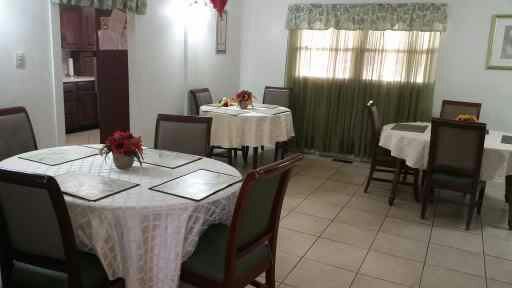
 Dining room
 Fully furnished
 Garden
 Housekeeping services
 Indoor common areas
 Move-in coordination
 Outdoor common areas
 Private
 Private bathrooms
 Telephone
 Wheelchair accessible showers
 Wi-Fi/high-speed internet available
 Baltimore-Washington International (14 miles away)
 24-hour supervision
 Assistance with bathing
 Assistance with dressing
 Assistance with transfers
 Diabetes diet
 Diabetic care
 High acuity care
 Incontinence care
 Meal preparation and service
 Medication management
 Special dietary restrictions
 Transportation arrangement (medical)
 Transportation to doctors appointments
 Birthday parties
 Visiting chaplain or priest



 Comprehensive Insights into Activities of Daily Living (ADLs) and Their Assessment
 Medicare Coverage for Assisted Living: An In-Depth Exploration
 Choosing the Right Senior Care: A Detailed Exploration of Assisted Living and Nursing Homes