
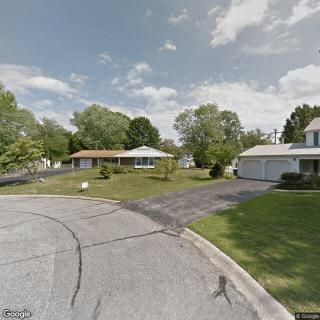
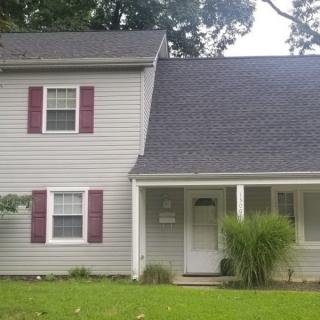
12703 Cherrywood Lane, Bowie, MD 20715
For more information about senior living options: (866) 208-4318
Overall Review of In Community Senior Care
Pros
 ACE Assisted Living provides a clean environment, private rooms, engaging activities, and excellent meals.
- The staff communicates regularly with families and even shares photos when visits aren’t possible.
- They understand and communicate with residents who are deaf, often without writing.
- It is a full-service group home with top-of-the-line security for wanderers.
- Detailed medication and dietary records support readiness in emergencies.
- The team goes the extra mile every day and delivers individualized care.
- Spiritual, music, arts, and crafts are integral to resident life, with meals and snacks tailored to dietary needs.
Cons
 The family did not believe they would find a place for their very independent dad.
- The Lewy Body Dementia diagnosis was devastating to the family because his hallucinations made him a danger to himself.
- They were unable to find a facility that he could consider a home.
- The overall situation left the family feeling worried and uncertain about his care.
Review
ACE Assisted Living in Bowie, Maryland is best suited for families seeking an intimate, home-like setting that delivers highly individualized care for seniors with evolving medical or cognitive needs. The reviews portray a space that feels less like a clinical facility and more like a small group home where a private room, clean surroundings, and a steady routine create security and dignity. It is especially well matched to elders facing dementia or mobility challenges who still want meaningful daily activities, reliable meals, and frequent family updates. The staff’s willingness to adapt to communication needs, such as engaging a deaf resident without relying on written notes, marks this community as a place where independence is respected while safety is reinforced.
Those evaluating ACE should recognize that it may not be the right fit for everyone. Families seeking a large campus with a wide array of on-site amenities, or those needing hospital-level medical oversight and a formal memory-care unit, may want to compare other options. Likewise, individuals who prioritize an ultra-bustling social calendar with dozens of concurrent programs might not find the same breadth here. The tone in the reviews is consistently warm and personal, which works beautifully for many, but for families chasing the scale and specialization of some larger operators, alternatives could be more aligned with expectations.
The core strengths unfold across several pillars. First, private rooms and a clean, home-like atmosphere support dignity and privacy while avoiding the sterile feel often associated with bigger facilities. Second, meals are described as tasty and nutritionally attentive, with fresh fruits and snacks available and tailored to individual dietary needs, which helps sustain energy and mood. Third, communication with families is robust: regular updates, photos when visits aren’t possible, and proactive contact create reassurance and ongoing connection. Fourth, staff adaptability stands out, residents with unique needs, such as deafness, are met with relationship-building and inclusive communication approaches. Fifth, security for wanderers is a notable advantage, backed by meticulous medication and dietary records that are critical in emergencies. Sixth, a favorable staff-to-resident ratio appears to enable individualized attention to medical, hygienic, and social needs, while spiritual, music, and arts activities keep residents engaged and connected to broader life experiences.
The prospective downsides people often weigh against such strengths are addressed by ACE’s care model. The intimate setting could be perceived as offering fewer on-site choices than a larger campus; in practice, the reviews describe diverse programming and a high degree of personal engagement that counters that impression. Where some fear impersonal care in dementia contexts, ACE’s approach, consistency, familiarity, and tailored routines, helps maintain autonomy and a sense of belonging. The detailed record-keeping and close family communication further mitigate risk in emergencies, and the emphasis on nutritionally balanced meals plus social programming reduces the likelihood of isolation or neglect. In other words, potential drawbacks associated with smaller operations are outweighed by the depth of attention and the ongoing, transparent collaboration with loved ones.
From a practical decision-making perspective, ACE’s performance is strongest for families already in the Bowie area who value ease of visiting and long-term continuity. The five-year residency noted for one resident’s mother illustrates stability and sustained quality, a reassuring signal about care consistency over time. For families balancing cost with value, the combination of a private living space, attentive staffing, and a comprehensive daily life, meals, activities, and social engagement, often yields a compelling fit for those prioritizing personal attention over sprawling amenities. Prospective residents should confirm dementia-management specifics and the level of medical oversight to ensure alignment with current needs, but the overall pattern of care is clear: a warm, capable, and responsive environment that treats safety, dignity, and daily purpose as nonnegotiables.
 5 resident community capacity
 Assisted Living
 Cable or satellite TV
 Dining room
 Fully furnished
 Garden
 Housekeeping services
 Move-in coordination
 Outdoor space
 Telephone
 Wi-Fi/high-speed internet available
 Baltimore-Washington International (14 miles away)
 24-hour supervision
 Activities of daily living assistance
 Assistance with bathing
 Assistance with dressing
 Assistance with transfers
 Diabetes diet
 Meal preparation and service
 Medication management
 Special dietary restrictions
 Transportation arrangement (medical)
 Transportation to doctors appointments





 Assisted Living Support for Veterans: A Complete and Detailed Overview
 Exploring the Contrasts Between Assisted Living and Skilled Nursing
 8 Key Indicators That Suggest It May Be Time to Transition from Assisted Living to Skilled Nursing Care