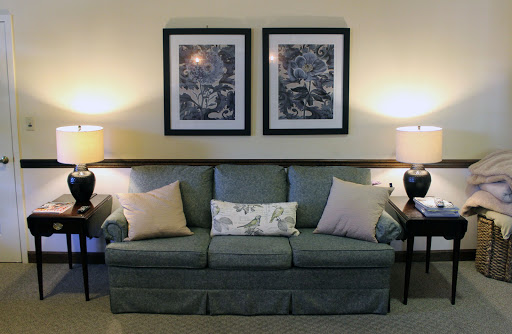
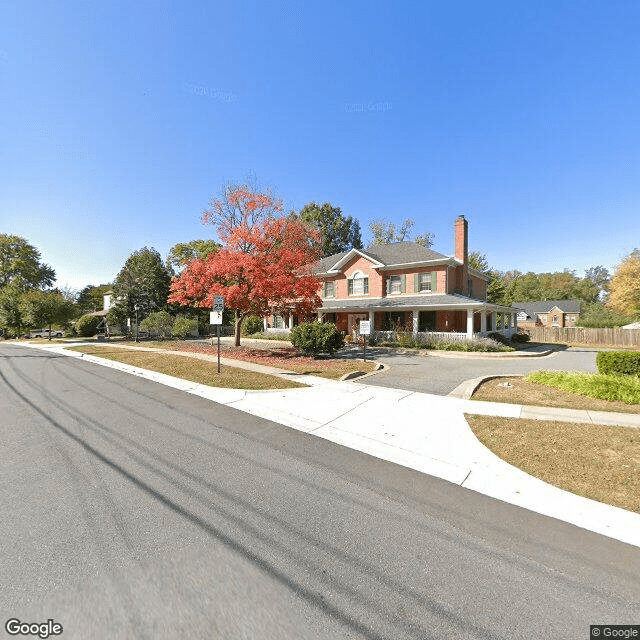
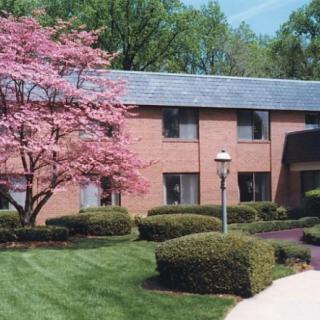
5501 Southwick Street, Bethesda, MD 20817
For more information about senior living options: (866) 208-4318
Auxiliary House Costs & Pricing
Auxiliary House offers competitive pricing for its accommodations, with private rooms priced at $8,800 and studios at $8,850 per month. In comparison to the broader market, these costs are significantly higher than the average rates in Montgomery County, which stand at $5,009 for a private room and $5,542 for a studio. Similarly, when viewed within the context of the entire state of Maryland, which averages $4,112 for a private room and $4,656 for a studio, it's evident that Auxiliary House positions itself in a premium segment of the housing market. This pricing reflects not only the specific amenities and services offered by Auxiliary House but also its commitment to providing a unique living experience tailored to residents seeking high-quality accommodations.
| Floor plans | Auxiliary House | Montgomery County | Maryland |
|---|---|---|---|
| Private | $8,800 | $5,009 | $4,112 |
| Studio | $8,850 | $5,542 | $4,656 |
Memory care communities with a similar price nearby
-
from -$1750 / mo
Maple Ridge Group Home
$7,050 / month8.2 miles away -
from -$1150 / mo
Cedar Glen
$7,650 / month6.3 miles away -
from +$700 / mo
Arden Courts of Kensington
$9,500 / month2.6 miles away -
from -$1300 / mo
Charter Senior Living of Columbia
$7,500 to $8,295 / month22.1 miles away -
from -$1200 / mo
Great Falls Assisted Living
$7,600 / month12.5 miles away
Overall Review of Auxiliary House
Pros
 The facility is described as absolutely terrific and spotless with wonderful staff.
- The staff are portrayed as having their hearts in their work.
- The care is described as the best possible, delivered by warm, capable, and committed healthcare workers.
- The environment is warm and inviting, and the Bethesda location is great for walks.
- Ruthie, Jennese, Omie, and the rest of the staff are very supportive, caring, and patient, with quick responses to concerns.
- Placing Nice at Auxiliary House is described as the best decision, with Nice happy, safe, and well cared for, and caregivers reachable by phone or text.
- The patient care team shows love and concern for each resident, programming is plentiful and appropriate, and families feel welcome and involved.
Cons
 The facility is understaffed and workers look overwhelmed.
- The reviewer would never leave their family at this facility.
- It appears Auxiliary House doesn’t care about its staff.
- They would not recommend Auxiliary House to anyone.
Review
Auxiliary House in Bethesda is best suited for seniors who want a genuinely intimate, home-like living arrangement where care is consistently personal and the environment feels safe and connected. The eight-person size creates a tight-knit, attentive culture that suits residents who need steady supervision and dementia-focused support without the formality and bustle of a larger campus. Families that value open, regular communication with caregivers will find this setting particularly compatible, because access to staff is straightforward and frequent. The location itself, quiet Bethesda streets near Suburban Hospital, facilitates easy visits, short walks, and a sense of normalcy that many families seek when navigating memory challenges.
Those needing expansive medical complexity or highly specialized care may want alternatives. The most persistent risk cited across reviews is a perception that staffing can become strained, especially when demand spikes. In such cases, families should compare ratios, on-site clinical oversight, and backup coverage against larger facilities with bigger teams and more formal structures. If a resident requires around-the-clock physician presence, frequent rehabilitation services, or a broad menu of on-site amenities, this small home model may feel limiting. For families prioritizing social programming on a grand scale, or seeking a facility with a broader array of activities and campuses, a different option should be considered.
Yet the strongest pros, deep personal attention, warmth, and reliable communication, powerfully offset potential staffing limitations. The staff is repeatedly described as caring, capable, and genuinely invested, with caregivers accessible by phone or text whenever questions arise. The small group setting supports individualized attention, ensuring that routines and care plans stay aligned with each resident’s needs. For families navigating memory impairment, the ability to coordinate medical care, monitor daily engagement, and involve loved ones in decisions in real time stands out as a decisive advantage. These strengths create stability and trust that are hard to match in larger environments, and they temper the concern about staffing strain when it’s not pervasive.
The environment itself reinforces the advantages. A warm, home-like atmosphere is consistently highlighted, with long-tenured staff and strong daily care routines. People describe plentiful and appropriate programming tailored to memory care, plus effective medical coordination that helps residents stay on top of health needs. The community feels welcoming to families, who are invited to participate as part of the care team. Proximity to family and friends through easy visits, combined with a location conducive to safe neighborhood walks, gives residents a quality of life that aligns with what families want in late-life care. All of these factors contribute to a sense of safety, belonging, and dignity.
For families weighing the decision, practical steps should guide the process. Schedule in-person tours with a focus on staffing patterns, including who is on duty during weekdays and weekends, and ask about direct lines of communication to caregivers. Request a sample care plan and a candid discussion about memory care programming and how behavioral changes are managed. Verify price transparency and what services are included, and inquire about back-up coverage if a primary caregiver is unavailable. Finally, talk to current residents' families to gauge consistency of care and responsiveness. These checks turn the reported strengths into verifiable, day-to-day realities.
In sum, Auxiliary House presents a compelling choice for families seeking a compact, memory-focused, home-like setting in Bethesda with strong relational care and a favorable price point. It is best suited for residents who thrive on close caregiver relationships, regular contact with family, and engaging, dementia-centered programming in a neighborhood-friendly environment. Those needing extensive clinical services, larger-scale activities, or guaranteed staffing buffers across peak times should consider alternatives. When warmth, trust, and hand-in-hand involvement define care, Auxiliary House should sit at the top of the shortlist for decision-makers weighing a small, personalized option in the Bethesda area.
 8 resident community capacity
 Assisted Living
 Board and Care Home
 Memory Care
 Activities on-site
 Air-conditioning
 Bath tubs
 Beautician on-site
 Cable or satellite TV
 Dining room
 Fully furnished
 Garden
 Housekeeping services
 Indoor common areas
 Move-in coordination
 Outdoor common areas
 Private
 Private bathrooms
 Telephone
 Wheelchair accessible showers
 Wi-Fi/high-speed internet available
 Ronald Reagan Washington National (11 miles away)
 24-hour supervision
 Ambulatory care
 Assistance with bathing
 Assistance with dressing
 Assistance with transfers
 Diabetes diet
 Diabetic care
 High acuity care
 Incontinence care
 Meal preparation and service
 Medication management
 Special dietary restrictions
 Transportation arrangement (medical)
 Transportation to doctors appointments
 Art classes
 BBQs or picnics
 Birthday parties
 Forever fit
 Live dance or theater performances
 Live musical performances
 Pet-focused programs
 Trivia games
 Wii bowling






 Understanding Dementia Through Its Seven Stages: A Comprehensive Look at Progression and Expectations
 A Holistic Dementia Care Guide: Effective Strategies for Memory Support
 Comprehensive Insights into Activities of Daily Living (ADLs) and Their Assessment