
3813 West Coldspring Lane, Baltimore, MD 21215
For more information about senior living options: (866) 208-4318
1 from 1 review
Taylor Gardens Senior Living is an assisted living community in Baltimore, MD.
Information last verified:
3813 West Coldspring Lane, Baltimore, MD 21215
For more information about senior living options: (866) 208-4318
 7 resident community capacity
 Assisted Living
 Cable or satellite TV
 Dining room
 Fully furnished
 Garden
 Housekeeping services
 Move-in coordination
 Outdoor space
 Telephone
 Wi-Fi/high-speed internet available
 Baltimore-Washington International (11 miles away)
 24-hour supervision
 Activities of daily living assistance
 Assistance with bathing
 Assistance with dressing
 Assistance with transfers Coordination with health care providers
 Diabetes diet
 Meal preparation and service
 Medication management
 Special dietary restrictions
 Transportation arrangement (medical)
 Transportation to doctors appointments Diabetes diet Special dietary restrictions Community-sponsored activities Scheduled daily activities
Taylor Gardens Senior Living in Baltimore, MD is a vibrant and welcoming assisted living community that offers a wide range of amenities and care services to enhance the quality of life for its residents.
Our community features a spacious dining room where residents can enjoy delicious and nutritious meals prepared by our talented chefs. The apartments are fully furnished to provide a comfortable and cozy living space for each resident. A beautiful garden and outdoor space are available for residents to relax and enjoy the fresh air.
Housekeeping services ensure that the living environment remains clean and tidy at all times. Move-in coordination is provided to make the transition as smooth as possible for new residents. Additionally, Wi-Fi/high-speed internet access is available throughout the community, allowing residents to stay connected with their loved ones.
Our dedicated staff provides assistance with activities of daily living, including bathing, dressing, and transfers, enabling residents to maintain their independence while receiving the support they need. We also coordinate with health care providers to ensure that residents receive proper medical care when necessary. Diabetes diet management is available for those who require it.
To keep our residents engaged and active, we offer scheduled daily activities designed to cater to diverse interests and preferences. Residents can participate in various social, recreational, and educational activities tailored to their needs and abilities.
Taylor Gardens Senior Living is conveniently located near several cafes, parks, pharmacies, physicians' offices, restaurants, places of worship, transportation options (including medical transportation), and hospitals. This ensures that residents have easy access to essential services and resources within their community.
At Taylor Gardens Senior Living in Baltimore, MD, we prioritize providing personalized care in a nurturing environment where seniors can thrive physically, mentally, and emotionally. Come join our inclusive community where you can enjoy a fulfilling lifestyle while receiving the support you need.
Taylor Gardens Senior Living is located at 3813 West Coldspring Lane, Baltimore, MD 21215 in Baltimore city, Maryland

Palmer Home Care Facility
Baltimore, MD
 Cozy, fully furnished assisted living with meals, daily living assistance, and medical transport coordination.
Rosemarie Manor - Ashburton
Baltimore, MD
Impeccable cleanliness and outstanding hospitality with spacious rooms.

Good Life
Baltimore, MD
Comprehensive care and amenities: 24/7 supervision and ADL support, meals, activities, and furnished, Wi-Fi-enabled apartments.
House Of Peace
Baltimore, MD
Small, intimate community with 24/7 supervision and comprehensive care (medication management, diabetes diet, transportation).
Love 2 Care
Baltimore, MD
Premium, personalized care with meals, housekeeping, activities, and transportation.
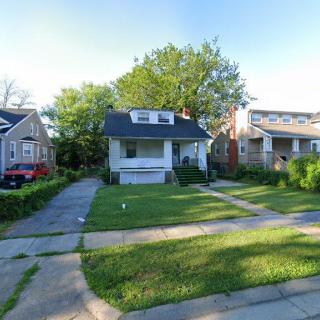
Family Matters
Baltimore, MD
Small, intimate community enabling highly personalized care.
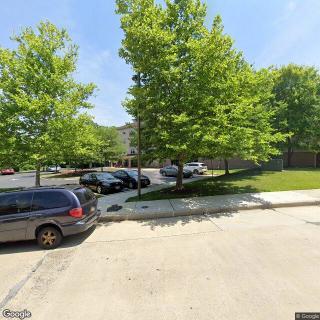
Park View at Coldspring
Baltimore, MD
Friendly, knowledgeable management in a pleasant, convenient location.
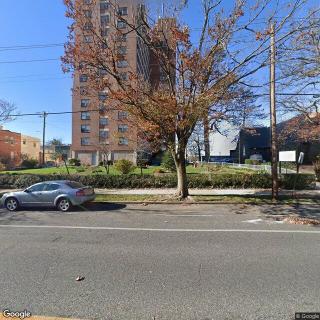
St Mary's Roland View Towers
Baltimore, MD
Affordable rents with a friendly, well-kept community and on-site activities.
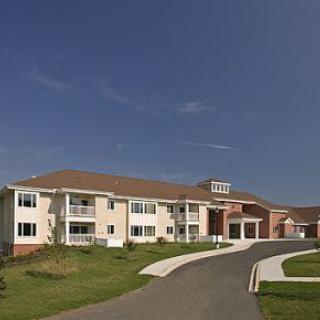
Augsburg Village
Baltimore, MD
Well-laid-out community with abundant activities and friendly, attentive staff; beautiful surroundings.
 Understanding the True Cost of Assisted Living in 2025: A Comprehensive Guide
Assisted living in 2025 offers a crucial balance of independence and support for seniors, with costs varying from $2,500 to over $7,000 per month based on factors such as location and care level. Understanding pricing complexities, including regional differences and potential hidden fees, is essential for families to plan financially while ensuring quality care for their loved ones.
 Understanding Medicaid Coverage for Assisted Living: A Comprehensive Guide
The guide outlines the complexities of Medicaid coverage for assisted living, highlighting significant state-to-state variations, limited coverage often restricted to personal care services, and the existence of specialized waivers for certain needs like memory care. It advises families to consult local Medicaid offices for options while emphasizing the importance of understanding state-specific regulations and facility policies.
 How and When Medicaid May Cover Assisted Living Costs
Medicaid coverage for assisted living varies by state and is primarily available to low-income individuals, with eligibility dependent on strict income and asset limits. Some states offer HCBS waivers for specific services in assisted living, but families must generally cover room and board costs, and should verify facility acceptance of Medicaid while considering potential waiting lists.