
3725 Belle Avenue, Baltimore, MD 21215
For more information about senior living options: (866) 208-4318
Overall Review of House Of Peace
Pros
 Mabel's House is a compassionate and well-managed assisted living community.
- The staff is dedicated, professional, and truly cares about the well-being of each resident.
- They provide exceptional support, personalized care, and engaging activities that foster community and joy.
- The environment is safe, comfortable, and thoughtfully designed to promote independence and appropriate assistance.
- Mabel's House prioritizes treating every resident with dignity and respect.
- Families can feel at ease knowing their loved ones are in capable, caring hands.
- Mabel's House is an incredible asset to the senior community, offering compassionate and knowledgeable support and care.
- Miles is very attentive and genuinely cares for the residents.
Review
House Of Peace, as reflected in Baltimore’s family feedback, is best suited for families seeking a warm, home-like assisted living where compassionate, well-managed care anchors daily life. This community serves seniors who value genuine, ongoing relationships with caregivers, a practical level of independence paired with readily available support, and a steady stream of social, engaging activities. The environment is described as safe, clean, and thoughtfully designed to feel like a residence rather than an institution. For families prioritizing dignity, personal connection, and a sense of belonging, this setting offers a reliable, human-centered path through daily aging.
Those with higher medical acuity or a need for dedicated memory-care programming may want to consider alternatives. The reviews do not describe a large clinical footprint or a formal memory-care unit, and families facing complex nursing needs, aggressive rehabilitation, or specialized dementia care should compare options with stronger on-site medical resources or dementia-specific programs. Budget constraints, a desire for a broader facility footprint, or a preference for a more expansive activity or rehab infrastructure could also steer families toward other Baltimore-area communities. In short, the strongest fit is for seniors who want superb relational care more than expansive clinical capacity.
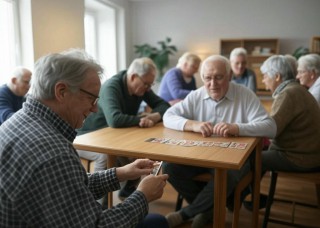
The strongest pros are clear and consistently reinforced in the feedback. Staff are repeatedly described as dedicated, professional, and genuinely caring, delivering personalized care that respects each resident’s dignity. Family members appreciate being kept informed about health status and progress, which reduces anxiety and builds trust. The setting itself reinforces these strengths: clean, comfortable rooms, safety-minded design, and an atmosphere that balances independence with appropriate assistance. An active calendar, painting, dance, chess, and card games, supports social engagement and cognitive stimulation, helping residents feel connected and purposeful. The personal bonds residents form with caregivers, illustrated by commendations for attentive staff like Miles, signal that this is more than routine care; it is community-building care.
These advantages offset the main potential gaps typical of smaller, intimate assisted-living settings. While the operation may not match a large campus in medical depth or breadth of services, the downside is mitigated by consistent, attentive care, open family communication, and a lively, resident-centered routine that reduces isolation and enhances mood. The small-community feel fosters trust, quicker issue identification, and more agile care-planning, which can be more meaningful to families than a more impersonal, resource-heavy environment. In this light, intimate staffing and a rich social life become a practical strength rather than a trade-off.
Attention to memory care remains a prudent question for prospective families. The feedback does not specify a dedicated memory-care designation, so it is wise to confirm whether cognitive-heavy needs can be fully accommodated or if a transition to a specialized unit would be advisable later. The same candid, responsive culture that underpins daily care invites straightforward discussion about management of dementia, wandering, or advanced behavioral needs, along with the availability of respite or short-term stays if those scenarios arise. For seniors who prize a homey atmosphere now, with the potential for a future transition if needed, this can still be a solid, compassionate bridge, provided a clear plan exists that preserves continuity of care and relationships.
For families ready to act, practical next steps sharpen the fit: arrange an in-person tour and observe how staff interact with residents; request a sample care plan and ask how updates are communicated to families; inquire about caregiver-to-resident ratios, staffing patterns, and consistency across shifts; inspect safety features, medication management, and emergency procedures; speak with current residents and their families about real-world satisfaction and long-term outcomes. If warmth, dignity, and true personal bonds are non-negotiables, this Baltimore option delivers. For those whose priority is deeper clinical resources or a memory-focused program, it remains essential to compare with alternatives that meet those needs, while recognizing the value this community provides as a compassionate, high-touch home for the right resident.
 7 resident community capacity
 Assisted Living
 Cable or satellite TV
 Dining room
 Fully furnished
 Garden
 Housekeeping services
 Move-in coordination
 Outdoor space
 Telephone
 Wi-Fi/high-speed internet available
 Baltimore-Washington International (11 miles away)
 24-hour supervision
 Activities of daily living assistance
 Assistance with bathing
 Assistance with dressing
 Assistance with transfers
 Diabetes diet
 Meal preparation and service
 Medication management
 Special dietary restrictions
 Transportation arrangement (medical)
 Transportation to doctors appointments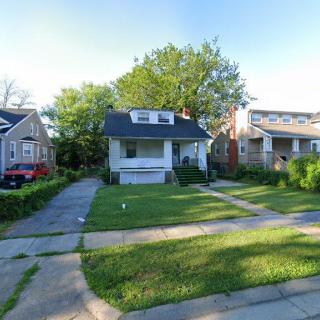


 When to Transition from Assisted Living to Memory Care: Key Indicators, Steps, and Finding the Right Community
 Assisted Living and Memory Care: Understanding Their Core Differences
 Beyond the Bingo Hall: 50+ Enriching Activities for Seniors in Assisted Living