Springwell Senior Living Community Costs & Pricing
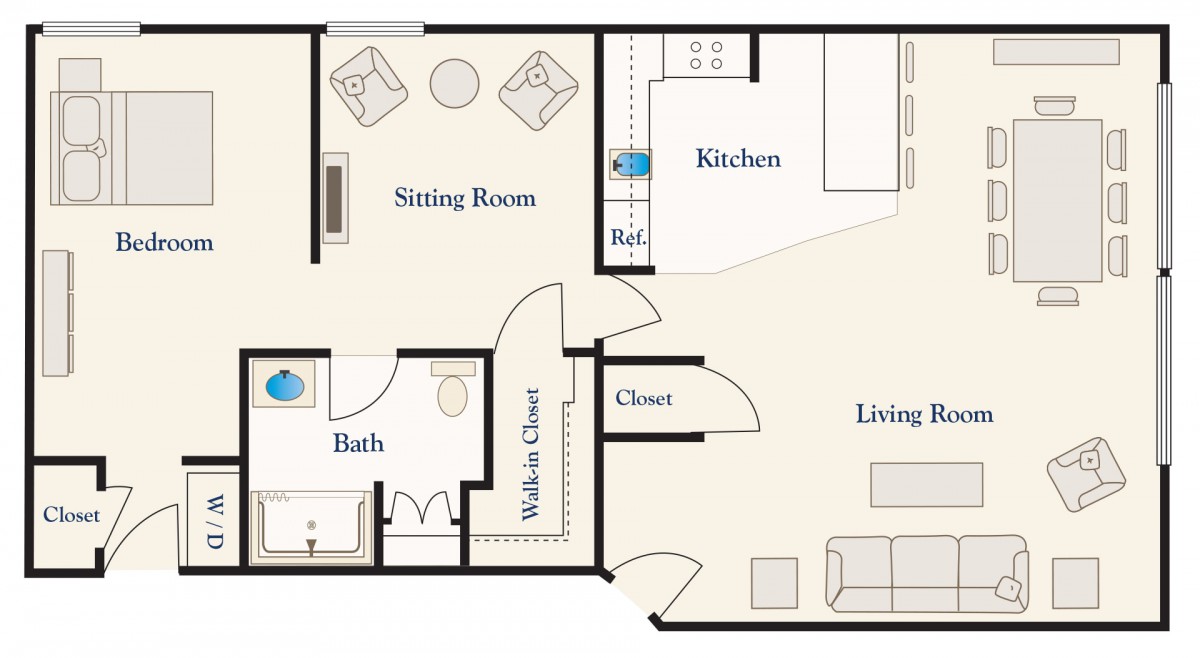
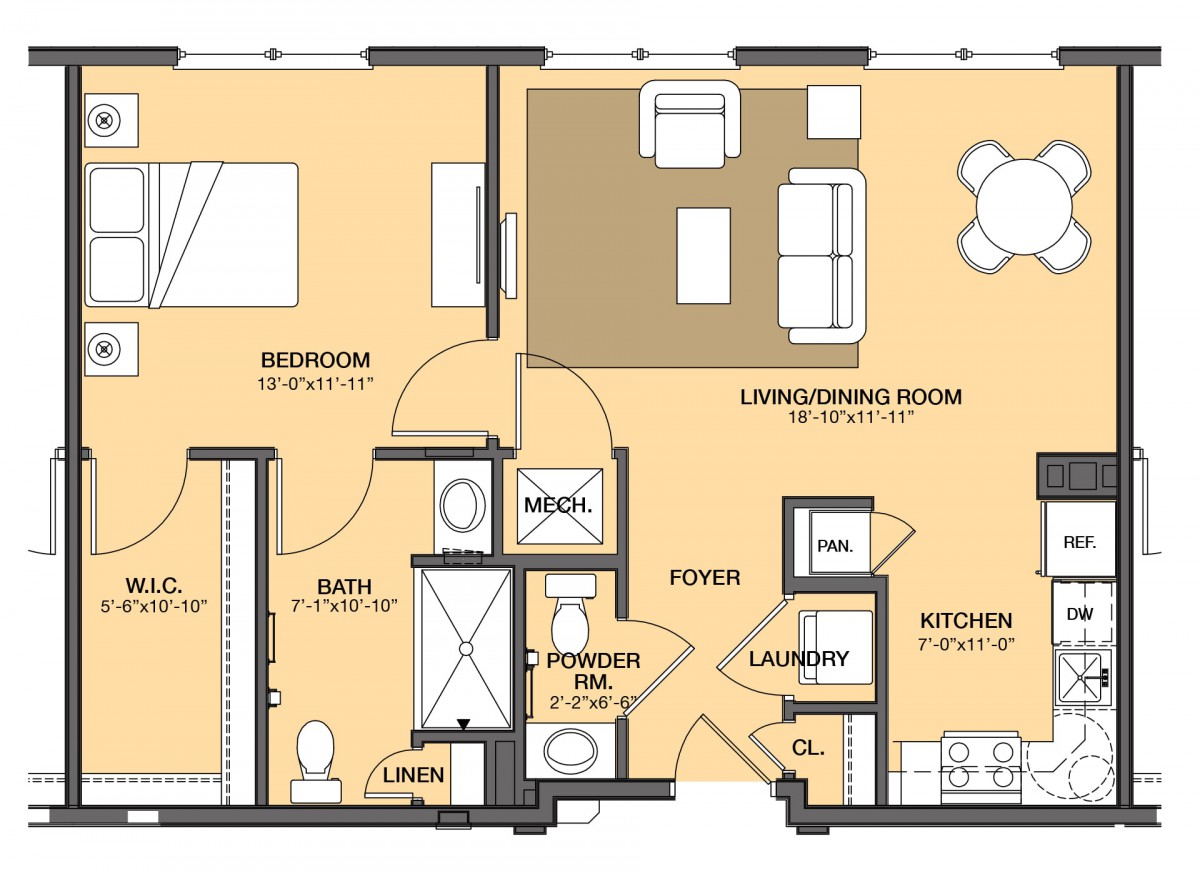
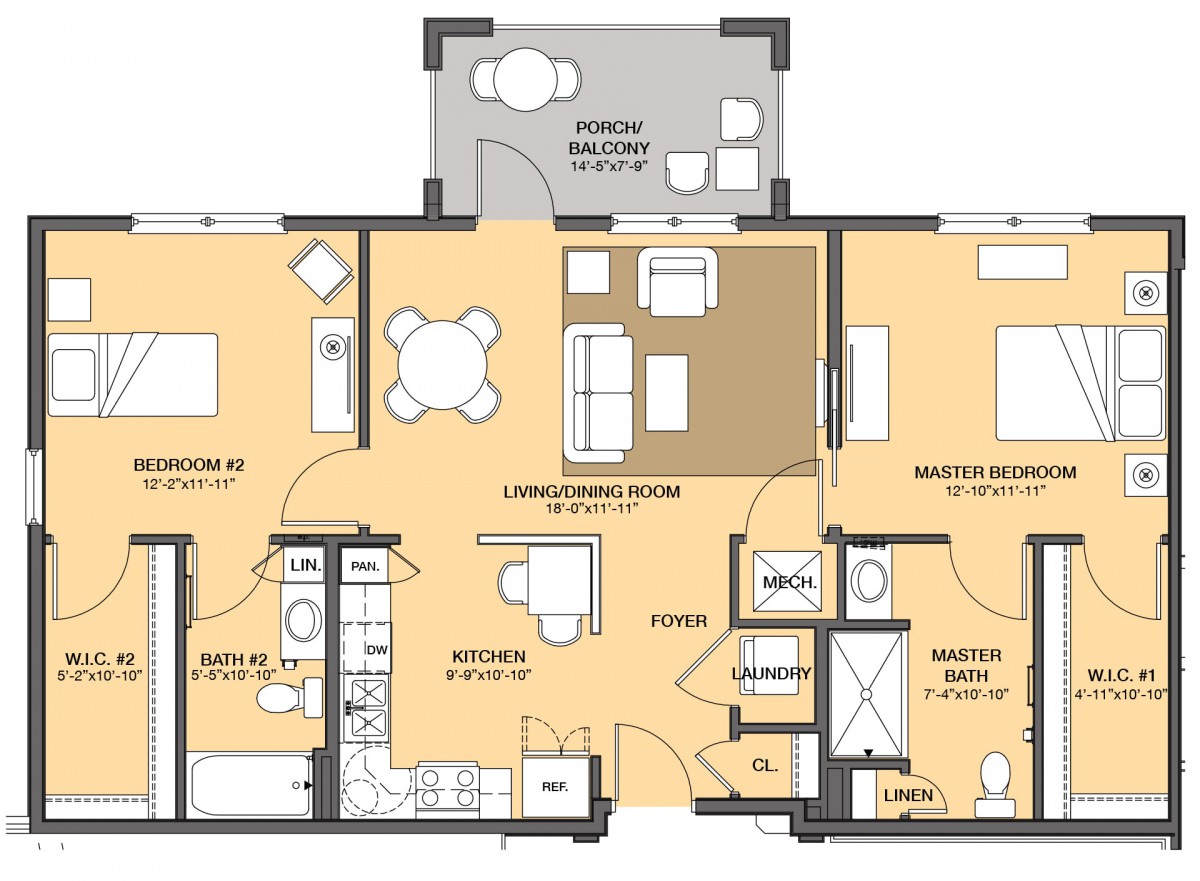
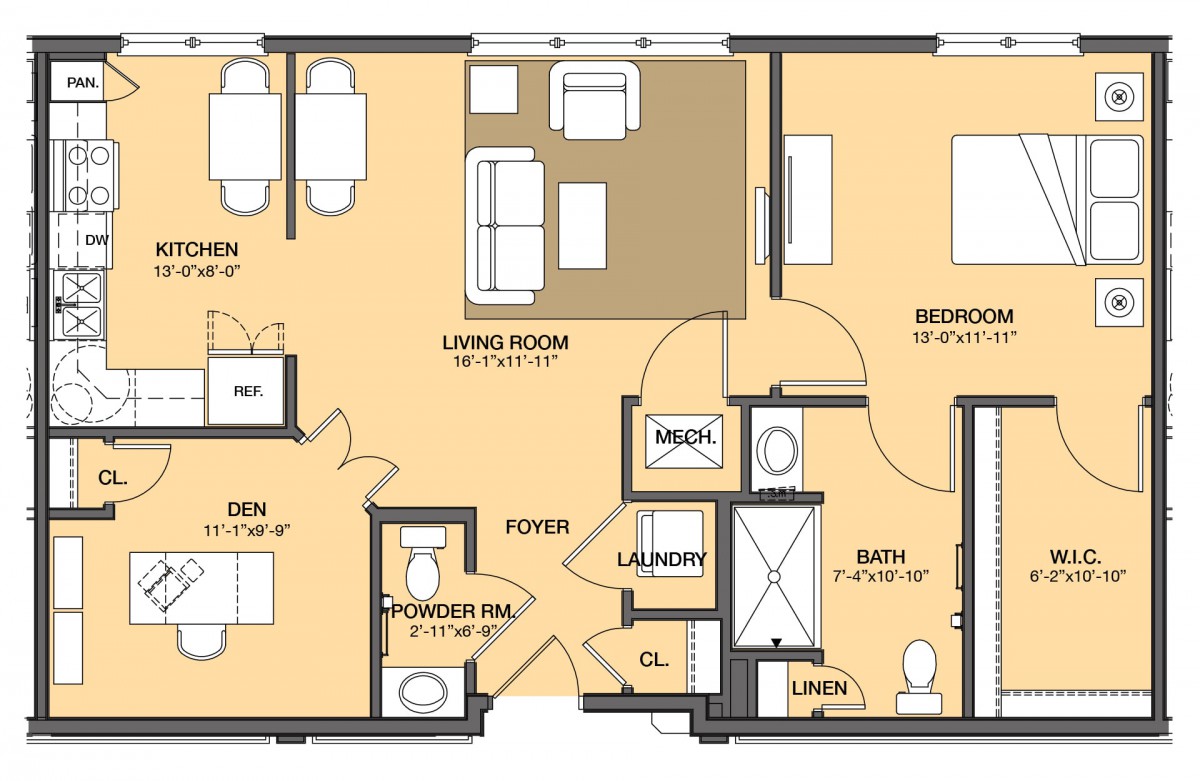
Springwell Senior Living Community offers a range of living accommodations that are competitively priced within the context of Baltimore City and the broader Maryland region. A studio at Springwell is available for $4,990 per month, which exceeds the city average of $4,060 and is slightly above the state average of $4,656. For those seeking more space, a one-bedroom unit costs $6,500, significantly higher than both Baltimore City's average of $3,113 and Maryland's average of $3,904. Similarly, two-bedroom options are priced at $7,900 per month - again surpassing the local and state averages of $2,993 and $3,497 respectively. Overall, while Springwell's costs may be on the higher end compared to its surroundings, they likely reflect the quality and range of amenities provided in this community-centric environment.
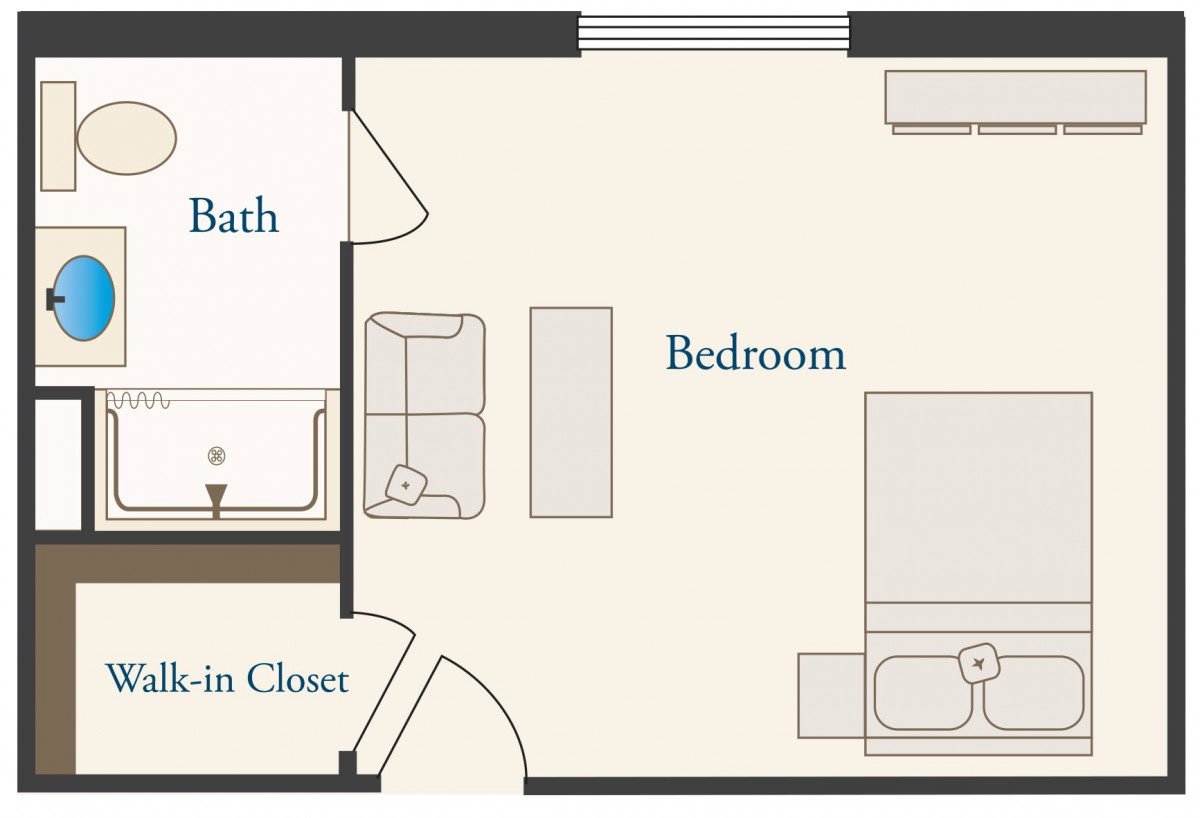
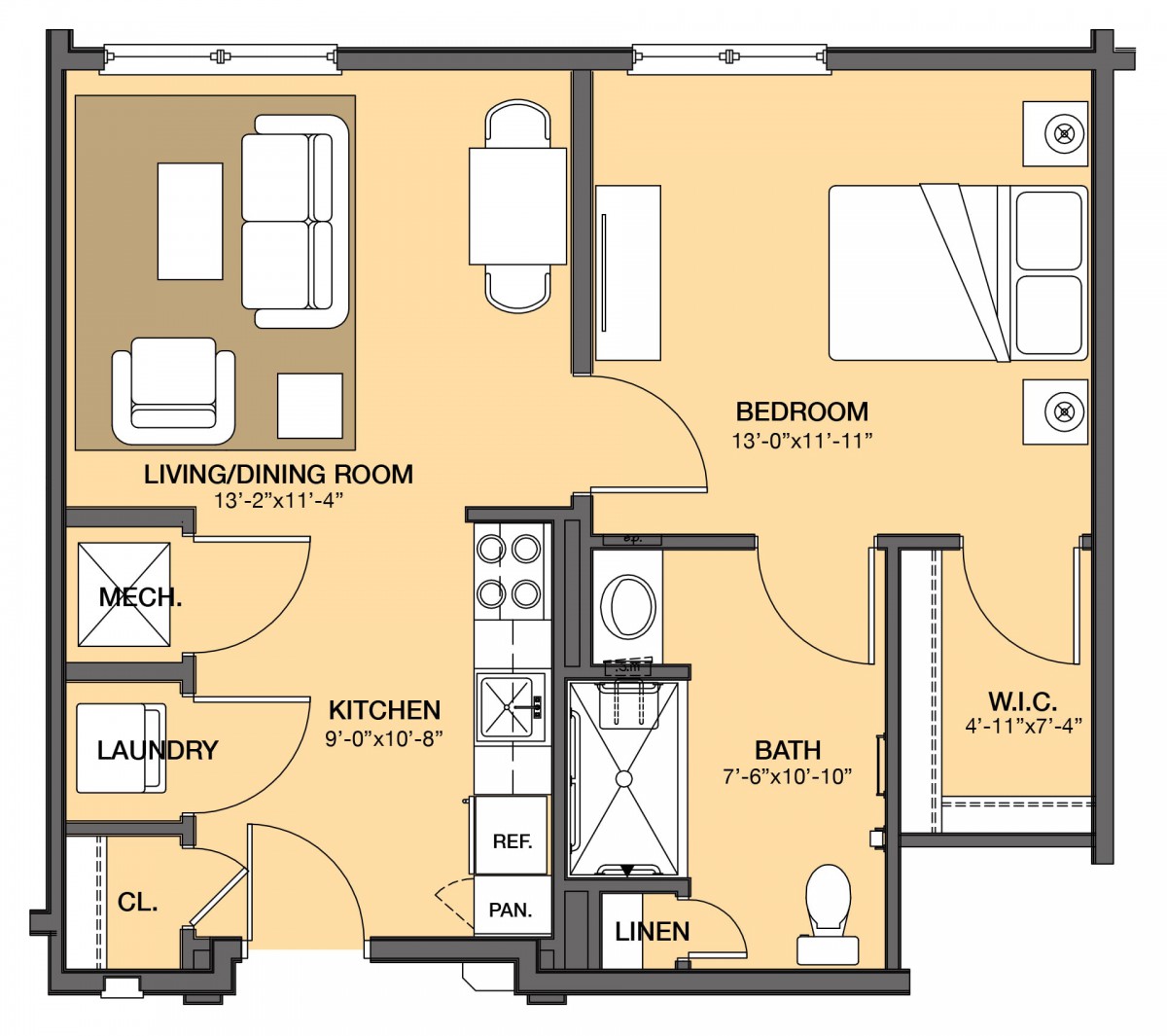
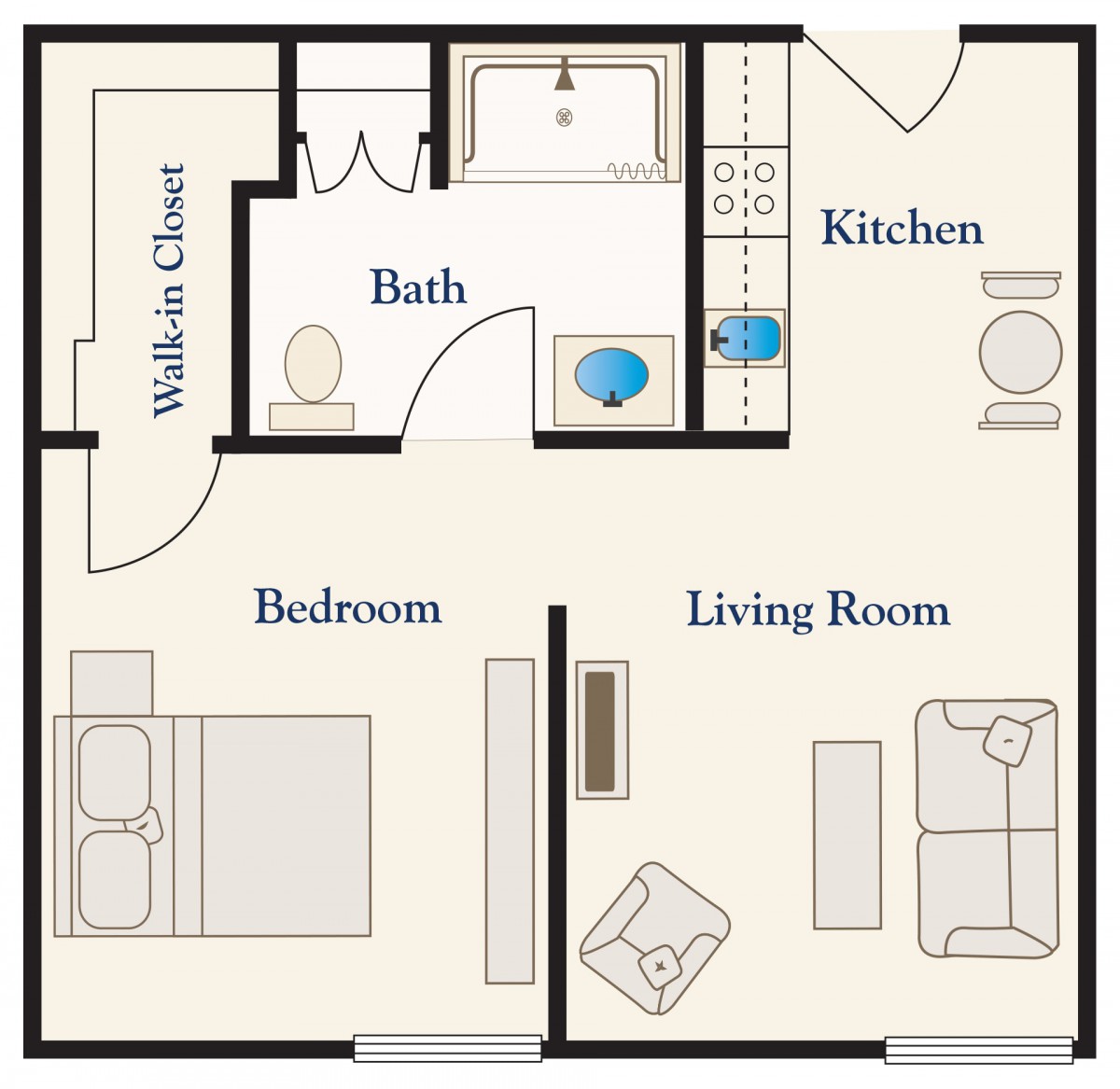
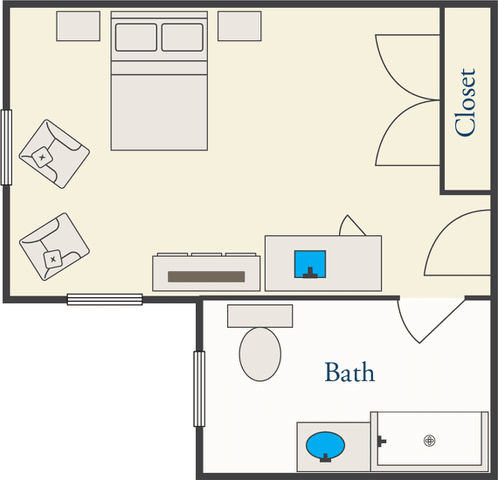
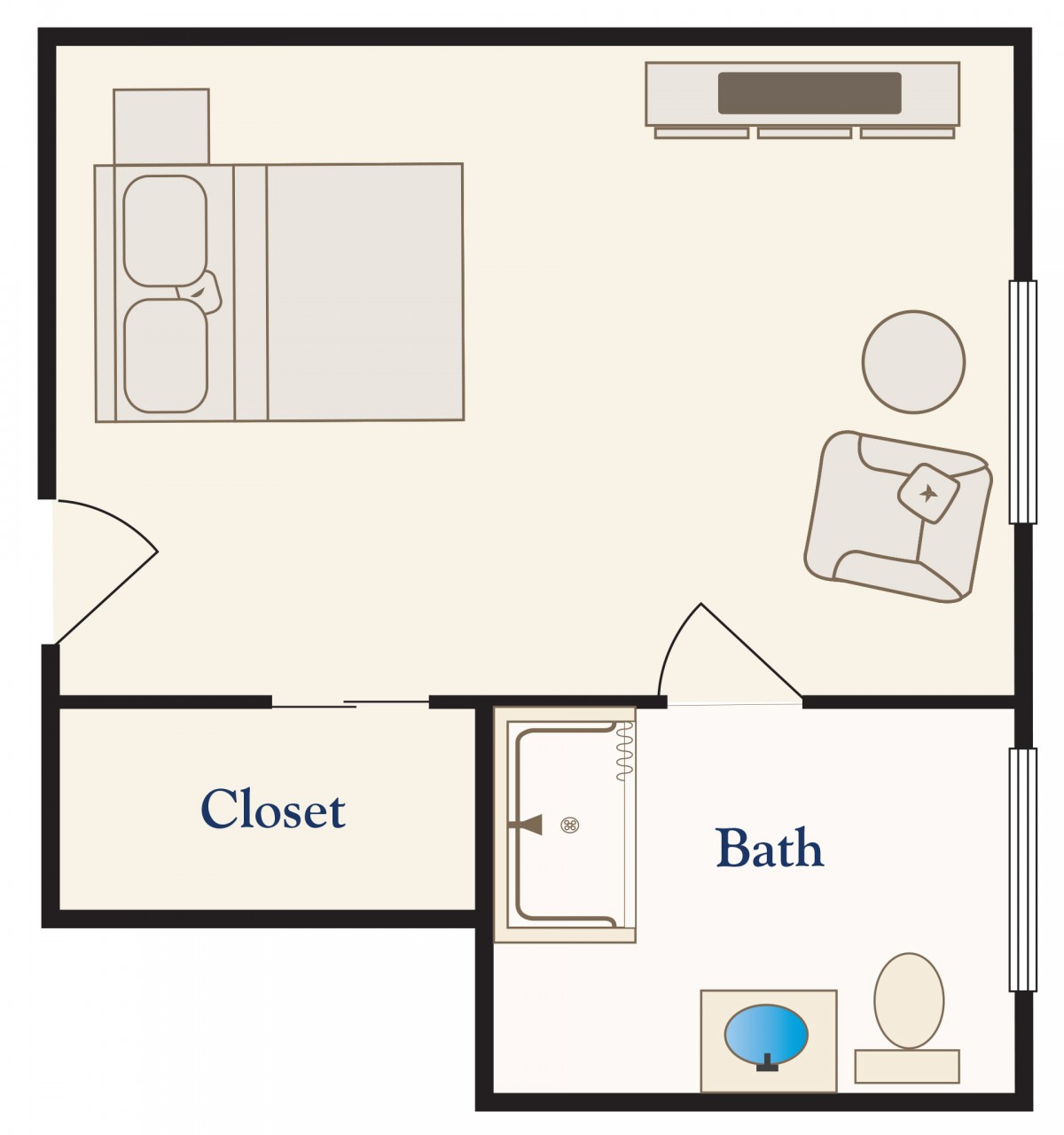
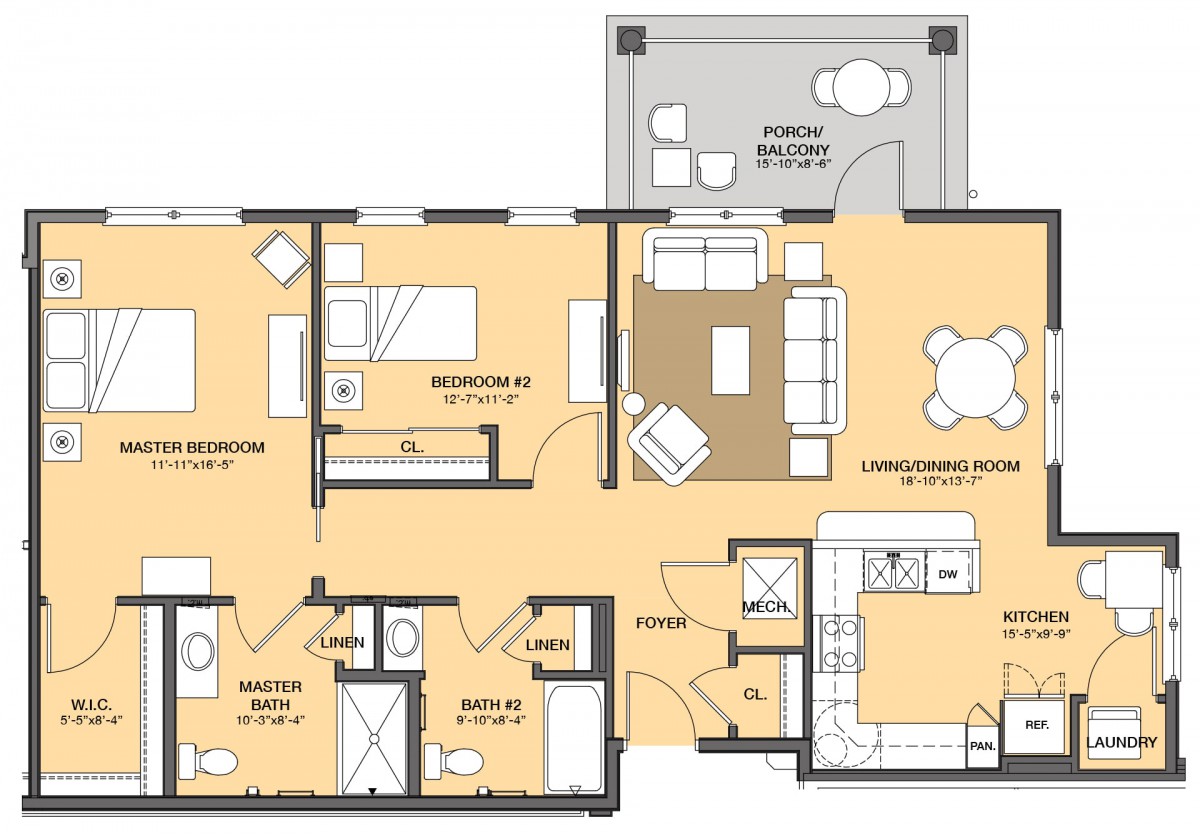
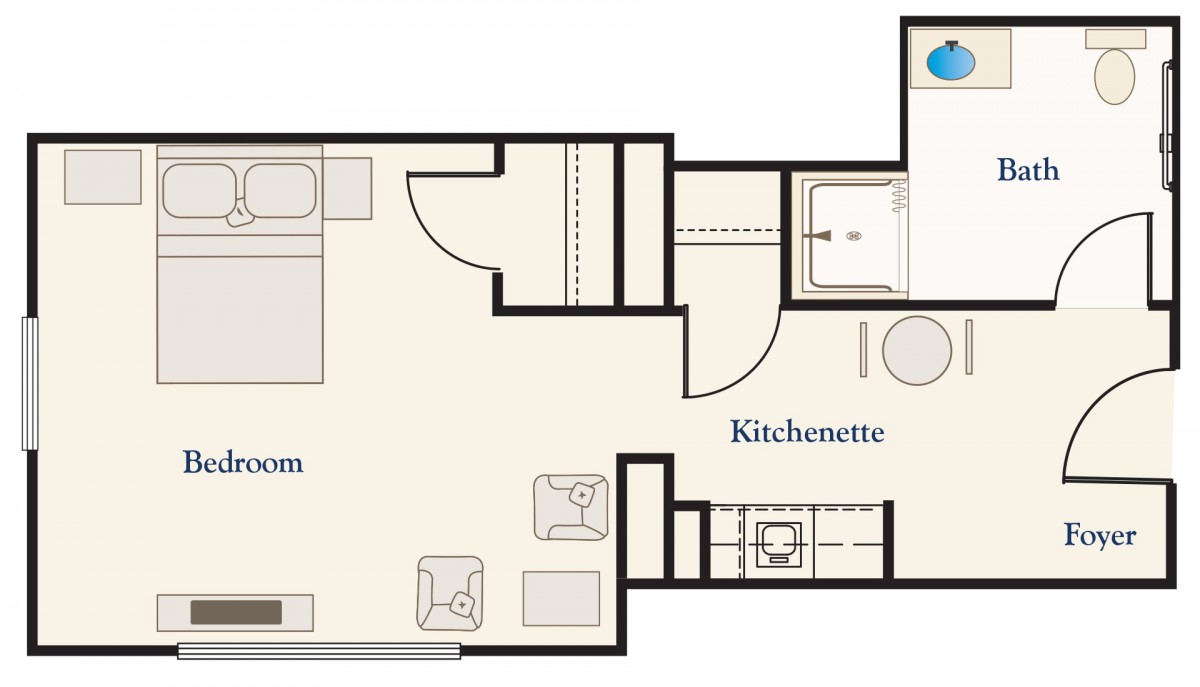
Floor plans
Springwell Senior Living Community
Baltimore city
Maryland
Studio
$4,990
$4,060
$4,656
1 Bedroom
$6,500
$3,113
$3,904
2 Bedrooms
$7,900
$2,993
$3,497
Memory care communities with a similar price nearby
Overall Review of Springwell Senior Living Community
common24 reviews mention this
Staff friendliness stands out
Residents and families frequently describe the staff as friendly and attentive.
Across reviews, people repeatedly mention positive, approachable staff, with residents describing caregivers who take time with them and families saying staff go out of their way. Even when reviewers express frustrations, some notes still acknowledge occasions of helpful or polite interactions. Several reviews also connect positive daily experience to how staff respond to health needs and keep families informed, especially in assisted living and memory care.
differentiator6 reviews mention this
Care levels and transitions
The community’s care options make it easier to move as needs change.
Reviewers highlight that Springwell offers multiple levels of care, and that transitions were supported when health needs increased. Families describe moving from independent living into assisted living and eventually memory care, with staff helping manage the change. A few reviewers also reference care support for residents with cognitive impairment and medication-related needs, reinforcing that these services are part of the day-to-day experience for some residents.
common7 reviews mention this
Dining gets mixed reviews
Dining is a major focus, with both praise and strong complaints.
Some residents and visitors say the food and dining experience are pleasant, including comments about good food and dining menus. Others report problems such as food quality complaints and concerns about how staff engage during meals. The community also provides structured dining for dietary needs, and several reviews mention food in the context of health requirements and monitoring.
common9 reviews mention this
Activities keep residents engaged
Planned activities help residents stay socially engaged.
Many reviews describe a steady schedule of activities, including live music, movie matinees, and group events that residents can attend. Several mentions also focus on outings and transportation related to doctors’ appointments and errands. Even reviewers who had criticisms still point to the breadth of things to do, suggesting engagement is a visible part of the community experience.
caveat4 reviews mention this
Memory care is a recurring concern
Some reviewers question how well memory care meets dementia needs.
While some families praise memory care for helping with transitions and feeling safe, other reviews raise concerns about leadership and care quality in the memory care setting. A few critiques specifically mention care gaps and do not describe the level of assistance needed for residents with dementia. These contrasting experiences suggest outcomes may vary depending on the unit and how care is delivered.
caveat3 reviews mention this
Pricing feels high for some families
Cost is a common sticking point for prospective families.
A recurring theme is that Springwell can be much more expensive than expected, with one reviewer specifically noting the higher-than-anticipated price during a tour. Another review explicitly states residents are not getting the value they expected for what families pay. Reviews that do call it a good value tend to be counterpoints, but the higher cost remains noticeable in the feedback.
How we summarize
Counts show how many written reviews mention each theme; a review can touch several themes, and only frequently mentioned themes are displayed.
Features
Housing
151 resident community capacity
Types of Care
Assisted Living
Independent Living
Memory Care
Pets
Cats allowed
Dogs allowed
Amenities
Activities off-site
Activities on-site
Air-conditioning
Beautician on-site
Beauty salon
Cable or satellite TV
Computer center
Devotional services on-site
Dining room
Fitness room
Full kitchen
Fully furnished
Gaming room
Garden
Ground floor units
Handicap accessible
Housekeeping services
Indoor common areas
Kitchenette
Move-in coordination
Outdoor common areas
Outdoor space
Private bathrooms
Restaurant-style dining
Small library
Telephone
Wellness center
Wheelchair accessible showers
Wi-Fi/high-speed internet available
Transportation
Baltimore-Washington International (13 miles away)
Community operated transportation
Transportation arrangement
Transportation arrangement (non-medical)
Transportation to doctors appointments
Care Services
12-16 hour nursing
24-hour call system
24-hour supervision
Activities of daily living assistance
Ambulatory care
Assistance with bathing
Assistance with dressing
Assistance with transfers
Diabetes diet
Diabetic care
High acuity care
Incontinence care
Meal preparation and service
Medication management
Mental wellness program
Mild cognitive impairment
Special dietary restrictions
Specialized memory care programming
Dining
Diabetes diet
Guest meals
Low / no sodium
Meals provided
No Sugar
Restaurant style dining
Room service
Special dietary restrictions
Special dining programs
Vegetarian
Activities
Art classes
Catholic services
Community-sponsored activities
Concierge services
Day trips and outings
Devotional activities on-site
Educational speakers / life long learning
Fitness programs
Happy hour
Live dance or theater performances
Live musical performances
Live well programs
Planned day trips
Protestant services
Resident-run activities
Scheduled daily activities
Stretching classes
Wine tasting
Nearby Places of Interest
This area of Baltimore, Maryland offers a diverse range of amenities and services that cater to the needs of seniors. With multiple hospitals within a few miles radius, including Sinai Hospital Of Baltimore and Lifebridge Health Campus Service, residents have easy access to quality healthcare facilities. In terms of dining options, there are various restaurants like Mt. Washington Tavern and Pepe's nearby for convenient dining choices. Additionally, pharmacies such as CVS Pharmacy and Walgreens are readily available for medication needs. For recreational activities, parks like Lake Roland provide opportunities for outdoor leisure. Furthermore, there are several reputable physicians' offices in the vicinity, such as Dr Richard A. Adler at Belcara Health Ophthalmology and Greater Baltimore Medical Center for medical consultations. The proximity to public transportation hubs like Penn Station and Lutherville Light Rail Station ensures easy travel access for seniors in this area. Overall, this part of Baltimore offers a well-rounded community with essential services that make it a suitable option for senior living.
Hospitals
Sinai Hospital Of Baltimore (0.4 miles)
Lifebridge Health Campus Service (2.4 miles)
GBMC (3 miles)
Sheppard Pratt Health System (3.2 miles)
MedStar Union Memorial Hospital (3.3 miles)
MedStar Good Samaritan Hospital (4 miles)
Johns Hopkins Medicine at Green Spring Station (4.3 miles)
Restaurants
Mt. Washington Tavern (0.8 miles)
Pepe's (1.3 miles)
Zen West Roadside Cantina (2.8 miles)
Subway (3.1 miles)
Burger King (3.2 miles)
McDonald's (3.7 miles)
McDonald's (4 miles)
Pharmacies
CVS Pharmacy (1.2 miles)
CVS Pharmacy (1.5 miles)
Walgreens (1.6 miles)
Rite Aid (1.9 miles)
Walgreens (2.3 miles)
Walgreens (2.3 miles)
Walgreens (2.4 miles)
Parks
Lake Roland (1.3 miles)
Rodgers Forge Tot Lot (2.7 miles)
Meadowood Regional Park (4.1 miles)
Physicians
Dr Richard A. Adler, Belcara Health Ophthalmology (1.5 miles)
Scottish Rite Speech & Language Center (2.8 miles)
Greater Baltimore Medical Center (3 miles)
O'Dea Building- St Josephs Hospital (3.4 miles)
University of Maryland Rehabilitation & Orthopaedic Institute (3.9 miles)
Dr Kelman Office (4.3 miles)
St Paul Place Specialist OB GYN (4.3 miles)
Cafes
Miss Shirley's Cafe, Roland Park (1.9 miles)
Starbucks (2.9 miles)
Dooby's (4.8 miles)
Ceremony Coffee Roasters (4.9 miles)
Places of Worship
Brown Memorial Woodbrook Presbyterian Church (2.4 miles)
Springwell Senior Living Community offers a range of living accommodations that are competitively priced within the context of Baltimore City and the broader Maryland region. A studio at Springwell is available for $4,990 per month, which exceeds the city average of $4,060 and is slightly above the state average of $4,656. For those seeking more space, a one-bedroom unit costs $6,500, significantly higher than both Baltimore City's average of $3,113 and Maryland's average of $3,904. Similarly, two-bedroom options are priced at $7,900 per month - again surpassing the local and state averages of $2,993 and $3,497 respectively. Overall, while Springwell's costs may be on the higher end compared to its surroundings, they likely reflect the quality and range of amenities provided in this community-centric environment.
Springwell Senior Living Community's comprehensive features are designed to address the unique needs of residents with dementia or Alzheimer's disease, promoting both safety and well-being. The 24-hour supervision ensures that staff members are always available to assist residents, providing a secure environment where individuals can engage in daily activities without fear of wandering or injury. Assistance with activities of daily living, such as bathing, dressing, and transfers, helps maintain personal hygiene and dignity while fostering independence. Incontinence care and meal preparation ensure that residents' physical needs are met sensitively and thoughtfully. The medication management system aids in adherence to prescribed treatments, which is crucial for managing symptoms and maintaining overall health. Furthermore, specialized memory care programming and mental wellness initiatives cater to cognitive needs through stimulating activities tailored to varying stages of cognitive impairment, helping enhance engagement and quality of life for each resident.
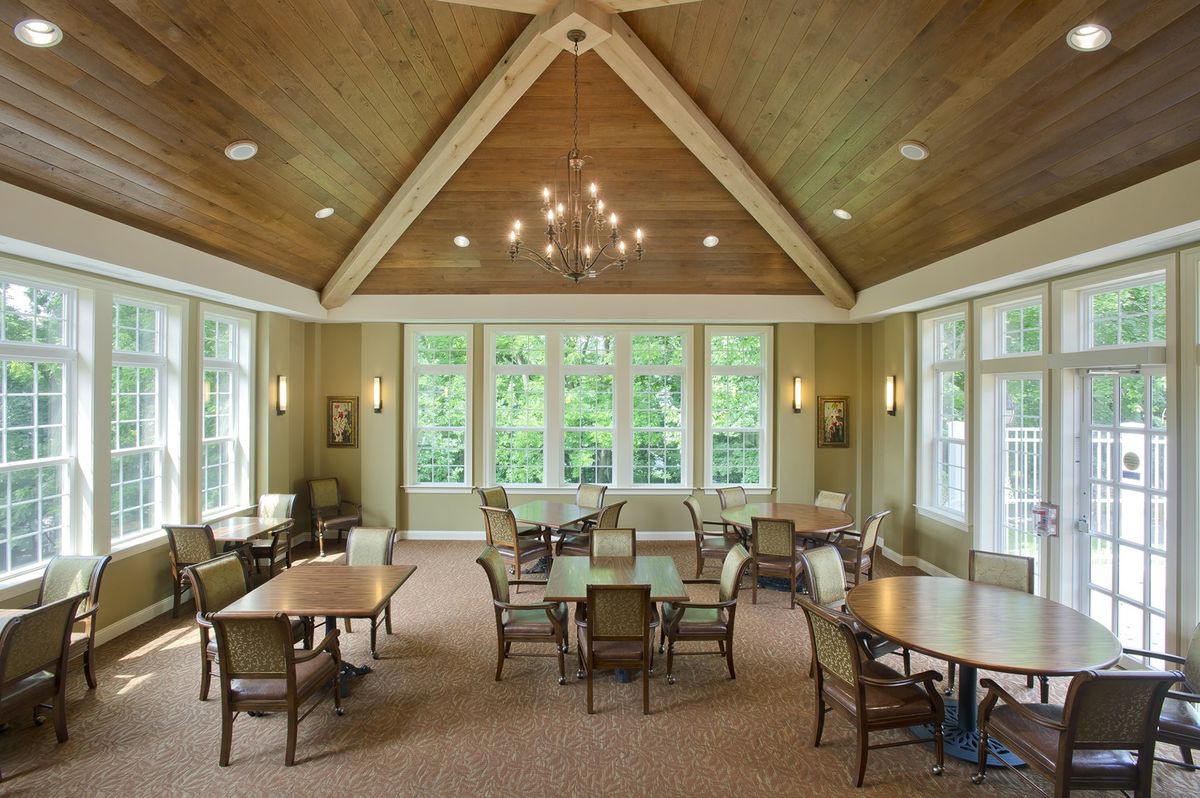
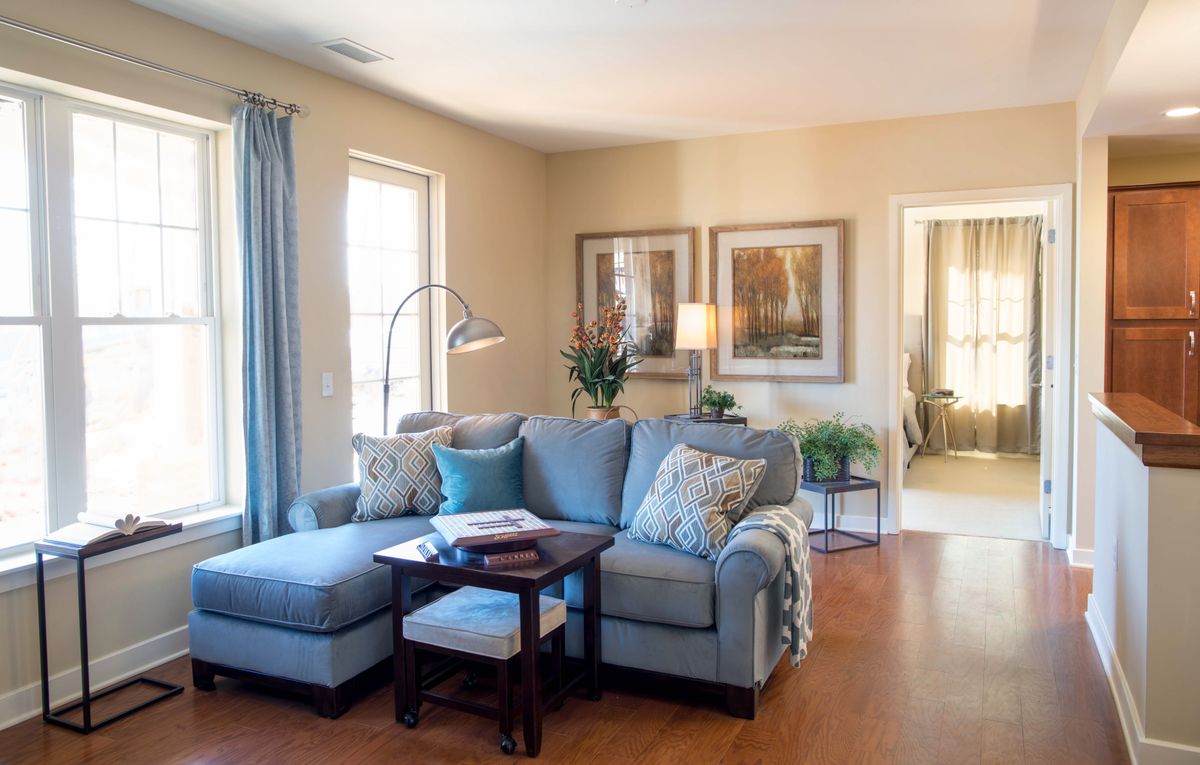
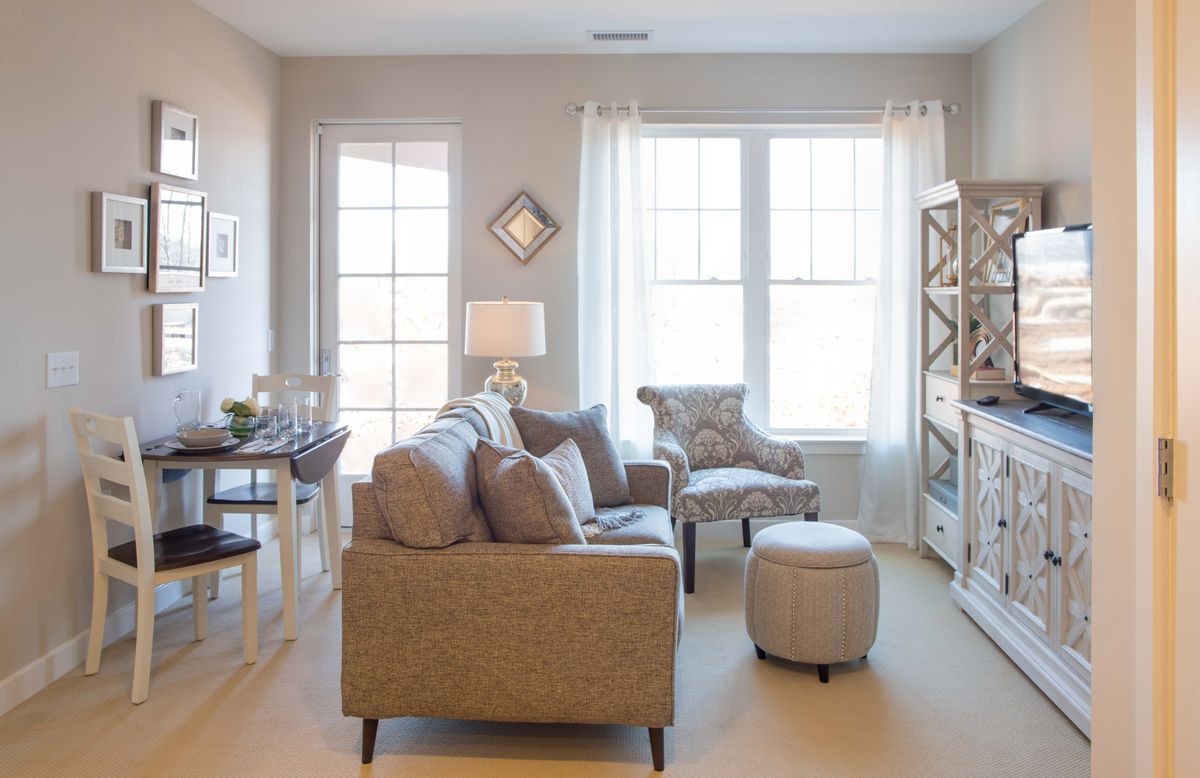
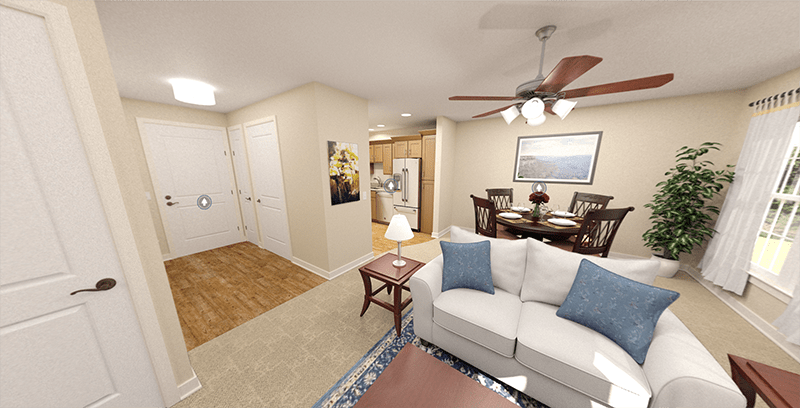
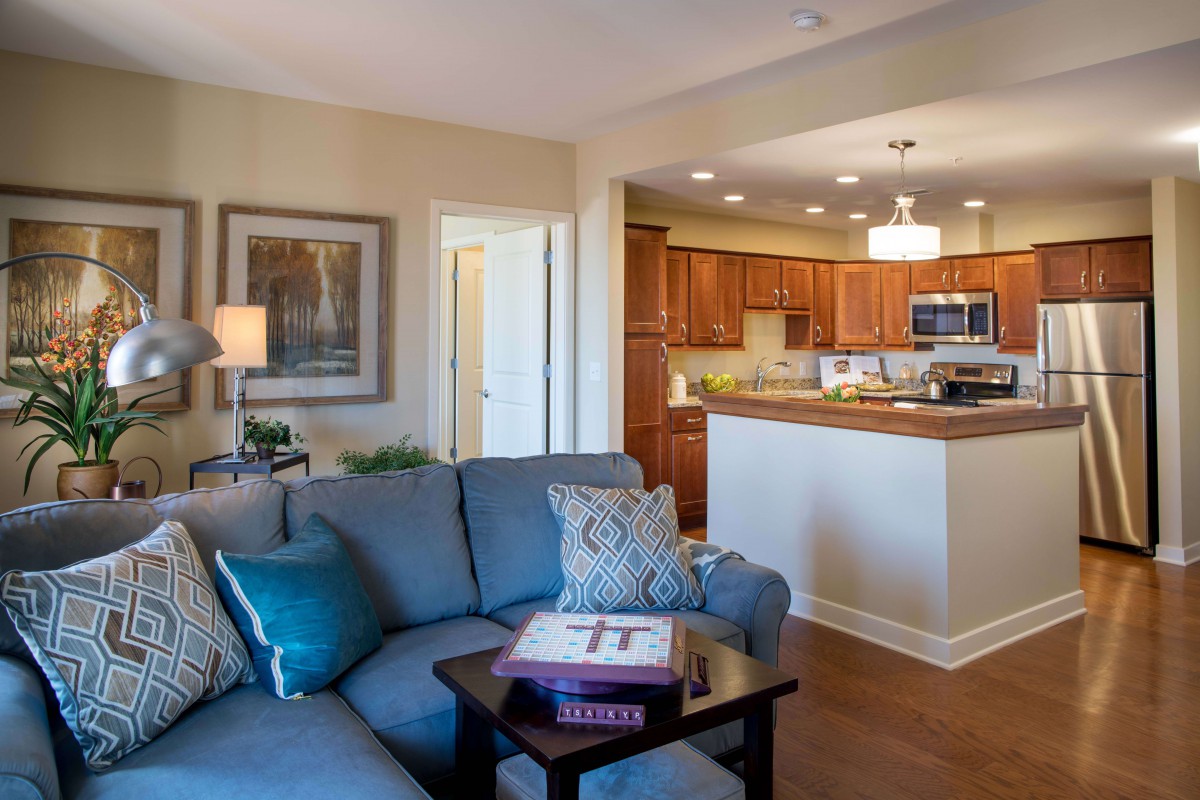
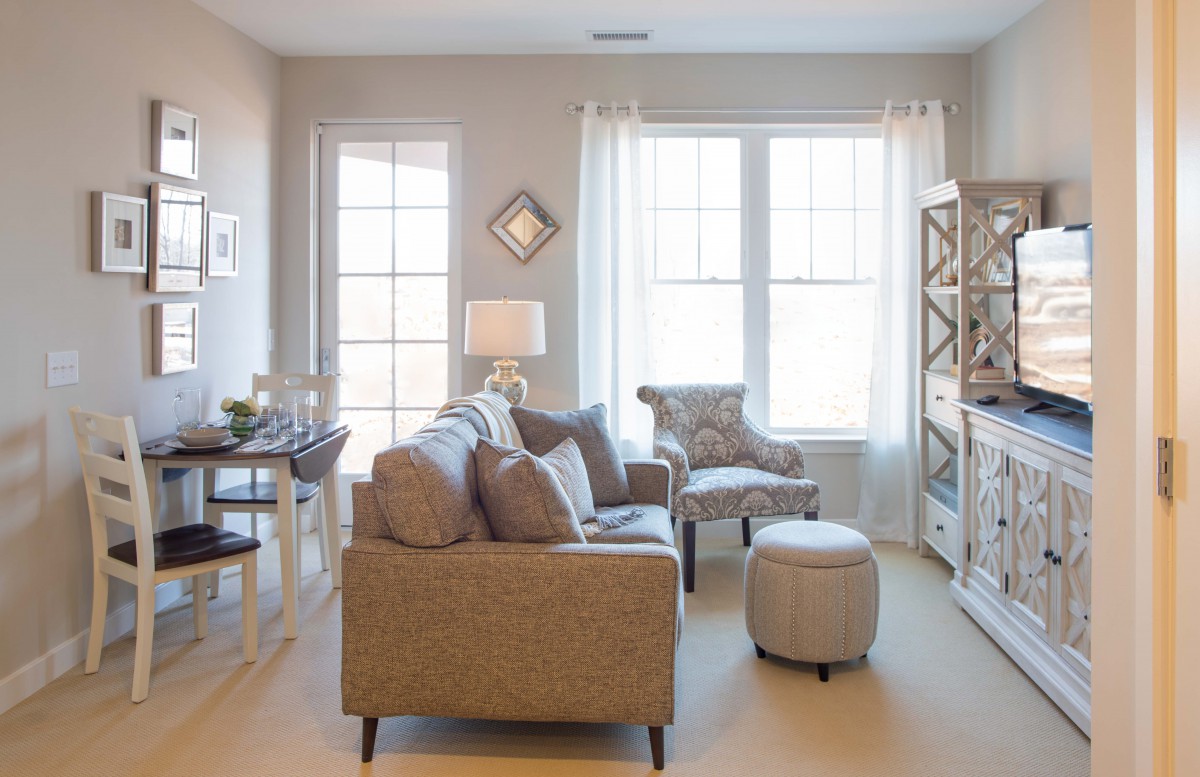
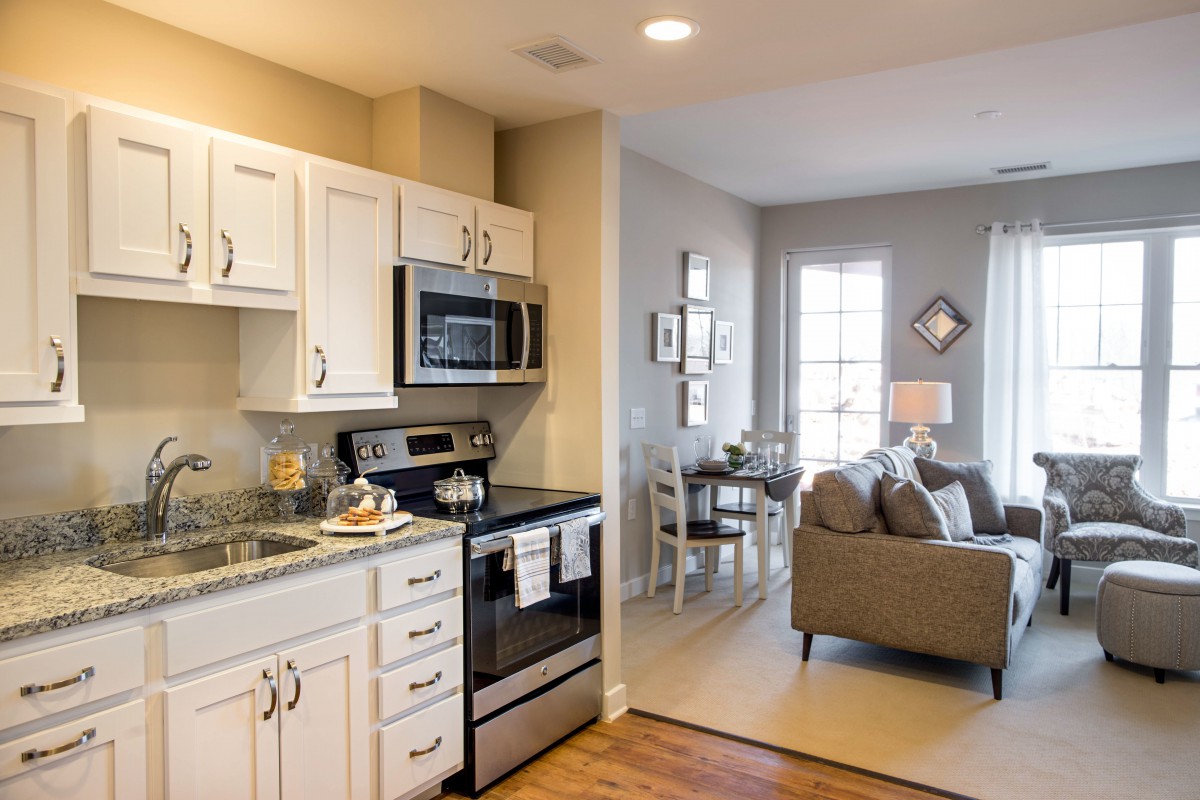
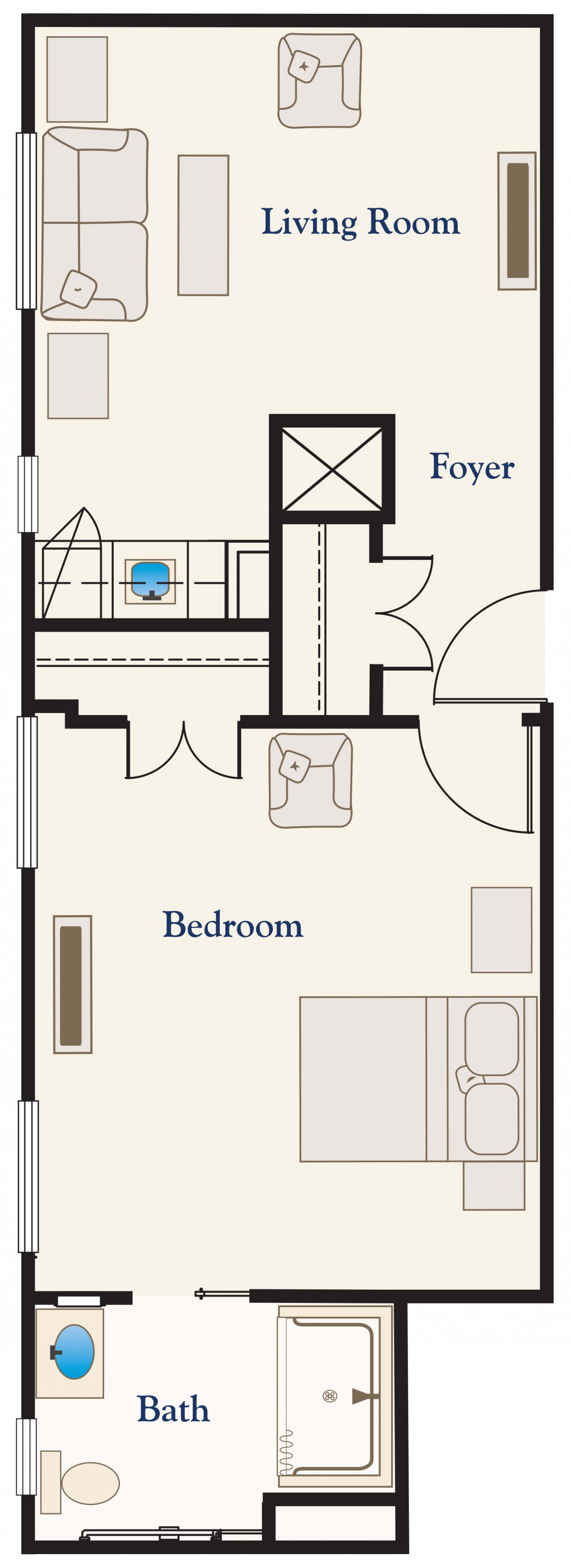
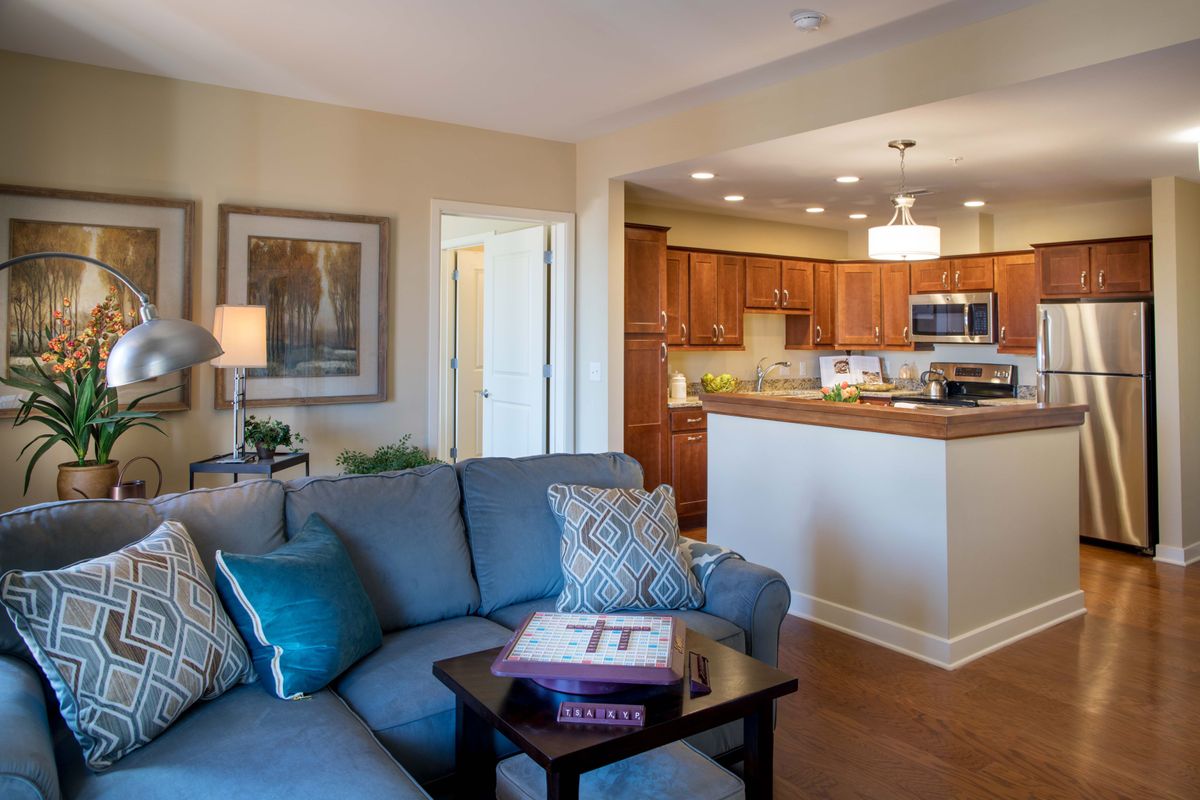
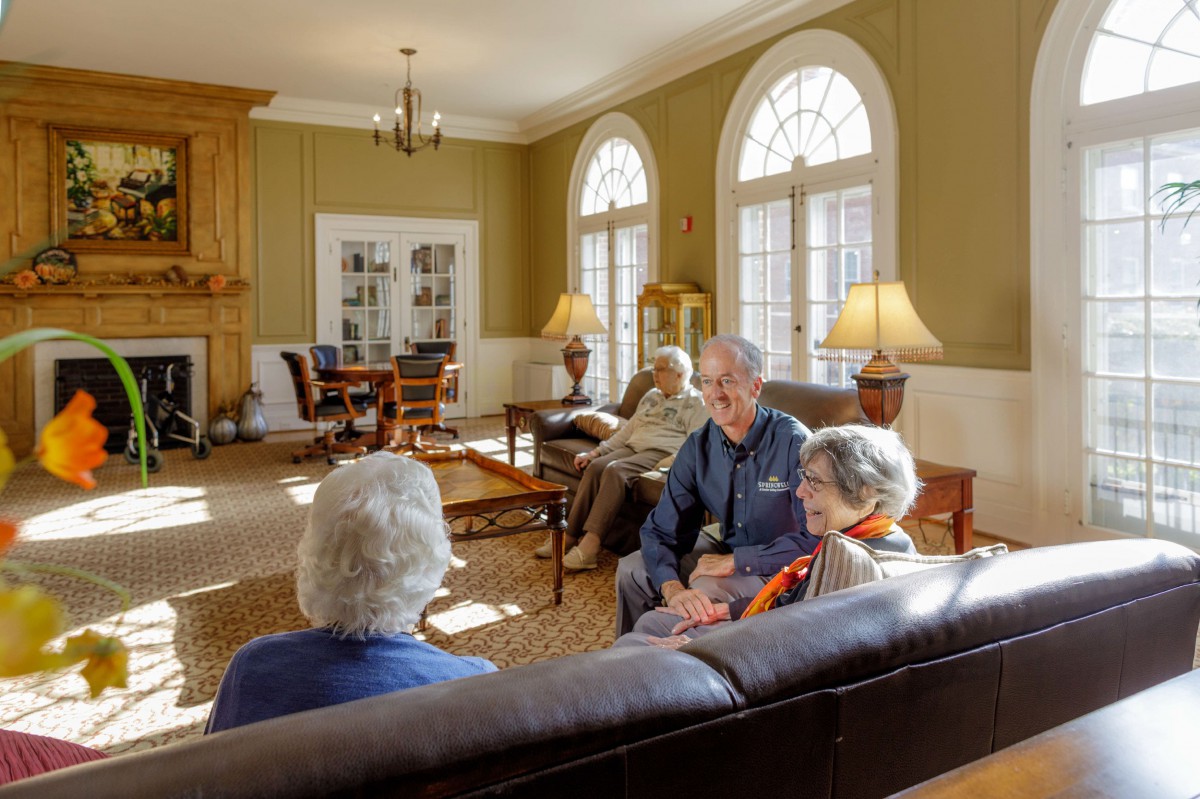
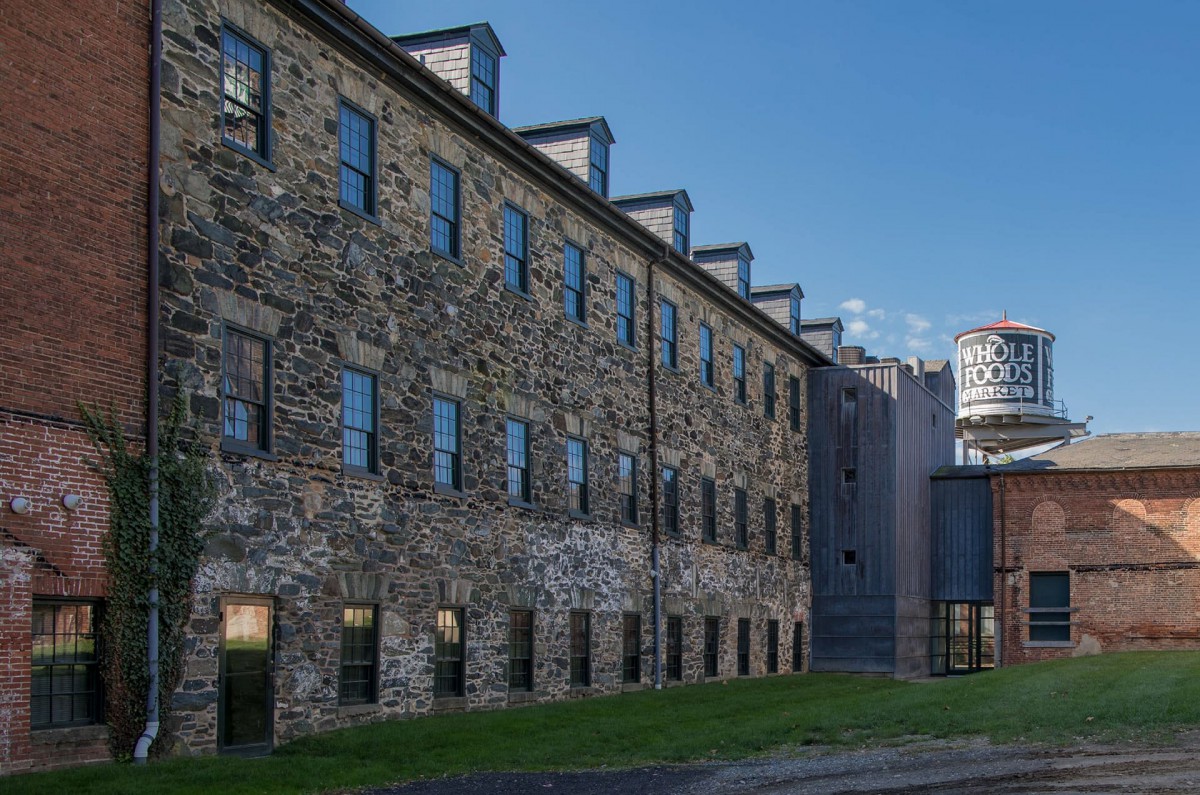
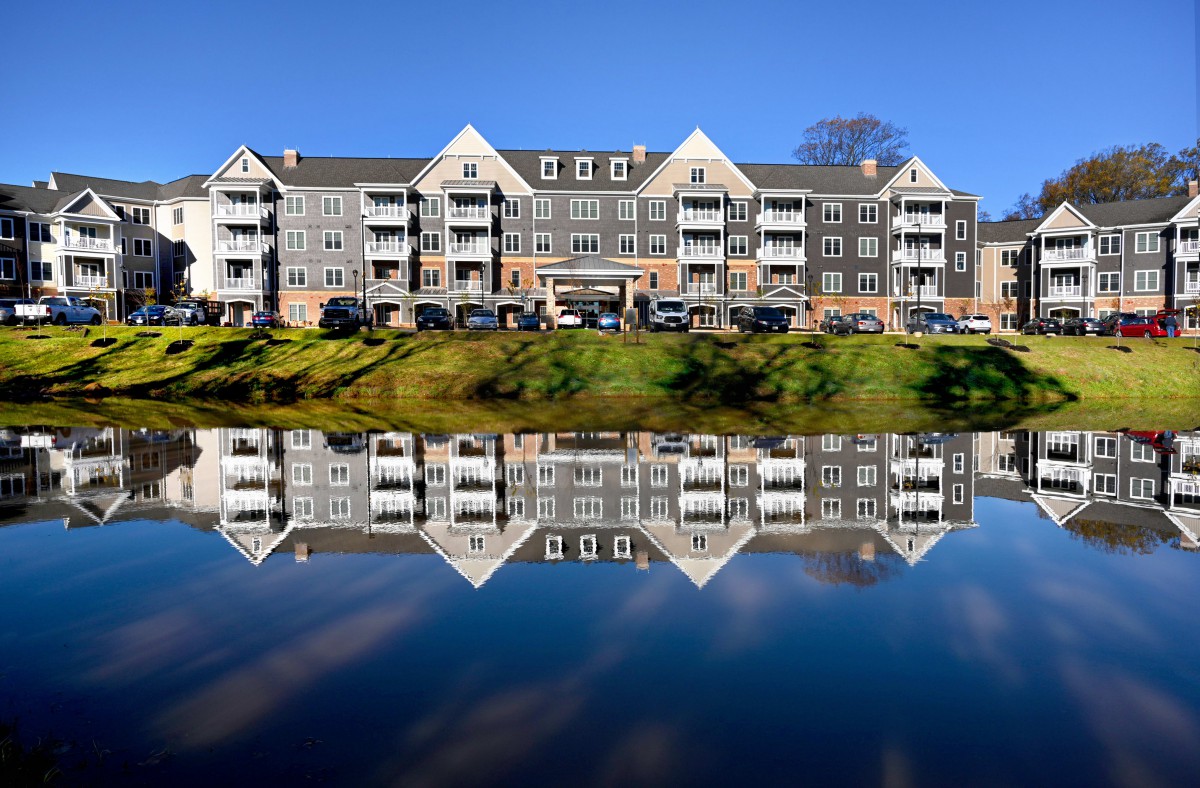
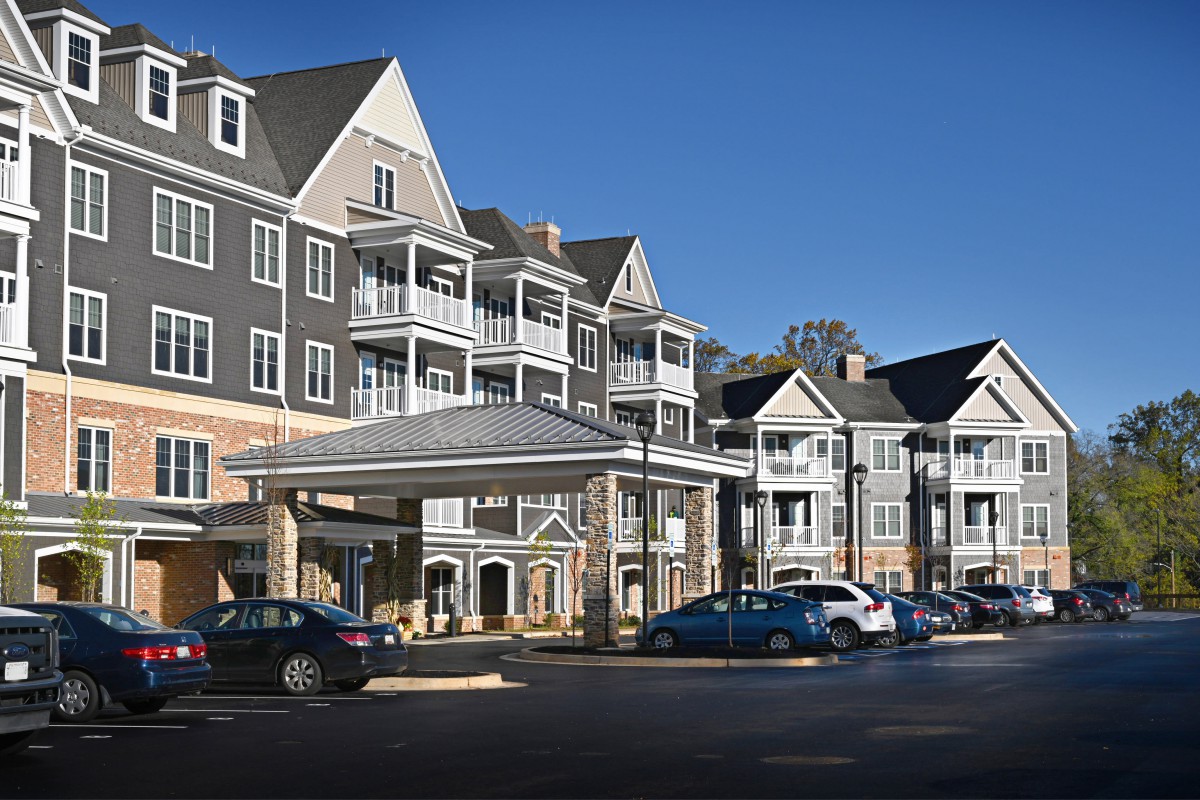
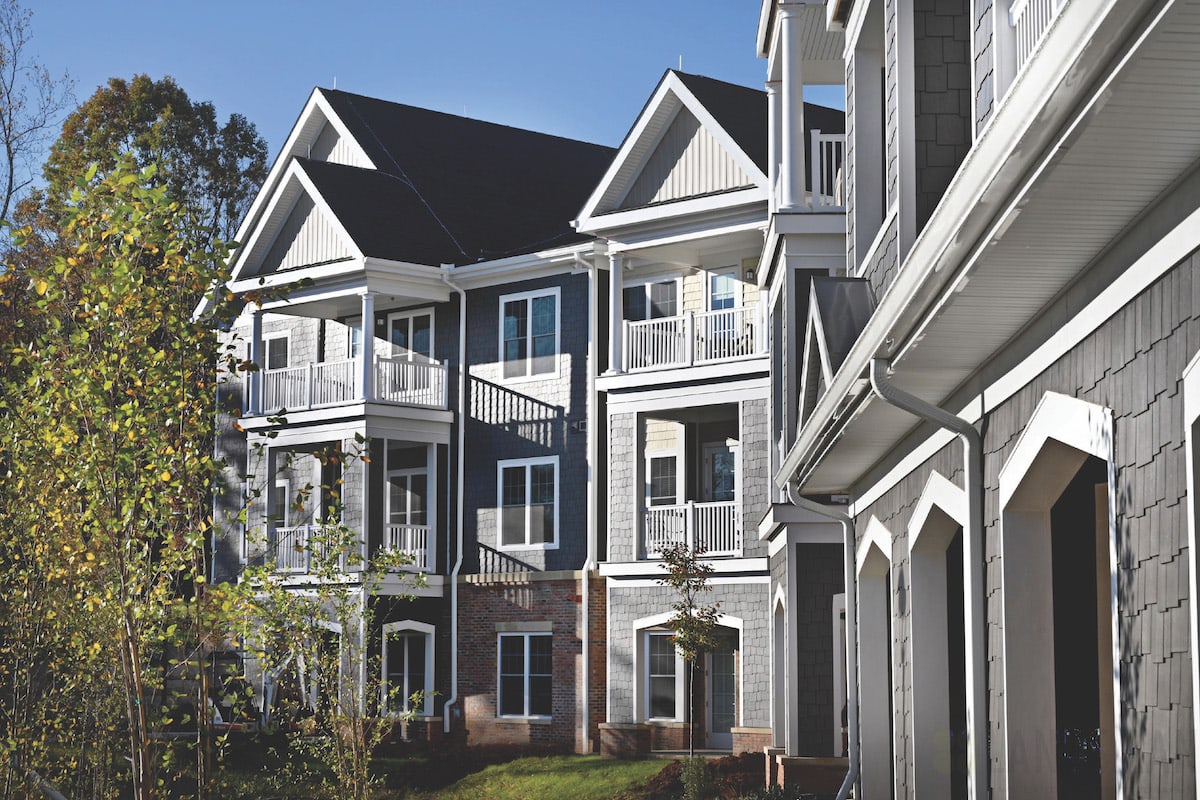
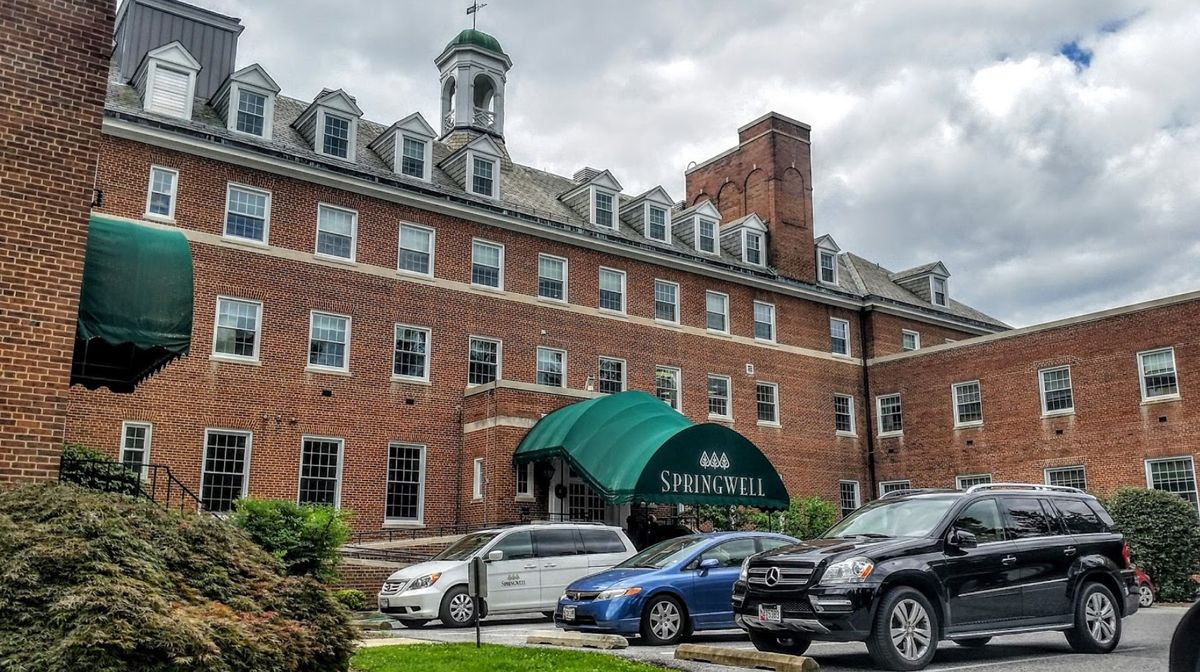
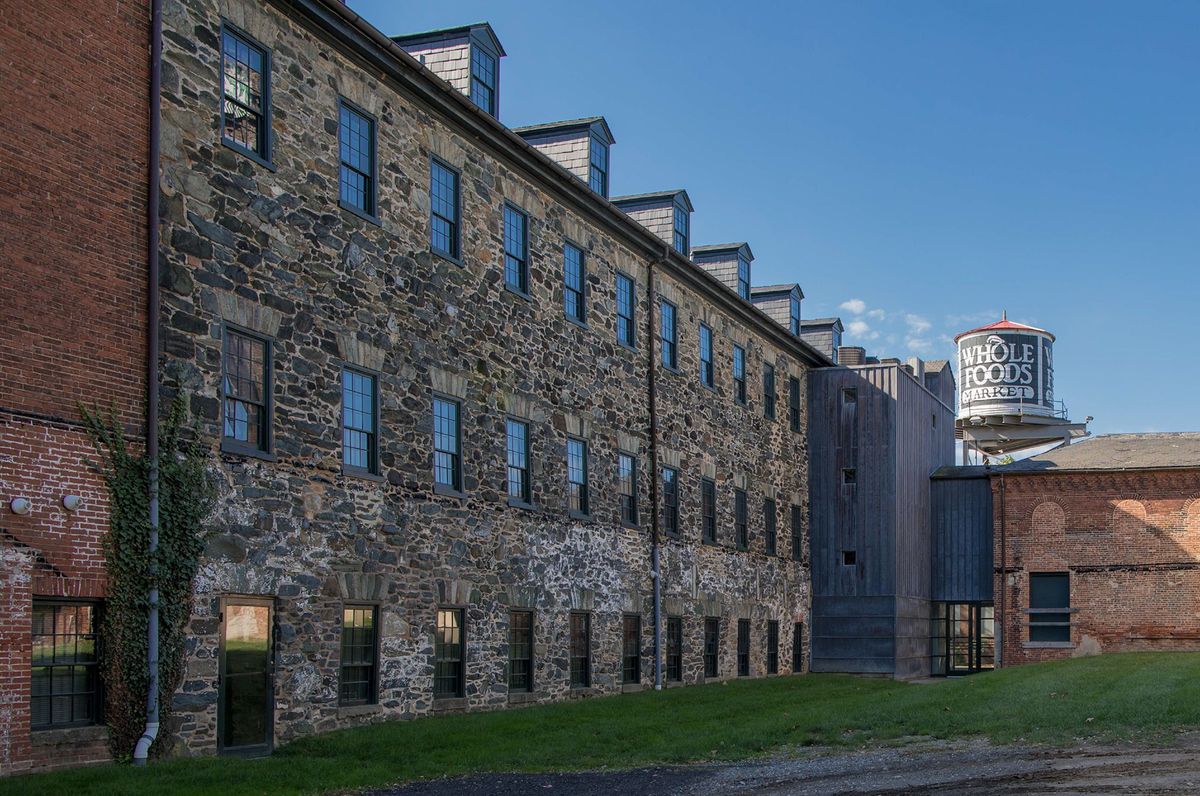
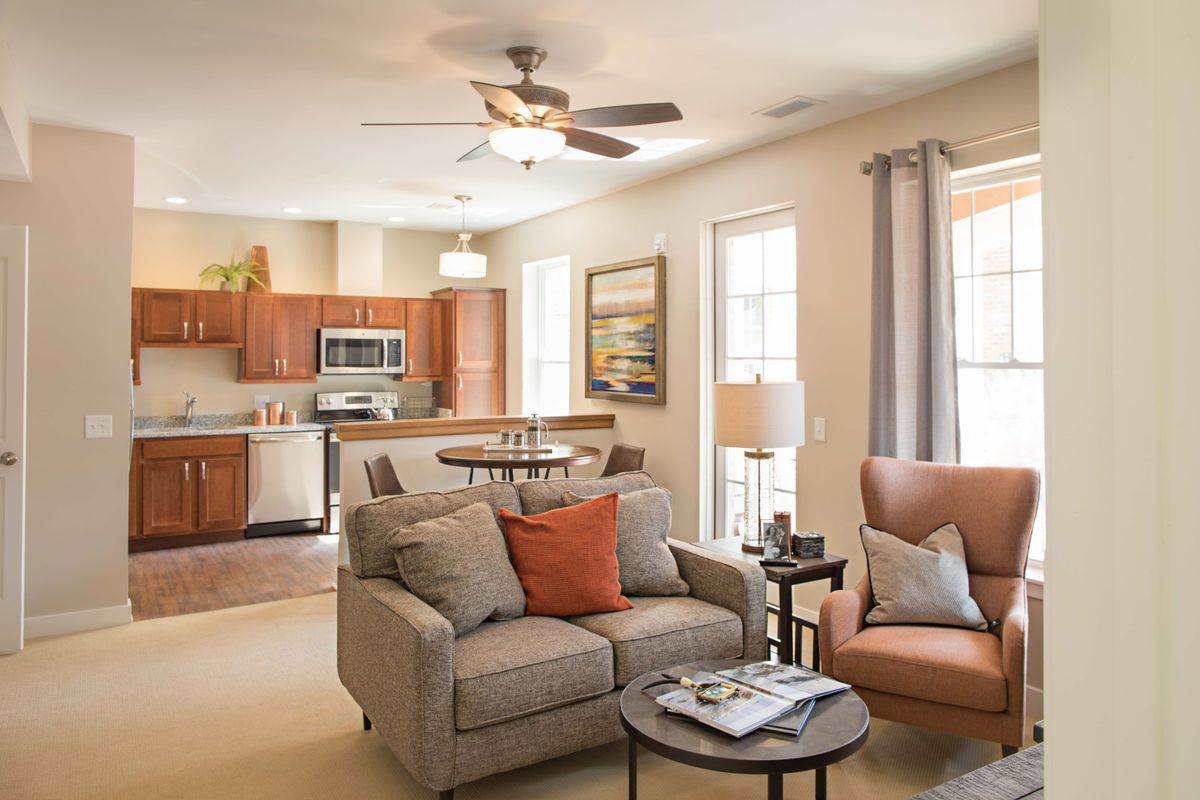
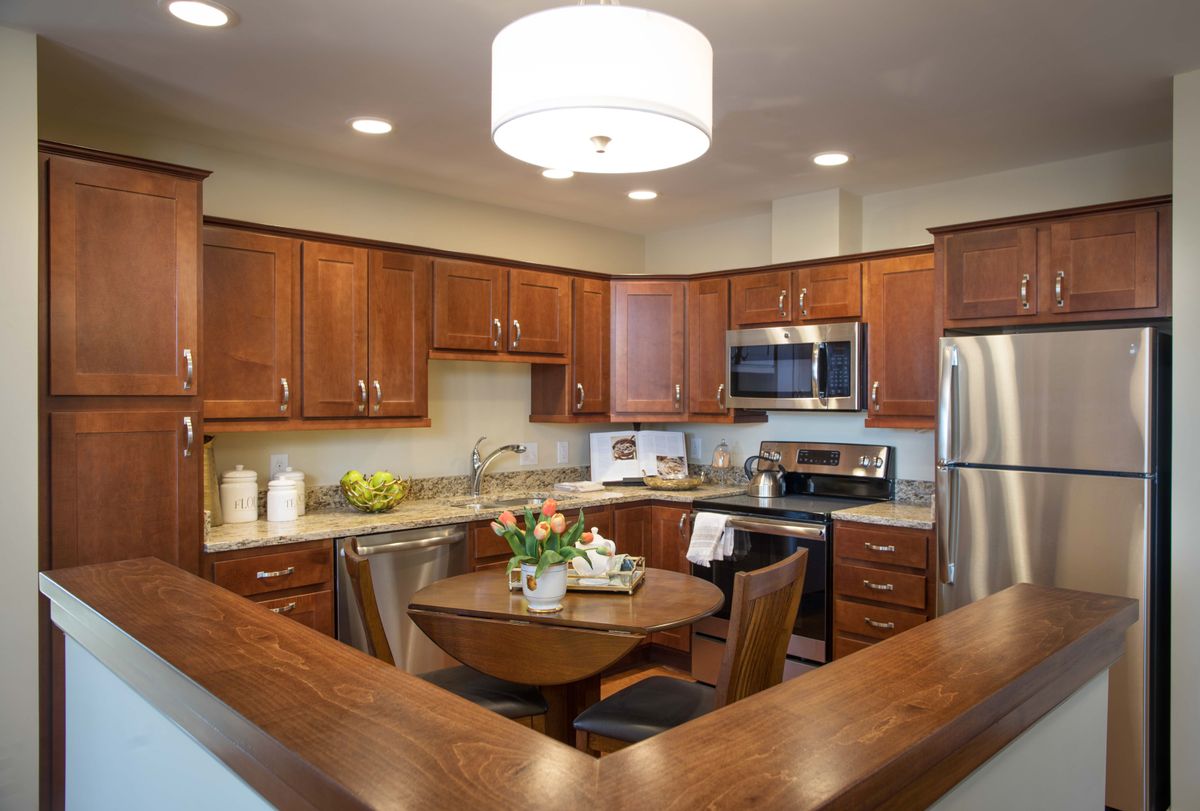
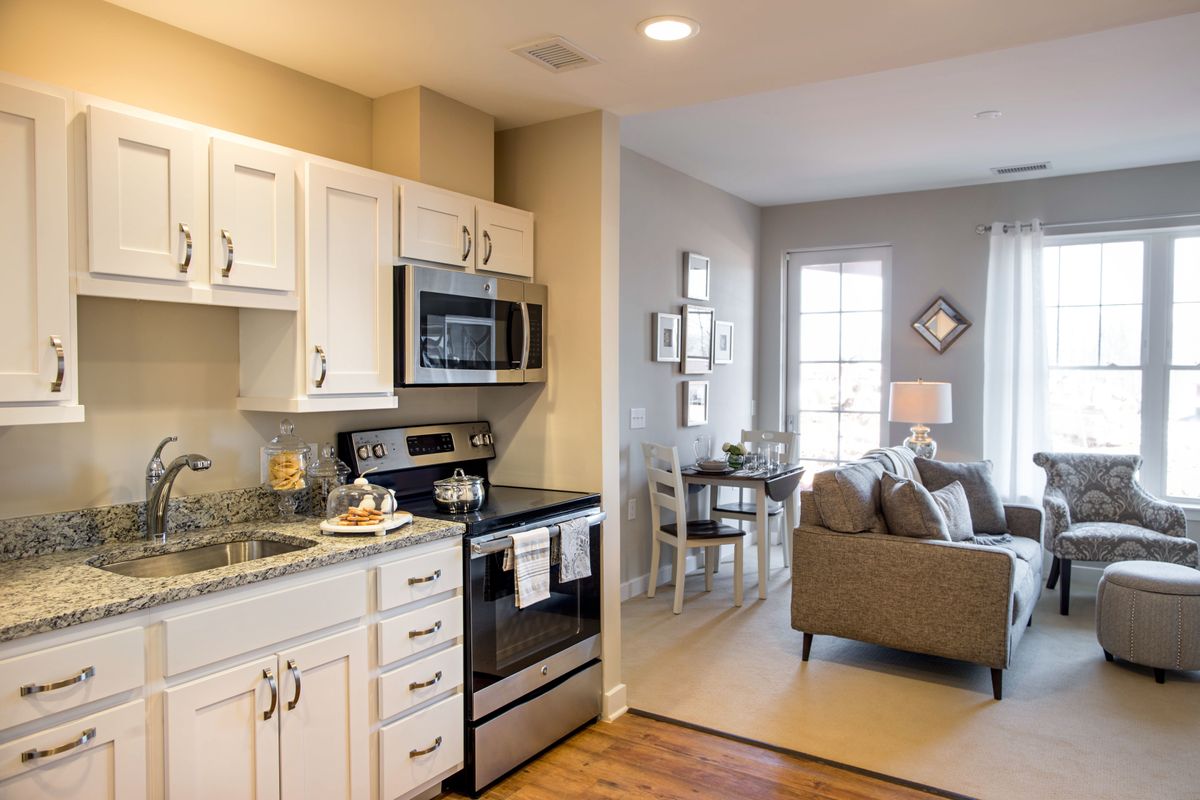
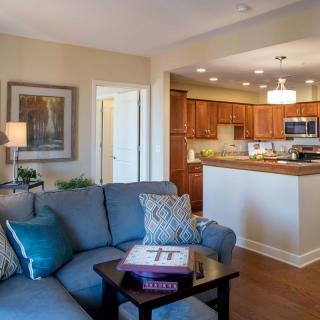
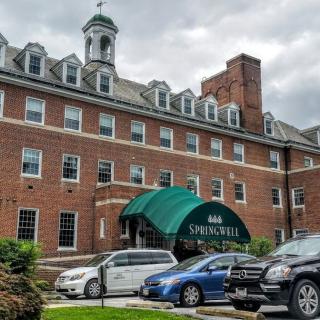
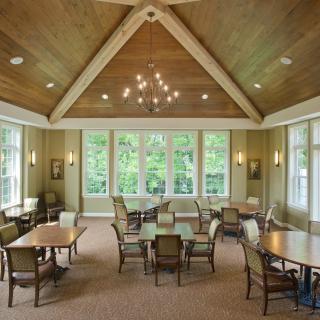
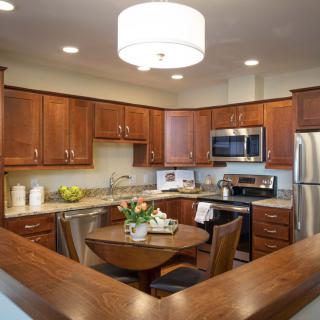
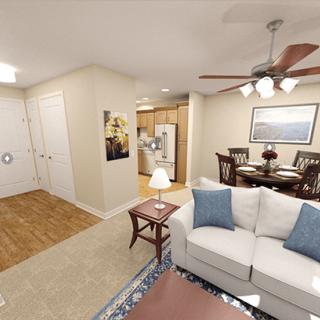
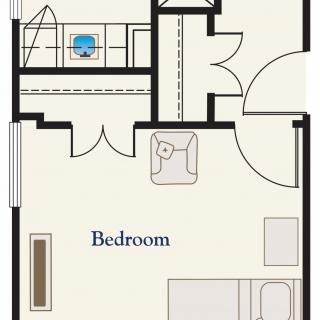
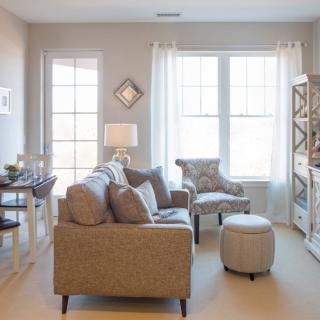
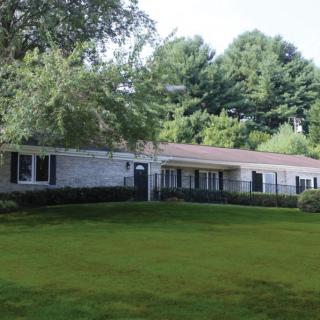
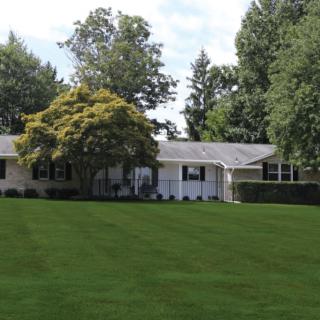
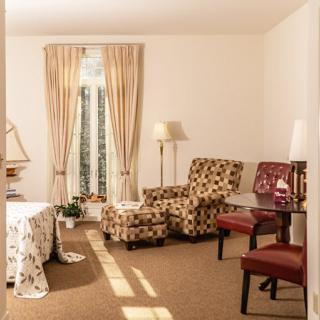
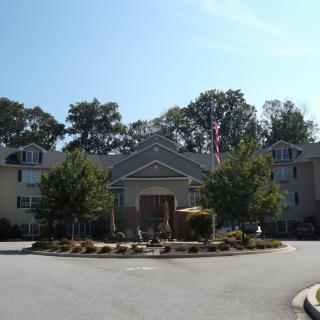
Springwell Senior Living Community on seniors.fyi includes 34 photos including images showing floor plan, interior, living room, bedroom, architecture, kitchen, decor, bathroom, and more.
Nearby Communities
Levindale Hebrew Ger Center & Hsp
Baltimore, MD
2.5 from 98 reviews
Extensive on-site amenities and 24/7 supervision, plus transportation, wellness, and diabetes-friendly dining.
Blue Point Healthcare Center
Baltimore, MD
2 from 73 reviews
Comprehensive amenities with 24/7 care and restaurant-style dining.
August House Assisted Living, Inc.
Baltimore, MD
4.2 from 64 reviews
Close to numerous amenities (cafes, parks, pharmacies, doctors, restaurants, hospitals).
Home Away From Home 2
Baltimore, MD
4 from 100 reviews
Small, intimate 4-resident community with 24-hour supervision and personalized care.
Golden
Baltimore, MD
Luxurious setting with personalized care and ample amenities.
Next of Kin - Woodcrest
Baltimore, MD
Small, intimate community (capacity 8) with comprehensive care, 24-hour supervision, ADL support, transportation to appointments, diabetes-friendly meals, and on-site dining and housekeeping.
Park View at Coldspring
Baltimore, MD
4 from 8 reviews
$885 / month
Friendly, knowledgeable management in a pleasant, convenient location.
St Mary's Roland View Towers
Baltimore, MD
4 from 10 reviews
$574 to $744 / month
Affordable rents with a friendly, well-kept community and on-site activities.
Autumn Lake Healthcare at Long Green
Baltimore, MD
4.2 from 106 reviews
Small, personalized setting with 24-hour supervision, ADL support, and furnished apartments.
Alzheimer’s disease is a progressive neurological disorder that significantly impacts memory and cognitive functions, accounting for 60-80% of dementia cases, with early diagnosis being crucial yet challenging. It involves brain changes like beta-amyloid plaques and tau tangles, influenced by genetic and lifestyle factors, and while there is no cure, symptom management and support for caregivers are essential.
Dementia, influenced by aging and certain medications, may be exacerbated by drug classes such as anticholinergics, benzodiazepines, and antipsychotics, which are associated with cognitive impairment. Regular medication reviews by healthcare professionals are crucial for older adults to manage risks and optimize cognitive health.
Dementia often results in disrupted sleep patterns, leading to excessive daytime sleeping due to factors like brain damage affecting circadian rhythms, medication side effects, and lack of structure in daily activities. Caregivers must monitor these changes closely, as oversleeping can increase risks such as malnutrition or dehydration, and provide necessary support and routines to enhance patient engagement and well-being.
Studio Apartment, Kitchenette, Living Space, and Room Design
Balcony
Open Space
Closet
Home Design
Modern Furniture
Home Interior, Caregiver, and Assistance
Awning and Brick Exterior
Lake and Water
Open Floor Plan
Open Concept
Lighting Fixture
Get PricingAsk A QuestionSchedule A TourContact Senior Advisor
By clicking submit, you agree to our Partner's Terms of Use. You
also consent to receive calls and texts, which may be autodialed, from our Partner. Your consent is not a condition to
using our Partner's service. Please visit our Partner's Privacy Policy for information about their privacy practices.







 151 resident community capacity
 Assisted Living
 Independent Living
 Memory Care
 Cats allowed
 Dogs allowed
 Activities off-site
 Air-conditioning
 Beautician on-site
 Cable or satellite TV
 Computer center
 Devotional services on-site
 Dining room
 Fitness room
 Full kitchen
 Fully furnished
 Gaming room
 Garden
 Ground floor units
 Handicap accessible
 Housekeeping services
 Indoor common areas
 Move-in coordination
 Outdoor common areas
 Private bathrooms
 Restaurant-style dining
 Small library
 Telephone
 Wellness center
 Wheelchair accessible showers
 Wi-Fi/high-speed internet available
 Baltimore-Washington International (13 miles away)
 Community operated transportation
 12-16 hour nursing
 24-hour call system
 Ambulatory care
 Assistance with bathing
 Assistance with dressing
 Assistance with transfers
 Diabetes diet
 Diabetic care
 High acuity care
 Incontinence care
 Medication management
 Mental wellness program
 Special dietary restrictions
 Art classes
 Catholic services
 Concierge services
 Day trips and outings
 Educational speakers / life long learning
 Happy hour
 Live dance or theater performances
 Live musical performances
 Wine tasting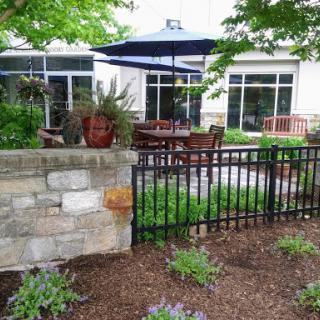
 Extensive on-site amenities and 24/7 supervision, plus transportation, wellness, and diabetes-friendly dining.


 Illuminating Insights About Alzheimer's Disease: Ten Crucial Realities
 A Thorough Discussion of Medications Potentially Linked to Dementia Risk
 Why Do Dementia Patients Sleep So Much? Understanding Oversleeping, Stages, and Care Approaches