
5813 Eurith Avenue, Baltimore, MD 21206
For more information about senior living options: (866) 208-4318

Overall Review of Sheila's Place
Pros
 They were hooked after trying the fish sandwich, noting it was delicious with a generous amount of fish.
- The food is amazing.
- It’s one of the best fish sandwiches in Baltimore, and it’s a neighborhood bar with a quiet, unassuming vibe.
- The order was served piping hot and arrived promptly.
- The staff were professional, welcoming, and knowledgeable with recommendations.
- The Big Shirley is well seasoned, hot and fresh.
- They would definitely be back for another visit.
Cons
 They never thought this place was open.
Review
Sheila’s Place in Baltimore is best suited for families seeking a low-stress, service-forward experience where dependable staffing, thoughtful hospitality, and consistently solid everyday offerings are the core value. The reviews paint a picture of a neighborhood-friendly vibe with staff who are professional, welcoming, and knowledgeable in making recommendations. In practical terms, this community appears ideal for residents who prize predictability, quick and reliable service, and a warm, unpretentious atmosphere over high-key programming or clinical intensity. The emphasis on quality and attentiveness suggests a setting that supports dignity, comfort, and social ease around meals and daily interactions.
Those evaluating senior living options should explicitly consider alternatives if medical complexity, 24/7 clinical supervision, or extensive daily programming are required. The material available centers on hospitality and food experiences rather than medical care, safety nets, or structured activities typical of traditional assisted living. If a prospective resident needs robust on-site healthcare, mobility assistance, fall prevention measures, transportation to appointments, or a dense calendar of social engagement, a more comprehensive care community may be warranted. In short, Sheila’s Place is not a substitute for care-focused campuses; it is a compelling complement for people who prioritize atmosphere and service quality.
The strongest pros, professional and welcoming staff, consistent front-of-house service, and a reputation for reliability, align well with the realities of daily living in a senior-adult environment. Residents and families can count on staff who remember preferences, provide timely guidance, and create a sense of belonging during everyday dining and social moments. The assurance of hot, fresh meals and a “will be back” sentiment from diners translates into a social currency: predictable, positive interactions that reduce daily friction and help sustain a sense of normalcy. The downside, however, is the absence of documented care features, safety protocols, or medical oversight in the reviews, which means the positive dining experience cannot substitute for the safeguards and supports that many elders require in assisted living.
From a decision-making standpoint, the offset between pros and cons hinges on needs beyond meals. The restaurant-like strengths translate into clear advantages for households seeking companionship and routine around dining plus staff who can provide courteous, responsive service. Yet the lack of explicit information about care staffing ratios, medication management, emergency response capabilities, mobility assistance, or safety enhancements means these elements remain uncertain. For families, the implication is simple: the favorable service culture and high-quality food are compelling, but they do not address the core care requirements a true assisted living setting must meet. If these needs exist, the conclusion is to pursue facilities that integrate medical oversight with social programming.
Practical next steps for families are straightforward. When evaluating Sheila’s Place as part of a broader living plan, verify whether any on-site care components exist or are planned, and ask for specifics on supervision, response times, and safety features if care needs escalate. Request detailed information about meal accommodations for dietary restrictions, convenience of dining options for residents with limited mobility, and how the staff handles logistics like transportation to appointments or social events. Schedule a firsthand tour focused on common areas, dining service routines, and interactions between staff and residents, and speak with current residents about their daily routines and how their needs are met. Finally, benchmark against other communities that couple strong hospitality with formal care services to ensure a comprehensive fit.
In the end, Sheila’s Place offers a compelling value proposition for families prioritizing warmth, reliability, and social ease in daily dining and interaction. It shines as a venue where staff professionalism and high-quality meals create a stable, pleasant milieu. However, for residents whose needs center on medical oversight, intensive daily care, or robust safety infrastructure, alternatives with integrated care capabilities are essential. The prudent path is to treat Sheila’s Place as a strong companion option within a broader care strategy: leverage its strengths for everyday comfort and companionship while ensuring a clearly defined care plan elsewhere for medical and safety needs.
 7 resident community capacity
 Assisted Living
 Cable or satellite TV
 Dining room
 Fully furnished
 Garden
 Housekeeping services
 Move-in coordination
 Outdoor space
 Telephone
 Wi-Fi/high-speed internet available
 Baltimore-Washington International (14 miles away)
 24-hour supervision
 Activities of daily living assistance
 Assistance with bathing
 Assistance with dressing
 Assistance with transfers
 Diabetes diet
 Meal preparation and service
 Medication management
 Special dietary restrictions
 Transportation arrangement (medical)
 Transportation to doctors appointments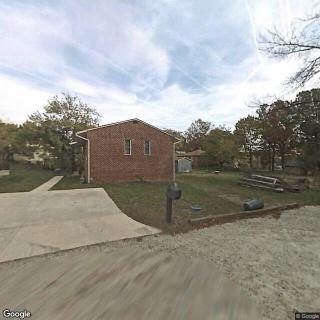





 Funding and Affording Assisted Living: A Thorough Overview
 Assisted Living Expenses and Long-Term Care Insurance: A Comprehensive Exploration
 Securing Financial Support for Assisted Living: A Comprehensive Overview