
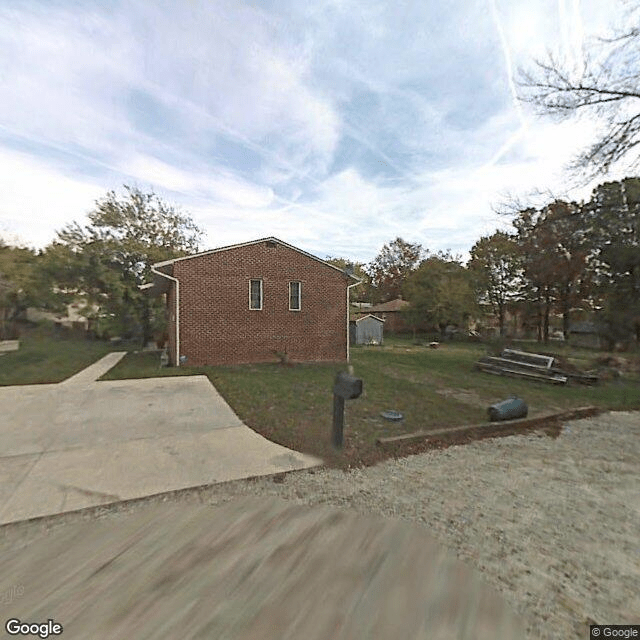
4802 Wendel Ave, Baltimore, MD 21206
To contact a resident: (443) 762-0314
For more information about senior living options: (866) 208-4318
Olive Living Assisted Living, LLC Costs & Pricing
Olive Living Assisted Living, LLC offers competitive pricing for its residents compared to both Baltimore City and the broader state of Maryland. For a semi-private room, residents at Olive Living benefit from a monthly cost of $2,500, significantly lower than the city's average of $3,116 and the state average of $3,545. Similarly, the private room option is priced at $4,000, which remains below Baltimore City's rate of $3,729 and closely aligns with Maryland's average of $4,112. This pricing structure not only reflects Olive Living's commitment to affordability but also positions it as an attractive choice for those seeking quality assisted living services within the region.
| Floor plans | Olive Living Assisted Living, LLC | Baltimore city | Maryland |
|---|---|---|---|
| Semi-Private | $2,500 | $3,116 | $3,545 |
| Private | $4,000 | $3,729 | $4,112 |
Senior living communities with a similar price nearby
-
from +$475 / mo
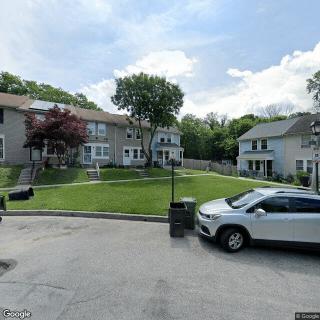
Gneale Home Care
$2,975 / month9.2 miles away -
from -$100 / mo

Seeds of Compassion ALF
$2,400 / month21.1 miles away -
from +$200 / mo

Pat's Golden Girls
$2,700 to $3,200 / month13.3 miles away -
About the same

Almost Like Home, Inc
$2,500 to $3,500 / month8.5 miles away -
from +$200 / mo

Angels Among Us
$2,700 to $7,000 / month9.2 miles away
Overall Review of Olive Living Assisted Living, LLC
Pros
 The facility is always clean and the residents are happy.
- The owners and staff are delightful, creating a welcoming, home-like environment.
- Olive Living offers a home environment with attentive care and home-cooked meals.
- Families receive regular updates via texts and photos, keeping them connected.
- The community is very caring and genuinely attentive to residents' needs.
- The food is good, the facility is spotless, and staff make efforts to offer variety to encourage eating.
Review
Olive Living Assisted Living, LLC in Baltimore is best suited for seniors who prize a warm, home-like setting where care feels personal and consistently attentive. The community excels when residents respond to intimate staff relationships, daily routines that resemble a family home, and a clean, orderly environment. Families report that residents appear happy, and observers note that the staff are approachable and genuinely engaged. Inquiries about care are answered with regular, reassuring updates, texts and photo messages, that help families feel connected even when visits are infrequent. This model works particularly well for those needing steady, compassionate companionship and routines that emphasize dignity and comfort, including individuals navigating memory challenges who benefit from a home atmosphere.
Those weighing alternatives should consider the level of medical oversight and programming that will be necessary over time. If 24/7 skilled nursing, larger campus amenities, or formal memory-care programming with structured activities and therapy options are priorities, Olive Living may not be the best fit. For families seeking a more clinical setting, or a facility with broader on-site services, a bigger assisted living or a dedicated memory-care residence could better align with long-term needs.
Key advantages center on cleanliness, attentiveness, and a family-like culture. The property is described as spotless, with staff and owners described as delightful and genuinely caring. Residents receive ample personal attention, and staff are attentive to every detail, including meals and daily routines. These strengths offset potential limits that come with a smaller footprint, such as fewer specialized offerings or rigid schedules. In practice, the care philosophy translates into rapid responses to needs, steady encouragement, and a sense of being seen and valued every day.
Memory-care considerations are central in these reviews. A loved one with dementia benefits from a home-like setting where meals feel comforting and staff know preferences, making "home-cooked" meals more than a descriptor. Regular updates, texts and photos, help families stay connected with progress and daily moments of kindness. The sentiment that residents are doing better after the move, along with appreciation for the staff's attention, indicates that the intimate care model can yield meaningful improvement in well-being, at least in early-to-mid stages. For families worried about isolation, this model offers meaningful social contact, predictable routines, and visible signs of care.
Pricing, schedule flexibility, and the availability of private spaces for family time are practical factors to verify during tours. The reviews imply a stable, low-friction living experience where cleanliness and good meals enhance quality of life. Prospective residents should confirm how dietary preferences are accommodated, what activities are offered, and how family communication is handled on an ongoing basis. The organic, evolving care described, staff proposing new menu ideas and staying connected through regular updates, means this setting often suits those who value relational care over institutional polish.
Bottom line: Olive Living Assisted Living provides a compelling, affectionate, home-centered option for seniors who need steady caregiving, strong daily interaction, and transparent family communication. It shines for dementia-adjacent care and for residents who thrive on a calm, predictable environment. Those needing intensive medical oversight, large-scale amenities, or specialized memory-care programs should consider alternatives, but for families seeking a trusted, low-drama home experience, Olive Living warrants careful consideration and a personal visit to confirm fit.
 Board and Care Home
 Activities on-site
 Devotional services off-site
 Indoor common areas
 Outdoor common areas
 Private
 Baltimore-Washington International (14 miles away)
 Ambulatory care
 Diabetic care
 Incontinence care
 Medication management
 Meals provided



 Understanding the Nuances of Palliative Care and Hospice: A Comprehensive Exploration
 Fecal Incontinence in Older Adults: A Comprehensive Guide
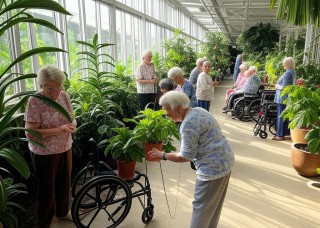 Nurturing Well-Being Through Gardening: A Detailed Guide for Senior Enthusiasts