
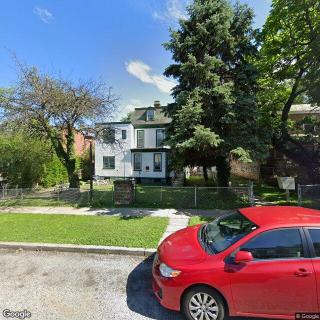
3825 Park Heights Avenue, Baltimore, MD 21215
For more information about senior living options: (866) 208-4318
Overall Review of Phil 4:13 Assisted Living
Cons
 They are frustrated that documents cannot be downloaded from their computer.
- The property manager would not accept their documents and claimed the application was lost in the system.
- They state their birth certificate has been lost since then.
- They face delays in obtaining another birth certificate because they are from Pennsylvania, which they consider beyond their control.
- They criticize the building as tacky with poor management and constant inspections.
Review
Phil 4:13 Assisted Living in Baltimore is best suited for seniors who want a recently built, modern living environment and can tolerate a hands-on admissions process. This community seems to appeal to residents who are willing to advocate for themselves during the move-in phase and who value fresh construction, contemporary finishes, and the potential for prompt availability of a rental unit. The setting can be a good fit for independent or lightly supervised seniors who don’t require urgent, rapid intake but do expect a property that feels new and well-kept. In short, it rewards residents who can navigate the administrative side without relying on flawless front-desk readiness.
Those who should seriously consider alternatives include families prioritizing predictable, streamlined admissions and a uniform, responsive process. The current mix of experiences suggests that cross-cutting administrative issues can complicate a move, especially for applicants with time constraints or fragile financial/identity documentation. If relying on staff to shepherd paperwork, verify applications, or tolerate delays is not acceptable, exploring other options with stronger, more consistent admissions support is prudent. Out-of-state applicants who must satisfy state ID requirements should know that paperwork handling may become a bottleneck rather than a benign hurdle.
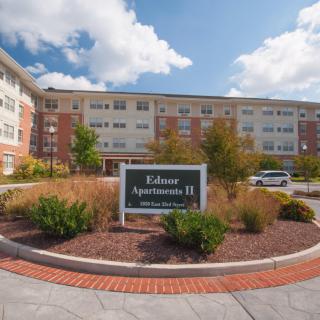
On the positive side, a freshly constructed facility typically brings up-to-date safety features, efficient layouts, and a sense of modern durability that residents notice and enjoy day to day. Availability of a unit, in at least one account, an apartment becoming open, speaks to a capacity to accommodate new residents when the timing is right. For residents who prize a low-risk, cosmetically appealing environment and who can schedule around imperfect administrative moments, these structural advantages can contribute to a satisfying living experience. The building’s freshness itself can offset some frustrations with service gaps if the care plan and social programming prove solid once inside.
The strongest drawbacks center on admissions and document handling. Reported issues include a staff member who could not locate the applicant’s file, an online-to-offline disconnect, and a system that “lost” the application. The insistence that birth certificates or state IDs be presented, and the lengthy timelines sometimes required to obtain such documents, pose real risks for move-in schedules, particularly for residents transferring from neighboring states. Inconsistent reception from management, including resistance to accepting full documentation when presented, amplifies stress and can derail what should be a straightforward transition. These operational weaknesses erode confidence in a smooth, reliable start.
Yet the positives can still offset the negatives, provided the admissions friction is corrected quickly. A modern, well-maintained property offers predictable maintenance, attractive common spaces, and potential for better energy efficiency and comfort. If the facility backs this up with a dedicated, accountable admissions liaison, transparent timelines, and proactive help with document requirements, such as accepting provisional proof or guiding out-of-state applicants through the ID process, the overall value rises materially. The mismatch between environment quality and administrative reliability is the key tension to resolve.
Practical next steps for families considering Phil 4:13 are concrete. Request a single point of contact in admissions who handles all documents and can provide a real timeline for move-in, with written confirmations. Confirm whether there is flexibility on required documents or a staged intake plan for residents awaiting essential IDs or birth certificates. Ask for recent, specific references from residents about the admissions experience and the staff’s responsiveness. Compare these admissions practices with other Baltimore-area communities that emphasize transparent processes and consistent file handling. If those questions yield satisfactory answers, the combination of a modern setting and solid care can make this a compelling choice; if not, it’s prudent to pursue alternatives with stronger administrative reliability and clearer timelines.
 7 resident community capacity
 Assisted Living
 Cable or satellite TV
 Dining room
 Fully furnished
 Garden
 Housekeeping services
 Move-in coordination
 Outdoor space
 Telephone
 Wi-Fi/high-speed internet available
 Baltimore-Washington International (11 miles away)
 24-hour supervision
 Activities of daily living assistance
 Assistance with bathing
 Assistance with dressing
 Assistance with transfers
 Diabetes diet
 Meal preparation and service
 Medication management
 Special dietary restrictions
 Transportation arrangement (medical)
 Transportation to doctors appointments
 Comprehensive amenities and coordinated care.
 Medicare Coverage for Assisted Living: An In-Depth Exploration
 Choosing the Right Senior Care: A Detailed Exploration of Assisted Living and Nursing Homes
 Understanding the True Cost of Assisted Living in 2025: A Comprehensive Guide