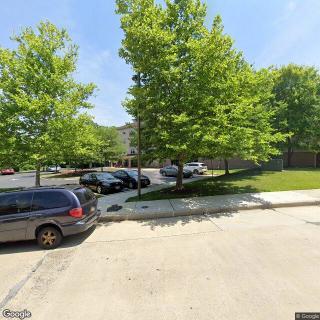
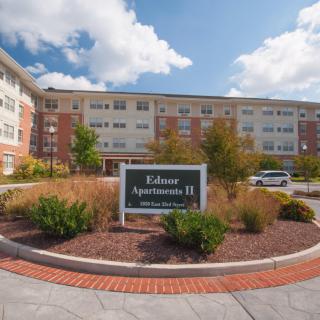
Habakkuk 2:3 Assisted Living

3817 Reisterstown Road, Baltimore, MD 21215

For more information about senior living options: (844) 490-3973

3.8 from 31 reviews
5 stars
19
4 stars
2
3 stars
1
2 stars
2
1 stars
7

Assisted Living

Overall Review of Habakkuk 2:3 Assisted Living

Pros

  • pro The leadership under Sandra Oliver is credited with delivering five-star medical and administrative care.
  • pro The staff are described as caring, dedicated, and compassionate.
  • pro The community is clean, refreshing, and feels like a family.
  • pro The facility offers engaging activities and social programs that enhance residents' lives.
  • pro Individual staff members are frequently acknowledged for exceptional care (AJ, Katrina, Ivy, Catherine, Lima, Kia, Angela, Terry, Danielle, Nova, Mike, Azna, Louis, Juliette).
  • pro La'Keia Brown is recognized for helping families move their loved ones in quickly and smoothly.
  • pro Derrick, the Facility Director, is praised for addressing issues promptly and making residents feel valued.
  • pro Overall, Springhouse is portrayed as a wonderful, safe, and supportive community.

Cons

  • pro The reviewer felt administrative services were slipping under the facility's leadership.
  • pro The reviewer described the executive director as dismissive and closing the matter without investigation or proof.
  • pro The reviewer alleged a theft of a cell phone occurred on the premises and felt staff did not assist adequately.
  • pro The reviewer stated the facility was short-staffed, with caregivers not always certified, and residents were served meals on paper plates with cold food.
  • pro The reviewer criticized poor communication among staff and that care promises in the contract were not being met.
  • pro The reviewer reported financial concerns, including a declined credit card and suspicious charges after leaving belongings in the facility.
  • pro The reviewer argued that security for valuables was insufficient, implying that visitors should not expect their items to be secure.

Review

SpringHouse has long been a source of strong praise in this family's experience, rooted in the leadership of Sandra Oliver and the high level of medical care that accompanied it. For years, the care extended beyond the patient to family members as well: my brother, then my husband and I, and eventually my 92-year-old mother-in-law benefited from what we regarded as five-star medical attention and service. Sandra Oliver's leadership left a lasting impression, and while she passed away last year, the memory of the standard she set remained a benchmark for the care we expected. Those early years also built a deep trust that SpringHouse would attend to both medical needs and the practical, administrative side of living in an assisted setting.

Over time, however, I began to notice a troubling drift in the administrative experience. It wasn't about the day-to-day medical care, which many residents and family members continued to celebrate; it was the administrative and logistical support that began to feel inconsistent. The most vivid and distressing example came on Tuesday, July 8, 2025, when I visited my brother in his room after his outpatient hernia repair. I went straight to the wellness center to relay his discharge instructions to the nursing staff. During this visit, a SPAM call appeared on the phone I was holding, and as I disconnected it, I realized both of the phones I had been carrying were still in my bag. After finishing with the nurse, we took the elevator to my brother's third-floor room, where the situation quickly escalated into a concern about the safety of personal belongings.

In the course of helping my brother settle in - carrying a water supply for his needs, placing my bag on a raised table, and having multiple SpringHouse staff, including an aide, a dietary staff member, and a housekeeper who dropped off a basket of clean laundry in the room - the bag contained two cell phones. When I left the room and later exited the building to the car, I checked my bag again and found only one phone remained. I returned to the front desk and asked if any phone had been turned in; the receptionist said no. I then questioned my brother's caregiver and witnessed a remark in front of witnesses that "people be stealing stuff all the time around here." The distress was mounting, and the concern about the personal property in a care facility was undeniable.

The next day I spoke with the executive director, hoping for a careful, professional response. Instead, the exchange felt defensive. The director suggested there was "nothing to act upon because we haven't had thefts since I arrived in February," and questioned how I could prove I had entered with two phones. I reminded her of the SPAM incident near the nurse, but she persisted in a dismissive tone, implying that "visitors to a patient's room should have no expectation their valuables won't be stolen." The conversation effectively closed with the claim that "there's no proof of any theft," leaving me frustrated and unsettled. In the days that followed, I proceeded with a police report to document the incident, and I learned that my credit card had been declined in a supermarket the next day, with several suspicious attempts on my account. The bank indicated those attempts coincided with the time my bag - with the two phones - was left at SpringHouse, and then reduced to one.

These events occurred within a broader context of mixed experiences across the SpringHouse community. Across reviews, there is a clear pattern: many residents and families describe exemplary medical care and a caring, engaging environment that is full of life. Yet they also report recurring administrative and operational challenges - briefly staffed teams, concerns about whether all caregivers are fully certified, and occasional lapses in everyday logistics such as meals and housekeeping. Some reviewers point to consistent, positive attributes: strong safety measures, a lively social calendar, and a sense of community among residents. Others flag frustrations with communication gaps, slow responses to care issues, and a perception that the facility can be overwhelmed by staffing shortages or turnover.

What stands out in a more balanced light are the individuals who have become touchpoints for care and consistency, even amid others' concerns. Many residents and families sing the praises of specific staff members who have made meaningful contributions. Names that repeatedly appear as highlights include La'Keia Brown, the marketing director who has helped expedite moves and ease transitions; Louis and Juliette at the front desk; Catherine and Lima in caregiving; Kia and Angela in med tech; Terry, Danielle, Nova, Mike, and Azna among the nursing team. Ivy in caregiving and AJ, the head of nursing, surface as particularly capable and compassionate figures who have earned trust and praise for their responsiveness and clinical competency. Katrina, another nurse highlighted for going above and beyond, embodies the kind of care that families want to see sustained.

The atmosphere of the community is also described in more vivid, positive terms: familiarity among residents, opportunities for socialization, and engaging activities that have become hallmarks of SpringHouse life. For many, the environment feels clean, welcoming, and supportive, with mentions of indoor and outdoor gardens, garden clubs, art displays, and the chance to participate in a range of programs. The Fall Festival, including a pie-eating contest, is cited as an example of how the community tries to foster enjoyment and a sense of belonging for both residents and staff. For some families, these elements - along with a long-standing sense of continuity and care - compensate for the administrative friction that can occasionally arise.

In sum, the experience at SpringHouse presents a nuanced picture: medical care and the overall caring ethos of the staff remain strong, and many employees go above and beyond to support residents and their families. At the same time, there are clear, recurring concerns about administrative responsiveness, staff capacity, communication, and the handling of personal property and security within the facility. The recent incident involving my phones and the subsequent interaction with leadership underscored the importance of transparent, accountable processes when valuables are involved, and it highlighted how essential it is for families to feel their concerns are heard and acted upon. For anyone considering SpringHouse, the takeaway is a careful weighing of the excellent medical care, the genuine devotion of many staff members, and the very real administrative and safety issues that can shape the day-to-day experience. It remains a community with much to offer - especially for those who value active social life and strong nursing care - while also signaling a clear need for ongoing improvements in communication, staffing stability, and resident safety.

Features

Housing

  • 6 resident community capacity 6 resident community capacity

Types of Care

  • Assisted Living Assisted LivingAssisted living facilities provide crucial support and care for seniors who may need help with daily tasks such as medication management, bathing, and meal preparation. These communities offer a safe and comfortable environment where seniors can maintain their independence while receiving the assistance they need to thrive in their golden years.

Amenities

  • Cable or satellite TV Cable or satellite TVCable or satellite TV is important for seniors because it provides entertainment, news, and companionship, helping to combat loneliness and boredom. It also offers a wide range of programming options tailored to different interests and preferences.
  • Dining room Dining roomDining rooms are important for seniors as they provide a space for socialization, connection, and nutritious meals. They offer opportunities for residents to bond over shared meals, foster a sense of community, and promote healthy eating habits. Dining rooms also ensure that seniors have access to well-balanced meals tailored to their dietary needs and preferences.
  • Fully furnished Fully furnishedFully furnished senior living communities are important for seniors because they provide convenience, comfort, and a hassle-free moving experience. Seniors can easily settle into their new living space without the stress of having to buy and move furniture. This allows them to focus on enjoying their new home and community.
  • Garden GardenGardens are important for seniors as they provide a peaceful and therapeutic environment for relaxation, physical activity, and socialization. Being in nature has been shown to reduce stress, improve mood, and promote overall well-being. Gardens also offer opportunities for seniors to engage in gardening activities, which can improve mobility, flexibility, and cognitive function. Additionally, gardens create a sense of community and connection with others who share a passion for plants and outdoor spaces.
  • Housekeeping services Housekeeping servicesHousekeeping services are important for seniors because they help maintain a clean and safe living environment, promote independence, and reduce the risk of accidents or illnesses. Additionally, having assistance with household chores can alleviate physical strain and allow seniors to focus on other aspects of their well-being.
  • Move-in coordination Move-in coordinationMove-in coordination is important for seniors because it helps ease the transition into their new living environment. It ensures that all logistics, such as packing, organizing movers, and setting up utilities are taken care of, allowing seniors to focus on settling in and adjusting to their new home. Having a smooth move-in process can alleviate stress and anxiety, making the transition smoother and more enjoyable for seniors.
  • Outdoor space Outdoor spaceOutdoor spaces are important for seniors as they provide opportunities for physical activity, social interaction, exposure to natural light and fresh air, and a sense of connection to nature. Having access to outdoor spaces can improve overall well-being and quality of life for older adults living in senior communities.
  • Telephone TelephoneTelephones are important for seniors as they provide a lifeline for communication with loved ones, emergency services, and healthcare providers. They offer a sense of security and independence, enabling seniors to stay connected and access assistance when needed.
  • Wi-Fi/high-speed internet available Wi-Fi/high-speed internet availableWi-Fi/high-speed internet is important for seniors to stay connected with loved ones, access online resources, and participate in virtual activities to combat feelings of loneliness and isolation. It also allows them to easily manage healthcare needs, access entertainment, and engage in lifelong learning opportunities.

Transportation

  • Baltimore-Washington International (11 miles away) Baltimore-Washington International (11 miles away)

Care Services

  • 24-hour supervision 24-hour supervision24-hour supervision is important for seniors to ensure their safety, well-being, and access to immediate assistance in case of emergencies or health issues. This constant support provides peace of mind for both seniors and their loved ones, allowing them to age in place with dignity and security.
  • Activities of daily living assistance Activities of daily living assistanceActivities of daily living assistance are important for seniors because they provide essential support with tasks such as eating, bathing, dressing, and mobility. This assistance helps seniors maintain their independence, dignity, and overall quality of life as they age.
  • Assistance with bathing Assistance with bathingAssistance with bathing is crucial for seniors as it helps maintain personal hygiene, prevents infections, and ensures their overall well-being and comfort. It also provides a sense of dignity and independence for seniors who may struggle with this task on their own.
  • Assistance with dressing Assistance with dressingAssistance with dressing is important for seniors because it helps maintain their independence, promotes personal hygiene, prevents accidents and injuries, and improves overall quality of life. This service ensures that seniors can continue to dress comfortably and confidently, despite any physical limitations they may have.
  • Assistance with transfers Assistance with transfersAssistance with transfers is crucial for seniors as it helps prevent falls and injuries, maintains their independence, and ensures they can safely navigate their living environment. It also provides peace of mind for both seniors and their loved ones.
  • Coordination with health care providers Coordination with health care providersCoordination with health care providers is crucial for seniors to ensure proper medical care, medication management, and overall well-being. This collaboration helps prevent overlapping treatments, track progress more effectively, and provide comprehensive support tailored to individual needs.
  • Diabetes diet Diabetes dietA diabetes diet is crucial for seniors as it helps manage blood sugar levels, reduce risks of complications, and improve overall health and well-being. By following a balanced and nutritious diet tailored to their specific needs, seniors can better control their diabetes and enhance their quality of life.
  • Meal preparation and service Meal preparation and serviceMeal preparation and service are crucial for seniors as they may have limited mobility or energy to cook nutritious meals. Having access to healthy and convenient food options can ensure they are getting the proper nutrition needed to maintain their overall health and well-being.
  • Medication management Medication managementMedication management is crucial for seniors to ensure they are taking the right medications at the correct dosages and times. This helps prevent adverse drug interactions, reduces the risk of medication errors, and promotes overall health and well-being. Proactive management also allows for adjustments as needed based on changing health conditions or new prescriptions.
  • Special dietary restrictions Special dietary restrictionsSpecial dietary restrictions are important for seniors because age-related changes in metabolism and health conditions can make it difficult for their bodies to process certain foods. By following a diet tailored to their specific needs, seniors can maintain their overall health and well-being, manage chronic conditions, and reduce the risk of complications such as malnutrition or food interactions with medications.
  • Transportation arrangement (medical) Transportation arrangement (medical)Transportation arrangements for medical purposes are essential for seniors as they may have difficulty driving themselves to appointments or accessing public transportation. Having reliable and safe transportation options ensures that seniors can receive timely medical care and maintain their health and well-being.
  • Transportation to doctors appointments Transportation to doctors appointmentsTransportation to doctors' appointments is crucial for seniors as it ensures they have access to necessary medical care and support for their health needs. Without reliable transportation, seniors may struggle to attend important appointments, leading to potential delays in treatment and health complications. Providing transportation services helps seniors maintain their overall well-being and quality of life.

Dining

  • Diabetes diet Diabetes dietA diabetes diet is crucial for seniors as it helps manage blood sugar levels, reduce risks of complications, and improve overall health and well-being. By following a balanced and nutritious diet tailored to their specific needs, seniors can better control their diabetes and enhance their quality of life.
  • Special dietary restrictions Special dietary restrictionsSpecial dietary restrictions are important for seniors because age-related changes in metabolism and health conditions can make it difficult for their bodies to process certain foods. By following a diet tailored to their specific needs, seniors can maintain their overall health and well-being, manage chronic conditions, and reduce the risk of complications such as malnutrition or food interactions with medications.

Activities

  • Community-sponsored activities Community-sponsored activitiesCommunity-sponsored activities are important for seniors as they provide opportunities for social interaction, mental stimulation, and physical activity. These activities can help improve overall well-being, combat loneliness and isolation, and promote a sense of belonging and purpose among older adults.
  • Scheduled daily activities Scheduled daily activitiesScheduled daily activities are important for seniors because they provide structure, socialization, mental stimulation, and physical activity. Engaging in regular activities can improve overall well-being and quality of life for seniors living in a community setting.

Description

The assisted living community in Baltimore, MD described above offers a range of amenities and care services to ensure the comfort and well-being of its residents. The community features a spacious dining room where residents can enjoy delicious and nutritious meals prepared and served by the staff. The living spaces are fully furnished, providing a cozy and welcoming environment for the residents.

In addition to indoor facilities, the community also boasts a beautiful garden where residents can relax and enjoy the outdoors. Housekeeping services are provided to maintain a clean and tidy living environment for all residents. Move-in coordination is available to assist new residents with a smooth transition.

The community also provides various care services to support the daily activities of its residents. Trained staff are available to assist with bathing, dressing, and transfers as needed. Coordination with health care providers ensures that residents receive proper medical attention and support. Specific dietary needs such as diabetes diets or special dietary restrictions are catered for during meal preparation and service.

Transportation arrangements are made for medical appointments, enabling residents to easily access necessary healthcare services outside of the community. A high-speed Wi-Fi/internet connection is available throughout the premises, allowing residents to stay connected with their loved ones or engage in online activities.

The community offers scheduled daily activities to keep residents engaged and entertained. Furthermore, there are numerous amenities in close proximity to the community that provide convenient access to necessities and recreational options. This includes cafes, parks, pharmacies, restaurants, transportation options, places of worship, physicians' offices, and hospitals.

Overall, this assisted living community in Baltimore provides a comprehensive range of amenities and care services aimed at ensuring the comfort, happiness, and well-being of its residents.

Nearby Places of Interest

Pharmacies

  • Walgreens (1.1 miles)
  • Walgreens (1.4 miles)
  • CVS Pharmacy (1.5 miles)
  • CVS Pharmacy (1.8 miles)
  • Walgreens (1.9 miles)
  • Walgreens (2.3 miles)
  • Walgreens (2.5 miles)

Hospitals

  • Sinai Hospital Of Baltimore (1.4 miles)
  • MedStar Union Memorial Hospital (2.6 miles)
  • UMMC Midtown Campus (3.2 miles)
  • Baltimore VA Medical Center (3.6 miles)
  • University of Maryland Medical Center (3.7 miles)
  • Lifebridge Health Campus Service (4 miles)
  • Kennedy Krieger Institute (4.3 miles)

Cafes

  • Miss Shirley's Cafe, Roland Park (1.9 miles)
  • Dooby's (3.4 miles)
  • Ceremony Coffee Roasters (3.4 miles)
  • Starbucks (3.6 miles)
  • Starbucks (4.7 miles)
  • Pitango Bakery + Cafe (5.2 miles)

Restaurants

  • Burger King (2.1 miles)
  • Mt. Washington Tavern (2.5 miles)
  • McDonald's (2.9 miles)
  • Pepe's (2.9 miles)
  • Trinacria Macaroni Works (3.4 miles)
  • Zen West Roadside Cantina (3.6 miles)
  • The Yard (3.8 miles)

Physicians

  • Scottish Rite Speech & Language Center (2.3 miles)
  • University of Maryland Rehabilitation & Orthopaedic Institute (2.8 miles)
  • University of Maryland Medical Center Midtown Professional Building (3.1 miles)
  • Dr Richard A. Adler, Belcara Health Ophthalmology (3.2 miles)
  • University Health Center (3.7 miles)
  • Wozniak Marcella University of Maryland Medical Center Neurology (3.7 miles)
  • East Baltimore Medical Center (3.8 miles)

Parks

  • Lake Roland (3 miles)
  • Rodgers Forge Tot Lot (3.9 miles)
  • Rash Field (4.5 miles)
  • Federal Hill Park (4.6 miles)
  • Harbor Point Central Plaza (4.9 miles)
  • Patterson Park (5.4 miles)

Transportation

  • Penn Station (3 miles)

Places of Worship

  • Brown Memorial Woodbrook Presbyterian Church (3.7 miles)

Frequently Asked Questions

Where is Habakkuk 2:3 Assisted Living?

Nearby Communities

Related Resources

  • independent living vs assisted livingExploring the Path to Senior Living: A Comprehensive Look at Independent Living and Assisted Living

    The article examines senior housing options, detailing the distinctions between independent living and assisted living, along with the emerging "independent assisted living" model that blends both approaches. It highlights the importance of assessing individual needs, preferences, and financial factors in making informed decisions about suitable living arrangements for seniors.

  • is assisted living tax deductibleIs Assisted Living Deductible on Your Taxes? Understanding the Complexities of Assisted Living Expenses and Deductions

    The deductibility of assisted living expenses on taxes hinges on factors like the individual's medical condition and service nature, typically requiring the resident to be "chronically ill" per IRS definitions. Taxpayers may deduct eligible medical expenses related to personal care services but generally not rent unless primarily for medical care, and they should maintain thorough documentation to support claims while considering itemizing versus standard deductions.

  • va benefits for assisted livingAssisted Living Support for Veterans: A Complete and Detailed Overview

    The guide highlights the importance of assisted living facilities for aging veterans needing daily support, discusses unique challenges they face, and outlines available financial assistance from the VA, including the Aid and Attendance program. It emphasizes understanding eligibility criteria and navigating the VA system to access necessary benefits effectively.