
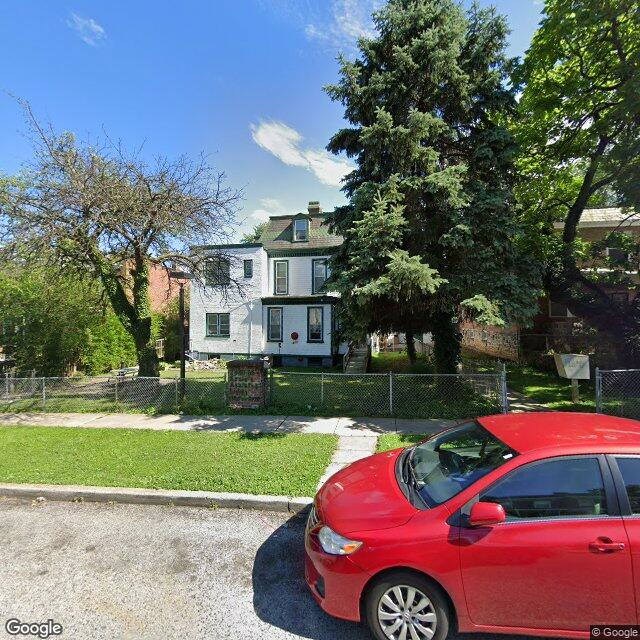
2449-2451 Shirley Avenue, Baltimore, MD 21215
For more information about senior living options: (866) 208-4318
Overall Review of Rosies Assisted Living
Pros
 She is receiving the care she deserves and needs in a much better place.
- She is in a much better place where she is receiving the care she deserves and needs.
- They got her out of there and into a much better place where she is receiving the care she deserves and needs.
Cons
 The facility did not pay the worker for two hours of training.
- The place smelled like urine so badly that the odor lingered after leaving.
- It was very dirty inside.
- There was a man in a wheelchair begging for a shower who hadn’t had one for days.
- The staff could not tell where the cleaning supplies were.
- The owner and her boyfriend did not follow through on promises, including no mobility rides or therapies.
- The aunt's bed was often soaked in urine and her clothes were replaced with old raggedy clothes that weren't hers.
- The staff were rude with terrible attitudes.
Review
Rosies Assisted Living in Baltimore is best suited for families that must prioritize price and location above all else, and are prepared to supervise daily operations closely or accept a radically variable standard of care. This is a facility where affordability appears to be the guiding factor, and where basic expectations around cleanliness, dignity, and consistent care are not reliably met. For families with higher expectations, especially those whose loved ones require regular hygiene, therapy, or mobility support, this community is not a sensible fit.
Those who should seriously consider alternatives are residents needing dependable hygiene, regular showers, and ongoing therapy services (speech, mobility, or other rehabilitative care). The reviews describe real gaps in essential services: neglected personal care, stalled or missing therapies, and an absence of meaningful activities or engagement. Families dealing with post-stroke needs, incontinence management, or cognitive or physical impairment will likely encounter care that fails to address fundamental daily requirements. In short, if reliability matters, looking elsewhere is prudent.
The limited advantages that might be inferred, primarily proximity and potential cost savings, do not meaningfully compensate for the core failures. The reviews provide no compelling evidence of upgraded amenities, attentive supervision, or proactive care planning. Even where a facility would be expected to offer basic routines, those routines appear disruptive or nonexistent, and any potential savings are overshadowed by the ongoing risk of neglect and unsafe conditions. In practical terms, cost savings vanish when care quality deteriorates to the point of harm or distress.
The main cons are clear and severe. One account describes an environment with an overpowering odor of urine, a pervasive lack of cleanliness, and staff unable to locate cleaning supplies. A resident in a wheelchair begged for a shower for days, highlighting a shocking neglect of personal hygiene and dignity. In another account, an aunt with strokes received no mobility or speech therapy, hair care was inconsistent at best, and beds were repeatedly left wet. Clothes were misplaced or replaced with worn, inappropriate garments, and equipment, such as wheelchairs and potty chairs, was outdated and inadequate. Staff attitudes were described as rude, with minimal engagement beyond passive TV-watching, and the overall lack of activities left residents with little stimulation or meaningful human interaction.
In weighing these factors, the negatives far outweigh any potential positives. The absence of reliable care, hygiene, and communication creates a risk calculus that drags any possible price advantage into a zone where safety, dignity, and wellbeing are at stake. There is little evidence of corrective action or consistent oversight in the narratives, and that absence of accountability is precisely what makes alternatives compelling. For families evaluating options, Rosies Assisted Living should be regarded as a last resort or a temporary placeholder only when no other practical choice exists.
The prudent course is to pursue facilities with verifiable staffing, transparent care plans, and demonstrable engagement programs. Before making a decision, families should verify state inspections and deficiency histories, request a direct tour with a care manager, and examine how daily routines and emergencies are handled. Inquiries should cover staff-to-resident ratios, responsiveness to calls, shower and hygiene routines, availability of therapy services, and a clear schedule of activities. If any red flags arise during visits, unaddressed odor, dirty conditions, missing clothing, or inconclusive answers about care, terminate the consideration and move to alternatives. The goal is clear: secure a community where dignity, cleanliness, timely care, and meaningful daily engagement are non-negotiable expectations met consistently.
 20 resident community capacity
 Assisted Living
 Board and Care Home
 Respite Care
 Activities on-site
 Beauty salon
 Cable or satellite TV
 Devotional services off-site
 Dining room
 Fully furnished
 Garden
 Housekeeping services
 Indoor common areas
 Kitchenette
 Move-in coordination
 Outdoor space
 Telephone
 Wi-Fi/high-speed internet available
 Baltimore-Washington International (11 miles away)
 24-hour call system
 Ambulatory care
 Assistance with bathing
 Assistance with dressing
 Assistance with transfers
 Diabetes diet
 Diabetic care
 Meal preparation and service
 Medication management
 Mental wellness program
 Special dietary restrictions
 Transportation arrangement (medical)
 Transportation to doctors appointments





 Assisted Living Support for Veterans: A Complete and Detailed Overview
 Exploring the Contrasts Between Assisted Living and Skilled Nursing
 8 Key Indicators That Suggest It May Be Time to Transition from Assisted Living to Skilled Nursing Care