



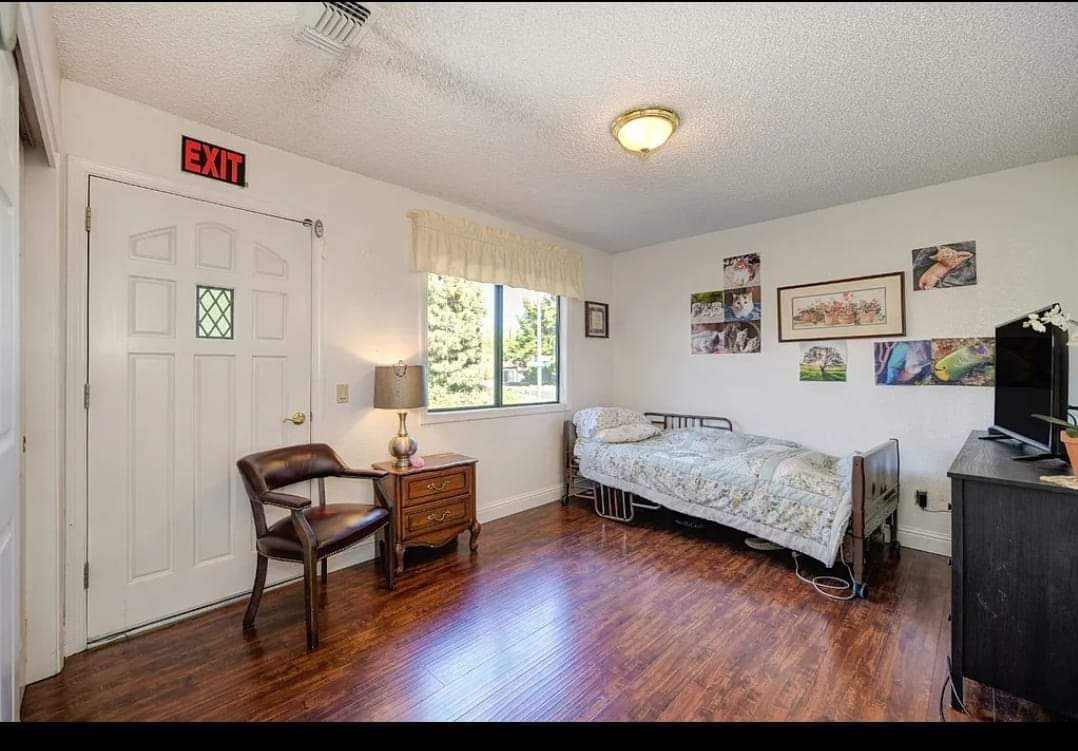






4322 Glenmore Avenue, Baltimore, MD 21206
For more information about senior living options: (866) 208-4318
Overall Review of Loving Care II
Cons
 The agency should not be allowed to stay in business.
- Its employees are absolutely terrible.
- The staff sit, watch TV, eat, and play on their phones.
- A worker walked out on the client in the middle of her shift because the client was difficult.
- The entire agency quit with no notice.
- The owner has an awful attitude and acts like she is doing the client a favor.
- The owner acts as if helping clients is a favor, when it is really the agency’s job.
Review
This community is best suited for seniors who can tolerate a high degree of caregiving variability and require only light, companionship-focused support. Families that can supervise care closely and step in when shifts are understaffed will find a workable arrangement here. Those needing dependable daily oversight, consistent, attentive caregivers, or robust safety supervision should consider alternatives from the outset.
Among the alternatives, this agency should be crossed off for anyone who prioritizes reliability, accountability, and professional conduct. Prospective clients with a need for regular, engaged caregiving would be wiser to explore established home-care companies with strong caregiver retention records or licensed assisted living options where staffing patterns and supervision are built into the model. The available feedback indicates a pattern of dissatisfaction that is unlikely to be corrected without a change in leadership, governance, and day-to-day operations.
The dominant complaints center on staffing reliability and caregiver engagement. Reviewers describe employees who sit and watch TV, eat, and browse their phones rather than provide meaningful assistance. One household saw a caregiver walk out mid-shift, leaving the client unsupervised, while another report notes the entire agency quit without notice. There is also pointed criticism of ownership and management, with claims of a hostile attitude and a sense that the client is doing a favor rather than the provider fulfilling a responsibility. This combination creates a troubling risk profile for anyone depending on consistent, safe care.
In weighing any possible benefits against these core drawbacks, the positives described are scarce and insufficient to offset the pervasive concerns. A lone five-star rating exists, but without substantive detail, it does little to counter the impression that caregiving quality and reliability are not dependable. The practical takeaway is clear: even if occasional encounters deliver a pleasant interaction, the systemic issues around staffing stability and accountability dominate the experience. For families seeking predictability, the risk is simply too high.
For families evaluating options, a practical checklist should guide the decision: ask about caregiver turnover rates and how assignments are managed when a staffer is unavailable; demand transparent backup plans and explicit escalation protocols; require information on caregiver training, supervision, and accountability mechanisms; request written policies on shift coverage, cancellation, and client safety assurances; and insist on a trial period with measurable service goals. If this agency cannot demonstrate stable staffing, consistent supervision, and responsive leadership, it is prudent to move on to providers with proven track records.
Final verdict: this community is not a strong match for most seniors who rely on steady, compassionate, and trustworthy care. It is better suited for families who can bear the burden of ongoing oversight and who have contingency plans ready. For most older adults, alternatives that deliver reliable staffing, clear accountability, and consistent caregiver engagement are the smarter, safer path. A careful comparison of other agencies or an assisted living option will typically yield far more confidence and fewer day-to-day care disruptions.
 7 resident community capacity
 Assisted Living
 Cable or satellite TV
 Dining room
 Fully furnished
 Garden
 Housekeeping services
 Move-in coordination
 Outdoor space
 Telephone
 Wi-Fi/high-speed internet available
 Baltimore-Washington International (14 miles away)
 24-hour supervision
 Activities of daily living assistance
 Assistance with bathing
 Assistance with dressing
 Assistance with transfers
 Diabetes diet
 Meal preparation and service
 Medication management
 Special dietary restrictions
 Transportation arrangement (medical)
 Transportation to doctors appointments
 Intimate 8-resident community enabling highly personalized care and attention.




 Understanding the True Cost of Assisted Living in 2025: A Comprehensive Guide
 Understanding Medicaid Coverage for Assisted Living: A Comprehensive Guide
 How and When Medicaid May Cover Assisted Living Costs