
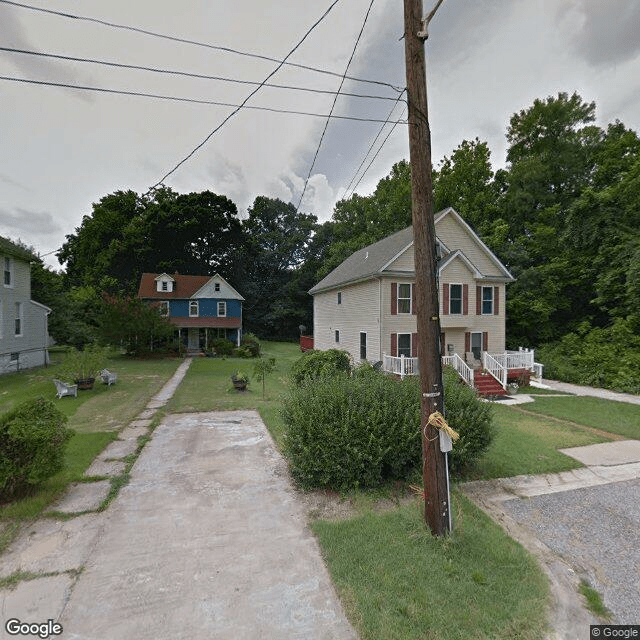
6511 Rosemont Avenue, Baltimore, MD 21206
For more information about senior living options: (866) 208-4318
Phoenix Rising Costs & Pricing
Phoenix Rising offers a competitive pricing structure for its semi-private accommodations, with a monthly cost of $2,000. This is significantly lower than the average costs found in Baltimore city, where similar arrangements are priced at approximately $3,116, and even more so compared to the broader Maryland state average of $3,545. The affordability of Phoenix Rising not only positions it as an attractive option for potential residents but also reflects a commitment to providing quality care without compromising on value. This strategic pricing advantage may appeal to families seeking effective solutions tailored to their financial needs while ensuring comfort and support for their loved ones.
| Floor plans | Phoenix Rising | Baltimore city | Maryland |
|---|---|---|---|
| Semi-Private | $2,000 | $3,116 | $3,545 |
Assisted Living communities with a similar price nearby
-
About the same

Young at Heart Assisted Living
$2,000 to $2,500 / month12.7 miles away -
from -$300 / mo
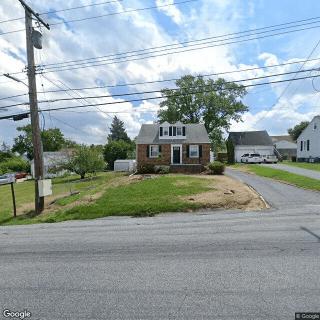
Moms & Pops Place
$1,700 to $2,000 / month1.8 miles away -
About the same
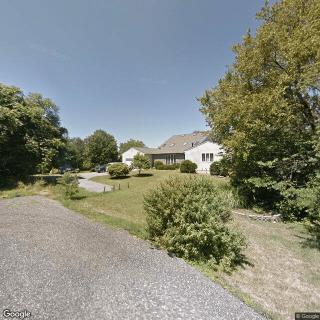
Pearls of Wisdom
$2,000 to $3,500 / month20.7 miles away -
from +$280 / mo

Sunrise of Pikesville
$2,280 to $4,225 / month10.6 miles away -
from -$200 / mo

Pleasant Garden II
$1,800 to $2,500 / month10.2 miles away
Overall Review of Phoenix Rising
Pros
 The food is excellent, offering variety and freshness.
- The staff and residents are very friendly.
- The facility is clean and open.
- The director met with a visitor and gave a tour.
- The owner and staff are friendly, caring, and professional.
- Residents appear to be happy in the environment.
Cons
 It is an awful place that has violations and uses non-skilled personnel.
- There have been many deaths associated with their care.
- Abuse and neglect are what patients receive there.
Review
Phoenix Rising in Baltimore, MD is best suited for families that prize a social, dining-forward living experience in a clean, open setting where staff engagement and resident happiness feel tangible. The community tends to convey a sense of approachability: tours are met with a director who is available and professional, and residents appear engaged and content in a well-maintained environment. For families who weigh quality of life highly, varied, fresh meals; friendly interactions with caregivers; and a visible commitment to a welcoming atmosphere, this option delivers on those fronts with convincing consistency.
However, there are clear reasons some families should consider alternatives. One review explicitly frames the community as a place with serious safety concerns, citing violations, abuse and neglect, and multiple deaths connected to care. The same account also notes a rebranding or name change to St Paul Assisted Living, adding confusion about current management and oversight. These claims are grave enough to demand thorough verification: licensing status, recent state inspections, and documented incident reports. For families with a low tolerance for perceived risk, or for those who require airtight accountability and independent verification of care quality, exploring other options is prudent.
On the positive side, the strongest, recurring positives center on food and the social climate. The dining program is described as excellent, with variety and freshness that consistently impresses residents and family visitors. Beyond the meals, the facility is portrayed as clean and open, with a direct, hands-on presence from leadership during tours and a sense that ownership and staff are professional, friendly, and caring. Residents appear happy in the environment, which matters deeply for daily well-being and continuity of social engagement. These outcomes, palatable meals, a welcoming atmosphere, and personable staff, are meaningful comfort factors for many prospective residents and their families.
The most serious counterweight rests on safety and governance concerns raised by reviewers. The allegations, violations and neglect, and even fatalities, undercut confidence in the care fabric and warrant careful scrutiny. Until those claims are independently and transparently addressed, they cannot be dismissed as inconsequential. They raise essential questions about staffing consistency, caregiver qualifications, incident reporting, and the overall oversight framework. In practical terms, these concerns mean a family must go beyond glossy impressions and insist on verifiable evidence of regulatory compliance and a transparent corrective history before making a commitment.
In weighing the pros against the cons, the dine-and-dwell advantages clash meaningfully with the safety warnings. The high quality of meals, the clean, open environment, and the accessible leadership are strong positives that can significantly enhance daily life if care is reliable. Yet the gravity of the alleged safety issues cannot be offset by good food alone. The prudent path is to conduct rigorous due diligence: request the latest state inspection summaries, ask for a current, detailed staffing plan with ratios, request to speak directly with front-line caregivers, and seek references from current residents and families who have recent, ongoing experiences with care. If possible, visit unannounced, observe care interactions, and verify that any name change corresponds to stable, licensed management with a solid track record.
The bottom line is practical and decisive: Phoenix Rising can be a good fit for families prioritizing a lively, food-forward environment and a warm, engaging staff, provided safety and governance concerns are resolved to the family’s satisfaction. For anyone who cannot accept unresolved questions about care quality or who demands ongoing, verifiable assurances of oversight, alternatives deserve serious consideration. Proceed with a structured due-diligence plan, insist on current licensing and inspection documents, and demand candid conversations with both leadership and frontline caregivers. Only after these steps are completed should a placement be considered truly definitive.
 15 resident community capacity
 Assisted Living
 Board and Care Home
 Cable or satellite TV
 Dining room
 Fully furnished
 Garden
 Housekeeping services
 Move-in coordination
 Outdoor space
 Telephone
 Wi-Fi/high-speed internet available
 Baltimore-Washington International (14 miles away)
 24-hour supervision
 Activities of daily living assistance
 Assistance with bathing
 Assistance with dressing
 Assistance with transfers
 Diabetes diet
 Meal preparation and service
 Medication management
 Special dietary restrictions
 Transportation arrangement (medical)
 Transportation to doctors appointments



 Choosing the Right Senior Care: A Detailed Exploration of Assisted Living and Nursing Homes
 Understanding the True Cost of Assisted Living in 2025: A Comprehensive Guide
 Understanding Medicaid Coverage for Assisted Living: A Comprehensive Guide