
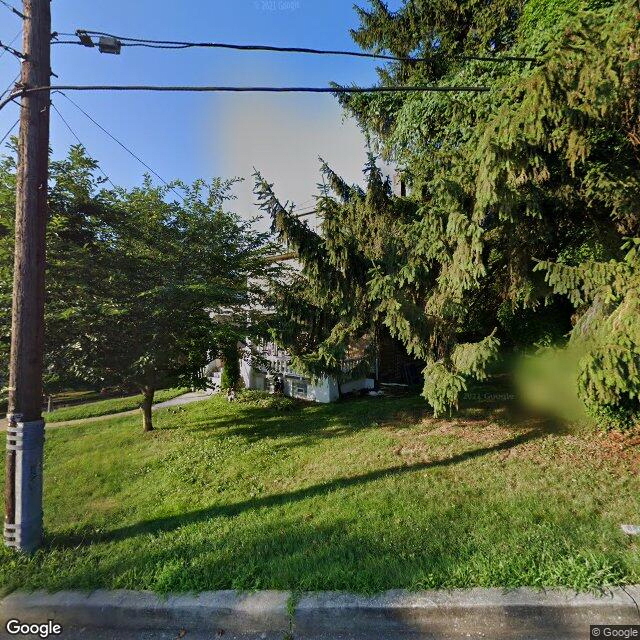
4105 Hamilton Avenue, Baltimore, MD 21206
To contact a resident: (410) 426-0175
For more information about senior living options: (866) 208-4318
Overall Review of Hamilton Garden Assisted Living
Pros
 The facility offers private rooms and semi-private bathrooms.
- Residents enjoy pleasant gardens and describe their stay as awesome.
- The location is a pleasure for wheelchair-bound individuals.
- The facility provides excellent care, good food, and beautiful private rooms.
- The last 18 months have been the best, and residents wish they had joined sooner.
Review
Hamilton Garden Assisted Living in Baltimore, MD is best suited for older adults who prize private accommodation, consistent daily care, and a welcoming, garden-forward setting. The community appears to deliver on private rooms with semi-private baths, a strong core of caregiving, and a reputation for good food in a homey, accessible environment. It is especially appealing for residents who value wheelchair access and a living space that minimizes roommate friction while maintaining a warm, socially engaged atmosphere. For families seeking a stable, low-disruption transition where independence remains central and daily routines feel comfortable, Hamilton Garden offers a practical, straightforward option.
That said, some families should consider alternatives. If acuity climbs beyond assisted living, or if a resident requires robust memory care, round-the-clock skilled nursing, or specialized medical oversight, another setting may be more appropriate. Similarly, those who desire deeper medical versatility, more intensive rehab services, or a different care culture, perhaps with a broader continuum or more aggressive programming, may find other communities better aligned with current needs. Budget dynamics and value for services should also be weighed, as pricing structures aren’t fully visible in the public view and may influence long-term fit.
The strongest positives, the private rooms, the quality of care, and the dining experience, tend to offset concerns that typically accompany assisted living transitions. Private rooms reduce the friction and tension that can arise with shared spaces, while excellent care and attentive staff bring peace of mind for families worried about day-to-day supervision and incident response. The emphasis on pleasant gardens and a visually inviting setting enhances mood and encourages outdoor activity, which supports mobility and social interaction. For wheelchair users, the location and layout of Hamilton Garden contribute meaningfully to independence and safety in daily routines.
These advantages, however, are best weighed against the fact that one resident rating is markedly lower than the others. While the bulk of feedback is positive, a single low score signals that experiences can vary, and that expectations around cost, staff consistency, or personal fit may depart from one individual to another. Families should probe direct questions about staffing patterns, response times, and how care plans adapt as needs evolve. It is prudent to verify what is included in the base rate, how private rooms are allocated, and what happens if care needs intensify in the future.
Practical decision guidance follows a clear path. Schedule a tour with current residents and families to observe how staff interact with people who use mobility aids, and ask to see a sample care plan in action. Inquire about room options, especially the size and features of private rooms and the availability of semi-private configurations for couples who wish to stay together. Assess the dining experience by sampling a meal and asking about dietary accommodations, menu variety, and flex accommodations for spicy or texture-sensitive diets. Finally, confirm the facility’s readiness to accommodate future changes, rehab services, pharmacy coordination, transportation, and access to any on-site specialists, so that long-term planning remains realistic and sustainable.
Ultimately, Hamilton Garden Assisted Living serves as a solid fit for families prioritizing privacy, reliable daily care, and a warm, accessible environment tailored to independent living with supportive supervision. It stands out for residents who want a pleasant, garden-rich setting that supports wheelchair use and private space, while delivering the dependable care that gives families confidence. For those whose needs may tilt toward higher medical complexity, memory-focused programming, or aggressive cost-sensitive planning, alternative communities should be explored with the same due diligence. The right choice will balance the comfort of private living and steady, compassionate care with a clear view of how needs and resources will align over time.
 Activities off-site
 Indoor common areas
 Outdoor common areas
 Respite or short term stays offered
 Baltimore-Washington International (13 miles away)
 Ambulatory care
 Diabetic care
 Incontinence care
 Medication management
 Meals provided




 Comprehensive Guide to Blood Pressure Charts for Older Adults: Understanding Normal and High Readings by Age
 Financing Long-Term Nursing Home Care Through Social Security: A Thorough Exploration
 Essential Knowledge on Pneumonia in Older Adults