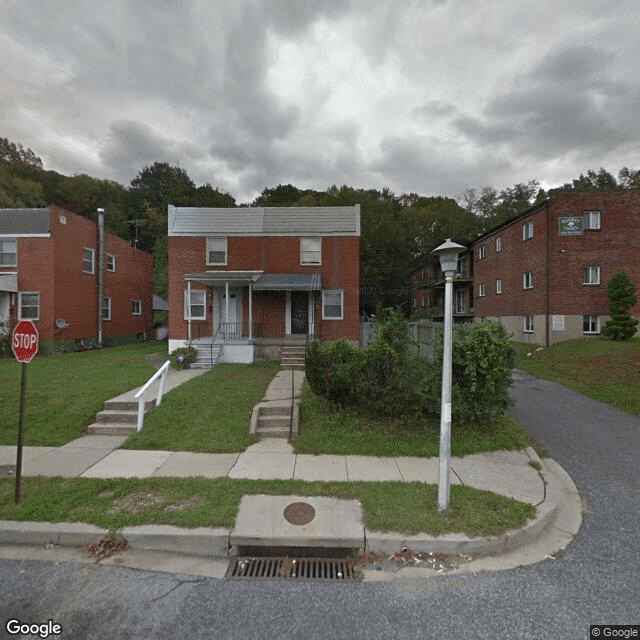
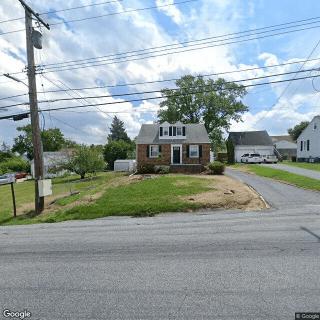
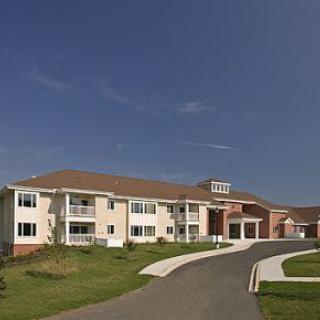
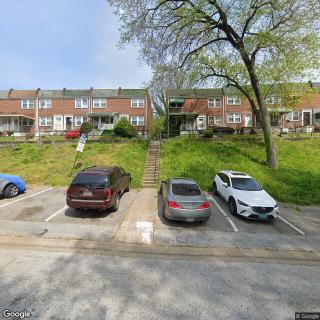
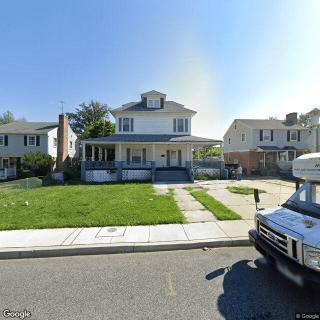
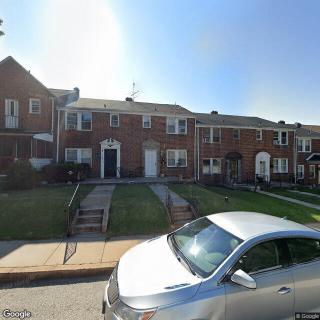
Dee's House of Care in Baltimore, MD

Save
Dee's House of Care

Dee's House of Care in Baltimore, MD

5901 Lillyan Avenue, Baltimore, MD 21206

For more information about senior living options: (844) 490-3973

4.7 from 27 reviews
5 stars
25
4 stars
0
3 stars
0
2 stars
0
1 stars
2

Assisted Living Board and Care Home

Dee's House of Care Costs & Pricing

Dee's House of Care offers remarkably competitive pricing for its residents when compared to the broader costs in Baltimore City and across Maryland. For a semi-private room, Dee's monthly rate stands at $1,500, which is significantly lower than the city average of $3,116 and the state average of $3,545. Similarly, for those seeking a private room, Dee's price of $2,000 diverges favorably from Baltimore City's average of $3,729 and Maryland's average of $4,112. This positioning not only reflects Dee's commitment to providing high-quality care but also makes it an appealing option for families looking for affordable long-term care solutions in a supportive environment.

Floor plansDee's House of CareBaltimore cityMaryland
Semi-Private$1,500$3,116$3,545
Private$2,000$3,729$4,112

Overall Review of Dee's House of Care

Pros

  • pro Lean on Dee is patient with questions and extremely helpful in finding the right caregiver.
  • pro Lean on Dee listened to families' needs and found the caregiver their loved one needed.
  • pro Lean on Dee provided protective care and adapted quickly when the first day of care coincided with a COVID exposure.
  • pro Lean on Dee provides care that families are deeply grateful for.
  • pro Lean on Dee is a wonderful group of people who care deeply about what they do and put heart and soul into their work.
  • pro Lean on Dee delivers excellent experiences, such as after surgery, with supportive care.
  • pro Lean on Dee goes above and beyond to help and make life easier for families.
  • pro Lean on Dee is highly professional, responsive, and reliable.
  • pro Lean on Dee maintains a family portal with detailed notes for each visit, ensuring transparency.
  • pro Lean on Dee's caregivers are loving, kind, and quickly become part of the family.
  • pro Lean on Dee is flexible and helps families transition to assisted living or other arrangements.
  • pro Lean on Dee's staff are experienced, compassionate, and provide updates, dignity, and respect.

Cons

  • pro Lean on Dee was described as very unprofessional and as having abandoned the reviewer's mother, leaving her alone for more than an hour.
  • pro Reviewers stated they would definitely not recommend Lean on Dee.
  • pro One reviewer claimed Lean on Dee dropped off without notice, that the home was not clean, and that a family member was not eating well, rating the service around 20.

Review

Dee's House of Care in Baltimore is best suited for families who want a high-touch, in-home care partner that can scale with a loved one's needs - from post-surgical recovery and daily companionship to memory-support and light caregiving tasks. This is a practical choice for households that prefer keeping an aging parent at home, relying on a family-owned provider that emphasizes personalized caregiver matching, frequent communication, and flexible scheduling. When the goal is attentive, compassionate presence and hands-on coordination to ease transitions, this community stands out as a dependable option.

Those who should consider alternatives are families with very high medical acuity or safety risks that demand round-the-clock nursing supervision in a facility setting. Two or more caregivers in the mix may not fully address chronic, advanced dementia behaviors or cases requiring constant monitoring. If a family cannot commit to active collaboration with a care team, or if absolute reliability and a guaranteed, uninterrupted shift pattern are non-negotiable, a traditional facility or a more medicalized home health arrangement may be a better fit. Also, if budget constraints dictate choosing a model with predictable, capped costs rather than variability in hourly care, exploring other options could be prudent.

The strongest pros here - exceptional caregiver warmth, rapid responsiveness, and hands-on family support - tend to offset most concerns. Review after review highlights compassionate, personalized care, with staff that listens, adapts, and goes beyond basic tasks to anticipate needs. The in-home model shines in timing and continuity: caregivers arrive on schedule, carry detailed visit notes with a family portal, and coordinate with medical providers and discharge planners to keep progress moving. Families repeatedly describe the team as professional, trustworthy, and genuinely invested, turning what can be a stressful journey into something more manageable and predictable. That level of engagement often translates into less caregiver burnout for families and more consistent quality of life for loved ones.

Nonetheless, the service is not flawless, and the most cited risk is real: a small number of negative experiences that imply lapses in supervision or pacing. Those outliers underscore the need for clear expectations, robust backup plans, and close oversight. Prospective clients should insist on a formal back-up caregiver policy, guaranteed coverage for all shifts, and a structured care plan with milestone check-ins. A prudent approach is to request a written plan of care, a dedicated coordinator, and a trial period to confirm that the arrangement can sustain both daily routines and more complex needs without gaps.

From a practical standpoint, the outcomes associated with Lean on Dee tend to reinforce the decision to choose in-home care. Families report improved stability in daily activities, better adherence to medications, and more reliable appointment attendance, all while preserving dignity and a sense of normalcy for the senior. The positive reviews describe a team that not only delivers care but also helps families navigate housing transitions and memory-care options when appropriate. The human touch - staff who show up with warmth, humor, and patience - often translates into measurable peace of mind for both the senior and the relatives.

For Baltimore families weighing next steps, the verdict is clear: Lean on Dee is a strong, practical partner for in-home care when the aim is personalized attention, rapid problem-solving, and ongoing family communication. It works best for those who can actively engage with a responsive care team and who want to maintain home-based living as long as possible. Consider alternatives if the need is for intensive, medically supervised 24/7 care, if there are significant concerns about staffing continuity, or if a facility setting is ultimately preferred for safety or budget clarity. Start with a direct meeting, review the care plan and back-up policies, and insist on references to ensure the model aligns with the specific needs and rhythms of the loved one's daily life.

Features

Housing

  • 3 resident community capacity 3 resident community capacity

Types of Care

  • Assisted Living Assisted LivingAssisted living facilities provide crucial support and care for seniors who may need help with daily tasks such as medication management, bathing, and meal preparation. These communities offer a safe and comfortable environment where seniors can maintain their independence while receiving the assistance they need to thrive in their golden years.
  • Board and Care Home Board and Care HomeBoard and care homes provide a smaller, more intimate setting for seniors who require assistance with daily tasks but do not need the level of care offered by a nursing home. They offer personalized care, meals, and social activities in a homelike environment, ensuring that seniors receive individualized attention and support in their golden years.

Amenities

  • Cable or satellite TV Cable or satellite TVCable or satellite TV is important for seniors because it provides entertainment, news, and companionship, helping to combat loneliness and boredom. It also offers a wide range of programming options tailored to different interests and preferences.
  • Dining room Dining roomDining rooms are important for seniors as they provide a space for socialization, connection, and nutritious meals. They offer opportunities for residents to bond over shared meals, foster a sense of community, and promote healthy eating habits. Dining rooms also ensure that seniors have access to well-balanced meals tailored to their dietary needs and preferences.
  • Fully furnished Fully furnishedFully furnished senior living communities are important for seniors because they provide convenience, comfort, and a hassle-free moving experience. Seniors can easily settle into their new living space without the stress of having to buy and move furniture. This allows them to focus on enjoying their new home and community.
  • Garden GardenGardens are important for seniors as they provide a peaceful and therapeutic environment for relaxation, physical activity, and socialization. Being in nature has been shown to reduce stress, improve mood, and promote overall well-being. Gardens also offer opportunities for seniors to engage in gardening activities, which can improve mobility, flexibility, and cognitive function. Additionally, gardens create a sense of community and connection with others who share a passion for plants and outdoor spaces.
  • Housekeeping services Housekeeping servicesHousekeeping services are important for seniors because they help maintain a clean and safe living environment, promote independence, and reduce the risk of accidents or illnesses. Additionally, having assistance with household chores can alleviate physical strain and allow seniors to focus on other aspects of their well-being.
  • Move-in coordination Move-in coordinationMove-in coordination is important for seniors because it helps ease the transition into their new living environment. It ensures that all logistics, such as packing, organizing movers, and setting up utilities are taken care of, allowing seniors to focus on settling in and adjusting to their new home. Having a smooth move-in process can alleviate stress and anxiety, making the transition smoother and more enjoyable for seniors.
  • Outdoor space Outdoor spaceOutdoor spaces are important for seniors as they provide opportunities for physical activity, social interaction, exposure to natural light and fresh air, and a sense of connection to nature. Having access to outdoor spaces can improve overall well-being and quality of life for older adults living in senior communities.
  • Private PrivatePrivacy is important for seniors as it allows them to maintain their independence, dignity, and sense of control over their own lives. It also gives them the space and freedom to relax, reflect, and engage in activities that bring them joy and fulfillment. Creating private spaces within senior living facilities is crucial for promoting overall well-being and quality of life.
  • Telephone TelephoneTelephones are important for seniors as they provide a lifeline for communication with loved ones, emergency services, and healthcare providers. They offer a sense of security and independence, enabling seniors to stay connected and access assistance when needed.
  • Wi-Fi/high-speed internet available Wi-Fi/high-speed internet availableWi-Fi/high-speed internet is important for seniors to stay connected with loved ones, access online resources, and participate in virtual activities to combat feelings of loneliness and isolation. It also allows them to easily manage healthcare needs, access entertainment, and engage in lifelong learning opportunities.

Transportation

  • Baltimore-Washington International (14 miles away) Baltimore-Washington International (14 miles away)

Care Services

  • 24-hour supervision 24-hour supervision24-hour supervision is important for seniors to ensure their safety, well-being, and access to immediate assistance in case of emergencies or health issues. This constant support provides peace of mind for both seniors and their loved ones, allowing them to age in place with dignity and security.
  • Activities of daily living assistance Activities of daily living assistanceActivities of daily living assistance are important for seniors because they provide essential support with tasks such as eating, bathing, dressing, and mobility. This assistance helps seniors maintain their independence, dignity, and overall quality of life as they age.
  • Ambulatory care Ambulatory care"Ambulatory care services provide essential medical support and treatment to seniors without requiring hospitalization, allowing them to maintain their independence and quality of life while managing chronic conditions or receiving routine medical care."
  • Assistance with bathing Assistance with bathingAssistance with bathing is crucial for seniors as it helps maintain personal hygiene, prevents infections, and ensures their overall well-being and comfort. It also provides a sense of dignity and independence for seniors who may struggle with this task on their own.
  • Assistance with dressing Assistance with dressingAssistance with dressing is important for seniors because it helps maintain their independence, promotes personal hygiene, prevents accidents and injuries, and improves overall quality of life. This service ensures that seniors can continue to dress comfortably and confidently, despite any physical limitations they may have.
  • Assistance with transfers Assistance with transfersAssistance with transfers is crucial for seniors as it helps prevent falls and injuries, maintains their independence, and ensures they can safely navigate their living environment. It also provides peace of mind for both seniors and their loved ones.
  • Coordination with health care providers Coordination with health care providersCoordination with health care providers is crucial for seniors to ensure proper medical care, medication management, and overall well-being. This collaboration helps prevent overlapping treatments, track progress more effectively, and provide comprehensive support tailored to individual needs.
  • Diabetes diet Diabetes dietA diabetes diet is crucial for seniors as it helps manage blood sugar levels, reduce risks of complications, and improve overall health and well-being. By following a balanced and nutritious diet tailored to their specific needs, seniors can better control their diabetes and enhance their quality of life.
  • Diabetic care Diabetic careDiabetic care is crucial for seniors as they are more susceptible to developing diabetes due to aging and other health conditions. Proper management of diabetes can help prevent complications such as heart disease, vision loss, and nerve damage, improving the overall quality of life for seniors in senior living communities.
  • High acuity care High acuity careHigh acuity care is important for seniors because it provides specialized medical attention and support for individuals with complex medical needs. This level of care ensures that seniors receive the appropriate treatment and assistance to maintain their health and quality of life as they age.
  • Meal preparation and service Meal preparation and serviceMeal preparation and service are crucial for seniors as they may have limited mobility or energy to cook nutritious meals. Having access to healthy and convenient food options can ensure they are getting the proper nutrition needed to maintain their overall health and well-being.
  • Medication management Medication managementMedication management is crucial for seniors to ensure they are taking the right medications at the correct dosages and times. This helps prevent adverse drug interactions, reduces the risk of medication errors, and promotes overall health and well-being. Proactive management also allows for adjustments as needed based on changing health conditions or new prescriptions.
  • Special dietary restrictions Special dietary restrictionsSpecial dietary restrictions are important for seniors because age-related changes in metabolism and health conditions can make it difficult for their bodies to process certain foods. By following a diet tailored to their specific needs, seniors can maintain their overall health and well-being, manage chronic conditions, and reduce the risk of complications such as malnutrition or food interactions with medications.
  • Transportation arrangement (medical) Transportation arrangement (medical)Transportation arrangements for medical purposes are essential for seniors as they may have difficulty driving themselves to appointments or accessing public transportation. Having reliable and safe transportation options ensures that seniors can receive timely medical care and maintain their health and well-being.
  • Transportation to doctors appointments Transportation to doctors appointmentsTransportation to doctors' appointments is crucial for seniors as it ensures they have access to necessary medical care and support for their health needs. Without reliable transportation, seniors may struggle to attend important appointments, leading to potential delays in treatment and health complications. Providing transportation services helps seniors maintain their overall well-being and quality of life.

Dining

  • Diabetes diet Diabetes dietA diabetes diet is crucial for seniors as it helps manage blood sugar levels, reduce risks of complications, and improve overall health and well-being. By following a balanced and nutritious diet tailored to their specific needs, seniors can better control their diabetes and enhance their quality of life.
  • Special dietary restrictions Special dietary restrictionsSpecial dietary restrictions are important for seniors because age-related changes in metabolism and health conditions can make it difficult for their bodies to process certain foods. By following a diet tailored to their specific needs, seniors can maintain their overall health and well-being, manage chronic conditions, and reduce the risk of complications such as malnutrition or food interactions with medications.

Activities

  • Community-sponsored activities Community-sponsored activitiesCommunity-sponsored activities are important for seniors as they provide opportunities for social interaction, mental stimulation, and physical activity. These activities can help improve overall well-being, combat loneliness and isolation, and promote a sense of belonging and purpose among older adults.
  • Scheduled daily activities Scheduled daily activitiesScheduled daily activities are important for seniors because they provide structure, socialization, mental stimulation, and physical activity. Engaging in regular activities can improve overall well-being and quality of life for seniors living in a community setting.

Description

Welcome to Dee's House of Care, an exceptional assisted living community located in the heart of Baltimore, MD. Our Board and Care Home is designed to provide a warm and nurturing environment for our residents, ensuring comfort and care are always at the forefront.

At Dee's House of Care, we offer a variety of amenities that cater to the needs and preferences of our residents. Our fully furnished accommodations feature a cozy dining room, an inviting garden, and ample outdoor space where residents can relax and enjoy nature. We also provide essential housekeeping services and move-in coordination to make transitioning into our community as smooth as possible. Connectivity is key; that's why we offer private telephones and high-speed Wi-Fi throughout the facility.

Our dedicated team specializes in a range of care services tailored to support individual needs. From assistance with activities of daily living such as bathing, dressing, and transfers to high acuity care for those requiring more intensive support, we ensure every resident receives personalized attention. We also coordinate with healthcare providers for seamless medical management, oversee diabetes diets, manage medication schedules, cater to special dietary restrictions, and even arrange transportation for medical appointments.

Engagement is crucial for maintaining a vibrant lifestyle; therefore, we offer scheduled daily activities that promote social interaction and enrichment. Residents have access to various local amenities including 6 cafes, 4 parks, 27 pharmacies, 12 physicians' offices, 25 restaurants, convenient transportation options nearby including public transport links as well as faith-based communities like places of worship.

With 8 hospitals close by for any urgent medical needs or check-ups and theaters for entertainment options within reach, Dee's House of Care offers not only a secure living environment but also an enhanced lifestyle filled with opportunities for socialization and wellness.

Discover peace of mind at Dee's House of Care, where compassion meets quality living!

Nearby Places of Interest

This area of Baltimore, Maryland offers a variety of amenities that cater to seniors looking for convenience and accessibility. With multiple pharmacies such as Walgreens and CVS Pharmacy nearby, obtaining medications is easily accessible. In terms of dining options, there are casual eateries like McDonald's and Taco Bell as well as restaurants like Koco's Pub offering a range of choices. For medical needs, there are physicians' offices like Overlea Personal Physicians and hospitals such as MedStar Good Samaritan Hospital within a close proximity. Additionally, there are parks like Cromwell Valley Park and Patterson Park for leisurely walks or outdoor activities. The neighborhood also boasts cafes like Starbucks for socializing with friends or enjoying coffee breaks. Overall, this area provides a mix of essential services and recreational opportunities suitable for seniors looking to settle down in a convenient location in Baltimore.

Pharmacies

  • Walgreens (0.7 miles)
  • CVS Pharmacy (0.9 miles)
  • Northern Pharmacy and Med Equipment (1.2 miles)
  • Rite Aid (2.3 miles)
  • CVS Pharmacy (2.3 miles)
  • Giant (2.6 miles)
  • Walgreens (2.8 miles)

Restaurants

  • Koco's Pub (1.6 miles)
  • McDonald's (2.2 miles)
  • Colin's Seafood and Grill (2.5 miles)
  • McDonald's (2.7 miles)
  • Taco Bell (2.7 miles)
  • Blakes Crab House (3 miles)
  • Burger King (3 miles)

Physicians

  • Overlea Personal Physicians (1.9 miles)
  • Katzen Eye Group (3.1 miles)
  • Pediatric Partners (3.7 miles)
  • 301 Building at Johns Hopkins Bayview Medical Center (3.9 miles)
  • Maryland Vascular Specialists (4 miles)
  • Scottish Rite Speech & Language Center (4 miles)
  • East Baltimore Medical Center (4.4 miles)

Hospitals

  • MedStar Good Samaritan Hospital (2.4 miles)
  • MedStar Franklin Square Medical Center (3.5 miles)
  • MedStar Union Memorial Hospital (3.9 miles)
  • Kennedy Krieger Institute (4.2 miles)
  • Osler Bulding (4.3 miles)
  • The Charlotte R. Bloomberg Children's Center at Johns Hopkins Hospital (4.3 miles)
  • Johns Hopkins Outpatient Pharmacy (4.4 miles)

Cafes

  • Starbucks (3.6 miles)
  • Starbucks (4.2 miles)
  • Miss Shirley's Cafe, Roland Park (4.6 miles)
  • Starbucks (4.9 miles)
  • Panera Bread (4.9 miles)
  • Starbucks (5 miles)
  • Dooby's (5 miles)

Parks

  • Cromwell Valley Park (4.4 miles)
  • Rodgers Forge Tot Lot (4.4 miles)
  • Patterson Park (4.4 miles)
  • Patterson Park Annex (4.4 miles)
  • Canton Waterfront Park (5.1 miles)

Theaters

  • AMC White Marsh 16 (4.6 miles)
  • Cinemark Towson And Xd (4.7 miles)

Places of Worship

  • Calvary Baptist Church (4.6 miles)
  • Brown Memorial Woodbrook Presbyterian Church (4.9 miles)
  • Church of the Immaculate Conception (5.1 miles)

Transportation

  • Penn Station (4.7 miles)

Frequently Asked Questions

How much does it cost to live at Dee's House of Care in Baltimore, MD?
Where is Dee's House of Care?

Nearby Communities

  • Carsa Home Assisted Living

    Carsa Home Assisted Living

    Baltimore, MD


    pro Extensive care options and amenities (private bathrooms, on-site/off-site activities, vegetarian meals, and medical support).


  • Capricorn Home Care Agency

    Capricorn Home Care Agency

    Balitmore, MD


    pro Strong nearby amenities (cafes, parks, pharmacies, doctors, restaurants, theaters, hospitals) and transport.

  • Devine Hand

    Devine Hand

    Baltimore, MD


    pro Luxurious setting with elegant dining, fully furnished suites, outdoor spaces, and comprehensive care (24/7 supervision, meals, transport, medical coordination).

  • Hamilton Garden Assisted Living

    Hamilton Garden Assisted Living

    Baltimore, MD


    pro Comprehensive care (diabetic, incontinence, medication management) with on-site/off-site activities and vegetarian dining.

  • Royal Heart

    Royal Heart

    Baltimore, MD

    3.3 from 3 reviews
    $1,800 to $2,500 / month

    pro On-site activities and comprehensive care services at relatively affordable rates.

  • Just Like Home Assisted Living II

    Just Like Home Assisted Living II

    Baltimore, MD


    pro Home-like setting with comprehensive care, meals, housekeeping, and transport.

  • John Manley House

    John Manley House

    Baltimore, MD

    2.3 from 3 reviews
    $572 / month

    pro Controlled office access with some staff availability; general information available online.

  • Future Care Cold Spring

    Future Care Cold Spring

    Baltimore, MD


    pro Comprehensive amenities and 24/7 supervision.

  • Frankford Nursing & Rehab Center

    Frankford Nursing & Rehab Center

    Baltimore, MD

    4.4 from 107 reviews
     

    pro Clean facility with friendly, compassionate rehab staff.

Related Resources

  • when to move from assisted living to memory careWhen to Transition from Assisted Living to Memory Care: Key Indicators, Steps, and Finding the Right Community

    Transitioning from assisted living to memory care is driven by an individual's cognitive decline and specific needs, requiring careful evaluation of indicators like increased confusion and wandering. The process involves consulting medical professionals, researching suitable communities, considering financial and legal aspects, and ensuring effective communication for personalized care plans.

  • assisted living vs memory careAssisted Living and Memory Care: Understanding Their Core Differences

    Assisted living provides moderate support for seniors seeking independence, while memory care offers specialized support for individuals with dementia or cognitive impairments through structured routines and trained staff. Key differences include care approaches, environment security measures, staff training levels, activity types, and cost considerations.

  • assisted living activitiesBeyond the Bingo Hall: 50+ Enriching Activities for Seniors in Assisted Living

    Assisted living communities offer diverse activities beyond traditional games to enhance seniors' physical health, cognitive well-being, emotional enrichment, and social connections, including fitness classes, creative expression, and intergenerational interactions. These enriching programs foster community bonds and support residents' independence and happiness.