

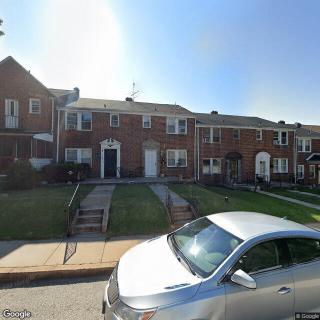
4215 Bayonne Ave, Baltimore, MD 21206
To contact a resident: (410) 236-7199
For more information about senior living options: (866) 208-4318
Overall Review of Lin's Loving Care Assisted Living III
Pros
 The business is pleasant.
- There are lots of activities.
- The staff are respectful and take good care of the residents.
- Families love it there.
Cons
 Residents are disrespected.
Review
Lin's Loving Care Assisted Living III is best suited for families seeking a small, home-like setting in Baltimore where residents can participate in a robust activity program and where daily care rests in the hands of attentive staff. The favorable remarks point to a close-knit community atmosphere, with residents able to engage in many happenings and caregivers who appear involved in daily life. This model appeals to seniors who thrive on regular social contact, predictable routines, and a sense that someone is watching out for them in a personable way. For families who value a compact, intimate environment over a larger campus, this option can feel like the right fit if visits confirm steady, visible caregiver engagement.
Still, clear caveats must be weighed. Those who demand uniformly respectful treatment across every shift and staff member may want to consider alternatives. The service quality in this setting appears inconsistent enough to trigger strong warnings from at least one reviewer, using sharply negative terms about resident dignity. For seniors with higher medical complexity, memory care needs, or a requirement for more formalized oversight, the facility’s smaller scale may struggle to deliver the level of structure and safety that some families expect. In short, anyone prioritizing consistently flawless resident dignity and a fully predictable care experience should compare other Baltimore options before committing.
On the positive side, the reported pros describe a genuinely engaging environment. The home-like setting, cadence of activities, and the perception that staff value residents translate into meaningful daily life for many guests. When these elements work well, they help maintain mood, encourage participation, and reduce isolation, benefits that can compound with simple, attentive care. The commentary that staff are respectful and that residents appear well cared-for reinforces the notion that the facility can deliver quality companionship and practical support, which matters for quality of life and family peace of mind.
The most troubling counterpoint is the sharp, negative account calling residents disrespected and labeling the place a “hell hole.” That singular testimony cannot be dismissed, but it cannot be ignored either: it signals the potential for serious lapses in dignity and safety. The tension between these two perspectives suggests a facility where experiences vary significantly by day, staff shifts, or individual interactions. For a family, this means risk that cannot be fully resolved by a single tour or a handful of reviews. The reality is that the overall rating is middling, reflecting divided experiences rather than a uniformly strong track record.
Given this mix, the decision should hinge on due diligence and your tolerance for ambiguity. Prospective residents should insist on multiple on-site visits, observe how staff interact with several residents, and request candid conversations with current families about grievance handling and consistency of care. Ask to see care plans, daily schedules, meal routines, and safety measures; verify staffing levels during different shifts; and request direct contact with a few residents and their families outside of the present reviews. If transparency and a demonstrable, reliable pattern of respectful care emerge from these checks, Lin's Loving Care III can still be a viable home. If not, it is prudent to broaden the search to options with clearer, more consistent reputations for dignity and safety.
 Activities on-site
 Indoor common areas
 Outdoor common areas
 Respite or short term stays offered
 Baltimore-Washington International (13 miles away)
 Diabetic care
 Incontinence care
 Kosher




 Comprehensive Look at Senior Blood Pressure Charts: Normal and Elevated Levels by Age
 Top Canine Companions for Older Adults
 Comprehensive Guide to Blood Pressure Charts for Older Adults: Understanding Normal and High Readings by Age