Winthrop Community Living

634 Old Lewiston Road, Winthrop, ME 04364

For more information about senior living options: (844) 490-3973

3 from 5 reviews
5 stars
2
4 stars
0
3 stars
1
2 stars
0
1 stars
2

Assisted Living

Overall Review of Winthrop Community Living

Pros

  • pro Heritage has a long history of taking care of people in the community.
  • pro There have always been kind, patient, and understanding staff.
  • pro Heritage is in a great location between Augusta and Lewiston.
  • pro Over the years, relatives have received the best care at Heritage.
  • pro The reviewer would recommend Heritage to anyone.
  • pro Heritage offers really great activities and outings, and the staff are really great in a small, cozy environment.
  • pro The staff at Heritage are appreciated for all they do.
  • pro The staff at Heritage receive five stars for their care.

Cons

  • pro The facility is severely understaffed, with an excessive workload placed on a single staff member.
  • pro There is a total lack of care for clients' best interests.
  • pro There is a lack of health care, nutritious meals, and hygienic food care.
  • pro State oversight is lacking.
  • pro The company's actions reflect greed and a cold disregard for patients and employees.
  • pro The service is poor and there is a disregard for human life.

Review

Heritage stands out in the community as a long-standing beacon of care. Many voices describe it as a place with deep roots in looking after people, where staff members are consistently kind, patient, and understanding. The facility is noted for its strategic location, nestled between Augusta and Lewiston, which makes it feel accessible and convenient for families and visitors who want to stay connected with loved ones without a long drive. The overall mood across these reflections is one of trust in the possibility of comfort and support, especially for families who are navigating the difficult transition of placing a relative in long-term care.

For one family, the moment felt especially poignant. They describe the time when their own grandmother joined the Heritage community, acknowledging that it's never easy to watch a loved one adjust to a new setting that isn't what they've known before. Yet there's a current of relief in the belief that Heritage could be the right choice. The sentiment is tempered by the recognition that life has its ups and downs, but the prevailing hope is that this decision will prove sound for the grandmother's well-being. In their words, "Fortunately she is getting that here," which signals a quiet faith in the care they hope to receive.

Another family's experience paints a broadly positive picture. They've had relatives at Heritage over several years and repeatedly observed "the best care" during each stay. The praise extends beyond medical attention to the day-to-day atmosphere: a small and cozy environment, where activities and outings are thoughtfully organized, and where the staff are described as "really great." The consistency of care becomes a defining feature for these reviewers, who emphasize warmth and attentiveness as key strengths. This group's gratitude shines through in statements of appreciation for the staff's dedication and for the sense that the facility remains a place where residents are valued and engaged.

The positives are also linked to the way Heritage operates on a human-level - an emphasis on meaningful activities and social engagement. Reviewers highlight the quality of programming and the opportunities for residents to participate in events and outings, which help maintain a sense of normalcy, purpose, and belonging. The staff emerge as the heart of the facility: capable, compassionate, and genuinely invested in the residents' experience. The cultural impression left by these accounts is that Heritage has created a small, intimate community feel where residents aren't merely cared for physically but are also supported emotionally and socially.

Yet the picture is not without significant cautionary notes. A different voice of concern speaks to a perceived lack of health care in practice, as well as problems related to health foods and hygienic food care. In stark contrast to the warm portraits of daily life, this perspective charges Heritage with a broader neglect of residents' best interests and with insufficient oversight from state authorities. The language is blunt: "Total lack of care for clients best interest," paired with a sense that the system around care may be failing those who rely on it most. This viewpoint frames Heritage in terms of systemic gaps rather than individual moments of kindness.

Within these contrasting experiences, a thread of frustration and a call for accountability emerge. One reviewer bluntly expresses a willingness to follow through with their concerns, signaling that their confidence in the facility is delicate and contingent on substantive changes. They assign a three-star rating, explaining that the facility is severely understaffed and that the heavy workload placed on a single person is unacceptable. Even a three-star rating feels generous to them, as it reflects an acknowledgment of both the good care they have seen and the serious shortcomings that threaten it. Their message is clear: staffing levels and the capacity to provide consistent attention are fundamental to the quality of care.

A strongly divergent note arrives in another stark appraisal: five stars for the staff, and zero for the company. Here the praise is unambiguous and unabashed, focusing almost entirely on the human side - staff who excel and display care and competence - while the corporate entity is criticized as greedy and cold, with a suggestion of poor service and a disregard for human life. This voice makes a pointed distinction between the people delivering care - whose dedication is celebrated - and the organization's priorities, which are cast as profit-driven and callous. The dichotomy leaves readers with a complex, uncomfortable portrait: highly capable frontline workers who are praised for their compassion and skill, set against a backdrop of broader systemic concerns about management, policies, and the allocation of resources.

Taken together, the collection of reviews presents a nuanced portrait of Heritage. On one hand, the facility is celebrated as a place with deep community roots, where staff can be exceptionally kind, patient, and responsive, and where residents can thrive in a small, intimate environment with meaningful activities. On the other hand, there are pointed criticisms about understaffing, the sufficiency of health and hygienic care, and the degree to which corporate priorities align with residents' welfare. For families and prospective residents, the narrative suggests a facility that can deliver real warmth, engagement, and excellent personal care when staffing and oversight align with need, but also a place where systemic pressures and resource allocation can undermine those strengths if not addressed.

Ultimately, Heritage emerges as a place with a dual truth: it can be a source of comfort, community, and compassionate care, as echoed by many who have witnessed its strengths firsthand; and it can be a site where concerns about staffing, oversight, and the business side of care challenge the confidence of families. The strongest takeaway is the importance of ongoing attention to staffing levels, consistent quality across all aspects of care, and transparent, accountable governance that foregrounds residents' best interests. For those weighing a move into this facility, the message is clear: Heritage holds significant promise and has proven capable of remarkable care, but that promise must be sustained by robust staffing, vigilant oversight, and a shared commitment to the dignity and health of every resident.

Features

Housing

  • 3 resident community capacity 3 resident community capacity

Types of Care

  • Assisted Living Assisted LivingAssisted living facilities provide crucial support and care for seniors who may need help with daily tasks such as medication management, bathing, and meal preparation. These communities offer a safe and comfortable environment where seniors can maintain their independence while receiving the assistance they need to thrive in their golden years.

Amenities

  • Cable or satellite TV Cable or satellite TVCable or satellite TV is important for seniors because it provides entertainment, news, and companionship, helping to combat loneliness and boredom. It also offers a wide range of programming options tailored to different interests and preferences.
  • Dining room Dining roomDining rooms are important for seniors as they provide a space for socialization, connection, and nutritious meals. They offer opportunities for residents to bond over shared meals, foster a sense of community, and promote healthy eating habits. Dining rooms also ensure that seniors have access to well-balanced meals tailored to their dietary needs and preferences.
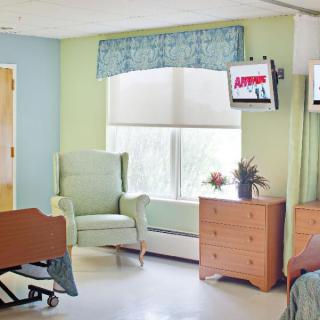
  • Fully furnished Fully furnishedFully furnished senior living communities are important for seniors because they provide convenience, comfort, and a hassle-free moving experience. Seniors can easily settle into their new living space without the stress of having to buy and move furniture. This allows them to focus on enjoying their new home and community.
  • Garden GardenGardens are important for seniors as they provide a peaceful and therapeutic environment for relaxation, physical activity, and socialization. Being in nature has been shown to reduce stress, improve mood, and promote overall well-being. Gardens also offer opportunities for seniors to engage in gardening activities, which can improve mobility, flexibility, and cognitive function. Additionally, gardens create a sense of community and connection with others who share a passion for plants and outdoor spaces.
  • Housekeeping services Housekeeping servicesHousekeeping services are important for seniors because they help maintain a clean and safe living environment, promote independence, and reduce the risk of accidents or illnesses. Additionally, having assistance with household chores can alleviate physical strain and allow seniors to focus on other aspects of their well-being.
  • Move-in coordination Move-in coordinationMove-in coordination is important for seniors because it helps ease the transition into their new living environment. It ensures that all logistics, such as packing, organizing movers, and setting up utilities are taken care of, allowing seniors to focus on settling in and adjusting to their new home. Having a smooth move-in process can alleviate stress and anxiety, making the transition smoother and more enjoyable for seniors.
  • Outdoor space Outdoor spaceOutdoor spaces are important for seniors as they provide opportunities for physical activity, social interaction, exposure to natural light and fresh air, and a sense of connection to nature. Having access to outdoor spaces can improve overall well-being and quality of life for older adults living in senior communities.
  • Telephone TelephoneTelephones are important for seniors as they provide a lifeline for communication with loved ones, emergency services, and healthcare providers. They offer a sense of security and independence, enabling seniors to stay connected and access assistance when needed.
  • Wi-Fi/high-speed internet available Wi-Fi/high-speed internet availableWi-Fi/high-speed internet is important for seniors to stay connected with loved ones, access online resources, and participate in virtual activities to combat feelings of loneliness and isolation. It also allows them to easily manage healthcare needs, access entertainment, and engage in lifelong learning opportunities.

Care Services

  • 24-hour supervision 24-hour supervision24-hour supervision is important for seniors to ensure their safety, well-being, and access to immediate assistance in case of emergencies or health issues. This constant support provides peace of mind for both seniors and their loved ones, allowing them to age in place with dignity and security.
  • Activities of daily living assistance Activities of daily living assistanceActivities of daily living assistance are important for seniors because they provide essential support with tasks such as eating, bathing, dressing, and mobility. This assistance helps seniors maintain their independence, dignity, and overall quality of life as they age.
  • Assistance with bathing Assistance with bathingAssistance with bathing is crucial for seniors as it helps maintain personal hygiene, prevents infections, and ensures their overall well-being and comfort. It also provides a sense of dignity and independence for seniors who may struggle with this task on their own.
  • Assistance with dressing Assistance with dressingAssistance with dressing is important for seniors because it helps maintain their independence, promotes personal hygiene, prevents accidents and injuries, and improves overall quality of life. This service ensures that seniors can continue to dress comfortably and confidently, despite any physical limitations they may have.
  • Assistance with transfers Assistance with transfersAssistance with transfers is crucial for seniors as it helps prevent falls and injuries, maintains their independence, and ensures they can safely navigate their living environment. It also provides peace of mind for both seniors and their loved ones.
  • Coordination with health care providers Coordination with health care providersCoordination with health care providers is crucial for seniors to ensure proper medical care, medication management, and overall well-being. This collaboration helps prevent overlapping treatments, track progress more effectively, and provide comprehensive support tailored to individual needs.
  • Diabetes diet Diabetes dietA diabetes diet is crucial for seniors as it helps manage blood sugar levels, reduce risks of complications, and improve overall health and well-being. By following a balanced and nutritious diet tailored to their specific needs, seniors can better control their diabetes and enhance their quality of life.
  • Meal preparation and service Meal preparation and serviceMeal preparation and service are crucial for seniors as they may have limited mobility or energy to cook nutritious meals. Having access to healthy and convenient food options can ensure they are getting the proper nutrition needed to maintain their overall health and well-being.
  • Medication management Medication managementMedication management is crucial for seniors to ensure they are taking the right medications at the correct dosages and times. This helps prevent adverse drug interactions, reduces the risk of medication errors, and promotes overall health and well-being. Proactive management also allows for adjustments as needed based on changing health conditions or new prescriptions.
  • Special dietary restrictions Special dietary restrictionsSpecial dietary restrictions are important for seniors because age-related changes in metabolism and health conditions can make it difficult for their bodies to process certain foods. By following a diet tailored to their specific needs, seniors can maintain their overall health and well-being, manage chronic conditions, and reduce the risk of complications such as malnutrition or food interactions with medications.
  • Transportation arrangement (medical) Transportation arrangement (medical)Transportation arrangements for medical purposes are essential for seniors as they may have difficulty driving themselves to appointments or accessing public transportation. Having reliable and safe transportation options ensures that seniors can receive timely medical care and maintain their health and well-being.
  • Transportation to doctors appointments Transportation to doctors appointmentsTransportation to doctors' appointments is crucial for seniors as it ensures they have access to necessary medical care and support for their health needs. Without reliable transportation, seniors may struggle to attend important appointments, leading to potential delays in treatment and health complications. Providing transportation services helps seniors maintain their overall well-being and quality of life.

Dining

  • Diabetes diet Diabetes dietA diabetes diet is crucial for seniors as it helps manage blood sugar levels, reduce risks of complications, and improve overall health and well-being. By following a balanced and nutritious diet tailored to their specific needs, seniors can better control their diabetes and enhance their quality of life.
  • Special dietary restrictions Special dietary restrictionsSpecial dietary restrictions are important for seniors because age-related changes in metabolism and health conditions can make it difficult for their bodies to process certain foods. By following a diet tailored to their specific needs, seniors can maintain their overall health and well-being, manage chronic conditions, and reduce the risk of complications such as malnutrition or food interactions with medications.

Activities

  • Community-sponsored activities Community-sponsored activitiesCommunity-sponsored activities are important for seniors as they provide opportunities for social interaction, mental stimulation, and physical activity. These activities can help improve overall well-being, combat loneliness and isolation, and promote a sense of belonging and purpose among older adults.
  • Scheduled daily activities Scheduled daily activitiesScheduled daily activities are important for seniors because they provide structure, socialization, mental stimulation, and physical activity. Engaging in regular activities can improve overall well-being and quality of life for seniors living in a community setting.

Description

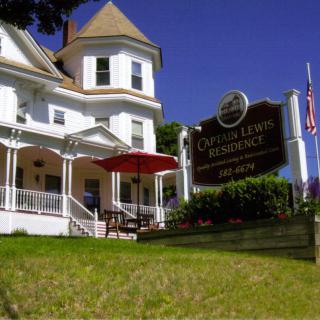
Winthrop Community Living in Winthrop, ME is a premier assisted living community that offers a wide range of amenities and care services to enhance the quality of life for its residents.

Our community features a spacious dining room where residents can enjoy delicious meals prepared by our skilled chefs. The entire facility is fully furnished, providing a comfortable and inviting atmosphere for all residents.

For those who appreciate nature, we have a beautiful garden where residents can relax and enjoy the outdoors. Our dedicated housekeeping staff ensures that the community is always clean and well-maintained.

We understand that moving can be stressful, so we offer move-in coordination services to make the transition as smooth as possible for our residents. In addition, we provide outdoor space where residents can engage in various activities or simply soak up some sunshine.

Communication is essential in today's world, which is why we provide telephone and Wi-Fi or high-speed internet access throughout the community, enabling our residents to stay connected with loved ones and be well-informed.

Our caring staff is available to assist with activities of daily living such as bathing, dressing, and transfers. We also coordinate with health care providers to ensure that our residents receive the necessary medical attention they require. For individuals with diabetes or special dietary restrictions, we offer specialized diets tailored to their needs.

We take pride in providing nutritious meals prepared by our chefs while considering any special dietary restrictions our residents may have. Medication management is also provided to ensure that all medications are taken accurately and on time.

Transportation can often be a challenge for seniors, which is why we offer transportation arrangement services for medical appointments and access to doctors' offices.

In terms of entertainment and socialization opportunities, we schedule daily activities for our residents to participate in, ensuring a lively and engaging atmosphere within the community.

Convenience is key at Winthrop Community Living as we have pharmacies located nearby for easy access to medications. We also have physicians' offices close by to provide medical care and attention when needed. Additionally, our residents have a variety of options for dining out and places of worship within close proximity.

Overall, Winthrop Community Living is dedicated to providing exceptional care and creating an enriching environment where our residents can thrive and enjoy their retirement years.

Nearby Places of Interest

Restaurants

  • Fast Eddie's Drive In (0.5 miles)
  • China Empress (1.2 miles)
  • Sully's Tavern (1.3 miles)
  • Readfield Emporium (6.4 miles)
  • Weathervane Restaurant (6.6 miles)
  • Fielder's Choice Ice Cream (6.8 miles)
  • The Woodshed (6.9 miles)

Physicians

  • Winthrop Pediatric (1.3 miles)
  • Russell Medical Center (4.2 miles)
  • Manchester Osteopathic Healthcare (6.2 miles)
  • DFD Russell Medical Center (7 miles)
  • MaineGeneral Allergy & Asthma (8.6 miles)
  • Be Well My Friend (8.6 miles)
  • Occupational Medical Consulting (9.7 miles)

Places of Worship

  • Faith Alliance Church (1.5 miles)
  • East Winthrop Baptist Church Parsonage (1.6 miles)
  • Revival (1.8 miles)
  • Church of Jesus Christ of Latter Day Saints (2.7 miles)
  • Winthrop Center Friends (3.6 miles)
  • Leeds Community Church (6.8 miles)
  • Fayette Baptist Church (9.6 miles)

Pharmacies

  • Walgreens (1.9 miles)
  • AAA Pharmaceutical Alternatives (6.7 miles)
  • Community Pharmacy (9 miles)
  • Kennebec Pharmacy & Home Care (9 miles)
  • CVS Pharmacy (9.4 miles)
  • Greene Village Pharmacy (10.4 miles)
  • Walmart Pharmacy (10.5 miles)

Cafes

  • Old Firehouse Farm (5.1 miles)
  • Starbucks (9.5 miles)
  • Moose Tracks Cafe (10.2 miles)
  • Panera Bread (10.7 miles)

Transportation

  • Pond Town Taxidermy Studio (5.5 miles)
  • Cape Air (10 miles)
  • usta State Airport (AUG) (10.1 miles)
  • Avis Rent A Car (10.1 miles)
  • U-Haul Moving & Storage (10.4 miles)

Hospitals

  • Pathways Of Maine (9.2 miles)
  • Maine Migrant Health Program (10.8 miles)

Parks

  • Googin's Island Recreation Area (10 miles)
  • Vaughan Field (10 miles)
  • Capitol Park (10.7 miles)

Theaters

  • Regal Augusta (10.6 miles)

Frequently Asked Questions

Where is Winthrop Community Living?

Nearby Communities

Related Resources

  • when to move from assisted living to memory careWhen to Transition from Assisted Living to Memory Care: Key Indicators, Steps, and Finding the Right Community

    Transitioning from assisted living to memory care is driven by an individual's cognitive decline and specific needs, requiring careful evaluation of indicators like increased confusion and wandering. The process involves consulting medical professionals, researching suitable communities, considering financial and legal aspects, and ensuring effective communication for personalized care plans.

  • assisted living vs memory careAssisted Living and Memory Care: Understanding Their Core Differences

    Assisted living provides moderate support for seniors seeking independence, while memory care offers specialized support for individuals with dementia or cognitive impairments through structured routines and trained staff. Key differences include care approaches, environment security measures, staff training levels, activity types, and cost considerations.

  • assisted living activitiesBeyond the Bingo Hall: 50+ Enriching Activities for Seniors in Assisted Living

    Assisted living communities offer diverse activities beyond traditional games to enhance seniors' physical health, cognitive well-being, emotional enrichment, and social connections, including fitness classes, creative expression, and intergenerational interactions. These enriching programs foster community bonds and support residents' independence and happiness.