Heritage Rehabilitation And Living Center

457 Old Lewiston Road, Winthrop, ME 04364

For more information about senior living options: (844) 490-3973

3 from 5 reviews
5 stars
2
4 stars
0
3 stars
1
2 stars
0
1 stars
2

Assisted Living Skilled Nursing Facility

Overall Review of Heritage Rehabilitation And Living Center

Pros

  • pro Heritage has a long history of taking care of people in the community.
  • pro The staff are kind, patient, and understanding.
  • pro The location is great, between Augusta and Lewiston.
  • pro A relative is receiving good care at Heritage.
  • pro Heritage has provided the best care for relatives over the years.
  • pro The reviewer would recommend Heritage to anyone.
  • pro Heritage offers really great activities and outings.
  • pro The facility is small and cozy, which is appreciated.
  • pro The staff at Heritage are appreciated for all they do.
  • pro The staff receive five-star praise.

Cons

  • pro The reviewer notes a lack of health care, lack of healthful food, and lack of hygienic food care.
  • pro They claim there is a total lack of state oversight.
  • pro There is a total lack of care for clients' best interests.
  • pro The facility is severely understaffed, with workloads on a single person deemed unacceptable.
  • pro The company is described as greedy and cold, with poor service and disregard for human life.
  • pro They claim the company prioritizes saving itself and money over patient care.

Review

Heritage is described by many in the community as a place with a long-standing dedication to caring for people. Those who know it speak of a history of kindness, patience, and understanding from the staff, and they point to its convenient location between Augusta and Lewiston as a real plus. The overall sentiment is one of trust built over years, with multiple families feeling confident that Heritage has their loved ones' best interests at heart. The sense of reliability comes through in repeated notes that the facility has been there for the community through various seasons, underscoring a belief that the staff genuinely cares about residents and their families.

For one family, the decision to bring a grandmother to Heritage felt like a meaningful step forward, even though the transition is never easy. The reviewer describes the emotional weight of placing a loved one in a setting that isn't the "norm," acknowledging the reality that life often requires difficult choices. Despite the emotional hurdle, there is a strong sense of reassurance that Heritage is the right place for care. The writer frames the move as a decision reinforced by hope and prayer, and ultimately as a positive development that brings comfort knowing their grandmother is in capable hands with people who will attend to her needs.

Echoing this sentiment of trust, the same reviewer and others recount positive experiences with relatives who have been at Heritage over the years. Time and again, the feedback highlights the best care being delivered, with particular praise for the activities and outings that help keep residents engaged. The small, cozy atmosphere is frequently mentioned as a benefit, contributing to a sense of community and individualized attention. In these accounts, the staff are repeatedly described as really great, reinforcing the impression that Heritage offers a homey, attentive environment where residents can feel valued. Gratitude is extended to those who work there, with a clear message of appreciation for the daily contributions of the team.

Yet not all voices align with the highest praise. A separate thread of feedback raises concerns about what some see as gaps in care. The comments point to a lack of comprehensive health care, insufficient attention to healthful nutrition, and questions about hygienic food practices. There is a sense among these reviewers that oversight at the state level has not translated into the level of care residents deserve, with phrases that convey a fear of neglect and a call for better protection of residents' best interests. The line, "I'll follow this," suggests ongoing vigilance and a willingness to monitor the situation closely, signaling that for some families the watchful eye on quality is far from over.

Another reviewer weighs in with a crisp, bottom-line assessment that centers on staffing. They rate Heritage three stars, not out of a lack of care, but because understaffing creates an unsustainable burden on workers. The critique emphasizes that the volume of work often falls on a single person, which they view as unacceptable and indicative of a broader corporate concern - if not outright neglect - toward both patients and employees. Even for this reviewer, three stars feel generous; they argue that a one-star rating would be more appropriate if measured solely by the company's apparent effort (or lack thereof) to accommodate both residents and staff.

At the opposite end of the spectrum, another review offers a stark dichotomy: five stars for the staff and zero for the company. This voice reserves all praise for the frontline workers, praising their dedication and the quality of care they provide, while assigning all the blame to the corporate side. The critique paints the company as greedy and cold-hearted, with poor service and a supposed disregard for human life. The sentiment is that staff are doing their best under challenging conditions, yet the organization's priorities are misaligned, focused on saving themselves and money rather than investing in people.

Taken together, these perspectives sketch a nuanced portrait of Heritage. There is a clear appreciation for the people who interact with residents daily - the nurses, aides, and activity coordinators - whose kindness, patience, and readiness to engage with residents leave a positive impression. At the same time, there are serious cautions about systemic issues: understaffing, questions about nutrition and hygiene, and concerns about oversight and the facility's broader priorities. The common thread is a belief in the value of good, compassionate care delivered by capable staff, paired with a call for stronger support, resources, and accountable leadership to sustain that care in the long term. For families and community members, Heritage represents both a trusted home for many and a challenge to address structural gaps that could impact the well-being of residents and the workers who serve them daily.

Features

Housing

  • 24 resident community capacity 24 resident community capacity

Types of Care

  • Assisted Living Assisted LivingAssisted living facilities provide crucial support and care for seniors who may need help with daily tasks such as medication management, bathing, and meal preparation. These communities offer a safe and comfortable environment where seniors can maintain their independence while receiving the assistance they need to thrive in their golden years.
  • Skilled Nursing Facility Skilled Nursing FacilitySkilled Nursing Facilities are crucial for seniors as they provide round-the-clock medical care, rehabilitation services, and assistance with daily activities. These facilities ensure that seniors receive the specialized care they need to maintain their health and well-being as they age.

Amenities

  • Beauty salon Beauty salonBeauty salons are important for seniors because they provide a space for them to feel pampered, socialize, and maintain their personal grooming and hygiene. Regular visits to a beauty salon can help boost seniors' self-esteem and overall well-being.
  • Cable or satellite TV Cable or satellite TVCable or satellite TV is important for seniors because it provides entertainment, news, and companionship, helping to combat loneliness and boredom. It also offers a wide range of programming options tailored to different interests and preferences.
  • Dining room Dining roomDining rooms are important for seniors as they provide a space for socialization, connection, and nutritious meals. They offer opportunities for residents to bond over shared meals, foster a sense of community, and promote healthy eating habits. Dining rooms also ensure that seniors have access to well-balanced meals tailored to their dietary needs and preferences.
  • Fully furnished Fully furnishedFully furnished senior living communities are important for seniors because they provide convenience, comfort, and a hassle-free moving experience. Seniors can easily settle into their new living space without the stress of having to buy and move furniture. This allows them to focus on enjoying their new home and community.
  • Garden GardenGardens are important for seniors as they provide a peaceful and therapeutic environment for relaxation, physical activity, and socialization. Being in nature has been shown to reduce stress, improve mood, and promote overall well-being. Gardens also offer opportunities for seniors to engage in gardening activities, which can improve mobility, flexibility, and cognitive function. Additionally, gardens create a sense of community and connection with others who share a passion for plants and outdoor spaces.
  • Housekeeping services Housekeeping servicesHousekeeping services are important for seniors because they help maintain a clean and safe living environment, promote independence, and reduce the risk of accidents or illnesses. Additionally, having assistance with household chores can alleviate physical strain and allow seniors to focus on other aspects of their well-being.
  • Kitchenette KitchenetteKitchenettes are important for seniors living in senior living communities because they provide the convenience and independence of being able to prepare simple meals and snacks in the comfort of their own living space. This can help promote a sense of autonomy and well-being for seniors, allowing them to maintain some level of control over their dietary choices and daily routines.
  • Move-in coordination Move-in coordinationMove-in coordination is important for seniors because it helps ease the transition into their new living environment. It ensures that all logistics, such as packing, organizing movers, and setting up utilities are taken care of, allowing seniors to focus on settling in and adjusting to their new home. Having a smooth move-in process can alleviate stress and anxiety, making the transition smoother and more enjoyable for seniors.
  • Outdoor space Outdoor spaceOutdoor spaces are important for seniors as they provide opportunities for physical activity, social interaction, exposure to natural light and fresh air, and a sense of connection to nature. Having access to outdoor spaces can improve overall well-being and quality of life for older adults living in senior communities.
  • Restaurant-style dining Restaurant-style diningRestaurant-style dining is important for seniors because it allows them to enjoy delicious, nutritious meals in a social and upscale setting. This enhances their dining experience, promotes healthy eating habits, and fosters socialization with fellow residents, ultimately contributing to their overall well-being and quality of life.
  • Small library Small librarySmall libraries are important for seniors as they provide access to a variety of reading materials, including books, newspapers, and magazines. This can help stimulate their minds, keep them engaged, and provide a sense of community through book clubs and other social activities. Additionally, reading has been shown to improve cognitive function and overall mental well-being in older adults.
  • Telephone TelephoneTelephones are important for seniors as they provide a lifeline for communication with loved ones, emergency services, and healthcare providers. They offer a sense of security and independence, enabling seniors to stay connected and access assistance when needed.
  • Wi-Fi/high-speed internet available Wi-Fi/high-speed internet availableWi-Fi/high-speed internet is important for seniors to stay connected with loved ones, access online resources, and participate in virtual activities to combat feelings of loneliness and isolation. It also allows them to easily manage healthcare needs, access entertainment, and engage in lifelong learning opportunities.

Care Services

  • 24-hour call system 24-hour call system24-hour call systems are important for seniors because they provide peace of mind and immediate assistance in case of emergencies. This technology ensures that help is always available, promoting safety and security for elderly individuals living alone or in assisted living facilities.
  • 24-hour supervision 24-hour supervision24-hour supervision is important for seniors to ensure their safety, well-being, and access to immediate assistance in case of emergencies or health issues. This constant support provides peace of mind for both seniors and their loved ones, allowing them to age in place with dignity and security.
  • Activities of daily living assistance Activities of daily living assistanceActivities of daily living assistance are important for seniors because they provide essential support with tasks such as eating, bathing, dressing, and mobility. This assistance helps seniors maintain their independence, dignity, and overall quality of life as they age.
  • Assistance with bathing Assistance with bathingAssistance with bathing is crucial for seniors as it helps maintain personal hygiene, prevents infections, and ensures their overall well-being and comfort. It also provides a sense of dignity and independence for seniors who may struggle with this task on their own.
  • Assistance with dressing Assistance with dressingAssistance with dressing is important for seniors because it helps maintain their independence, promotes personal hygiene, prevents accidents and injuries, and improves overall quality of life. This service ensures that seniors can continue to dress comfortably and confidently, despite any physical limitations they may have.
  • Assistance with transfers Assistance with transfersAssistance with transfers is crucial for seniors as it helps prevent falls and injuries, maintains their independence, and ensures they can safely navigate their living environment. It also provides peace of mind for both seniors and their loved ones.
  • Diabetes diet Diabetes dietA diabetes diet is crucial for seniors as it helps manage blood sugar levels, reduce risks of complications, and improve overall health and well-being. By following a balanced and nutritious diet tailored to their specific needs, seniors can better control their diabetes and enhance their quality of life.
  • Meal preparation and service Meal preparation and serviceMeal preparation and service are crucial for seniors as they may have limited mobility or energy to cook nutritious meals. Having access to healthy and convenient food options can ensure they are getting the proper nutrition needed to maintain their overall health and well-being.
  • Medication management Medication managementMedication management is crucial for seniors to ensure they are taking the right medications at the correct dosages and times. This helps prevent adverse drug interactions, reduces the risk of medication errors, and promotes overall health and well-being. Proactive management also allows for adjustments as needed based on changing health conditions or new prescriptions.
  • Mental wellness program Mental wellness programMental wellness programs are essential for seniors as they promote cognitive stimulation, emotional support, and social engagement. These programs help prevent isolation, depression, and cognitive decline, ultimately enhancing the overall quality of life for older adults.
  • Special dietary restrictions Special dietary restrictionsSpecial dietary restrictions are important for seniors because age-related changes in metabolism and health conditions can make it difficult for their bodies to process certain foods. By following a diet tailored to their specific needs, seniors can maintain their overall health and well-being, manage chronic conditions, and reduce the risk of complications such as malnutrition or food interactions with medications.

Dining

  • Diabetes diet Diabetes dietA diabetes diet is crucial for seniors as it helps manage blood sugar levels, reduce risks of complications, and improve overall health and well-being. By following a balanced and nutritious diet tailored to their specific needs, seniors can better control their diabetes and enhance their quality of life.
  • Special dietary restrictions Special dietary restrictionsSpecial dietary restrictions are important for seniors because age-related changes in metabolism and health conditions can make it difficult for their bodies to process certain foods. By following a diet tailored to their specific needs, seniors can maintain their overall health and well-being, manage chronic conditions, and reduce the risk of complications such as malnutrition or food interactions with medications.

Activities

  • Community-sponsored activities Community-sponsored activitiesCommunity-sponsored activities are important for seniors as they provide opportunities for social interaction, mental stimulation, and physical activity. These activities can help improve overall well-being, combat loneliness and isolation, and promote a sense of belonging and purpose among older adults.
  • Resident-run activities Resident-run activitiesResident-run activities are important for seniors as they encourage social interaction, creativity, and a sense of autonomy. These activities empower seniors to stay engaged and active in their community while fostering meaningful connections with their peers.
  • Scheduled daily activities Scheduled daily activitiesScheduled daily activities are important for seniors because they provide structure, socialization, mental stimulation, and physical activity. Engaging in regular activities can improve overall well-being and quality of life for seniors living in a community setting.

Description

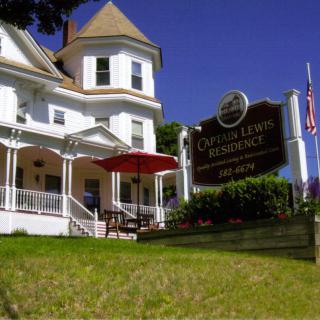
The Heritage Rehabilitation And Living Center in Winthrop, ME is a skilled nursing facility that offers a range of care services to residents. The community provides 24-hour supervision and assistance with activities of daily living such as bathing, dressing, and transfers. They also offer specialized care for individuals with diabetes, including diet management.

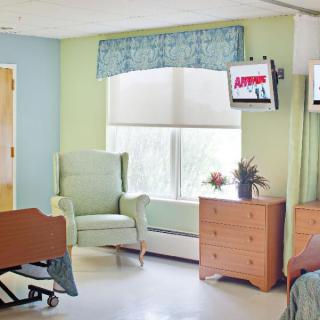
Residents at the Heritage Rehabilitation And Living Center can enjoy a variety of amenities to enhance their quality of life. Each room is fully furnished and equipped with cable or satellite TV and Wi-Fi/high-speed internet. The community features a dining room where residents can enjoy restaurant-style meals prepared by the staff. There is also a small library available for residents' leisurely reading.

The community encourages an active and engaging lifestyle by offering scheduled daily activities for residents to participate in. Additionally, there are resident-run activities that foster socialization and camaraderie among the residents.

Convenience is key at the Heritage Rehabilitation And Living Center, with several nearby amenities available to meet residents' needs. There are pharmacies and physicians located nearby, ensuring easy access to healthcare services when needed. In addition, there are several restaurants and places of worship in close proximity to the community.

Overall, this assisted living community provides comprehensive care services in a comfortable and welcoming environment, designed to promote both physical and mental well-being for its residents.

Nearby Places of Interest

This part of Winthrop, Maine offers a variety of amenities and services that cater to senior living needs. There are several dining options nearby, such as Fast Eddie's Drive In and China Empress, for convenient meals out. Places of worship like the Church of Jesus Christ of Latter Day Saints and Faith Alliance Church provide spiritual support and community engagement. Medical facilities like Winthrop Pediatric and Russell Medical Center ensure easy access to healthcare services. Pharmacies like Walgreens and AAA Pharmaceutical Alternatives offer convenient medication options. Additionally, there are cafes like Old Firehouse Farm for social gatherings, and transportation services like Pond Town Taxidermy Studio for getting around town. Overall, this area provides a range of resources to support a comfortable and fulfilling senior lifestyle.

Restaurants

  • Fast Eddie's Drive In (0.5 miles)
  • China Empress (2 miles)
  • Sully's Tavern (2 miles)
  • Readfield Emporium (7.1 miles)
  • Lintonia Bar Grill (7.2 miles)
  • Weathervane Restaurant (7.4 miles)
  • Fielder's Choice Ice Cream (7.4 miles)

Places of Worship

  • Church of Jesus Christ of Latter Day Saints (1.9 miles)
  • Faith Alliance Church (2.2 miles)
  • East Winthrop Baptist Church Parsonage (2.3 miles)
  • Revival (2.5 miles)
  • Winthrop Center Friends (4.2 miles)
  • Leeds Community Church (6.4 miles)
  • Fayette Baptist Church (10 miles)

Physicians

  • Winthrop Pediatric (2.1 miles)
  • Russell Medical Center (3.4 miles)
  • DFD Russell Medical Center (6.7 miles)
  • Manchester Osteopathic Healthcare (6.8 miles)
  • MaineGeneral Allergy & Asthma (9.2 miles)
  • Be Well My Friend (9.2 miles)
  • Occupational Medical Consulting (9.7 miles)

Pharmacies

  • Walgreens (2.6 miles)
  • AAA Pharmaceutical Alternatives (7.3 miles)
  • Kennebec Pharmacy & Home Care (9.6 miles)
  • Community Pharmacy (9.6 miles)
  • Greene Village Pharmacy (9.6 miles)
  • CVS Pharmacy (9.9 miles)
  • Walmart Pharmacy (11.1 miles)

Cafes

  • Old Firehouse Farm (5.3 miles)
  • Starbucks (10 miles)
  • Moose Tracks Cafe (10.8 miles)
  • Panera Bread (11.3 miles)

Transportation

  • Pond Town Taxidermy Studio (6.1 miles)
  • Cape Air (10.6 miles)
  • usta State Airport (AUG) (10.6 miles)
  • Avis Rent A Car (10.6 miles)
  • U-Haul Moving & Storage (10.9 miles)

Hospitals

  • Pathways Of Maine (9.6 miles)
  • Maine Migrant Health Program (11.3 miles)

Parks

  • Googin's Island Recreation Area (9.9 miles)
  • Vaughan Field (10.5 miles)
  • Capitol Park (11.2 miles)

Theaters

  • Regal Augusta (11.3 miles)

Frequently Asked Questions

Where is Heritage Rehabilitation And Living Center?

Nearby Communities

Related Resources

  • assisted living for disabled adultsComprehensive Residential Support and Assisted Living Solutions for Individuals with Disabilities

    The article examines the complexities of assisted living for individuals with disabilities, emphasizing the need for tailored care solutions that enhance quality of life and social inclusion, while addressing financial challenges and advocating for community integration. It discusses various housing options, the importance of financial assistance through public benefits, and highlights trends towards integrated and technology-driven solutions in disability-focused housing.

  • assisted living for disabled adultsComprehensive Supportive Living Arrangements for Adults with Disabilities

    Assisted living for adults with disabilities has transformed to provide personalized care and support services aimed at improving residents' quality of life while balancing independence and assistance. However, low-income individuals often face challenges in affording these services, requiring navigation of various financial resources and advocacy for better policies and solutions.

  • how to pay for assisted livingFunding and Affording Assisted Living: A Thorough Overview

    Assisted living facilities provide support for older adults needing help with daily activities without extensive medical care, but their costs can be high and vary by location and services offered. Families often seek various funding options and financial strategies to manage these expenses effectively while considering future needs and potential price increases.