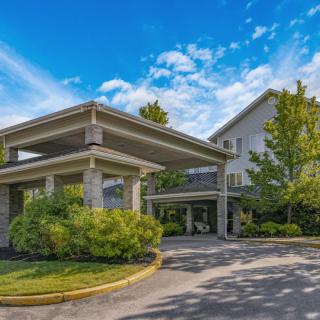
Shalom-Woodford Street is an assisted living community in Portland, ME.
Information last verified:
503 Woodford Street, Portland, ME 04103
For more information about senior living options: (866) 208-4318
3.9 from 64 reviews
5 stars
34
4 stars
11
3 stars
6
2 stars
3
1 stars
10
Overall Review of Shalom-Woodford Street
common9 reviews mention this
Housing help stands out
Residents and clients frequently describe reliable housing support.
A large share of reviewers say the organization helped them find stable housing when they were homeless or struggling with housing-related needs. Multiple reviews describe ongoing help through difficult periods, including helping families and supporting housing vouchers. Even some more mixed reviews still focus on access to help and whether it was received as expected.
common3 reviews mention this
Mental health support appears
Some reviewers point to mental health support.
Several reviews connect the program to stress and anxiety relief, including finding activities helpful. At the same time, at least one reviewer explicitly mentions mental health services and reports a negative experience with them. Another reviewer praises understanding workers in relation to disabilities and mental health.
common9 reviews mention this
Staff communication is mixed
Many reviewers describe polite, welcoming staff.
Many reviews highlight courteous, polite, and welcoming interactions, including staff who answer questions and try to help clients feel comfortable. Some reviewers also credit specific staff members or teams with getting paperwork handled and providing support. However, there are also negative reports of disrespect from the front desk during a referral process.
caveat5 reviews mention this
Help is not always consistent
Some reviewers report not getting the help they expected.
While many reviews are positive about services, a recurring concern is that help was incomplete or not provided the way a client or friend needed. One review says the organization neglects clients and does not provide mental health services, and another says they could not get help for a friend. There is also a complaint that the front desk response during referrals was disrespectful and delayed.
How we summarize
Counts show how many written reviews mention each theme; a review can touch several themes, and only frequently mentioned themes are displayed.
Features
Housing
6 resident community capacity
Types of Care
Assisted Living
Amenities
Cable or satellite TV
Dining room
Fully furnished
Garden
Housekeeping services
Move-in coordination
Outdoor space
Telephone
Wi-Fi/high-speed internet available
Transportation
Portland International Jetport (2 miles away)
Care Services
24-hour supervision
Activities of daily living assistance
Assistance with bathing
Assistance with dressing
Assistance with transfers
Coordination with health care providers
Diabetes diet
Meal preparation and service
Medication management
Special dietary restrictions
Transportation arrangement (medical)
Transportation to doctors appointments
Dining
Diabetes diet
Special dietary restrictions
Activities
Community-sponsored activities
Scheduled daily activities
Nearby Places of Interest
Pharmacies
Rosemont Pharmacy (0.1 miles)
CVS Pharmacy (0.8 miles)
Walgreens (0.9 miles)
CVS Pharmacy (1.2 miles)
Shaw's Pharmacy (1.6 miles)
The Pharmacy (1.7 miles)
Apothecary By Design (2 miles)
Hospitals
HealthSouth (0.5 miles)
Maine Medical Center-Brighton Campus (0.5 miles)
The Barbara Bush Children's Hospital (1.7 miles)
Maine Medical Center - Chaplain's Office (1.7 miles)
Mercy Hospital (1.7 miles)
Mercy Hospital Infusion Unit (2.2 miles)
Portland Public Health Division (2.3 miles)
Physicians
Chest Medicine Associates (0.5 miles)
Maine Orthopaedic Center Pa (0.7 miles)
Medical Laser Services (0.7 miles)
Julius Damion (1 miles)
Eyecare Medical Group (1.1 miles)
Eyecare Today (1.2 miles)
Access Wellness (1.3 miles)
Restaurants
Woodford F & B (0.8 miles)
The Shipyard Brewpub (1.6 miles)
Burger King (1.6 miles)
Firehouse Subs (1.7 miles)
McDonald's (1.8 miles)
Bubba's Sulky Lounge (2 miles)
Hot Suppa (2 miles)
Cafes
Coveside Coffee (0.9 miles)
The Holy Donut (1.6 miles)
Tandem Coffee + Bakery (1.9 miles)
Bintliff's American Cafe (1.9 miles)
Yordprom Coffee Shop (2 miles)
Starbucks (2.2 miles)
Tandem Coffee Roasters - Cafe & Roastery (2.3 miles)
Shalom-Woodford Street is located at 503 Woodford Street, Portland, ME 04103 in Cumberland County, Maine
Nearby Communities
Kelly B
Portland, ME
Comprehensive care (24-hour supervision, ADL assistance, medication management) with on-site dining, housekeeping, care coordination, diabetes diet options, and engaging activities.
Kelly A
Portland, ME
4.7 from 12 reviews
Fully furnished residences with comprehensive care, meals, and housekeeping.
Westminster Place
Portland, ME
Elegant dining, furnished accommodations, outdoor spaces, and personalized care.
Spurwink Jeanne Street
Portland, ME
3 from 13 reviews
Comprehensive assisted living with 24/7 supervision, meals, and activities.
Millie Morrill House
Portland, ME
Fully furnished with 24-hour supervision and garden/outdoor spaces.
Four O Eight-B Brighton Avenue
Portland, ME
3.4 from 47 reviews
Comprehensive assisted living with 24-hour supervision, ADL support, meals, and transportation.
Birchwoods At Canco Senior Living
Portland, ME
4.3 from 82 reviews
Clean environment with friendly staff and engaging activities.
Woods At Canco
Portland, ME
4.3 from 97 reviews
$3,219 to $4,499 / month
Clean, friendly staff with a varied activities program and comfortable living spaces.
The Cedars
Portland, ME
3.8 from 68 reviews
Excellent access to cafes, parks, healthcare, dining, culture, and hospitals.
The article discusses assisted living expenses, the importance of long-term care insurance in covering these costs, and various financing options, highlighting the need for careful policy review and early planning to address potential needs. It also clarifies common misconceptions about Medicare and private health insurance limitations regarding long-term care coverage.
Assisted living facilities offer crucial support for older adults needing help with daily activities but come with varying and significant costs, which can be financed through personal savings, government assistance programs, long-term care insurance, and home equity options. Professional guidance from experts can aid families in navigating these financial complexities to establish a sustainable budgeting approach for assisted living services.
Assisted living costs often exceed Social Security benefits, necessitating a combination of funding sources like state aid and Medicaid. Understanding the interaction between Social Security programs and available financial support is essential for affording such care.
Get PricingAsk A QuestionSchedule A TourContact Senior Advisor
By clicking submit, you agree to our Partner's Terms of Use. You
also consent to receive calls and texts, which may be autodialed, from our Partner. Your consent is not a condition to
using our Partner's service. Please visit our Partner's Privacy Policy for information about their privacy practices.

 6 resident community capacity
 Assisted Living
 Cable or satellite TV
 Dining room
 Fully furnished
 Garden
 Housekeeping services
 Move-in coordination
 Outdoor space
 Telephone
 Wi-Fi/high-speed internet available
 Portland International Jetport (2 miles away)
 24-hour supervision
 Activities of daily living assistance
 Assistance with bathing
 Assistance with dressing
 Assistance with transfers
 Diabetes diet
 Meal preparation and service
 Medication management
 Special dietary restrictions
 Transportation arrangement (medical)
 Transportation to doctors appointments
 Comprehensive care (24-hour supervision, ADL assistance, medication management) with on-site dining, housekeeping, care coordination, diabetes diet options, and engaging activities.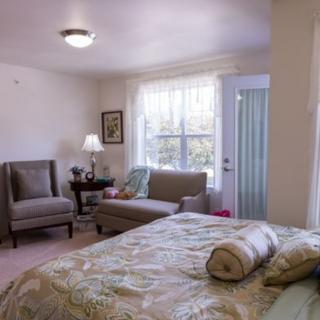
 Assisted Living Expenses and Long-Term Care Insurance: A Comprehensive Exploration
 Securing Financial Support for Assisted Living: A Comprehensive Overview
 Social Security Benefits and Assisted Living: Navigating Options Across the U.S.