
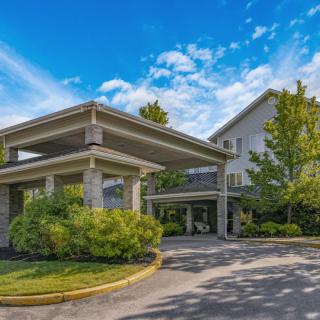
50 Westminster Avenue, Portland, ME 04103
For more information about senior living options: (866) 208-4318
Overall Review of Kelly A
Pros
 Lauri Boxer-Macomber is described as professional, kind, patient, hardworking, and genuinely cares for her clients.
- She is regarded as the best bicycle crash attorney by clients, known for knowledge, persistence, and formidable advocacy.
- The team at Kelly, Remmel & Zimmerman is praised for being compassionate, thorough, empathetic, and responsive, helping clients focus on healing.
- Clients feel they are truly represented by a professional with clear, honest communication and excellent results.
- The firm is described as the best law firm in the state, with attorneys who listen, go above and beyond, and provide reliable guidance.
- John McArdle is highlighted as a decent, caring attorney who is easy to speak with, handles cases with proficiency, and communicates diligently.
- The reviews emphasize that working with these lawyers leads to impressive outcomes and peace of mind during difficult times.
Cons
 The firm never contacted the Town or the Road Association and only sent one letter to the neighbor.
 - When pressed, they claimed they did not like the client's tone and dropped the case.
- They were unprofessional.
- They failed to take necessary steps to resolve the road closure issue, despite guidance from a Road Association officer.
Review
Kelly A in Portland, ME is best suited for bicycle crash victims and their families who need aggressive, empathetic legal advocacy that can coordinate medical recovery with the complex tasks of hospitals, insurance negotiations, and liability questions. The firm’s bicycle-specific expertise stands out in high-stakes cases where injuries are serious and the path to compensation is anything but straightforward. Clients repeatedly rely on the team to translate medical chaos into a clear plan, to push back against stubborn insurers, and to keep the process moving even when emotions run hot. For those facing the dual burdens of injury and financial stress, this practice offers a steady, knowledgeable hand and a practical playbook.
Those who may want to consider alternatives include individuals prioritizing speed over strategic, long-game preparation. Several reviews underscore how decisive, thorough casework pays off, but a minority voice notes that not every matter lies within the same scope or tone, suggesting that some clients may prefer a firmer, more uniform approach across all engagements. In addition, an instance of perceived unprofessional handling in a non-bicycle matter within the same practice signals the importance of clear boundaries, explicit expectations, and a documented process. For those who demand airtight consistency and fully aligned expectations from day one, it’s prudent to explore a firm’s scope of services and communication standards upfront.
The key pros, deep bicycle-law knowledge, patient advocacy, and meticulous case management, strongly offset potential downsides. The firm’s ability to shoulder the administrative load, from hospital bills to insurance disputes, dramatically reduces stress for clients and accelerates healing by letting them focus on recovery. Repeated praise for persistent effort, honest and open communication, and impressive results demonstrates that the investment in a thorough, sometimes lengthy, legal process yields tangible benefits. When insurers push back or when liability questions loom, the advantage of a team that treats the case with the same care one would expect in a personal injury journey becomes clear: clarity, momentum, and a credible pursuit of fair compensation.
Service quality emerges as the defining strength. Clients describe the team as patient, empathetic, and highly responsive, with a knack for explaining complex legal terrain in plain terms. The practice consistently takes care of “every detail,” turning what could be an overwhelming sequence of steps into a coherent plan. The reassurance that someone is handling every angle, medical, financial, and legal, often translates into a smoother road to settlement or judgment, and it allows clients to concentrate on rehabilitation rather than paperwork. That level of attentive, full-spectrum service differentiates this option from firms that might promise expertise but deliver episodic engagement.
Yet, practical caution is warranted. The same breadth of expertise can come with dispersion in how consistently performance translates across all types of cases. The one notable critique regarding scope and tone in a separate matter serves as a reminder that even strong teams must maintain disciplined project management and unified client communication. Prospective clients should enter conversations with explicit expectations on scope, cadence, and what constitutes satisfactory progress. Establishing a written plan, milestones, and regular check-ins can help ensure the strongest possible alignment and minimize disconnects.
In the end, this community is a compelling choice for individuals who value specialized bicycle-law acumen married to practical, compassionate advocacy. The combination of knowledgeable guidance, thorough case handling, and a demonstrated record of favorable outcomes makes the investment worthwhile for riders facing complicated injury claims, insurance disputes, and liability questions. For those who prize speed with minimal friction, or who require a uniformly flawless record of communication across every interaction, it pays to evaluate alternative options and to press for a crystal-clear service agreement. A decisive first step remains: meet with the team, outline goals, and confirm mutual expectations before proceeding.
 3 resident community capacity
 Assisted Living
 Cable or satellite TV
 Dining room
 Fully furnished
 Garden
 Housekeeping services
 Move-in coordination
 Outdoor space
 Telephone
 Wi-Fi/high-speed internet available
 Portland International Jetport (2 miles away)
 24-hour supervision
 Activities of daily living assistance
 Assistance with bathing
 Assistance with dressing
 Assistance with transfers
 Diabetes diet
 Meal preparation and service
 Medication management
 Special dietary restrictions
 Transportation arrangement (medical)
 Transportation to doctors appointments


 Assisted Living and Memory Care: Understanding Their Core Differences
 Beyond the Bingo Hall: 50+ Enriching Activities for Seniors in Assisted Living
 Understanding the Distinctions: Assisted Living and Memory Care Explained