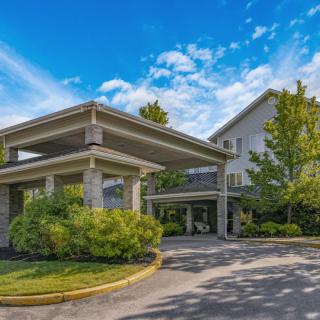
Spurwink Jeanne Street

50 Jeanne Street, Portland, ME 04102

For more information about senior living options: (844) 490-3973

3 from 10 reviews
5 stars
4
4 stars
1
3 stars
0
2 stars
1
1 stars
4

Assisted Living

Overall Review of Spurwink Jeanne Street

Pros

  • pro The staff were very kind and nice, not judgmental at all, and extremely patient, making the client comfortable.
  • pro The staff were very caring, patient, fair, and nonjudgmental.
  • pro It is recommended for people with mental health struggles, especially if they are homeless, to go there.
  • pro The staff did everything to ensure the client was comfortable.

Cons

  • pro The place is absolute trash, from case management to therapy.
  • pro They broke so many promises.
  • pro They did not refer them to the correct services, which allegedly led to a lawsuit.
  • pro The Spurwink Living Room is described as an incompetent, useless mental health service that Maine has created.
  • pro They normalize drug abuse and reward folks who do.
  • pro They spent their first two days homeless there.
  • pro The staff at the homeless shelter allegedly lied about what was said.
  • pro College staff supposedly do not understand anything that is said by clients.
  • pro They offered only a cup of water and told them to walk to the library, with no further assistance, and stared blankly.

Review

A wide range of experiences colors the picture of Spurwink Living Room in Maine, with reviewers painting a picture that swings from genuine warmth and practical support to frustrating mismanagement and dismissive indifference. Some callers speak of a place that offers real compassion to people dealing with mental health struggles and homelessness, while others describe it as a source of broken promises and uneven care. Taken together, the notes suggest a service that can feel like a lifeline to some and a disappointment or even a harmful dead end to others. The common thread across the comments is that outcomes appear highly variable and heavily dependent on who you encounter and what you need on any given day.

On the strongly negative side, one reviewer uses emphatic language to declare the place "absolute trash," casting blame on every level from case management to therapy. The complaint expands to say promises were broken and referrals were incorrect, with the author even asserting there is a lawsuit connected to the organization's handling of services. The reviewer issues a blunt warning to stay away from the Living Room and frames the organization as an example of what they describe as a useless mental health service created by Maine. Taken at face value, these statements convey a deep distrust in the reliability and integrity of the program, emphasizing a failure to deliver on basic assurances and to steer people toward appropriate help.

In stark contrast, another reviewer centers their experience on the humane side of care. They recount spending their first two days homeless and meeting staff who were "very kind and nice," not judgmental, and extremely patient in making them comfortable. For someone grappling with homelessness and mental health challenges, this account frames Spurwink Living Room as a place of refuge and hopeful connection. The recommended takeaway here is simple and affirmative: for people facing acute housing insecurity or mental health crises, the Living Room can be a meaningful, supportive space that makes a tangible difference in how someone navigates a difficult period.

Yet even among seemingly well-meaning intentions, there are reports of poor coordination and perceived misdirection. One reviewer describes asking for concrete help - getting new glasses, housing, and other practical tasks - but feels the staff's focus was diverted to talking with the homeless shelter staff and, worse, claims the staff lied about what was said. The disappointment extends to a sense that "college people" (a phrase in the review) don't understand what the clients are communicating, suggesting a broader frustration with the ability of staff to translate and advocate for individual needs. This account highlights a critical strain many service users encounter: the gap between good intentions and effective, accurate action in helping people secure tangible, life-improving resources.

A different facet of the critique centers on concerns about broader program culture. One reviewer intimates that there is an atmosphere of normalizing drug abuse and even rewarding those who use drugs, a claim that hints at perceived misalignment between the program's goals and its everyday practices. While the statement is brief and not elaborated in detail, it signals a fear among some users that the environment may not always champion recovery or safety in a way that aligns with their values or expectations. This thread adds to a sense that the Living Room's approach - how it handles substance-use issues and how it communicates about them - can be a point of contention and discomfort for certain clients.

Another stark episode comes from a homeless individual who visited the Living Room with the expectation of resource connection and relief from the heat. Instead, they reported being offered only a cup of water and directed to walk up the street to the Portland Public Library, with staff "blankly staring" as they left to continue their conversation. This story paints a scene of perceived indifference and a lack of practical assistance at a moment when the visitor needed tangible support. It underscores the potential for a disconnect between stated services and actual behavior on the ground, leaving the impression that some clients are met with minimal engagement and little actionable help.

Amid these polarized experiences, there is also a clear, recurring note of positive engagement. A separate reviewer reaffirms that there are "very caring people," who are patient, fair, and nonjudgmental, and ends with a resonant question about what more someone could ask for. This positive voice emphasizes that for some people, the Living Room provides an atmosphere of acceptance and respect, where staff listen and treat clients with dignity. It's a reminder that the same place can be a source of comfort and stability for some, even as others feel underserved or dismissed.

Taken together, the set of reviews reveals a service that can be a beacon of care for some and a source of frustration for others. The positives point to a culture of kindness, patience, and nonjudgmental support that can help people feel seen and safe, especially when they are vulnerable or facing homelessness. The negatives, meanwhile, raise serious concerns about reliability, coordination, and the targeting of concrete needs, with claims of broken promises, misleading referrals, and even indifferent handling in moments that demand practical help. The presence of allegations about lawsuits, debates over drug-use norms, and experiences of being redirected or dismissed all contribute to a complicated portrait.

For potential clients or families considering Spurwink Living Room, these accounts suggest a cautious approach. There appears to be genuine compassion from many staff members and a capacity to provide meaningful warmth and support, especially to those in the throes of homelessness or acute mental health stress. At the same time, there are credible-sounding reports of miscommunication, insufficient follow-through on referrals, and instances where clients felt ignored or shortchanged. Anyone approaching this service should be prepared to assess on the ground, ask detailed questions about referrals and supports, and seek alternative resources if the experience feels insufficient or misaligned with one's needs. The diversity of experiences also implies that outcomes may depend heavily on the specific staff encountered and the particular situation a person brings to the Living Room.

Features

Housing

  • 3 resident community capacity 3 resident community capacity

Types of Care

  • Assisted Living Assisted LivingAssisted living facilities provide crucial support and care for seniors who may need help with daily tasks such as medication management, bathing, and meal preparation. These communities offer a safe and comfortable environment where seniors can maintain their independence while receiving the assistance they need to thrive in their golden years.

Amenities

  • Cable or satellite TV Cable or satellite TVCable or satellite TV is important for seniors because it provides entertainment, news, and companionship, helping to combat loneliness and boredom. It also offers a wide range of programming options tailored to different interests and preferences.
  • Dining room Dining roomDining rooms are important for seniors as they provide a space for socialization, connection, and nutritious meals. They offer opportunities for residents to bond over shared meals, foster a sense of community, and promote healthy eating habits. Dining rooms also ensure that seniors have access to well-balanced meals tailored to their dietary needs and preferences.
  • Fully furnished Fully furnishedFully furnished senior living communities are important for seniors because they provide convenience, comfort, and a hassle-free moving experience. Seniors can easily settle into their new living space without the stress of having to buy and move furniture. This allows them to focus on enjoying their new home and community.
  • Garden GardenGardens are important for seniors as they provide a peaceful and therapeutic environment for relaxation, physical activity, and socialization. Being in nature has been shown to reduce stress, improve mood, and promote overall well-being. Gardens also offer opportunities for seniors to engage in gardening activities, which can improve mobility, flexibility, and cognitive function. Additionally, gardens create a sense of community and connection with others who share a passion for plants and outdoor spaces.
  • Housekeeping services Housekeeping servicesHousekeeping services are important for seniors because they help maintain a clean and safe living environment, promote independence, and reduce the risk of accidents or illnesses. Additionally, having assistance with household chores can alleviate physical strain and allow seniors to focus on other aspects of their well-being.
  • Move-in coordination Move-in coordinationMove-in coordination is important for seniors because it helps ease the transition into their new living environment. It ensures that all logistics, such as packing, organizing movers, and setting up utilities are taken care of, allowing seniors to focus on settling in and adjusting to their new home. Having a smooth move-in process can alleviate stress and anxiety, making the transition smoother and more enjoyable for seniors.
  • Outdoor space Outdoor spaceOutdoor spaces are important for seniors as they provide opportunities for physical activity, social interaction, exposure to natural light and fresh air, and a sense of connection to nature. Having access to outdoor spaces can improve overall well-being and quality of life for older adults living in senior communities.
  • Telephone TelephoneTelephones are important for seniors as they provide a lifeline for communication with loved ones, emergency services, and healthcare providers. They offer a sense of security and independence, enabling seniors to stay connected and access assistance when needed.
  • Wi-Fi/high-speed internet available Wi-Fi/high-speed internet availableWi-Fi/high-speed internet is important for seniors to stay connected with loved ones, access online resources, and participate in virtual activities to combat feelings of loneliness and isolation. It also allows them to easily manage healthcare needs, access entertainment, and engage in lifelong learning opportunities.

Transportation

  • Portland International Jetport (2 miles away) Portland International Jetport (2 miles away)

Care Services

  • 24-hour supervision 24-hour supervision24-hour supervision is important for seniors to ensure their safety, well-being, and access to immediate assistance in case of emergencies or health issues. This constant support provides peace of mind for both seniors and their loved ones, allowing them to age in place with dignity and security.
  • Activities of daily living assistance Activities of daily living assistanceActivities of daily living assistance are important for seniors because they provide essential support with tasks such as eating, bathing, dressing, and mobility. This assistance helps seniors maintain their independence, dignity, and overall quality of life as they age.
  • Assistance with bathing Assistance with bathingAssistance with bathing is crucial for seniors as it helps maintain personal hygiene, prevents infections, and ensures their overall well-being and comfort. It also provides a sense of dignity and independence for seniors who may struggle with this task on their own.
  • Assistance with dressing Assistance with dressingAssistance with dressing is important for seniors because it helps maintain their independence, promotes personal hygiene, prevents accidents and injuries, and improves overall quality of life. This service ensures that seniors can continue to dress comfortably and confidently, despite any physical limitations they may have.
  • Assistance with transfers Assistance with transfersAssistance with transfers is crucial for seniors as it helps prevent falls and injuries, maintains their independence, and ensures they can safely navigate their living environment. It also provides peace of mind for both seniors and their loved ones.
  • Coordination with health care providers Coordination with health care providersCoordination with health care providers is crucial for seniors to ensure proper medical care, medication management, and overall well-being. This collaboration helps prevent overlapping treatments, track progress more effectively, and provide comprehensive support tailored to individual needs.
  • Diabetes diet Diabetes dietA diabetes diet is crucial for seniors as it helps manage blood sugar levels, reduce risks of complications, and improve overall health and well-being. By following a balanced and nutritious diet tailored to their specific needs, seniors can better control their diabetes and enhance their quality of life.
  • Meal preparation and service Meal preparation and serviceMeal preparation and service are crucial for seniors as they may have limited mobility or energy to cook nutritious meals. Having access to healthy and convenient food options can ensure they are getting the proper nutrition needed to maintain their overall health and well-being.
  • Medication management Medication managementMedication management is crucial for seniors to ensure they are taking the right medications at the correct dosages and times. This helps prevent adverse drug interactions, reduces the risk of medication errors, and promotes overall health and well-being. Proactive management also allows for adjustments as needed based on changing health conditions or new prescriptions.
  • Special dietary restrictions Special dietary restrictionsSpecial dietary restrictions are important for seniors because age-related changes in metabolism and health conditions can make it difficult for their bodies to process certain foods. By following a diet tailored to their specific needs, seniors can maintain their overall health and well-being, manage chronic conditions, and reduce the risk of complications such as malnutrition or food interactions with medications.
  • Transportation arrangement (medical) Transportation arrangement (medical)Transportation arrangements for medical purposes are essential for seniors as they may have difficulty driving themselves to appointments or accessing public transportation. Having reliable and safe transportation options ensures that seniors can receive timely medical care and maintain their health and well-being.
  • Transportation to doctors appointments Transportation to doctors appointmentsTransportation to doctors' appointments is crucial for seniors as it ensures they have access to necessary medical care and support for their health needs. Without reliable transportation, seniors may struggle to attend important appointments, leading to potential delays in treatment and health complications. Providing transportation services helps seniors maintain their overall well-being and quality of life.

Dining

  • Diabetes diet Diabetes dietA diabetes diet is crucial for seniors as it helps manage blood sugar levels, reduce risks of complications, and improve overall health and well-being. By following a balanced and nutritious diet tailored to their specific needs, seniors can better control their diabetes and enhance their quality of life.
  • Special dietary restrictions Special dietary restrictionsSpecial dietary restrictions are important for seniors because age-related changes in metabolism and health conditions can make it difficult for their bodies to process certain foods. By following a diet tailored to their specific needs, seniors can maintain their overall health and well-being, manage chronic conditions, and reduce the risk of complications such as malnutrition or food interactions with medications.

Activities

  • Community-sponsored activities Community-sponsored activitiesCommunity-sponsored activities are important for seniors as they provide opportunities for social interaction, mental stimulation, and physical activity. These activities can help improve overall well-being, combat loneliness and isolation, and promote a sense of belonging and purpose among older adults.
  • Scheduled daily activities Scheduled daily activitiesScheduled daily activities are important for seniors because they provide structure, socialization, mental stimulation, and physical activity. Engaging in regular activities can improve overall well-being and quality of life for seniors living in a community setting.

Description

Spurwink Jeanne Street in Portland, ME is an assisted living community that offers a wide range of amenities and care services to meet the needs of its residents. The community features a spacious dining room where residents can enjoy delicious meals prepared by our experienced staff. The apartments are fully furnished and provide a comfortable and homely environment for our residents.

Our community also boasts a beautiful garden and outdoor space where residents can relax, socialize, or engage in outdoor activities. Housekeeping services are provided to ensure that the apartments are always clean and well-maintained.

At Spurwink Jeanne Street, we prioritize the health and wellbeing of our residents. Our dedicated staff provides assistance with activities of daily living such as bathing, dressing, and transfers. We also coordinate with healthcare providers to ensure that our residents receive the necessary medical attention. For those with diabetes or special dietary restrictions, we offer tailored meal plans to meet their specific needs.

Transportation arrangement for medical appointments is available for convenience. In addition, there are numerous cafes, parks, pharmacies, physicians' offices, restaurants, transportation options, theaters, and hospitals in close proximity to our community.

We believe in promoting an active and fulfilling lifestyle for our residents. Scheduled daily activities are organized to cater to their interests and preferences.

Spurwink Jeanne Street is dedicated to providing exceptional care and support to older adults in need of assisted living services in Portland, ME area.

Nearby Places of Interest

Pharmacies

  • Rosemont Pharmacy (0.2 miles)
  • CVS Pharmacy (1 miles)
  • Walgreens (1.1 miles)
  • CVS Pharmacy (1.4 miles)
  • Shaw's Pharmacy (1.4 miles)
  • The Pharmacy (1.9 miles)
  • Walgreens (2.2 miles)

Hospitals

  • HealthSouth (0.7 miles)
  • Maine Medical Center-Brighton Campus (0.7 miles)
  • The Barbara Bush Children's Hospital (1.9 miles)
  • Maine Medical Center - Chaplain's Office (1.9 miles)
  • Mercy Hospital (2 miles)
  • Mercy Hospital Infusion Unit (2.4 miles)
  • Portland Public Health Division (2.5 miles)

Physicians

  • Chest Medicine Associates (0.7 miles)
  • Maine Orthopaedic Center Pa (0.8 miles)
  • Medical Laser Services (0.9 miles)
  • Julius Damion (1.2 miles)
  • Maine Medical Partners Otolaryngology - Portland Office (1.3 miles)
  • Eyecare Medical Group (1.3 miles)
  • Eyecare Today (1.4 miles)

Restaurants

  • Woodford F & B (1 miles)
  • Burger King (1.4 miles)
  • Firehouse Subs (1.5 miles)
  • McDonald's (1.6 miles)
  • The Shipyard Brewpub (1.7 miles)
  • Bubba's Sulky Lounge (2.2 miles)
  • Hot Suppa (2.2 miles)

Cafes

  • Coveside Coffee (1.1 miles)
  • The Holy Donut (1.8 miles)
  • Tandem Coffee + Bakery (2.1 miles)
  • Bintliff's American Cafe (2.2 miles)
  • Yordprom Coffee Shop (2.2 miles)
  • Starbucks (2.4 miles)
  • Tandem Coffee Roasters - Cafe & Roastery (2.4 miles)

Transportation

  • Portland Transportation Center (1.4 miles)
  • Northeast Air (1.6 miles)
  • PWM Baggage Claim (1.7 miles)
  • Portland International Jetport (PWM) (1.7 miles)

Parks

  • Deering Oaks Park (1.9 miles)
  • Western Promenade Park (2.2 miles)
  • Thompsons Point (2.4 miles)
  • Congress Square Park (2.4 miles)
  • Lincoln Park (2.6 miles)

Theaters

  • Patriot Cinemas (2.6 miles)

Frequently Asked Questions

Where is Spurwink Jeanne Street?

Nearby Communities

  • Kelly A

    Kelly A

    Portland, ME

    4.7 from 12 reviews
     

    pro Fully furnished residences with comprehensive care, meals, and housekeeping.

    Kelly A reviews

  • Kelly B

    Kelly B

    Portland, ME


    pro Comprehensive care (24-hour supervision, ADL assistance, medication management) with on-site dining, housekeeping, care coordination, diabetes diet options, and engaging activities.

  • Westminster Place

    Westminster Place

    Portland, ME


    pro Elegant dining, furnished accommodations, outdoor spaces, and personalized care.

  • Millie Morrill House

    Millie Morrill House

    Portland, ME


    pro Fully furnished with 24-hour supervision and garden/outdoor spaces.

  • Shalom-Woodford Street

    Shalom-Woodford Street

    Portland, ME

    3.9 from 64 reviews
     

    pro Small, intimate setting enables highly personalized care.

    Shalom-Woodford Street reviews

  • Spurwink Sonnet Lane

    Spurwink Sonnet Lane

    Portland, ME

    3.8 from 36 reviews
     

    pro Fully furnished apartments with comprehensive care, meals, housekeeping, and transportation to medical visits.

    Spurwink Sonnet Lane reviews

  • Birchwoods At Canco Senior Living

    Birchwoods At Canco Senior Living

    Portland, ME

    4.3 from 81 reviews
     

    pro Clean environment with friendly staff and engaging activities.

    Birchwoods At Canco Senior Living reviews
    Birchwoods At Canco Senior Living images

  • Woods At Canco

    Woods At Canco

    Portland, ME

    4.2 from 82 reviews
    $3,219 to $4,499 / month

    pro Clean, friendly staff with a varied activities program and comfortable living spaces.

    Woods At Canco costs
    Woods At Canco reviews
    Woods At Canco images

  • The Cedars

    The Cedars

    Portland, ME

    3.8 from 68 reviews
     

    pro Excellent access to cafes, parks, healthcare, dining, culture, and hospitals.

    The Cedars reviews
    The Cedars images

Related Resources

  • when to move from assisted living to memory careWhen to Transition from Assisted Living to Memory Care: Key Indicators, Steps, and Finding the Right Community

    Transitioning from assisted living to memory care is driven by an individual's cognitive decline and specific needs, requiring careful evaluation of indicators like increased confusion and wandering. The process involves consulting medical professionals, researching suitable communities, considering financial and legal aspects, and ensuring effective communication for personalized care plans.

  • assisted living vs memory careAssisted Living and Memory Care: Understanding Their Core Differences

    Assisted living provides moderate support for seniors seeking independence, while memory care offers specialized support for individuals with dementia or cognitive impairments through structured routines and trained staff. Key differences include care approaches, environment security measures, staff training levels, activity types, and cost considerations.

  • assisted living activitiesBeyond the Bingo Hall: 50+ Enriching Activities for Seniors in Assisted Living

    Assisted living communities offer diverse activities beyond traditional games to enhance seniors' physical health, cognitive well-being, emotional enrichment, and social connections, including fitness classes, creative expression, and intergenerational interactions. These enriching programs foster community bonds and support residents' independence and happiness.