Four O Eight-B Brighton Avenue

408B Brighton Avenue, Portland, ME 04102

For more information about senior living options: (844) 490-3973

3.4 from 41 reviews
5 stars
20
4 stars
5
3 stars
0
2 stars
3
1 stars
13

Assisted Living

Overall Review of Four O Eight-B Brighton Avenue

Pros

  • pro The staff were friendly and knowledgeable, and the process was professional and efficient.
  • pro Triage nurses were highly attentive.
  • pro The CAT scan technician was sweet, gentle, kind, and friendly, and the patient was in and out quickly.
  • pro A CAT scan and accurate diagnosis reportedly saved a life.
  • pro Brighton staff were helpful and efficient, directing the patient to obtain a prescription the same night.
  • pro Gary was patient and provided honest feedback and tips on healing.
  • pro The staff were accommodating, kind, helpful, reassuring, and positive.
  • pro The doctor and nurses were professional and helpful.
  • pro X-ray interpretations were available in MyChart almost immediately, providing reassurance.
  • pro The patient was in and out within about two hours.

Cons

  • pro The reviewer notes a horrendous patient-to-staff ratio, constant nurse bells, and very little privacy in rundown rooms.
  • pro The facility is described as outdated, with the same appearance since the 1990s aside from smoking areas.
  • pro It is allegedly billed as an Emergency Room rather than urgent care, leading to high ER fees and misleading branding.
  • pro A nurse is reported to have hit a nerve with an IV, causing numbness and later infection, with no timely assistance offered.
  • pro Communication is criticized as terrible, including difficulty obtaining information about loved ones and follow-up.
  • pro Billing practices are called outrageous, including a large "professional/urgent care" fee that turns a quoted $300 self-pay into over $1,000.
  • pro Radiology waits are long and staff are rude, with perceived poor management.
  • pro COVID testing is described as excessively expensive (around $2,000 for four tests) and billing inconsistent.

Review

The collection of experiences at the Maine Health facilities around Brighton Avenue paints a deeply mixed picture. On one hand, there is a palpable sense of frustration with the environment and the systems that run it: patient-to-staff ratios feel stretched to the breaking point, the constant ringing of nurse bells creates a barely tolerable backdrop, and rooms are described as rundown and dated, offering minimal privacy for patients. Several reviewers point out that this is not a critique of the frontline staff themselves, but of administrations and infrastructure that seem to lag behind patient needs. The overall feel is that the place hasn't kept pace with decades of change, with some noting the facilities look much the same as they did in the 1990s, save for changes to smoking areas. It's less a boutique hospital experience and more a field hospital feel - functional, but weary and sometimes chaotic.

A frequent flashpoint across the narratives is the hospital's billing reality and the confusion around what the center bills for. Multiple reviewers warn that this place markets itself as an Emergency Room yet operates like an urgent care in many people's eyes, leading to alarming copays and bills that arrive long after the visit. There are explicit cautions to be prepared for ER-level fees, and some describe the business name as misleading or fraudulent in its presentation of services. The discrepancy between website language and patient bills is a recurring theme, with patients recounting bills that combine "professional fees" and "urgent care" charges in ways that feel opaque, inconsistent, or simply unwarranted to those paying out of pocket or with high-deductible plans. The financial experience is an additional stressor layered on top of an already tense medical situation.

Not all experiences are negative, though. A number of patients recall moments of compassionate, effective care that left a lasting positive impression. One patient specifically mentions a staff member named Gary who listened empathetically and offered honest feedback and healing tips after an injury, turning a painful visit into something more constructive and reassuring. Separately, some reviewers praise the Brighton staff for their professionalism and efficiency, noting quick service that allowed them to obtain prescriptions promptly after testing or evaluation. There are also mentions of urgent care visits that went smoothly, with short waits and attentive triage nurses who were described as very attentive, and imaging results (like X-ray interpretations) being made available rapidly, sometimes even before the formal provider visit, which helped reassure families that nothing was broken.

The experiences across departments are uneven. In some instances, patients report immediate attention and direct communication: short waits, quick imaging, and immediate access to MyChart results showing X-ray interpretations prior to seeing a provider. In other cases, however, the same facilities struggle with communication deficiencies and delays. One review laments extremely long waits and a lack of clear information about what to expect, especially around wait times and triage, while another highlights the difficulty of getting information or updates about a loved one when attempting to make inquiries by phone. There are also complaints about scheduling inefficiencies and long delays for routine services, like radiology appointments, with some describing a "wait time" that feels chronic rather than episodic.

Pain management and patient safety emerge as serious concerns in a few recountings. One patient describes nerve damage and numbness after an IV in which the staff member acknowledged it was unlikely to be normal but no prompt assistance followed, culminating in a delayed removal of the IV and the emergence of an infection at the injection site days later. The account also mentions receiving a criminal harassment notice connected to the experience at Maine Health facilities, a detail that underscores how emotionally charged and legally tangled some encounters can become for patients who feel harmed or mistreated. These particular experiences contrast sharply with the more routine, efficient visits described elsewhere, illustrating a risk vector that some patients fear when systems feel overburdened or understaffed.

There are also stories about the costs of testing, particularly during the COVID era. One reviewer reports paying roughly $2,000 for four COVID tests - despite one test being self-administered - after insurance issues complicated matters. The bills allegedly included duplicative charges for doctors that were not seen and a separate "outpatient surgery" line item, prompting strong admonitions to avoid testing at these facilities and to consider alternatives such as community pharmacies for testing. The overarching impression is that pricing for testing and related services can be opaque and inconsistent, and the out-of-network status can make this even more painful for patients who are already navigating the stress of illness or exposure.

Despite the variability, a common thread is that people who have favorable experiences tend to emphasize courtesy, efficiency, and clear patient communication when it occurs. There are explicit appreciations for prompt imaging results, friendly staff, and the sense that certain visits were handled competently and compassionately. Yet the negative experiences - ranging from misaligned billing, questions about the true nature of the services provided, and concerns about patient safety and privacy - sit in stark contrast to these positive moments. The overall takeaway across voices is that there is a real mix: some individuals feel they were treated with respect, speed, and competence, while others feel overwhelmed by systemic inefficiencies, unclear pricing, and environments that do not feel patient-centered or well-managed.

Taken together, the narrative landscape around these facilities is a tapestry of contradictions. For some patients, the care experience is bolstered by competent clinicians, quick testing, and supportive staff - enough to outweigh the rough edges of a crowded facility. For others, the experience is tarnished by confusing billing practices, long waits, privacy concerns, and a sense that administrative decisions trump transparent, patient-first communication. The recurring calls for improvement focus on three fronts: better alignment between what the facility charges and what patients expect to pay, clearer and more transparent pricing and billing explanations, and a commitment to patient privacy, privacy in shared spaces, and timely communication about test results, wait times, and care plans. In the end, the stories suggest a place that can be both lifesaving and exasperating, capable of moments of genuine care and administrative frustration in equal measure.

Features

Housing

  • 3 resident community capacity 3 resident community capacity

Types of Care

  • Assisted Living Assisted LivingAssisted living facilities provide crucial support and care for seniors who may need help with daily tasks such as medication management, bathing, and meal preparation. These communities offer a safe and comfortable environment where seniors can maintain their independence while receiving the assistance they need to thrive in their golden years.

Amenities

  • Cable or satellite TV Cable or satellite TVCable or satellite TV is important for seniors because it provides entertainment, news, and companionship, helping to combat loneliness and boredom. It also offers a wide range of programming options tailored to different interests and preferences.
  • Dining room Dining roomDining rooms are important for seniors as they provide a space for socialization, connection, and nutritious meals. They offer opportunities for residents to bond over shared meals, foster a sense of community, and promote healthy eating habits. Dining rooms also ensure that seniors have access to well-balanced meals tailored to their dietary needs and preferences.
  • Fully furnished Fully furnishedFully furnished senior living communities are important for seniors because they provide convenience, comfort, and a hassle-free moving experience. Seniors can easily settle into their new living space without the stress of having to buy and move furniture. This allows them to focus on enjoying their new home and community.
  • Garden GardenGardens are important for seniors as they provide a peaceful and therapeutic environment for relaxation, physical activity, and socialization. Being in nature has been shown to reduce stress, improve mood, and promote overall well-being. Gardens also offer opportunities for seniors to engage in gardening activities, which can improve mobility, flexibility, and cognitive function. Additionally, gardens create a sense of community and connection with others who share a passion for plants and outdoor spaces.
  • Housekeeping services Housekeeping servicesHousekeeping services are important for seniors because they help maintain a clean and safe living environment, promote independence, and reduce the risk of accidents or illnesses. Additionally, having assistance with household chores can alleviate physical strain and allow seniors to focus on other aspects of their well-being.
  • Move-in coordination Move-in coordinationMove-in coordination is important for seniors because it helps ease the transition into their new living environment. It ensures that all logistics, such as packing, organizing movers, and setting up utilities are taken care of, allowing seniors to focus on settling in and adjusting to their new home. Having a smooth move-in process can alleviate stress and anxiety, making the transition smoother and more enjoyable for seniors.
  • Outdoor space Outdoor spaceOutdoor spaces are important for seniors as they provide opportunities for physical activity, social interaction, exposure to natural light and fresh air, and a sense of connection to nature. Having access to outdoor spaces can improve overall well-being and quality of life for older adults living in senior communities.
  • Telephone TelephoneTelephones are important for seniors as they provide a lifeline for communication with loved ones, emergency services, and healthcare providers. They offer a sense of security and independence, enabling seniors to stay connected and access assistance when needed.
  • Wi-Fi/high-speed internet available Wi-Fi/high-speed internet availableWi-Fi/high-speed internet is important for seniors to stay connected with loved ones, access online resources, and participate in virtual activities to combat feelings of loneliness and isolation. It also allows them to easily manage healthcare needs, access entertainment, and engage in lifelong learning opportunities.

Transportation

  • Portland International Jetport (2 miles away) Portland International Jetport (2 miles away)

Care Services

  • 24-hour supervision 24-hour supervision24-hour supervision is important for seniors to ensure their safety, well-being, and access to immediate assistance in case of emergencies or health issues. This constant support provides peace of mind for both seniors and their loved ones, allowing them to age in place with dignity and security.
  • Activities of daily living assistance Activities of daily living assistanceActivities of daily living assistance are important for seniors because they provide essential support with tasks such as eating, bathing, dressing, and mobility. This assistance helps seniors maintain their independence, dignity, and overall quality of life as they age.
  • Assistance with bathing Assistance with bathingAssistance with bathing is crucial for seniors as it helps maintain personal hygiene, prevents infections, and ensures their overall well-being and comfort. It also provides a sense of dignity and independence for seniors who may struggle with this task on their own.
  • Assistance with dressing Assistance with dressingAssistance with dressing is important for seniors because it helps maintain their independence, promotes personal hygiene, prevents accidents and injuries, and improves overall quality of life. This service ensures that seniors can continue to dress comfortably and confidently, despite any physical limitations they may have.
  • Assistance with transfers Assistance with transfersAssistance with transfers is crucial for seniors as it helps prevent falls and injuries, maintains their independence, and ensures they can safely navigate their living environment. It also provides peace of mind for both seniors and their loved ones.
  • Coordination with health care providers Coordination with health care providersCoordination with health care providers is crucial for seniors to ensure proper medical care, medication management, and overall well-being. This collaboration helps prevent overlapping treatments, track progress more effectively, and provide comprehensive support tailored to individual needs.
  • Diabetes diet Diabetes dietA diabetes diet is crucial for seniors as it helps manage blood sugar levels, reduce risks of complications, and improve overall health and well-being. By following a balanced and nutritious diet tailored to their specific needs, seniors can better control their diabetes and enhance their quality of life.
  • Meal preparation and service Meal preparation and serviceMeal preparation and service are crucial for seniors as they may have limited mobility or energy to cook nutritious meals. Having access to healthy and convenient food options can ensure they are getting the proper nutrition needed to maintain their overall health and well-being.
  • Medication management Medication managementMedication management is crucial for seniors to ensure they are taking the right medications at the correct dosages and times. This helps prevent adverse drug interactions, reduces the risk of medication errors, and promotes overall health and well-being. Proactive management also allows for adjustments as needed based on changing health conditions or new prescriptions.
  • Special dietary restrictions Special dietary restrictionsSpecial dietary restrictions are important for seniors because age-related changes in metabolism and health conditions can make it difficult for their bodies to process certain foods. By following a diet tailored to their specific needs, seniors can maintain their overall health and well-being, manage chronic conditions, and reduce the risk of complications such as malnutrition or food interactions with medications.
  • Transportation arrangement (medical) Transportation arrangement (medical)Transportation arrangements for medical purposes are essential for seniors as they may have difficulty driving themselves to appointments or accessing public transportation. Having reliable and safe transportation options ensures that seniors can receive timely medical care and maintain their health and well-being.
  • Transportation to doctors appointments Transportation to doctors appointmentsTransportation to doctors' appointments is crucial for seniors as it ensures they have access to necessary medical care and support for their health needs. Without reliable transportation, seniors may struggle to attend important appointments, leading to potential delays in treatment and health complications. Providing transportation services helps seniors maintain their overall well-being and quality of life.

Dining

  • Diabetes diet Diabetes dietA diabetes diet is crucial for seniors as it helps manage blood sugar levels, reduce risks of complications, and improve overall health and well-being. By following a balanced and nutritious diet tailored to their specific needs, seniors can better control their diabetes and enhance their quality of life.
  • Special dietary restrictions Special dietary restrictionsSpecial dietary restrictions are important for seniors because age-related changes in metabolism and health conditions can make it difficult for their bodies to process certain foods. By following a diet tailored to their specific needs, seniors can maintain their overall health and well-being, manage chronic conditions, and reduce the risk of complications such as malnutrition or food interactions with medications.

Activities

  • Community-sponsored activities Community-sponsored activitiesCommunity-sponsored activities are important for seniors as they provide opportunities for social interaction, mental stimulation, and physical activity. These activities can help improve overall well-being, combat loneliness and isolation, and promote a sense of belonging and purpose among older adults.
  • Scheduled daily activities Scheduled daily activitiesScheduled daily activities are important for seniors because they provide structure, socialization, mental stimulation, and physical activity. Engaging in regular activities can improve overall well-being and quality of life for seniors living in a community setting.

Description

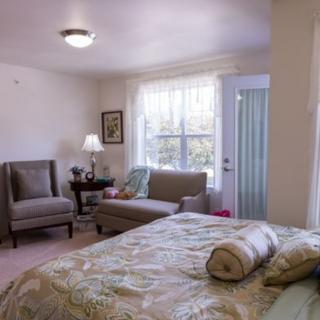
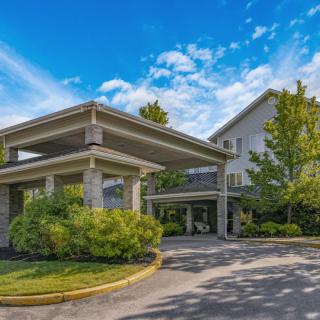
The assisted living community at Four O Eight-B Brighton Avenue in Portland, ME offers a range of amenities and care services to ensure a comfortable and convenient living experience for its residents. The community features a spacious dining room where residents can enjoy delicious meals prepared by the staff. The apartments are fully furnished, providing a cozy and home-like environment. The community also boasts a beautiful garden and outdoor space where residents can relax and enjoy the natural surroundings.

Housekeeping services are provided to maintain a clean and organized living environment. Move-in coordination is available to assist new residents with a smooth transition. Residents can stay connected with friends and family through telephone and Wi-Fi/high-speed internet access.

Care services offered include assistance with activities of daily living, such as bathing, dressing, and transfers. The staff also coordinates with health care providers to ensure that residents receive the necessary medical attention they need. Special dietary requirements, including diabetes diet, are catered to during meal preparation and service. Medication management is provided to ensure that residents take their medications on time.

Transportation arrangements for medical appointments are available to ensure that residents can easily access healthcare facilities when needed. Scheduled daily activities provide opportunities for social engagement and entertainment within the community.

For added convenience, there are several amenities and services in close proximity to the community. With 12 cafes, 5 parks, 11 pharmacies, 25 physicians, 35 restaurants, 4 transportation options, 1 theater nearby, residents have various options for leisure activities outside of the community. Additionally, being in close proximity to 7 hospitals ensures accessibility to quality medical care when required.

Overall, the assisted living community at Four O Eight-B Brighton Avenue provides a comfortable and supportive environment for seniors requiring assistance with daily tasks while offering various amenities and easy access to essential services nearby.

Nearby Places of Interest

Hospitals

  • Maine Medical Center-Brighton Campus (0.1 miles)
  • HealthSouth (0.1 miles)
  • The Barbara Bush Children's Hospital (1.3 miles)
  • Maine Medical Center - Chaplain's Office (1.3 miles)
  • Mercy Hospital (1.4 miles)
  • Mercy Hospital Infusion Unit (1.8 miles)
  • Portland Public Health Division (2 miles)

Physicians

  • Chest Medicine Associates (0.1 miles)
  • Medical Laser Services (0.5 miles)
  • Julius Damion (0.7 miles)
  • Maine Orthopaedic Center Pa (0.7 miles)
  • Eyecare Medical Group (0.8 miles)
  • Eyecare Today (0.9 miles)
  • Access Wellness (0.9 miles)

Pharmacies

  • Rosemont Pharmacy (0.4 miles)
  • CVS Pharmacy (0.6 miles)
  • Walgreens (0.6 miles)
  • CVS Pharmacy (0.9 miles)
  • The Pharmacy (1.3 miles)
  • Apothecary By Design (1.6 miles)
  • Walgreens (1.6 miles)

Restaurants

  • Woodford F & B (0.6 miles)
  • The Shipyard Brewpub (1.5 miles)
  • Bubba's Sulky Lounge (1.6 miles)
  • Hot Suppa (1.6 miles)
  • Uncharted Tea (1.7 miles)
  • Bao Bao Dumpling House (1.8 miles)
  • Little Tap House (1.9 miles)

Cafes

  • Coveside Coffee (0.7 miles)
  • The Holy Donut (1.2 miles)
  • Tandem Coffee + Bakery (1.5 miles)
  • Bintliff's American Cafe (1.6 miles)
  • Yordprom Coffee Shop (1.6 miles)
  • Starbucks (1.8 miles)
  • Tandem Coffee Roasters - Cafe & Roastery (1.9 miles)

Transportation

  • Portland Transportation Center (0.9 miles)
  • Northeast Air (1.4 miles)
  • PWM Baggage Claim (1.5 miles)
  • Portland International Jetport (PWM) (1.5 miles)

Parks

  • Deering Oaks Park (1.3 miles)
  • Western Promenade Park (1.6 miles)
  • Congress Square Park (1.8 miles)
  • Thompsons Point (1.8 miles)
  • Lincoln Park (2.1 miles)

Theaters

  • Patriot Cinemas (2 miles)

Frequently Asked Questions

Where is Four O Eight-B Brighton Avenue?

Nearby Communities

Related Resources

  • assisted living vs nursing homeChoosing the Right Senior Care: A Detailed Exploration of Assisted Living and Nursing Homes

    Choosing between assisted living and nursing homes involves evaluating emotional and financial factors, with assisted living offering independence and support for daily activities at a lower cost, while nursing homes provide intensive medical care for individuals with significant health needs. The decision is influenced by personal preferences, health status, cognitive function, and varying Medicaid coverage across states.

  • assisted living costUnderstanding the True Cost of Assisted Living in 2025: A Comprehensive Guide

    Assisted living in 2025 offers a crucial balance of independence and support for seniors, with costs varying from $2,500 to over $7,000 per month based on factors such as location and care level. Understanding pricing complexities, including regional differences and potential hidden fees, is essential for families to plan financially while ensuring quality care for their loved ones.

  • does medicaid pay for assisted livingUnderstanding Medicaid Coverage for Assisted Living: A Comprehensive Guide

    The guide outlines the complexities of Medicaid coverage for assisted living, highlighting significant state-to-state variations, limited coverage often restricted to personal care services, and the existence of specialized waivers for certain needs like memory care. It advises families to consult local Medicaid offices for options while emphasizing the importance of understanding state-specific regulations and facility policies.