Many reviewers describe staff as professional, attentive, and reassuring.
A recurring positive theme is how residents felt during urgent visits: multiple reviews mention staff members being patient, knowledgeable, and kind, including reassurance during painful injuries and procedures. Several reviewers also call out fast hands-on care after arrival, like timely imaging and getting out with a prescription. Even when reviews criticize other parts of the experience, they often still note that individual clinicians were caring.
caveat6 reviews mention this
Communication and scheduling problems
Several reviews report difficult communication and delays in follow-through.
Some reviewers describe long waits for triage, radiology, or scheduling steps, including situations where people were waiting in hallways for hours. Others mention that appointments were not followed through or that they struggled to get information about a loved one by phone for extended periods. Taken together, the reviews suggest responsiveness and coordination can be inconsistent.
caveat6 reviews mention this
Pricing surprises and ER-copay concerns
A recurring concern is higher-than-expected billing tied to ER versus urgent-care charges.
Several reviewers say they felt misled or surprised by what they were billed for, especially when a visit was characterized as an emergency-room experience. Others describe large bills after care, including out-of-network disputes and unexpected add-on fees. Even positive reviews around treatment don’t erase that some reviewers connect the overall negative experience to cost and billing clarity.
How we summarize
Counts show how many written reviews mention each theme; a review can touch several themes, and only frequently mentioned themes are displayed.
Features
Housing
2 resident community capacity
Types of Care
Assisted Living
Amenities
Cable or satellite TV
Dining room
Fully furnished
Garden
Housekeeping services
Move-in coordination
Outdoor space
Telephone
Wi-Fi/high-speed internet available
Transportation
Portland International Jetport (2 miles away)
Care Services
24-hour supervision
Activities of daily living assistance
Assistance with bathing
Assistance with dressing
Assistance with transfers
Coordination with health care providers
Diabetes diet
Meal preparation and service
Medication management
Special dietary restrictions
Transportation arrangement (medical)
Transportation to doctors appointments
Dining
Diabetes diet
Special dietary restrictions
Activities
Community-sponsored activities
Scheduled daily activities
Nearby Places of Interest
Hospitals
Maine Medical Center-Brighton Campus (0.1 miles)
HealthSouth (0.1 miles)
The Barbara Bush Children's Hospital (1.3 miles)
Maine Medical Center - Chaplain's Office (1.3 miles)
Mercy Hospital (1.4 miles)
Mercy Hospital Infusion Unit (1.8 miles)
Portland Public Health Division (2 miles)
Physicians
Chest Medicine Associates (0.1 miles)
Medical Laser Services (0.5 miles)
Julius Damion (0.7 miles)
Maine Orthopaedic Center Pa (0.7 miles)
Eyecare Medical Group (0.8 miles)
Eyecare Today (0.9 miles)
Access Wellness (0.9 miles)
Pharmacies
Rosemont Pharmacy (0.4 miles)
CVS Pharmacy (0.6 miles)
Walgreens (0.6 miles)
CVS Pharmacy (0.9 miles)
The Pharmacy (1.3 miles)
Apothecary By Design (1.6 miles)
Walgreens (1.6 miles)
Restaurants
Woodford F & B (0.6 miles)
The Shipyard Brewpub (1.5 miles)
Bubba's Sulky Lounge (1.6 miles)
Hot Suppa (1.6 miles)
Uncharted Tea (1.7 miles)
Bao Bao Dumpling House (1.8 miles)
Little Tap House (1.9 miles)
Cafes
Coveside Coffee (0.7 miles)
The Holy Donut (1.2 miles)
Tandem Coffee + Bakery (1.5 miles)
Bintliff's American Cafe (1.6 miles)
Yordprom Coffee Shop (1.6 miles)
Starbucks (1.8 miles)
Tandem Coffee Roasters - Cafe & Roastery (1.9 miles)
Vibrant Senior Living emphasizes active senior living communities that promote independence and engagement through diverse amenities and activities, fostering wellness and social interaction among older adults. These communities range from independent to assisted living, with a focus on personal growth, family involvement, financial planning, and leveraging technology to enhance residents' experiences.
Transitioning from assisted living to memory care is driven by an individual's cognitive decline and specific needs, requiring careful evaluation of indicators like increased confusion and wandering. The process involves consulting medical professionals, researching suitable communities, considering financial and legal aspects, and ensuring effective communication for personalized care plans.
Assisted living provides moderate support for seniors seeking independence, while memory care offers specialized support for individuals with dementia or cognitive impairments through structured routines and trained staff. Key differences include care approaches, environment security measures, staff training levels, activity types, and cost considerations.
Get PricingAsk A QuestionSchedule A TourContact Senior Advisor
By clicking submit, you agree to our Partner's Terms of Use. You
also consent to receive calls and texts, which may be autodialed, from our Partner. Your consent is not a condition to
using our Partner's service. Please visit our Partner's Privacy Policy for information about their privacy practices.

 2 resident community capacity
 Assisted Living
 Cable or satellite TV
 Dining room
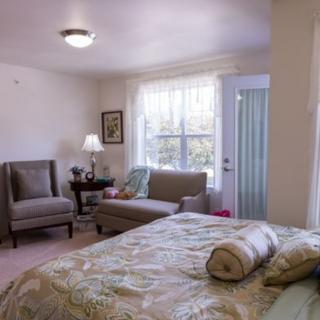
 Fully furnished
 Garden
 Housekeeping services
 Move-in coordination
 Outdoor space
 Telephone
 Wi-Fi/high-speed internet available
 Portland International Jetport (2 miles away)
 24-hour supervision
 Activities of daily living assistance
 Assistance with bathing
 Assistance with dressing
 Assistance with transfers
 Diabetes diet
 Meal preparation and service
 Medication management
 Special dietary restrictions
 Transportation arrangement (medical)
 Transportation to doctors appointments
 Comprehensive assisted living with 24-hour supervision, ADL support, meals, and transportation.


 Vibrant Senior Living: A Comprehensive Guide for Active Older Adults
 When to Transition from Assisted Living to Memory Care: Key Indicators, Steps, and Finding the Right Community
 Assisted Living and Memory Care: Understanding Their Core Differences