
1 Horan Street Apt 4, Jay, ME 04239
For more information about senior living options: (866) 208-4318
Overall Review of Jay 3
Pros
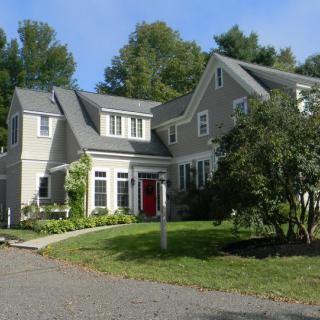
 The exterior of the buildings looks great.
- It is a great place to live: affordable and clean.
- Darcy and Sue are very helpful and understanding.
- The property is clean and quiet.
- The apartments are nice.
- A resident reports never having seen a mouse.
Cons
 The place looks run down on the outside.
- The owners just collect money and do nothing for residents, including a disabled mother who lives there.
- The owners are garbage and not recommended for anyone.
- The lighting is insufficient; it would be nicer if it were brighter.
- There are mice in the apartments.
Review
Jay 3 in Jay, Maine is best suited for seniors who want affordable, straightforward living with reliable on-site staff and a calm, independent routine, without the burden of luxury finishes or complex amenities. Longtime residents emphasize affordability, cleanliness, and a quiet atmosphere, underscoring that the property can feel like a steady, low-stress home. The exterior presents well from the office view, and the apartments themselves are described as decent and functional. For households prioritizing predictable costs, minimal disruption, and a small-community vibe over high-end design, Jay 3 delivers practical value.
Prospective residents should, however, explicitly weigh alternatives if ownership and proactive upkeep are non-negotiable. Several reviews flag concerns about the owners’ level of engagement, especially for residents who are disabled and rely on timely assistance. One family’s account of owners “collecting money and doing nothing” for a disabled relative introduces a real risk signal about advocacy and responsiveness. That sentiment, whether representative or not, suggests a potential gap in hands-on management. Added cautions include aging exterior features, limited night-time lighting, and recurring mentions of mice, which imply maintenance and pest-control issues that could escalate if attention wanes. These factors narrow suitability to those who can tolerate uneven upkeep in exchange for lower costs.
On the bright side, the strongest positives center on affordability, cleanliness, and a notably quiet living environment. Residents report clean, well-kept interiors and a calm, low-noise setting that supports rest and routine. On-site staff members, particularly Darcy and Sue, are repeatedly described as helpful and understanding, which can translate into smoother day-to-day interactions and problem resolution. The combination of a modest, uncomplicated living space with dependable personnel creates a practical advantage for someone who values stability over novelty. While not universally pest-free, the sense of basic maintenance and orderly surroundings remains a meaningful plus for budget-conscious seniors.
The downsides are concrete enough to impact decision-making. The exterior’s aging appearance signals long-term upkeep challenges, and gaps in lighting can undermine perceived safety and usability after dark. The most serious consideration is ownership management, which some reviews portray as detached from resident needs, a risk for anyone requiring consistent assistance. Pest presence, though not universal in every unit, recurs in multiple accounts and serves as a warning that pest-control effectiveness may hinge on timely maintenance. Taken together, these drawbacks erode the appeal for households that demand proactive, continuous oversight and modernized infrastructure.
Yet the benefits can still offset the drawbacks for the right buyer. The price point reduces financial pressure, freeing funds for care services or personal support as needed. The quiet, clean environment fosters a sense of calm crucial to aging in place, while accessible, straightforward apartments minimize disruptive renovations or transitions. Helpful staff can bridge gaps in maintenance and advocacy, especially when expectations align with what the property routinely delivers. For families willing to trade newer finishes and campus-like amenities for predictable costs and responsive human contact, Jay 3 remains a viable option.
In the end, the decision hinges on priorities. Jay 3 is a practical, economical choice for seniors who value affordability, a quiet setting, and reliable staff contact, and who can tolerate aging exteriors, modest lighting, and the possibility of inconsistent ownership responsiveness. Those who cannot accept the risk of delayed repairs, pest concerns, or a perceived disconnect between management and resident needs should actively compare other communities with stronger ownership accountability and more modern facilities. The prudent path is to meet with the current on-site team, tour several units, probe maintenance response times, and assess whether the level of care and community feel align with the disabled relative’s requirements. If not, exploring alternatives with clearer oversight and newer infrastructure is the safer, wiser course.
 1 resident community capacity
 Assisted Living
 Cable or satellite TV
 Dining room
 Fully furnished
 Garden
 Housekeeping services
 Move-in coordination
 Outdoor space
 Telephone
 Wi-Fi/high-speed internet available
 24-hour supervision
 Activities of daily living assistance
 Assistance with bathing
 Assistance with dressing
 Assistance with transfers
 Diabetes diet
 Meal preparation and service
 Medication management
 Special dietary restrictions
 Transportation arrangement (medical)
 Transportation to doctors appointments





 Comprehensive Residential Support and Assisted Living Solutions for Individuals with Disabilities
 Comprehensive Supportive Living Arrangements for Adults with Disabilities
 Funding and Affording Assisted Living: A Thorough Overview