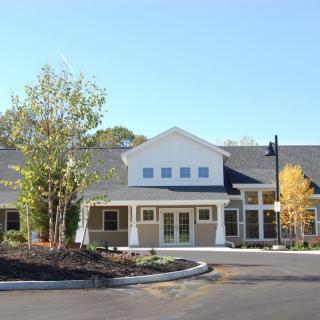
Hollis House II is an assisted living community in Hollis Center, ME.
Information last verified:
304 Cape Road, Hollis Center, ME 04042
For more information about senior living options: (866) 208-4318
3.5 from 107 reviews
5 stars
53
4 stars
13
3 stars
6
2 stars
5
1 stars
30
Overall Review of Hollis House II
common25 reviews mention this
Self check-in via QR and kiosk
Many reviewers describe a streamlined QR-code or kiosk check-in flow.
Several reviewers say they check in using a QR code and/or a kiosk, then receive a door assignment and proceed through the loading process with little back-and-forth. A number of comments also mention phone-based updates (like text messages) tied to door readiness. When issues come up, they are often described as system or check-in problems rather than the steps themselves.
caveat29 reviews mention this
Loading times feel unpredictable
Reviews frequently describe long or inconsistent loading waits.
While some reviewers report fast loading after receiving a door, many others describe delays that stretch into hours or even overnight. Several comments connect the slowdowns to crowding and busy conditions, and some specifically criticize difficulty getting a door. Even when people say the process works, multiple reviews still warn that wait times can vary widely.
caveat16 reviews mention this
Customer service reactions vary
Reviews point to mixed experiences with staff responsiveness.
Some reviewers say staff members were friendly and helpful, and a few describe employees as quick to get them moving once they reached the loading stage. At the same time, other reviewers report poor attitudes, refusing to help, or unprofessional behavior in the office or yard. Several negative comments also describe communication breakdowns around check-in status and door assignments.
caveat19 reviews mention this
Parking lot and yard congestion
Multiple reviews mention yard congestion and parking-related issues.
Reviewers frequently bring up truck parking and yard flow, including how cars/trucks are positioned and how that affects getting around. Some comments describe plenty of room and a smooth operation once they follow the right route and on-site process. Others say truck placement blocks movement, contributes to waiting, or adds confusion during peak traffic.
common2 reviews mention this
Nearby medical options are close
There are several medical options within roughly 10–12 miles.
Reviewers don’t emphasize local medical access, but the nearby list includes multiple physician offices and hospitals. This can matter for day-to-day logistics when care needs arise. The community also lists transportation arrangement for medical appointments in its care services.
How we summarize
Counts show how many written reviews mention each theme; a review can touch several themes, and only frequently mentioned themes are displayed.
Features
Housing
2 resident community capacity
Types of Care
Assisted Living
Amenities
Cable or satellite TV
Dining room
Fully furnished
Garden
Housekeeping services
Move-in coordination
Outdoor space
Telephone
Wi-Fi/high-speed internet available
Transportation
Portland International Jetport (15 miles away)
Care Services
24-hour supervision
Activities of daily living assistance
Assistance with bathing
Assistance with dressing
Assistance with transfers
Coordination with health care providers
Diabetes diet
Meal preparation and service
Medication management
Special dietary restrictions
Transportation arrangement (medical)
Transportation to doctors appointments
Dining
Diabetes diet
Special dietary restrictions
Activities
Community-sponsored activities
Scheduled daily activities
Nearby Places of Interest
Restaurants
The River Tap & Grill (2.7 miles)
Town Line Deli (4.3 miles)
Lakeside Market (5.3 miles)
Percy's Table (8.7 miles)
Funky Bow Brewery and Beer Company (8.8 miles)
Papa's Ice Cream (8.9 miles)
Subway (8.9 miles)
Parks
Hollis Equestrian Park (3.3 miles)
Shaw Gym (9.4 miles)
Johnson Field (11.3 miles)
Places of Worship
First Congregational Church (3.7 miles)
Standish Baptist Church (8.6 miles)
Notre Dame Institute - Notre Dame Hall (9.4 miles)
Deeper Well Church (9.8 miles)
Morning Star Ministries (10.6 miles)
General Conference Of Seventh-Day Adventists (12.4 miles)
Activities of Daily Living (ADLs) are fundamental tasks vital for an individual's independence, particularly in older adults over 85, and include functions like bathing and dressing; assessing ADLs alongside Instrumental Activities of Daily Living (IADLs) helps determine the level of required assistance due to age-related health challenges. Tailored support plans, involving family and community resources, are essential for maintaining dignity and autonomy in assisted living environments.
Medicare does not cover assisted living costs, as it focuses on acute medical needs and short-term care, with exceptions for certain medically necessary services like physical therapy. Individuals must explore other options such as Medicaid, veterans' benefits, or long-term care insurance to manage these expenses effectively.
Luxury assisted living offers high-quality senior care in a resort-like environment that combines essential medical support, gourmet dining, and personalized services to enhance residents' independence and well-being. These upscale facilities emphasize holistic health and community-building through customized care plans and social activities, catering to the growing demand for enriched senior living experiences despite higher costs.
Get PricingAsk A QuestionSchedule A TourContact Senior Advisor
By clicking submit, you agree to our Partner's Terms of Use. You
also consent to receive calls and texts, which may be autodialed, from our Partner. Your consent is not a condition to
using our Partner's service. Please visit our Partner's Privacy Policy for information about their privacy practices.

 2 resident community capacity
 Assisted Living
 Cable or satellite TV
 Dining room
 Fully furnished
 Garden
 Housekeeping services
 Move-in coordination
 Outdoor space
 Telephone
 Wi-Fi/high-speed internet available
 Portland International Jetport (15 miles away)
 24-hour supervision
 Activities of daily living assistance
 Assistance with bathing
 Assistance with dressing
 Assistance with transfers
 Diabetes diet
 Meal preparation and service
 Medication management
 Special dietary restrictions
 Transportation arrangement (medical)
 Transportation to doctors appointments
 Comprehensive on-site care with furnished apartments, meals, housekeeping, and transportation.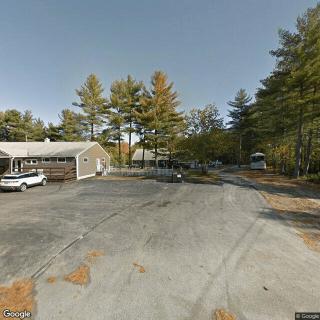
 Comprehensive Insights into Activities of Daily Living (ADLs) and Their Assessment
 Medicare Coverage for Assisted Living: An In-Depth Exploration
 Your Comprehensive Guide to Luxury Assisted Living: Elevated Facilities, Amenities, and Costs