
310 Cape Road, Hollis Center, ME 04042
For more information about senior living options: (866) 208-4318
3.4 from 88 reviews
Hollis House is an assisted living community in Hollis Center, ME.
Information last verified:
310 Cape Road, Hollis Center, ME 04042
For more information about senior living options: (866) 208-4318
 3 resident community capacity
 Assisted Living
 Cable or satellite TV
 Dining room
 Fully furnished
 Garden
 Housekeeping services
 Move-in coordination
 Outdoor space
 Telephone
 Wi-Fi/high-speed internet available
 Portland International Jetport (15 miles away)
 24-hour supervision
 Activities of daily living assistance
 Assistance with bathing
 Assistance with dressing
 Assistance with transfers Coordination with health care providers
 Diabetes diet
 Meal preparation and service
 Medication management
 Special dietary restrictions
 Transportation arrangement (medical)
 Transportation to doctors appointments Diabetes diet Special dietary restrictions Community-sponsored activities Scheduled daily activities
Hollis House is located at 310 Cape Road, Hollis Center, ME 04042 in York County, Maine

Hollis House II
Hollis Center, ME
 Comprehensive care (ADL support, medication management, diabetes diet), furnished living, and nearby amenities.
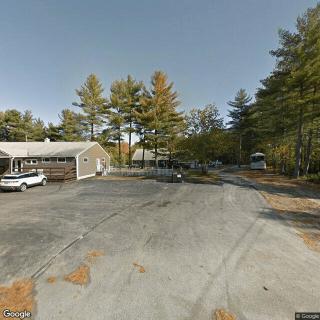
Anytime Services for Seniors
Hollis, ME
Close access to cafes, parks, pharmacies, and physicians' offices.
Brook Bend Farm
Dayton, ME
Comprehensive care and amenities (24/7 supervision, meals, meds, activities).
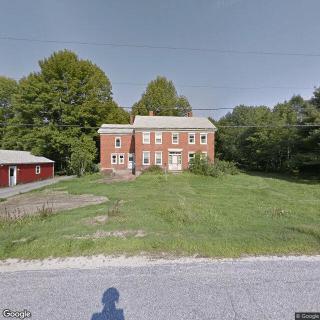
Berrys Elder Care Home
Buxton, ME
Convenient access to cafes, parks, physicians, restaurants, and places of worship near the community.
Angels Retreat Assisted Living
Buxton, ME
Personalized care with engaging activities.
Town Farm
Buxton, ME
On-site dining and comprehensive care with medical transport.

Pine Point Center
Scarborough, ME
Friendly, experienced staff; clean, comfortable rooms and nice common areas

The Inn At Atlantic Heights
Saco, ME
Good value with independent cottages and assisted living options in a pleasant setting with engaging activities.
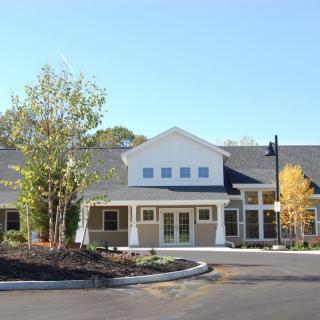
Avita of Stroudwater
Westbrook, ME
Caring, patient staff with frequent family communication.
 Assisted Living Expenses and Long-Term Care Insurance: A Comprehensive Exploration
The article discusses assisted living expenses, the importance of long-term care insurance in covering these costs, and various financing options, highlighting the need for careful policy review and early planning to address potential needs. It also clarifies common misconceptions about Medicare and private health insurance limitations regarding long-term care coverage.
 Securing Financial Support for Assisted Living: A Comprehensive Overview
Assisted living facilities offer crucial support for older adults needing help with daily activities but come with varying and significant costs, which can be financed through personal savings, government assistance programs, long-term care insurance, and home equity options. Professional guidance from experts can aid families in navigating these financial complexities to establish a sustainable budgeting approach for assisted living services.
 Social Security Benefits and Assisted Living: Navigating Options Across the U.S.
Assisted living costs often exceed Social Security benefits, necessitating a combination of funding sources like state aid and Medicaid. Understanding the interaction between Social Security programs and available financial support is essential for affording such care.