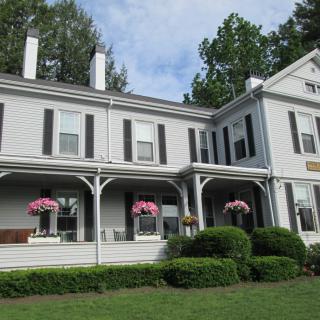
Supported Living in Augusta, ME

27 Chapel Street, Augusta, ME 04330

For more information about senior living options: (844) 490-3973

4.3 from 6 reviews
5 stars
5
4 stars
0
3 stars
0
2 stars
0
1 stars
1

Assisted Living

Overall Review of Supported Living

Pros

  • pro The sober house is very good, with good people and caring staff.
  • pro Joe Babbige is a supportive presence who reaches out to residents and helps them stay on track.
  • pro The environment's kind and caring hearts help residents achieve long-term sobriety.
  • pro The house is great, with friendly people and caring house managers, and it is highly recommended.
  • pro The staff connect with residents on an individual basis and regularly check in to ensure everything is going well, going out of their way to help them succeed.
  • pro Joe and his staff truly care about every man who comes there and go above and beyond to meet their needs.

Review

This Augusta, Maine-based Supported Living option is best suited for adult men who are serious about sobriety and want a structured, community-driven environment where staff and peers hold each other accountable. It works well for those who benefit from regular check-ins, predictable daily rhythms, and hands-on support from house managers who treat recovery as a shared, practical journey. It isn't a luxury retreat; it is a working recovery home where proximity to others on the same path and ready access to a responsive team create real momentum for staying clean and focused on long-term goals.

Those who may want to consider alternatives are clear about their priorities: if privacy, independence, or a broader level of clinical oversight is essential, this setting may feel confining. Individuals who need private apartments, highly individualized medical care, or specialized programming outside a recovery home model might look elsewhere. It's also worth noting that those seeking a different gender composition or a more conventional apartment-style living arrangement may find other options better aligned with their expectations for autonomy and space.

The strongest pros here center on genuine care and practical support. Staff members - especially the house managers and Joe - are repeatedly described as approachable, dependable, and willing to go beyond the basics to meet personal needs. Residents note frequent, individualized check-ins and a sense that the staff are truly invested in their success, not merely supervising compliance. This relational core translates into meaningful progress for many residents, with several reporting extended sobriety and a renewed sense of purpose fueled by a supportive, accountable community.

Another clear advantage is the culture of accountability that permeates daily life. The environment encourages residents to lean on each other and to participate in a shared recovery process, which helps reduce isolation and creates steady reinforcement against relapse. The atmosphere is described as friendly and welcoming, but with a purposeful focus that keeps residents aligned with recovery goals. For someone who thrives on routine, mentorship, and peer encouragement, these factors combine to produce steady forward movement rather than sporadic bursts of motivation.

Yet the model has its downsides. The very features that promote accountability - cohesive house routines, shared spaces, and constant peer presence - can feel restrictive to those who value higher degrees of privacy or autonomy. Success hinges on fit with the house culture; disagreements or mismatches among residents can dampen momentum and make days feel more challenging rather than smoother. The rating spread includes a solitary one-star voice, which serves as a reminder that not every individual will experience the same level of satisfaction or progress, particularly in a small sample where leadership and cohort dynamics shift over time.

In deciding whether this Augusta community is the right path, prospects should weigh the tangible sobriety outcomes and hands-on support against the desire for privacy and independence. For families and individuals prioritizing a proven, people-centered recovery home with responsive staff and a track record of ongoing sobriety, this option offers a credible, practical route with real-life momentum. If privacy, medical breadth, or a different house culture is non-negotiable, explore alternatives - other sober-living houses, programs with more individualized clinical oversight, or settings that emphasize autonomy - so the choice aligns precisely with personal goals and tolerance for structure. The best fit balances dependable guidance with enough personal space to sustain motivation long after leaving the house.

Features

Housing

  • 1 resident community capacity 1 resident community capacity

Types of Care

  • Assisted Living Assisted LivingAssisted living facilities provide crucial support and care for seniors who may need help with daily tasks such as medication management, bathing, and meal preparation. These communities offer a safe and comfortable environment where seniors can maintain their independence while receiving the assistance they need to thrive in their golden years.

Amenities

  • Cable or satellite TV Cable or satellite TVCable or satellite TV is important for seniors because it provides entertainment, news, and companionship, helping to combat loneliness and boredom. It also offers a wide range of programming options tailored to different interests and preferences.
  • Dining room Dining roomDining rooms are important for seniors as they provide a space for socialization, connection, and nutritious meals. They offer opportunities for residents to bond over shared meals, foster a sense of community, and promote healthy eating habits. Dining rooms also ensure that seniors have access to well-balanced meals tailored to their dietary needs and preferences.
  • Fully furnished Fully furnishedFully furnished senior living communities are important for seniors because they provide convenience, comfort, and a hassle-free moving experience. Seniors can easily settle into their new living space without the stress of having to buy and move furniture. This allows them to focus on enjoying their new home and community.
  • Garden GardenGardens are important for seniors as they provide a peaceful and therapeutic environment for relaxation, physical activity, and socialization. Being in nature has been shown to reduce stress, improve mood, and promote overall well-being. Gardens also offer opportunities for seniors to engage in gardening activities, which can improve mobility, flexibility, and cognitive function. Additionally, gardens create a sense of community and connection with others who share a passion for plants and outdoor spaces.
  • Housekeeping services Housekeeping servicesHousekeeping services are important for seniors because they help maintain a clean and safe living environment, promote independence, and reduce the risk of accidents or illnesses. Additionally, having assistance with household chores can alleviate physical strain and allow seniors to focus on other aspects of their well-being.
  • Move-in coordination Move-in coordinationMove-in coordination is important for seniors because it helps ease the transition into their new living environment. It ensures that all logistics, such as packing, organizing movers, and setting up utilities are taken care of, allowing seniors to focus on settling in and adjusting to their new home. Having a smooth move-in process can alleviate stress and anxiety, making the transition smoother and more enjoyable for seniors.
  • Outdoor space Outdoor spaceOutdoor spaces are important for seniors as they provide opportunities for physical activity, social interaction, exposure to natural light and fresh air, and a sense of connection to nature. Having access to outdoor spaces can improve overall well-being and quality of life for older adults living in senior communities.
  • Telephone TelephoneTelephones are important for seniors as they provide a lifeline for communication with loved ones, emergency services, and healthcare providers. They offer a sense of security and independence, enabling seniors to stay connected and access assistance when needed.
  • Wi-Fi/high-speed internet available Wi-Fi/high-speed internet availableWi-Fi/high-speed internet is important for seniors to stay connected with loved ones, access online resources, and participate in virtual activities to combat feelings of loneliness and isolation. It also allows them to easily manage healthcare needs, access entertainment, and engage in lifelong learning opportunities.

Care Services

  • 24-hour supervision 24-hour supervision24-hour supervision is important for seniors to ensure their safety, well-being, and access to immediate assistance in case of emergencies or health issues. This constant support provides peace of mind for both seniors and their loved ones, allowing them to age in place with dignity and security.
  • Activities of daily living assistance Activities of daily living assistanceActivities of daily living assistance are important for seniors because they provide essential support with tasks such as eating, bathing, dressing, and mobility. This assistance helps seniors maintain their independence, dignity, and overall quality of life as they age.
  • Assistance with bathing Assistance with bathingAssistance with bathing is crucial for seniors as it helps maintain personal hygiene, prevents infections, and ensures their overall well-being and comfort. It also provides a sense of dignity and independence for seniors who may struggle with this task on their own.
  • Assistance with dressing Assistance with dressingAssistance with dressing is important for seniors because it helps maintain their independence, promotes personal hygiene, prevents accidents and injuries, and improves overall quality of life. This service ensures that seniors can continue to dress comfortably and confidently, despite any physical limitations they may have.
  • Assistance with transfers Assistance with transfersAssistance with transfers is crucial for seniors as it helps prevent falls and injuries, maintains their independence, and ensures they can safely navigate their living environment. It also provides peace of mind for both seniors and their loved ones.
  • Coordination with health care providers Coordination with health care providersCoordination with health care providers is crucial for seniors to ensure proper medical care, medication management, and overall well-being. This collaboration helps prevent overlapping treatments, track progress more effectively, and provide comprehensive support tailored to individual needs.
  • Diabetes diet Diabetes dietA diabetes diet is crucial for seniors as it helps manage blood sugar levels, reduce risks of complications, and improve overall health and well-being. By following a balanced and nutritious diet tailored to their specific needs, seniors can better control their diabetes and enhance their quality of life.
  • Meal preparation and service Meal preparation and serviceMeal preparation and service are crucial for seniors as they may have limited mobility or energy to cook nutritious meals. Having access to healthy and convenient food options can ensure they are getting the proper nutrition needed to maintain their overall health and well-being.
  • Medication management Medication managementMedication management is crucial for seniors to ensure they are taking the right medications at the correct dosages and times. This helps prevent adverse drug interactions, reduces the risk of medication errors, and promotes overall health and well-being. Proactive management also allows for adjustments as needed based on changing health conditions or new prescriptions.
  • Special dietary restrictions Special dietary restrictionsSpecial dietary restrictions are important for seniors because age-related changes in metabolism and health conditions can make it difficult for their bodies to process certain foods. By following a diet tailored to their specific needs, seniors can maintain their overall health and well-being, manage chronic conditions, and reduce the risk of complications such as malnutrition or food interactions with medications.
  • Transportation arrangement (medical) Transportation arrangement (medical)Transportation arrangements for medical purposes are essential for seniors as they may have difficulty driving themselves to appointments or accessing public transportation. Having reliable and safe transportation options ensures that seniors can receive timely medical care and maintain their health and well-being.
  • Transportation to doctors appointments Transportation to doctors appointmentsTransportation to doctors' appointments is crucial for seniors as it ensures they have access to necessary medical care and support for their health needs. Without reliable transportation, seniors may struggle to attend important appointments, leading to potential delays in treatment and health complications. Providing transportation services helps seniors maintain their overall well-being and quality of life.

Dining

  • Diabetes diet Diabetes dietA diabetes diet is crucial for seniors as it helps manage blood sugar levels, reduce risks of complications, and improve overall health and well-being. By following a balanced and nutritious diet tailored to their specific needs, seniors can better control their diabetes and enhance their quality of life.
  • Special dietary restrictions Special dietary restrictionsSpecial dietary restrictions are important for seniors because age-related changes in metabolism and health conditions can make it difficult for their bodies to process certain foods. By following a diet tailored to their specific needs, seniors can maintain their overall health and well-being, manage chronic conditions, and reduce the risk of complications such as malnutrition or food interactions with medications.

Activities

  • Community-sponsored activities Community-sponsored activitiesCommunity-sponsored activities are important for seniors as they provide opportunities for social interaction, mental stimulation, and physical activity. These activities can help improve overall well-being, combat loneliness and isolation, and promote a sense of belonging and purpose among older adults.
  • Scheduled daily activities Scheduled daily activitiesScheduled daily activities are important for seniors because they provide structure, socialization, mental stimulation, and physical activity. Engaging in regular activities can improve overall well-being and quality of life for seniors living in a community setting.

Description

Welcome to our supported living community in Augusta, ME. Our community offers a range of amenities and care services to ensure that our residents have a comfortable and fulfilling living experience.

Our fully furnished apartments provide a cozy and inviting atmosphere for our residents. Each apartment is equipped with a dining area, allowing residents to enjoy their meals in the comfort of their own home. Our housekeeping services ensure that apartments are kept clean and tidy at all times.

For those who enjoy spending time outdoors, we have a beautiful garden where residents can relax and take in the natural surroundings. We also offer outdoor spaces where residents can socialize and engage in recreational activities.

To keep our residents connected, we provide telephone and Wi-Fi/high-speed internet services throughout the community.

Our caring staff is available to provide assistance with activities of daily living such as bathing, dressing, and transfers. We also offer coordination with health care providers to ensure that our residents receive the necessary medical attention.

We understand that maintaining a healthy diet is important, which is why we offer diabetes-specific diets as well as meal preparation services. Special dietary restrictions are taken into consideration when planning meals.

Transportation arrangements for medical appointments are available for the convenience of our residents. We also provide transportation to doctors' appointments to ensure that they never miss an important visit.

Our community offers scheduled daily activities to keep our residents engaged and socially active. For those who enjoy dining out or exploring the local area, there are numerous cafes, parks, restaurants, pharmacies, physicians' offices, places of worship nearby. There are also theaters and hospitals located conveniently close by for additional entertainment options and healthcare access.

At our supported living community in Augusta, ME, we strive to provide a warm and caring environment where our residents can thrive physically, mentally, and socially.

Nearby Places of Interest

Physicians

  • Anthony S Pakiam (0.1 miles)
  • Health Reach Network (0.2 miles)
  • Horizon Clinic (0.2 miles)
  • Rodrigue Eyecare Center (0.3 miles)
  • Kennebec Pediatrics (0.3 miles)
  • Three Rivers Family Practice DO (0.3 miles)
  • Christopher Maloney, Naturopathic Doctor (0.4 miles)

Places of Worship

  • Augusta Spiritualist Church (0.1 miles)
  • Unitarian Universalist Community Church (0.1 miles)
  • Green St United Methodist Church (0.2 miles)
  • St Mary's (0.2 miles)
  • Christian Science Reading Room (0.6 miles)
  • Bread Of Life Ministries - Executive Director (0.6 miles)
  • Saint Augustine Church (0.8 miles)

Hospitals

  • Maine Migrant Health Program (0.2 miles)
  • Riverview Psychiatric Center (1.1 miles)
  • Pathways Of Maine (1.8 miles)

Pharmacies

  • Walgreens (0.2 miles)
  • Kennebec Pharmacy & Home Care (0.6 miles)
  • CVS Pharmacy (0.6 miles)
  • CVS Pharmacy (1.3 miles)
  • Kennebec Pharmacy & Home Care (1.9 miles)
  • Community Pharmacy (2 miles)
  • Walmart Pharmacy (2.1 miles)

Restaurants

  • Amato's (0.2 miles)
  • Wendy's (0.3 miles)
  • State Lunch (0.3 miles)
  • John Sullivan's Pub (0.4 miles)
  • Downtown Diner (0.4 miles)
  • El Tequila (0.4 miles)
  • Augusta House of Pancakes (0.6 miles)

Transportation

  • U-Haul Moving & Storage (0.3 miles)
  • Avis Rent A Car (0.7 miles)
  • usta State Airport (AUG) (0.7 miles)
  • Cape Air (0.7 miles)

Parks

  • Waterfront Park (0.3 miles)
  • Capitol Park (0.5 miles)
  • Augusta Parks Department (0.5 miles)
  • Viles Arboretum (1.2 miles)
  • Vaughan Field (1.7 miles)

Cafes

  • Huiskamer Coffee House (0.3 miles)
  • Starbucks (1.2 miles)
  • Moose Tracks Cafe (1.9 miles)
  • Panera Bread (2.2 miles)

Theaters

  • Colonial Theater (0.4 miles)
  • Regal Augusta (1.9 miles)

Frequently Asked Questions

Where is Supported Living?

Nearby Communities

  • Augusta House

    Augusta House

    Augusta, ME


    pro Intimate, supportive setting with comprehensive care and engaging activities.

  • 66 Winthrop Street Program

    66 Winthrop Street Program

    Augusta, ME

    5 from 1 review
     

    pro Small, personalized setting with on-site dining, housekeeping, ADL support, and coordinated medical care.

  • 22 Green Street

    22 Green Street

    Augusta, ME


    pro Small, personalized assisted living with furnished apartments and comprehensive care.

  • 57 Winthrop Street

    57 Winthrop Street

    Augusta, ME

    3 from 1 review
    $1,650 / month

    pro Convenient location with affordable pricing and well-maintained common areas.

  • Elm Street House

    Elm Street House

    Augusta, ME

     
    $2,850 to $4,050 / month

    pro Fully furnished assisted living with comprehensive care and support services.

  • Greentree Apartments

    Greentree Apartments

    Augusta, ME


    pro Serene setting with extensive nearby amenities and accessible healthcare.

  • Captain Lewis Residence

    Captain Lewis Residence

    Farmingdale, ME

    4 from 6 reviews
    $3,000 to $4,000 / month

    pro All-inclusive pricing with potential pre-payment discounts; warm, home-like memory-care setting with attentive staff and on-site amenities.

  • Balsam House

    Balsam House

    Readfield, ME

    4.9 from 10 reviews
    $4,500 / month

    pro Homey setting with personable staff and nutritious meals.

  • Goudreau's Retirement Inn

    Goudreau's Retirement Inn

    Winslow, ME

    5 from 1 review
    $2,500 / month

    pro Dedicated staff, delicious meals, and convenient on-site amenities.

Related Resources

  • is assisted living tax deductibleIs Assisted Living Deductible on Your Taxes? Understanding the Complexities of Assisted Living Expenses and Deductions

    The deductibility of assisted living expenses on taxes hinges on factors like the individual's medical condition and service nature, typically requiring the resident to be "chronically ill" per IRS definitions. Taxpayers may deduct eligible medical expenses related to personal care services but generally not rent unless primarily for medical care, and they should maintain thorough documentation to support claims while considering itemizing versus standard deductions.

  • va benefits for assisted livingAssisted Living Support for Veterans: A Complete and Detailed Overview

    The guide highlights the importance of assisted living facilities for aging veterans needing daily support, discusses unique challenges they face, and outlines available financial assistance from the VA, including the Aid and Attendance program. It emphasizes understanding eligibility criteria and navigating the VA system to access necessary benefits effectively.

  • assisted living vs skilled nursingExploring the Contrasts Between Assisted Living and Skilled Nursing

    The article compares assisted living and skilled nursing facilities, detailing their differing levels of assistance, medical support, cost structures, and day-to-day experiences. It emphasizes that assisted living is for those needing help with daily activities while maintaining independence, whereas skilled nursing facilities provide intensive medical care with 24-hour staff supervision.