
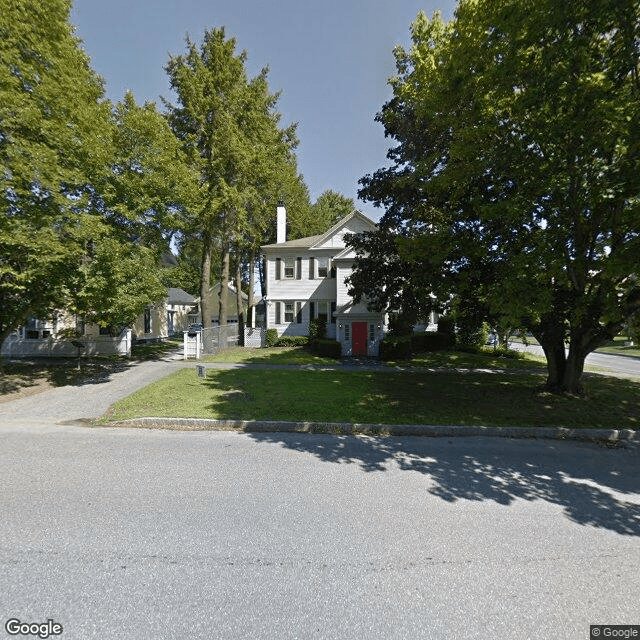
57 Winthrop Street, Augusta, ME 04330
For more information about senior living options: (866) 208-4318
57 Winthrop Street Costs & Pricing
At 57 Winthrop Street, the monthly rent for a one-bedroom apartment is set at $1,650. This rate significantly undercuts the average costs seen in Kennebec County, where similar accommodations typically go for around $3,373 per month. Furthermore, it offers notable savings compared to the broader state average of $4,572 for one-bedroom units in Maine. For those seeking affordable housing options without sacrificing quality or location, 57 Winthrop Street emerges as a compelling choice within this regional market landscape.
| Floor plans | 57 Winthrop Street | Kennebec County | Maine |
|---|---|---|---|
| 1 Bedroom | $1,650 | $3,373 | $4,572 |
Overall Review of 57 Winthrop Street
Pros
 The rest of the facility is pretty nice.
- The price was good.
- The location was good for them.
Cons
 The room is not very good.
- The room is small and has a very small shallow closet.
- The care services are not applicable to their situation.
Review
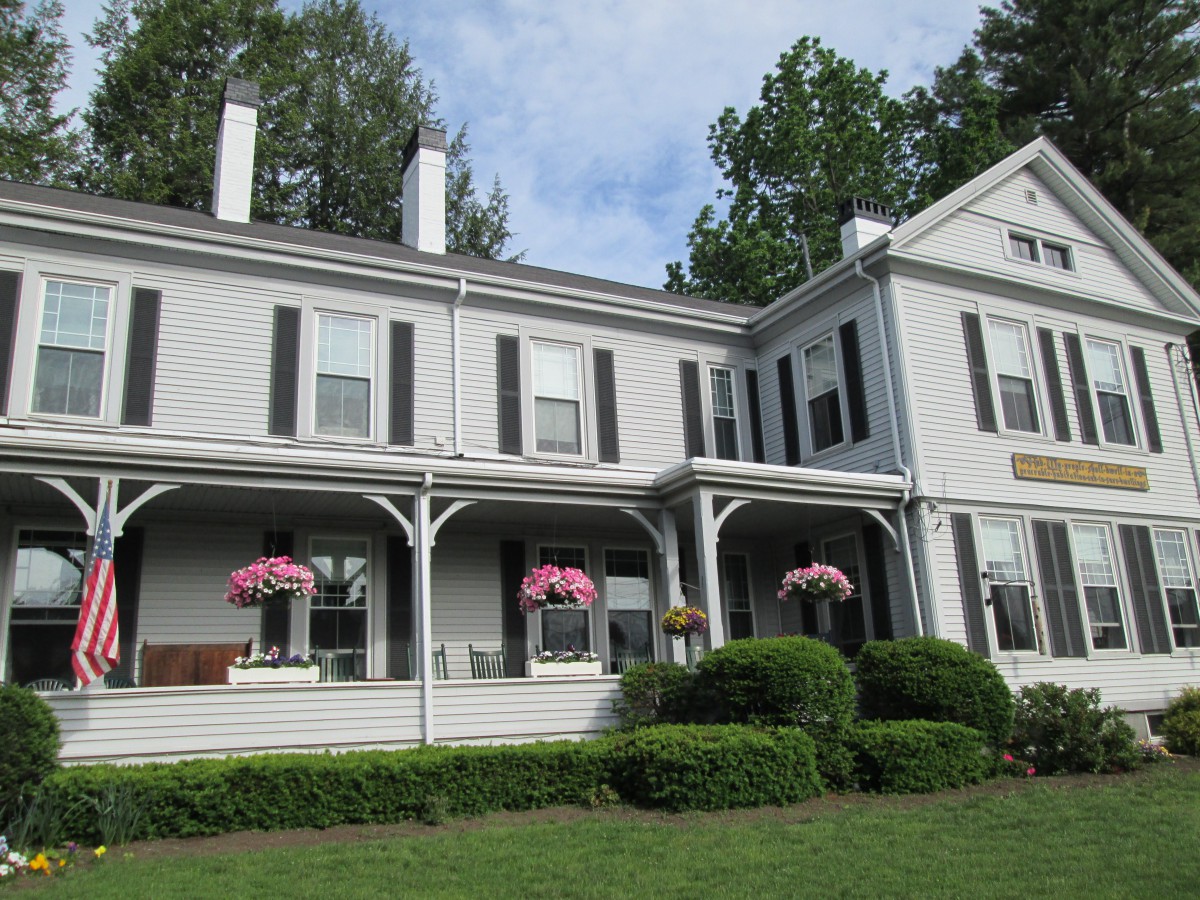
57 Winthrop Street in Augusta is best suited for seniors who prize affordability, a convenient town-center vibe, and a straightforward, uncluttered living arrangement over expansive, space-heavy layouts. The community appears geared toward independent residents who want a predictable monthly cost and ready access to downtown amenities, medical offices, and everyday services. It works for those who can tolerate a compact living space in exchange for practicality, a well-kept campus feel, and uncomplicated daily routines. In short, this is a practical option for individuals prioritizing cost control and location, with modest space expectations.
Those who should seriously consider alternatives include residents who want more than a compact footprint or anticipate needing robust ongoing assistance. If storage space is at a premium, or if a couple requires larger or separate rooms, other communities will likely be more comfortable. Families planning around a full continuum of care, memory support, skilled nursing, or regular on-site therapy, will want options that clearly spell out those services and timelines. For price-focused buyers who also want ample private space, other Augusta choices may deliver a better long-term fit.
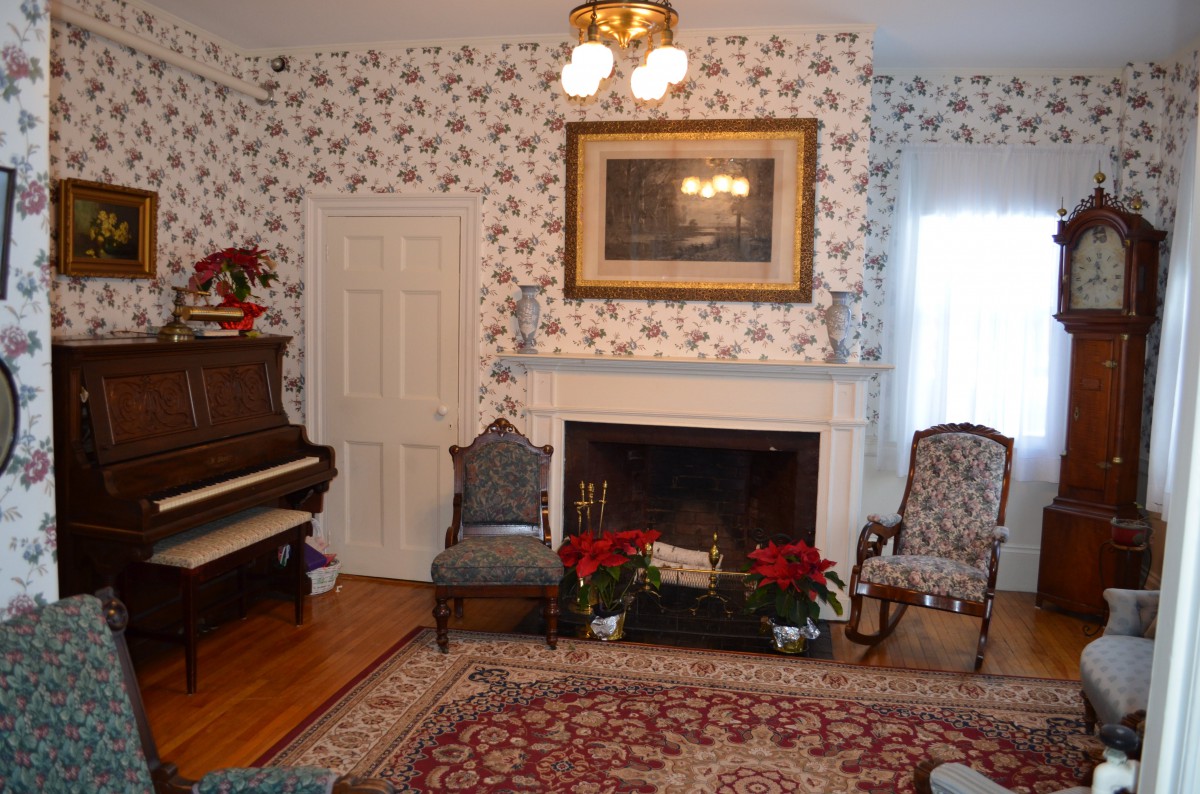
The strongest positives, affordable pricing, a favorable location, and a generally pleasant facility, do help offset the main drawbacks, but not completely. The price point reduces financial stress and makes aging in place more feasible for budgets that tighten with time. The Augusta locale enhances access to services, social opportunities, and errands, contributing to everyday convenience and independence. A well-maintained campus with decent common areas adds to the sense of safety and comfort. Yet these advantages cannot erase the impact of a cramped private living area, which remains the most significant hurdle for comfort and daily ease.
The room itself is described as small with a shallow closet, a combination that can translate into persistent storage challenges and a sense of crowding during routines like dressing and organizing clothes. While the rest of the building reportedly projects a solid, welcoming atmosphere, the private space continues to be a limiting factor for many potential residents, especially those who value personal space or who anticipate hosting visitors. Prospective occupants should push for multiple floor plans and compare configurations to ensure there is adequate storage, maneuvering room, and potential flexibility in furniture layouts.
From a practical standpoint, families evaluating this community should insist on a thorough in-person tour focused on unit sizes, closet depth, storage options, and daily noise levels. Clarify what is included in the advertised price and what might incur extra charges for meals, housekeeping, or transportation. Probe the availability and scope of care services should needs change, and verify how the facility handles transitions within its own continuum, if offered. Also compare nearby options that promise larger rooms, more generous layouts, or clearer statements about levels of care. The goal is to match a resident’s long-term plan with a setting that won’t force a disruptive move when needs evolve.
Bottom line: for families prioritizing affordability and location, 57 Winthrop Street provides a solid baseline option, especially where a compact living footprint is acceptable and ongoing care needs are unlikely. For those who value spacious private rooms or who foresee requiring a robust care continuum, the search should extend to other Augusta options. A careful side-by-side comparison will reveal whether the trade-off, lower cost and prime location versus limited private space, aligns with the resident’s long-term plan. The prudent move is to test drive a sample unit, verify the care ladder and service inclusions, and ensure expectations match the pace of aging.
 8 resident community capacity
 Assisted Living
 Independent Living
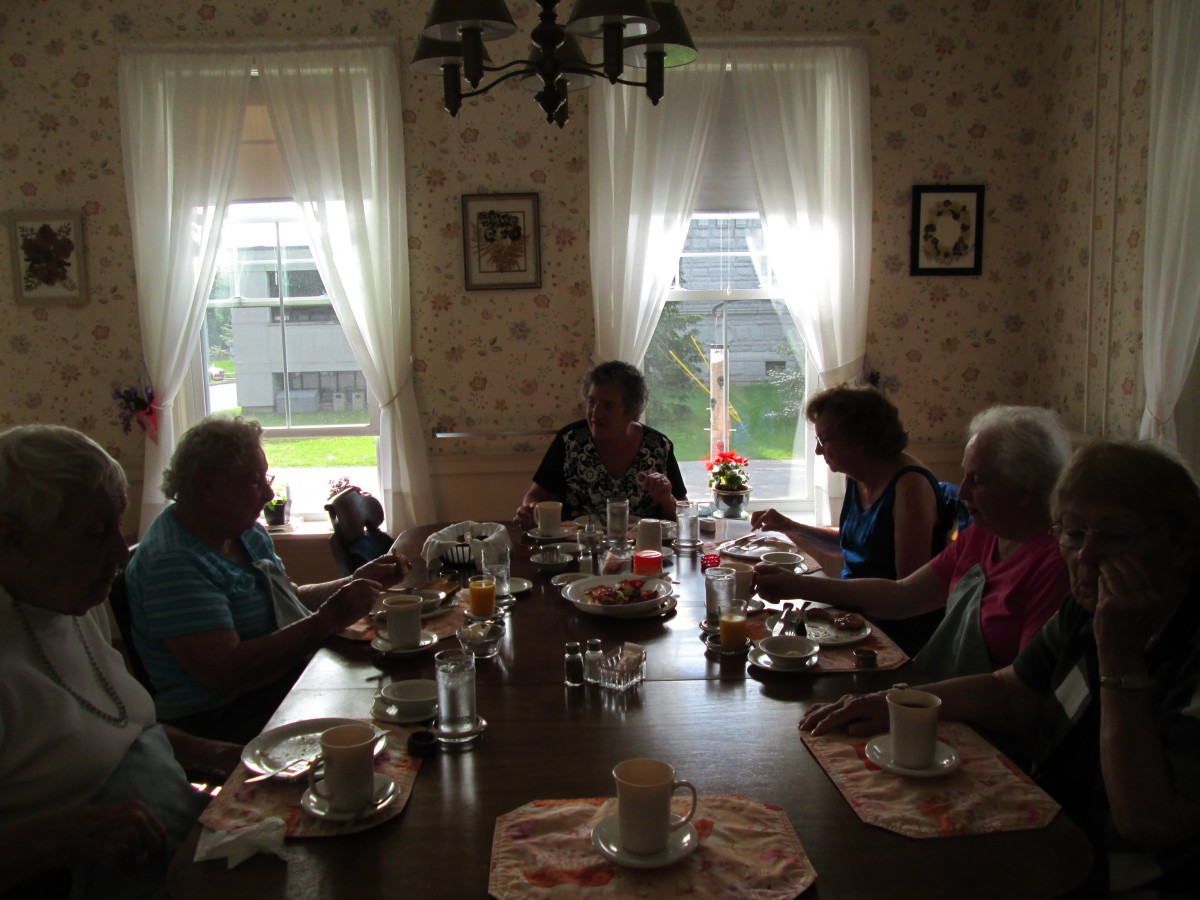
 Activities on-site
 Bath tubs
 Cable or satellite TV
 Devotional services on-site
 Dining room
 Fully furnished
 Garden
 Housekeeping services
 Indoor common areas
 Move-in coordination
 Outdoor common areas
 Respite or short term stays offered
 Telephone
 Wheelchair accessible showers
 Wi-Fi/high-speed internet available
 24-hour supervision
 Assistance with bathing
 Assistance with dressing
 Assistance with transfers
 Diabetes diet
 Meal preparation and service
 Medication management
 Special dietary restrictions
 Transportation arrangement (medical)
 Transportation to doctors appointments




 When to Transition from Assisted Living to Memory Care: Key Indicators, Steps, and Finding the Right Community
 Assisted Living and Memory Care: Understanding Their Core Differences
 Beyond the Bingo Hall: 50+ Enriching Activities for Seniors in Assisted Living