

85 Caron Ln, Auburn, ME 04210
To contact a resident: (207) 786-4616
For more information about senior living options: (866) 208-4318
Overall Review of Odd Fellows Home
Pros
 The facility has a very clean environment and an amazingly caring staff.
- The staff are amazingly caring and take very good care of residents.
- The reviewers thank the staff for the wonderful love and care given to their mom.
- The facility provides very good care for the elders.
- The staff are very nice, and the library is great to have lunch in with loved ones.
Cons
 The place is described as horrible.
- The staff are not very professional.
- The executive director is useless and incompetent.
- The executive director bans visitors who speak up about shady practices and patient neglect.
- The nursing director is unprofessional and incompetent.
- The facility is shady and understaffed.
- Dementia patients wander and patients get neglected.
- The executive director and nursing director need to be replaced with people who actually care about residents and know how to run a nursing facility.
Review
This community is best suited for families that prize a clean, homey atmosphere and consistently warm, approachable staff, and that are prepared to take an active, hands-on role in oversight. The positive notes about Odd Fellows Home emphasize a well-kept environment and kindness from caregivers, along with accessible spaces for visits and conversation, such as a library-friendly area where loved ones can share meals or spend quiet time together. For families who want daily reassurance that their relative is in a pleasant setting and is treated with kindness by the caregiving team, this facility can deliver that baseline comfort.
At the same time, there are clear reasons to consider alternatives. Leaders at the top of the chart, specifically the executive director and the nursing director, are described by multiple voices as unprofessional or ineffective, with accusations of mismanagement and even actions that impede family access to loved ones. When leadership credibility is in doubt, the likelihood of consistent accountability and responsive problem-solving diminishes. For families prioritizing rock-solid governance, transparent communication, and proactive risk management, other options with more stable, respected leadership should be on the short list.
The major pros, clean, welcoming surroundings, responsive caregivers, and a reputation for genuine kindness, do carry weight in day-to-day life and can significantly offset some inconveniences of aging-in-place. These strengths translate into a facility where residents appear to experience personal attention and a degree of warmth that many families seek. However, those advantages are tempered by substantial red flags: reports of understaffing, concerns about safety and neglect in dementia care, and explicit criticisms of top management. The bottom line is that the good daily interactions do not fully counterbalance the potential for care gaps when leadership and staffing pressures become acute.
The concerns about leadership are not mere personality clashes; they touch on the core ability to supervise care, maintain proper nursing oversight, and ensure consistent policy application. When a facility is described by multiple voices as “shady,” with claims that essential rules and oversight are not being followed, families must treat this as a substantive risk factor. The risk is particularly salient for residents with advanced or memory-related needs, where dependable staffing and clear escalation paths are essential. The food quality complaint, while perhaps less consequential than safety and staff reliability, adds to a perception that some aspects of daily life may be inconsistent, and it warrants verification during a visit.
For families evaluating options, a deliberate, concrete inquiry plan is essential. Prospective residents should request recent staffing metrics, ratios per shift, turnover rates, and the distribution of skills, alongside the most recent state or regulatory inspections and any corrective action plans. Observe a routine shift during a normal day, talk to frontline aides about their workload, and ask administration for real-world examples of problem resolution in the past year. Inquire about dementia-specific care protocols, wandering safety measures, and how behavioral issues are handled. Review the menu options and dining experiences to gauge whether nutrition meets personal preferences and medical needs, and confirm the availability of stimulating activities and social engagement opportunities for different levels of ability.
Ultimately, the decision hinges on acceptable risk versus dependable warmth and cleanliness. If a family can confidently establish a robust oversight structure, regular updates, insistence on transparent reporting, and a clear, responsive escalation process, Odd Fellows Home can be a viable home environment that offers comfort and companionship. For others, especially those who cannot or will not advocate consistently or who require unwavering, professional leadership and transparent governance, this community may not be the best long-term fit. In such cases, exploring facilities with proven leadership stability, stronger staffing protocols, and demonstrable safety records will likely yield greater peace of mind.
 Board and Care Home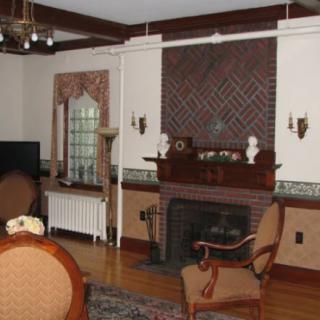




 Comprehensive Exploration of Living Wills and Other Advance Directives
 A Detailed Exploration of Living Wills and Advance Directives
 Comprehensive Guide to Medicare Coverage for Hospice Care