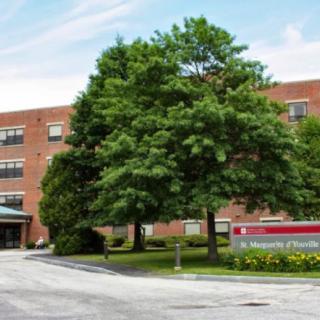
Odd Fellows & Rebekahs' Home Of Maine

Save
Odd Fellows & Rebekahs' Home Of Maine Odd Fellows & Rebekahs' Home Of Maine

Odd Fellows & Rebekahs' Home Of Maine

85 Caron Lane, Auburn, ME 04210

For more information about senior living options: (844) 490-3973

4.3 from 6 reviews
5 stars
5
4 stars
0
3 stars
0
2 stars
0
1 stars
1

Assisted Living Skilled Nursing Facility

Odd Fellows & Rebekahs' Home Of Maine Costs & Pricing

At Odd Fellows & Rebekahs' Home of Maine, the costs for accommodations reflect a compelling value compared to both Androscoggin County and the broader state averages. For semi-private rooms, the monthly fee is set at $3,000, significantly lower than the county average of $6,098 and also more affordable than the state average of $4,685. Similarly, private room options are offered at $4,000 per month, which remains competitive against Androscoggin County's average of $5,286 and aligns closely with Maine's statewide figure of $4,625. This positioning not only underscores the home's commitment to providing cost-effective care but also highlights its dedication to fostering an inviting environment for residents in need.

Floor plansOdd Fellows & Rebekahs' Home Of MaineAndroscoggin CountyMaine
Semi-Private$3,000$6,098$4,685
Private$4,000$5,286$4,625

Overall Review of Odd Fellows & Rebekahs' Home Of Maine

Pros

  • pro The environment is very clean with an amazingly caring staff.
  • pro The care for the elders is very good.
  • pro The staff are very nice, and the library is great for visiting with loved ones.
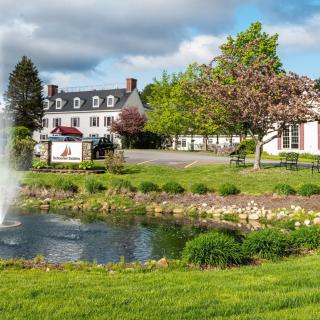
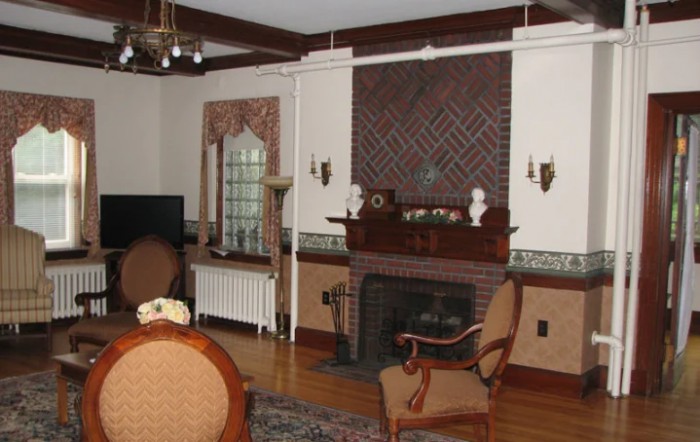
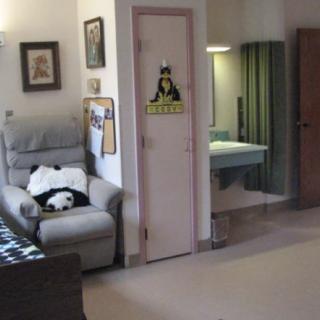
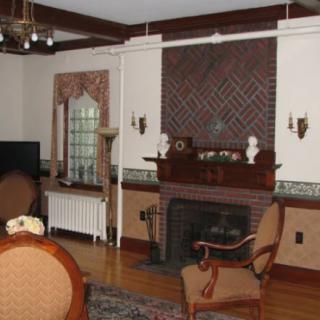
  • pro The facility has a very homey feeling, with a beautiful living room and antiques, a library, and a large covered deck.
  • pro There are lots of activities for residents.

Cons

  • pro The staff is not very professional.
  • pro The executive director is useless and incompetent.
  • pro The executive director bans visitors who speak up about shady practices and patient neglect.
  • pro The executive director is a poor excuse for a leader and a person.
  • pro The nursing director is unprofessional and incompetent.
  • pro People should not put their loved ones in this facility.
  • pro Terrible care, terrible staff, and terrible management.
  • pro The food is terrible.
  • pro The facility is shady and understaffed.
  • pro Dementia patients wander and residents get neglected.
  • pro The executive director and nursing director should be replaced with people who actually care about residents and know how to run a nursing facility.

Review

The collection of remarks about Odd Fellows Home in Auburn, Maine presents a strikingly mixed picture. On one hand, several commenters recall a warm, welcoming environment where cleanliness, thoughtful spaces, and a sense of home play prominent roles. On the other hand, there are strong, scathing critiques directed at leadership, care practices, and staffing, painting a very different reality for some residents and their families. Taken together, the reviews suggest a facility that can feel like a safe, comfortable home to some, while others experience serious frustration and concern about governance and daily care.

A number of the negative voices focus on leadership and policy as the root of the problems. One reviewer describes the Executive Director as useless and incompetent, even going so far as to claim that this leader bans a visitor after that person speaks up about shady activities and patient neglect. Another reviewer targets the Nursing Director as unprofessional and incompetent. Collectively, these comments raise questions about the facility's management and its willingness to address concerns raised by families and staff. The tone of these critiques is unequivocal: if you care about your loved one, you should think twice about placing them here, according to these accounts. There are explicit cautions about terrible care, poor staffing, and a general sense of mismanagement, with a demand that leadership be replaced by people who genuinely care about residents and know how to run a nursing facility.

Alongside these concerns, the same reviews voice sharp warnings about conditions inside. There are claims of patient neglect, wandering dementia patients, and an understaffed environment that compounds risk and worry for families. Food is described as terrible, and the overall atmosphere is characterized by a shady perception of the facility's operations. Taken together, these elements contribute to a narrative in which the care experience can feel chaotic or unsafe, and the impression left by some reviewers is that the care system within the facility is not reliable or consistently attentive.

Yet the sentiment is not uniformly negative. Several reviewers offer strong praise for the facility's positive attributes. They describe a very clean environment where staff are amazingly caring, expressing heartfelt gratitude for the love and care shown to their loved ones. Compliments emphasize not only the interpersonal warmth of caregivers but also the tangible comforts of the setting. Phrases like "very clean," "amazingly caring staff," and thanks for taking good care of my mom reflect a powerful appreciation for day-to-day kindness and attentiveness that residents receive.

Additional positive notes highlight features that contribute to a sense of home and community. Reviewers point to a very nice staff and a library that serves as a welcoming space for visits and casual meals with loved ones. The facility is described as having a homey feeling, with a beautiful living room, antiques, and a large covered deck that provides an inviting environment for residents to gather. There is mention of a nursing level of care wing designed to support residents as they age, along with ample activities for residents to participate in. The combination of d?cor, communal spaces, and ongoing programming paints a picture of a place that can feel comfortable, engaging, and supportive for those who experience it firsthand.

In balancing these perspectives, it appears that Odd Fellows Home embodies two seemingly contradictory realities within the same walls. For some families, it is a place where cleanliness, warmth, and meaningful activities create a nurturing ambiance - one that makes a real difference in daily life and health. For others, the same environment is overshadowed by concerns about leadership, visitor access controls, and alleged care gaps. The sharp differences in experience may reflect divisions between different units, shifts, or leadership changes over time, or simply the varied expectations and needs of residents and their families. Either way, the overall portrait is one of a facility capable of genuine compassion and community spirit, yet simultaneously subject to significant criticisms that demand scrutiny and ongoing improvement.

For anyone considering this facility, the reviews suggest a prudent approach: visit in person, observe interactions between staff and residents across multiple days and times, and speak directly with residents, families, and front-line caregivers. It may also be wise to review recent state inspections and any corrective actions, ask specific questions about visitor policies, staffing levels, and how concerns are handled, and assess whether the environment and leadership align with your loved one's needs and your own expectations for care. The mixed feedback underscores the importance of a thorough, firsthand assessment to determine whether Odd Fellows Home is the right fit for a particular resident at a particular time.

Features

Housing

  • 37 resident community capacity 37 resident community capacity

Types of Care

  • Assisted Living Assisted LivingAssisted living facilities provide crucial support and care for seniors who may need help with daily tasks such as medication management, bathing, and meal preparation. These communities offer a safe and comfortable environment where seniors can maintain their independence while receiving the assistance they need to thrive in their golden years.
  • Skilled Nursing Facility Skilled Nursing FacilitySkilled Nursing Facilities are crucial for seniors as they provide round-the-clock medical care, rehabilitation services, and assistance with daily activities. These facilities ensure that seniors receive the specialized care they need to maintain their health and well-being as they age.

Amenities

  • Beauty salon Beauty salonBeauty salons are important for seniors because they provide a space for them to feel pampered, socialize, and maintain their personal grooming and hygiene. Regular visits to a beauty salon can help boost seniors' self-esteem and overall well-being.
  • Cable or satellite TV Cable or satellite TVCable or satellite TV is important for seniors because it provides entertainment, news, and companionship, helping to combat loneliness and boredom. It also offers a wide range of programming options tailored to different interests and preferences.
  • Dining room Dining roomDining rooms are important for seniors as they provide a space for socialization, connection, and nutritious meals. They offer opportunities for residents to bond over shared meals, foster a sense of community, and promote healthy eating habits. Dining rooms also ensure that seniors have access to well-balanced meals tailored to their dietary needs and preferences.
  • Fully furnished Fully furnishedFully furnished senior living communities are important for seniors because they provide convenience, comfort, and a hassle-free moving experience. Seniors can easily settle into their new living space without the stress of having to buy and move furniture. This allows them to focus on enjoying their new home and community.
  • Garden GardenGardens are important for seniors as they provide a peaceful and therapeutic environment for relaxation, physical activity, and socialization. Being in nature has been shown to reduce stress, improve mood, and promote overall well-being. Gardens also offer opportunities for seniors to engage in gardening activities, which can improve mobility, flexibility, and cognitive function. Additionally, gardens create a sense of community and connection with others who share a passion for plants and outdoor spaces.
  • Housekeeping services Housekeeping servicesHousekeeping services are important for seniors because they help maintain a clean and safe living environment, promote independence, and reduce the risk of accidents or illnesses. Additionally, having assistance with household chores can alleviate physical strain and allow seniors to focus on other aspects of their well-being.
  • Kitchenette KitchenetteKitchenettes are important for seniors living in senior living communities because they provide the convenience and independence of being able to prepare simple meals and snacks in the comfort of their own living space. This can help promote a sense of autonomy and well-being for seniors, allowing them to maintain some level of control over their dietary choices and daily routines.
  • Move-in coordination Move-in coordinationMove-in coordination is important for seniors because it helps ease the transition into their new living environment. It ensures that all logistics, such as packing, organizing movers, and setting up utilities are taken care of, allowing seniors to focus on settling in and adjusting to their new home. Having a smooth move-in process can alleviate stress and anxiety, making the transition smoother and more enjoyable for seniors.
  • Outdoor space Outdoor spaceOutdoor spaces are important for seniors as they provide opportunities for physical activity, social interaction, exposure to natural light and fresh air, and a sense of connection to nature. Having access to outdoor spaces can improve overall well-being and quality of life for older adults living in senior communities.
  • Telephone TelephoneTelephones are important for seniors as they provide a lifeline for communication with loved ones, emergency services, and healthcare providers. They offer a sense of security and independence, enabling seniors to stay connected and access assistance when needed.
  • Wi-Fi/high-speed internet available Wi-Fi/high-speed internet availableWi-Fi/high-speed internet is important for seniors to stay connected with loved ones, access online resources, and participate in virtual activities to combat feelings of loneliness and isolation. It also allows them to easily manage healthcare needs, access entertainment, and engage in lifelong learning opportunities.

Care Services

  • 24-hour call system 24-hour call system24-hour call systems are important for seniors because they provide peace of mind and immediate assistance in case of emergencies. This technology ensures that help is always available, promoting safety and security for elderly individuals living alone or in assisted living facilities.
  • 24-hour supervision 24-hour supervision24-hour supervision is important for seniors to ensure their safety, well-being, and access to immediate assistance in case of emergencies or health issues. This constant support provides peace of mind for both seniors and their loved ones, allowing them to age in place with dignity and security.
  • Activities of daily living assistance Activities of daily living assistanceActivities of daily living assistance are important for seniors because they provide essential support with tasks such as eating, bathing, dressing, and mobility. This assistance helps seniors maintain their independence, dignity, and overall quality of life as they age.
  • Assistance with bathing Assistance with bathingAssistance with bathing is crucial for seniors as it helps maintain personal hygiene, prevents infections, and ensures their overall well-being and comfort. It also provides a sense of dignity and independence for seniors who may struggle with this task on their own.
  • Assistance with dressing Assistance with dressingAssistance with dressing is important for seniors because it helps maintain their independence, promotes personal hygiene, prevents accidents and injuries, and improves overall quality of life. This service ensures that seniors can continue to dress comfortably and confidently, despite any physical limitations they may have.
  • Assistance with transfers Assistance with transfersAssistance with transfers is crucial for seniors as it helps prevent falls and injuries, maintains their independence, and ensures they can safely navigate their living environment. It also provides peace of mind for both seniors and their loved ones.
  • Coordination with health care providers Coordination with health care providersCoordination with health care providers is crucial for seniors to ensure proper medical care, medication management, and overall well-being. This collaboration helps prevent overlapping treatments, track progress more effectively, and provide comprehensive support tailored to individual needs.
  • Diabetes diet Diabetes dietA diabetes diet is crucial for seniors as it helps manage blood sugar levels, reduce risks of complications, and improve overall health and well-being. By following a balanced and nutritious diet tailored to their specific needs, seniors can better control their diabetes and enhance their quality of life.
  • Meal preparation and service Meal preparation and serviceMeal preparation and service are crucial for seniors as they may have limited mobility or energy to cook nutritious meals. Having access to healthy and convenient food options can ensure they are getting the proper nutrition needed to maintain their overall health and well-being.
  • Medication management Medication managementMedication management is crucial for seniors to ensure they are taking the right medications at the correct dosages and times. This helps prevent adverse drug interactions, reduces the risk of medication errors, and promotes overall health and well-being. Proactive management also allows for adjustments as needed based on changing health conditions or new prescriptions.
  • Mental wellness program Mental wellness programMental wellness programs are essential for seniors as they promote cognitive stimulation, emotional support, and social engagement. These programs help prevent isolation, depression, and cognitive decline, ultimately enhancing the overall quality of life for older adults.
  • Special dietary restrictions Special dietary restrictionsSpecial dietary restrictions are important for seniors because age-related changes in metabolism and health conditions can make it difficult for their bodies to process certain foods. By following a diet tailored to their specific needs, seniors can maintain their overall health and well-being, manage chronic conditions, and reduce the risk of complications such as malnutrition or food interactions with medications.
  • Transportation arrangement (medical) Transportation arrangement (medical)Transportation arrangements for medical purposes are essential for seniors as they may have difficulty driving themselves to appointments or accessing public transportation. Having reliable and safe transportation options ensures that seniors can receive timely medical care and maintain their health and well-being.
  • Transportation to doctors appointments Transportation to doctors appointmentsTransportation to doctors' appointments is crucial for seniors as it ensures they have access to necessary medical care and support for their health needs. Without reliable transportation, seniors may struggle to attend important appointments, leading to potential delays in treatment and health complications. Providing transportation services helps seniors maintain their overall well-being and quality of life.
Dining

  • Diabetes diet Diabetes dietA diabetes diet is crucial for seniors as it helps manage blood sugar levels, reduce risks of complications, and improve overall health and well-being. By following a balanced and nutritious diet tailored to their specific needs, seniors can better control their diabetes and enhance their quality of life.
  • Special dietary restrictions Special dietary restrictionsSpecial dietary restrictions are important for seniors because age-related changes in metabolism and health conditions can make it difficult for their bodies to process certain foods. By following a diet tailored to their specific needs, seniors can maintain their overall health and well-being, manage chronic conditions, and reduce the risk of complications such as malnutrition or food interactions with medications.

Activities

  • Community-sponsored activities Community-sponsored activitiesCommunity-sponsored activities are important for seniors as they provide opportunities for social interaction, mental stimulation, and physical activity. These activities can help improve overall well-being, combat loneliness and isolation, and promote a sense of belonging and purpose among older adults.
  • Scheduled daily activities Scheduled daily activitiesScheduled daily activities are important for seniors because they provide structure, socialization, mental stimulation, and physical activity. Engaging in regular activities can improve overall well-being and quality of life for seniors living in a community setting.

Description

Welcome to the Odd Fellows & Rebekahs' Home Of Maine, a premier skilled nursing facility located in Auburn, ME. This compassionate community is dedicated to providing exceptional care and comfort for its residents, ensuring a nurturing environment that promotes both independence and support.

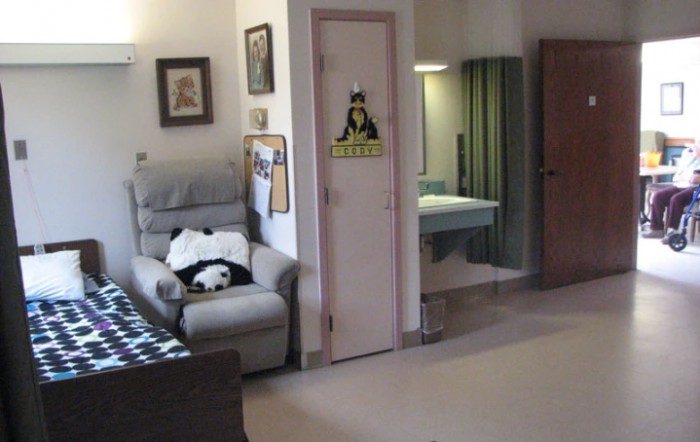
At Odd Fellows & Rebekahs' Home Of Maine, residents enjoy a variety of amenities designed to enhance their quality of life. Each living space is fully furnished and equipped with cable or satellite TV, a kitchenette, and Wi-Fi/high-speed internet access. The facility boasts beautifully landscaped outdoor spaces and serene gardens where residents can relax and socialize. Housekeeping services keep the environment tidy, allowing residents to focus on their well-being.

Our dedicated team provides comprehensive care services around the clock. With 24-hour supervision, we offer assistance with daily activities such as bathing, dressing, transfers, and medication management. Our specialized programs cater to various health needs including tailored diabetes diets and coordination with healthcare providers for ongoing medical support.

Residents can partake in a vibrant community life filled with scheduled daily activities that promote mental wellness and social engagement. Dining options accommodate special dietary restrictions to ensure every meal is both delicious and health-conscious.

Conveniently located near local amenities, residents have easy access to nearby parks for leisurely walks, cafes for social outings, pharmacies for essential medications, and numerous healthcare providers within close proximity. With transportation arrangements available for medical appointments or community outings, our goal is to facilitate an active lifestyle while ensuring safety and care are always prioritized.

At Odd Fellows & Rebekahs' Home Of Maine, we create a warm home-like atmosphere where every resident feels valued and supported on their personal journey towards better health and happiness.

Nearby Places of Interest

Restaurants

  • Roy's Allsteak Hamburgers (0.6 miles)
  • Heathco's (1.1 miles)
  • Denny's (1.2 miles)
  • Domino's Pizza (1.2 miles)
  • DaVinci's Eatery (1.3 miles)
  • Baxter Brewing Company (1.3 miles)
  • Garden Grille & Bar (1.3 miles)

Physicians

  • Central Maine Orthopaedics PA (0.9 miles)
  • Court Street Family Practice (0.9 miles)
  • Minot Avenue Family Medicine (1.1 miles)
  • Central Maine Neurology (1.1 miles)
  • Bates Mill Dermatology (1.3 miles)
  • St Marys Center For Orthopaedic Care (1.3 miles)
  • Maine Cardiology Associates (1.6 miles)

Pharmacies

  • Walgreens (0.9 miles)
  • Walgreens (1.3 miles)
  • CVS Pharmacy (1.8 miles)
  • Bedard Long Term Care (1.8 miles)
  • Bedard Pharmacy (1.8 miles)
  • CMMC Pharmacy (1.9 miles)
  • Medicine Shoppe (2.4 miles)

Places of Worship

  • High Street Congregational Church (1.1 miles)
  • Basilica of Saints Peter and Paul (1.7 miles)
  • Prince Of Peace Church (2.2 miles)
  • East Auburn Baptist Church (2.3 miles)
  • Lewiston-Auburn Jewish Comm (2.7 miles)
  • Calvary United Methodist Church Parsonage (2.8 miles)

Parks

  • Simard-Payne Park (1.2 miles)
  • Veteran s Park (1.4 miles)

Theaters

  • Flagship Cinema (1.5 miles)

Hospitals

  • Bridgton Hospital (1.7 miles)
  • Central Maine Heart and Vascular Institute (1.8 miles)
  • Central Maine Medical Center (1.9 miles)
  • The Patrick Dempsey Center For Cancer Hope And Healing (1.9 miles)
  • New England Neurosurgery (2.3 miles)
  • St Mary's Regional Medical Center (2.4 miles)

Transportation

  • Yarmouth taxi Express 24/7 Airport (1.8 miles)
  • City Cab (2.1 miles)

Cafes

  • Starbucks (2.7 miles)
  • Panera Bread (2.7 miles)

Frequently Asked Questions

How much does it cost to live at Odd Fellows & Rebekahs' Home Of Maine in Auburn, ME?
Where is Odd Fellows & Rebekahs' Home Of Maine?

Nearby Communities

Related Resources

  • active senior livingVibrant Senior Living: A Comprehensive Guide for Active Older Adults

    Vibrant Senior Living emphasizes active senior living communities that promote independence and engagement through diverse amenities and activities, fostering wellness and social interaction among older adults. These communities range from independent to assisted living, with a focus on personal growth, family involvement, financial planning, and leveraging technology to enhance residents' experiences.

  • when to move from assisted living to memory careWhen to Transition from Assisted Living to Memory Care: Key Indicators, Steps, and Finding the Right Community

    Transitioning from assisted living to memory care is driven by an individual's cognitive decline and specific needs, requiring careful evaluation of indicators like increased confusion and wandering. The process involves consulting medical professionals, researching suitable communities, considering financial and legal aspects, and ensuring effective communication for personalized care plans.

  • assisted living vs memory careAssisted Living and Memory Care: Understanding Their Core Differences
    Assisted living provides moderate support for seniors seeking independence, while memory care offers specialized support for individuals with dementia or cognitive impairments through structured routines and trained staff. Key differences include care approaches, environment security measures, staff training levels, activity types, and cost considerations.