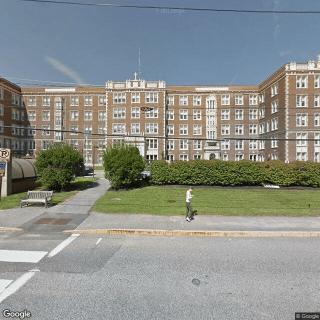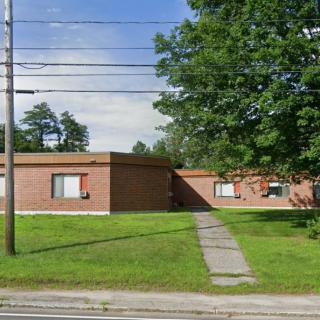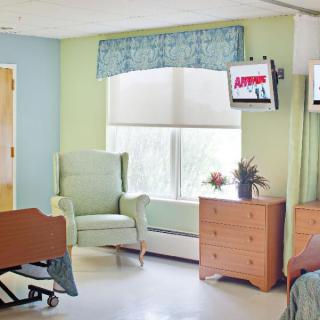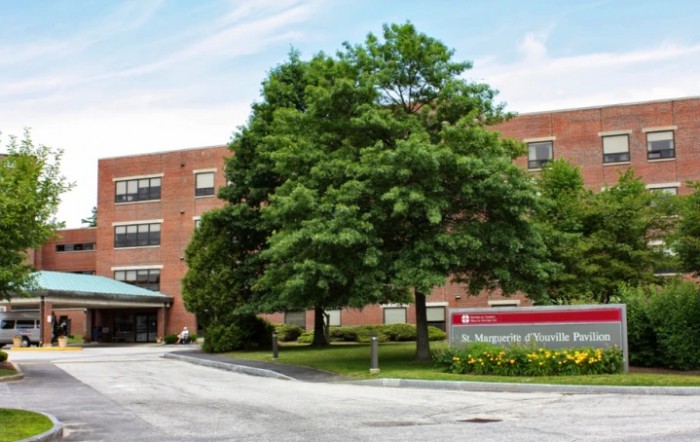

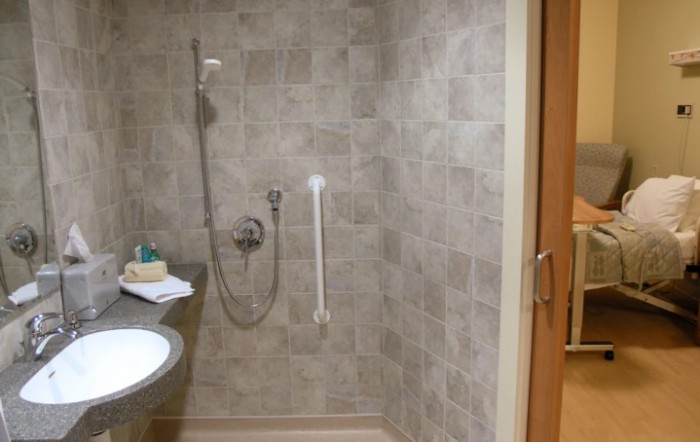
St Mary's D'Youville Pavilion in Lewiston, ME

Save

St Mary's D'Youville Pavilion in Lewiston, ME

Information last verified:

102 Campus Avenue, Lewiston, ME 04240

For more information about senior living options: (844) 490-3973

2.9 from 25 reviews
5 stars
9
4 stars
1
3 stars
2
2 stars
4
1 stars
9

Overall Review of St Mary's D'Youville Pavilion

Pros

  • pro The staff are very friendly.
  • pro The facility has been wonderful for residents, with fantastic staff.
  • pro The facility is wonderful all around, with outstanding, caring, and professional staff.
  • pro The care is excellent, and the entire family is happy with the placement.
  • pro The staff provide residents with individual attention and respect, and they respond to family input.
  • pro The doctor on the unit calls families to provide updates.
  • pro The CNAs are loving and the nurses and doctors are friendly.

Cons

  • pro The staff are untrained, and many nurses are traveling nurses who lack affinity for the patients.
  • pro Taylor, the social worker/admin, is not helpful.
  • pro Nurses left the patient’s mother on the toilet and disappeared, leaving her alone with a broken arm and knee after a fall.
  • pro The facility is dangerous; the mother fell and broke her hip on their watch.
  • pro They overmedicated the patient, and doctors wouldn’t call back for three weeks to discuss dosage.
  • pro The patient was not bathed for 1.5 weeks despite repeated requests.
  • pro The patient was left in a spoiled diaper for hours.
  • pro The facility lost the patient’s clothing, dentures, and hearing aids while the patient was heavily sedated, and staff did not care.
  • pro The call light stayed on for over an hour before a nurse helped.
  • pro There was no care on weekends.
  • pro The facility embodies neglect, unprofessionalism, and lack of organization.
  • pro Management and staff lack compassion and support; patients are neglected, protocols are not followed, and people are afraid to speak up about their needs.

Review

St Mary’s D’Youville Pavilion in Lewiston, ME is best suited for families that can commit to vigilant advocacy and ongoing oversight, and for residents whose needs are relatively stable and manageable within a small, tightly knit unit. The facility operates with a noticeably intimate feel, an environment where on-paper care can translate to meaningful human attention when staff are present. For families who can stay engaged, attend shifts, and push for timely responses, the placement may deliver moments of genuine compassion and personal connection. It is not a hands-off option for anyone hoping for effortless, 24/7 oversight; the realities of staffing and workflow mean that advocacy and persistence are often necessary to secure consistent care.

What works here, in practice, tends to hinge on individual staff members and the unit’s small scale. Several reviews praise certain nurses, aides, and the hospice team for their kindness, professionalism, and focused attention. In some cases families report doctors who are responsive and communicative, with updates provided directly to relatives. The unit’s smaller footprint, about 30 residents on a wing, can foster quicker, more personalized interactions when staffing levels hold. Hospice care, when engaged, is described as exceptional, offering a measure of relief during end-of-life moments that families find deeply meaningful. These elements point to a core strength: when the right people are on duty, the care experience can be compassionate and patient-centered.

Yet the strongest reality across many accounts is risk, risk of neglect, mismanagement, and unsafe conditions that undermine trust in the facility’s ability to protect residents. Reviews repeatedly describe untrained or inconsistent staffing, frequent lapses in basic hygiene, and prolonged times to respond to call lights. There are stark, specific episodes: residents left on toilets, skipped baths for extended periods, and clothes or dentures misplaced while patients remain sedated or incapacitated. Instances of weekend gaps in care, insufficient monitoring, and a general sense of disorganization recur, underscoring a pattern rather than isolated incidents. The most alarming narratives involve severe harm: a stage-4 pressure ulcer developed while a patient was wheelchair-bound, with accusations of neglect and poor pain management; a private investigator’s involvement and assertions of elder abuse add a layer of gravity that cannot be ignored. Taken together, these experiences reveal that safety and quality of care are not consistently reliable.

Those gaps do not disappear behind occasional praise. The pros, tender, compassionate moments from some staff, the presence of dedicated aides, and the comfort of a small, home-like unit, are real, but they are unevenly available. The upshot is that the positive touches are insufficient to offset the fundamental risks many residents face here: inconsistent staffing, delayed responses, and serious hygiene and medical oversight failures. For families evaluating this community, the crucial calculus is whether the reliable, daily benevolence that does arise is enough to counterbalance the documented possibilities of neglect and harm. The answer will depend on the resident’s vulnerability profile: for some, the care gaps would be intolerable; for others, strong family participation and careful monitoring could tilt the balance toward a workable fit, provided expectations, triggers, and escalation paths are clearly defined upfront.

For families considering alternatives, the takeaway is clear: seek facilities with demonstrable staffing stability, rigorous oversight, and proactive medical management. Those with high-risk needs, complex wounds, high fall risk, polypharmacy, or extensive mobility limitations, should compare options that show a track record of consistent care, regular rounds by clinicians, and transparent communication with families. If choosing St Mary’s, plan to verify staffing ratios across shifts, request recent incident logs, and speak directly with front-line staff about their training and accountability structures. Conduct multiple visits at different times, including weekends, to assess responsiveness and culture. And prepare to engage a dedicated advocate, whether a trusted family member or a professional, to monitor care, ensure dignity, and intervene when care standards slip.

In practical terms, a decision to pursue St Mary’s should come with a clear decision framework: confirm the level of medical oversight available on the unit, benchmark hygiene and dressing routines against state guidelines, and establish a concrete plan for rapid escalation if concerns arise. Families should demand visibility into staffing schedules, incident reports, and the facility’s process for handling grievances. If those assurances cannot be documented and consistently demonstrated, the prudent course is to look elsewhere. The reality is that robust, lifelong care is built on steady, reliable staffing, consistent medical attention, and a culture that prioritizes residents’ safety above all else. St Mary’s may work for some, but only for those prepared to champion the care journey every day.

Features

Housing

  • 210 resident community capacity 210 resident community capacity

Types of Care

  • Assisted Living Assisted LivingAssisted living facilities provide crucial support and care for seniors who may need help with daily tasks such as medication management, bathing, and meal preparation. These communities offer a safe and comfortable environment where seniors can maintain their independence while receiving the assistance they need to thrive in their golden years.
  • Skilled Nursing Facility Skilled Nursing FacilitySkilled Nursing Facilities are crucial for seniors as they provide round-the-clock medical care, rehabilitation services, and assistance with daily activities. These facilities ensure that seniors receive the specialized care they need to maintain their health and well-being as they age.

Amenities

  • Activities on-site Activities on-siteActivities on-site are important for seniors because they provide opportunities for socialization, mental stimulation, physical activity, and overall well-being. Engaging in activities can help seniors stay active, maintain their independence, and improve their quality of life.
  • Air-conditioning Air-conditioningAir conditioning is important for seniors as they are more vulnerable to heat-related illnesses and may have underlying health conditions that make it difficult for them to regulate their body temperature. It helps to keep them comfortable, safe, and healthy in hot weather.
  • Beauty salon Beauty salonBeauty salons are important for seniors because they provide a space for them to feel pampered, socialize, and maintain their personal grooming and hygiene. Regular visits to a beauty salon can help boost seniors' self-esteem and overall well-being.
  • Cable or satellite TV Cable or satellite TVCable or satellite TV is important for seniors because it provides entertainment, news, and companionship, helping to combat loneliness and boredom. It also offers a wide range of programming options tailored to different interests and preferences.
  • Computer center Computer centerA computer center is essential for seniors as it provides access to technology, communication tools, and resources that can enhance their daily lives. It allows them to stay connected with loved ones, engage in online activities, and learn new skills, ultimately promoting socialization and mental stimulation.
  • Devotional services off-site Devotional services off-siteDevotional services off-site are important for seniors as they provide spiritual nourishment, social engagement, and a sense of community outside of the senior living facility. This can enhance overall well-being and help combat feelings of isolation and loneliness often experienced by older adults.
  • Dining room Dining roomDining rooms are important for seniors as they provide a space for socialization, connection, and nutritious meals. They offer opportunities for residents to bond over shared meals, foster a sense of community, and promote healthy eating habits. Dining rooms also ensure that seniors have access to well-balanced meals tailored to their dietary needs and preferences.
  • Fitness room Fitness roomHaving a fitness room in a senior living community is essential for seniors to stay active, maintain their physical health, and improve their overall well-being. Regular exercise can help prevent falls, reduce the risk of chronic diseases, and promote mental sharpness. It also provides social opportunities for residents to connect with others and enjoy a sense of community.
  • Fully furnished Fully furnishedFully furnished senior living communities are important for seniors because they provide convenience, comfort, and a hassle-free moving experience. Seniors can easily settle into their new living space without the stress of having to buy and move furniture. This allows them to focus on enjoying their new home and community.
  • Gaming room Gaming roomGaming rooms are important for seniors as they provide a fun and engaging environment for socializing, cognitive stimulation, and physical activity. Games can improve memory, problem-solving skills, and overall mental well-being while fostering friendships and reducing feelings of isolation.
  • Garden GardenGardens are important for seniors as they provide a peaceful and therapeutic environment for relaxation, physical activity, and socialization. Being in nature has been shown to reduce stress, improve mood, and promote overall well-being. Gardens also offer opportunities for seniors to engage in gardening activities, which can improve mobility, flexibility, and cognitive function. Additionally, gardens create a sense of community and connection with others who share a passion for plants and outdoor spaces.
  • Housekeeping services Housekeeping servicesHousekeeping services are important for seniors because they help maintain a clean and safe living environment, promote independence, and reduce the risk of accidents or illnesses. Additionally, having assistance with household chores can alleviate physical strain and allow seniors to focus on other aspects of their well-being.
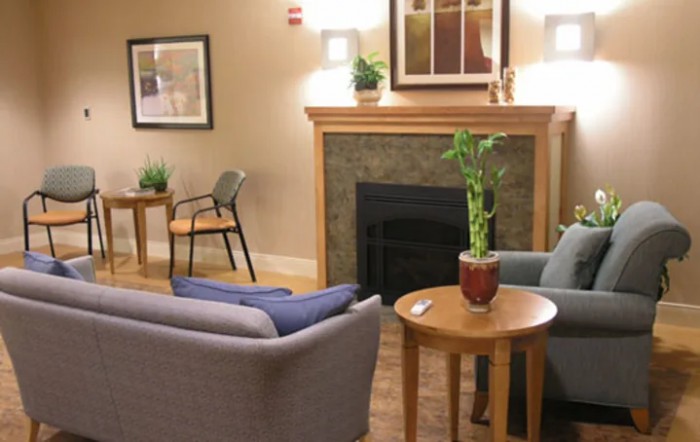
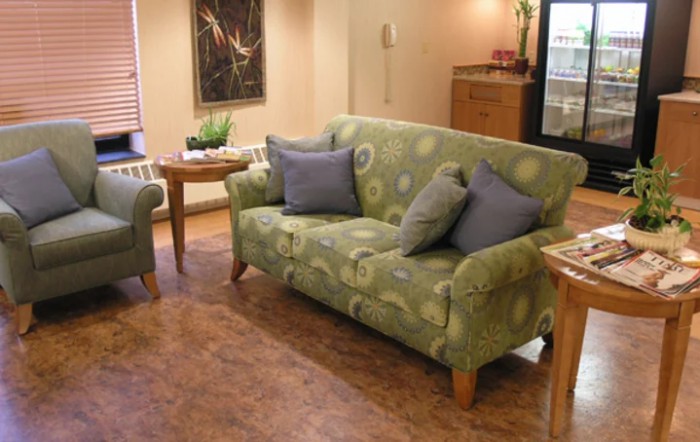
  • Indoor common areas Indoor common areasIndoor common areas are crucial for seniors as they provide a space for socialization, recreation, and community engagement, promoting overall well-being and reducing feelings of isolation and loneliness.
  • Kitchenette KitchenetteKitchenettes are important for seniors living in senior living communities because they provide the convenience and independence of being able to prepare simple meals and snacks in the comfort of their own living space. This can help promote a sense of autonomy and well-being for seniors, allowing them to maintain some level of control over their dietary choices and daily routines.
  • Move-in coordination Move-in coordinationMove-in coordination is important for seniors because it helps ease the transition into their new living environment. It ensures that all logistics, such as packing, organizing movers, and setting up utilities are taken care of, allowing seniors to focus on settling in and adjusting to their new home. Having a smooth move-in process can alleviate stress and anxiety, making the transition smoother and more enjoyable for seniors.
  • Outdoor space Outdoor spaceOutdoor spaces are important for seniors as they provide opportunities for physical activity, social interaction, exposure to natural light and fresh air, and a sense of connection to nature. Having access to outdoor spaces can improve overall well-being and quality of life for older adults living in senior communities.
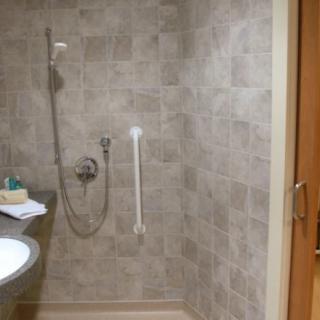
  • Private bathrooms Private bathroomsPrivate bathrooms are important for seniors in senior living communities because they provide independence, dignity, and comfort. Having a private bathroom allows seniors to maintain their personal hygiene routines without the need for assistance, promoting a sense of autonomy and privacy. Additionally, private bathrooms help prevent the spread of infections and provide a safe and clean environment for seniors to navigate safely.
  • Restaurant-style dining Restaurant-style diningRestaurant-style dining is important for seniors because it allows them to enjoy delicious, nutritious meals in a social and upscale setting. This enhances their dining experience, promotes healthy eating habits, and fosters socialization with fellow residents, ultimately contributing to their overall well-being and quality of life.
  • Small library Small librarySmall libraries are important for seniors as they provide access to a variety of reading materials, including books, newspapers, and magazines. This can help stimulate their minds, keep them engaged, and provide a sense of community through book clubs and other social activities. Additionally, reading has been shown to improve cognitive function and overall mental well-being in older adults.
  • Telephone TelephoneTelephones are important for seniors as they provide a lifeline for communication with loved ones, emergency services, and healthcare providers. They offer a sense of security and independence, enabling seniors to stay connected and access assistance when needed.
  • Wellness center Wellness centerWellness centers are important for seniors because they offer a variety of programs and services that promote physical, mental, and emotional well-being. These centers provide opportunities for exercise, socialization, education, and relaxation, helping seniors maintain their overall health and quality of life.
  • Wi-Fi/high-speed internet available Wi-Fi/high-speed internet availableWi-Fi/high-speed internet is important for seniors to stay connected with loved ones, access online resources, and participate in virtual activities to combat feelings of loneliness and isolation. It also allows them to easily manage healthcare needs, access entertainment, and engage in lifelong learning opportunities.

Transportation

  • Community operated transportation Community operated transportationCommunity operated transportation is crucial for seniors as it provides them with the means to access essential services, social activities, and medical appointments. It allows seniors to maintain their independence and quality of life by ensuring they can participate in activities outside of their homes. Additionally, community-operated transportation services offer a safe and reliable way for seniors to travel without having to rely on family or friends for assistance.
  • Transportation arrangement Transportation arrangementTransportation arrangements are crucial for seniors as they may face challenges with driving, mobility, or access to public transportation. Having reliable transportation services ensures that seniors can easily attend appointments, social activities, and maintain their independence and quality of life.
  • Transportation arrangement (non-medical) Transportation arrangement (non-medical)Transportation arrangements are essential for seniors as they provide access to essential services, activities, and social interactions outside the home. This service helps maintain independence, mobility, and overall well-being for seniors who may have limited transportation options.
  • Transportation to doctors appointments Transportation to doctors appointmentsTransportation to doctors appointments is crucial for seniors as it ensures they have access to necessary medical care and support, promoting their health and well-being. It allows them to receive timely treatment, monitor existing conditions, and address any new health concerns efficiently. Additionally, transportation services can help seniors maintain their independence and quality of life by enabling them to stay connected with their healthcare providers.

Care Services

  • 12-16 hour nursing 12-16 hour nursing12-16 hour nursing care is crucial for seniors in order to ensure around-the-clock monitoring, timely medication administration, and prompt response to any health concerns or emergencies. This level of care helps to promote the overall well-being and safety of seniors living in senior living communities.
  • 24-hour call system 24-hour call system24-hour call systems are important for seniors because they provide peace of mind and immediate assistance in case of emergencies. This technology ensures that help is always available, promoting safety and security for elderly individuals living alone or in assisted living facilities.
  • 24-hour supervision 24-hour supervision24-hour supervision is important for seniors to ensure their safety, well-being, and access to immediate assistance in case of emergencies or health issues. This constant support provides peace of mind for both seniors and their loved ones, allowing them to age in place with dignity and security.
  • Activities of daily living assistance Activities of daily living assistanceActivities of daily living assistance are important for seniors because they provide essential support with tasks such as eating, bathing, dressing, and mobility. This assistance helps seniors maintain their independence, dignity, and overall quality of life as they age.
  • Ambulatory care Ambulatory care"Ambulatory care services provide essential medical support and treatment to seniors without requiring hospitalization, allowing them to maintain their independence and quality of life while managing chronic conditions or receiving routine medical care."
  • Assistance with bathing Assistance with bathingAssistance with bathing is crucial for seniors as it helps maintain personal hygiene, prevents infections, and ensures their overall well-being and comfort. It also provides a sense of dignity and independence for seniors who may struggle with this task on their own.
  • Assistance with dressing Assistance with dressingAssistance with dressing is important for seniors because it helps maintain their independence, promotes personal hygiene, prevents accidents and injuries, and improves overall quality of life. This service ensures that seniors can continue to dress comfortably and confidently, despite any physical limitations they may have.
  • Assistance with transfers Assistance with transfersAssistance with transfers is crucial for seniors as it helps prevent falls and injuries, maintains their independence, and ensures they can safely navigate their living environment. It also provides peace of mind for both seniors and their loved ones.
  • Diabetes diet Diabetes dietA diabetes diet is crucial for seniors as it helps manage blood sugar levels, reduce risks of complications, and improve overall health and well-being. By following a balanced and nutritious diet tailored to their specific needs, seniors can better control their diabetes and enhance their quality of life.
  • Diabetic care Diabetic careDiabetic care is crucial for seniors as they are more susceptible to developing diabetes due to aging and other health conditions. Proper management of diabetes can help prevent complications such as heart disease, vision loss, and nerve damage, improving the overall quality of life for seniors in senior living communities.
  • Meal preparation and service Meal preparation and serviceMeal preparation and service are crucial for seniors as they may have limited mobility or energy to cook nutritious meals. Having access to healthy and convenient food options can ensure they are getting the proper nutrition needed to maintain their overall health and well-being.
  • Medication management Medication managementMedication management is crucial for seniors to ensure they are taking the right medications at the correct dosages and times. This helps prevent adverse drug interactions, reduces the risk of medication errors, and promotes overall health and well-being. Proactive management also allows for adjustments as needed based on changing health conditions or new prescriptions.
  • Mental wellness program Mental wellness programMental wellness programs are essential for seniors as they promote cognitive stimulation, emotional support, and social engagement. These programs help prevent isolation, depression, and cognitive decline, ultimately enhancing the overall quality of life for older adults.
  • Special dietary restrictions Special dietary restrictionsSpecial dietary restrictions are important for seniors because age-related changes in metabolism and health conditions can make it difficult for their bodies to process certain foods. By following a diet tailored to their specific needs, seniors can maintain their overall health and well-being, manage chronic conditions, and reduce the risk of complications such as malnutrition or food interactions with medications.

Dining

  • Diabetes diet Diabetes dietA diabetes diet is crucial for seniors as it helps manage blood sugar levels, reduce risks of complications, and improve overall health and well-being. By following a balanced and nutritious diet tailored to their specific needs, seniors can better control their diabetes and enhance their quality of life.
  • Meals provided Meals provided"Meals provided" are crucial for seniors in assisted living communities as it ensures they have access to nutritious, balanced meals without the stress of meal planning and preparation. This can help promote overall health and well-being for seniors who may have limited mobility or cognitive abilities.
  • Special dietary restrictions Special dietary restrictionsSpecial dietary restrictions are important for seniors because age-related changes in metabolism and health conditions can make it difficult for their bodies to process certain foods. By following a diet tailored to their specific needs, seniors can maintain their overall health and well-being, manage chronic conditions, and reduce the risk of complications such as malnutrition or food interactions with medications.

Activities

  • Activities on-site Activities on-siteActivities on-site are important for seniors because they provide opportunities for socialization, mental stimulation, physical activity, and overall well-being. Engaging in activities can help seniors stay active, maintain their independence, and improve their quality of life.
  • Community-sponsored activities Community-sponsored activitiesCommunity-sponsored activities are important for seniors as they provide opportunities for social interaction, mental stimulation, and physical activity. These activities can help improve overall well-being, combat loneliness and isolation, and promote a sense of belonging and purpose among older adults.
  • Concierge services Concierge servicesConcierge services are essential for seniors as they provide assistance with daily tasks and errands, enhance their quality of life by offering convenience and personalized care, and promote a sense of safety and security.
  • Devotional activities offsite Devotional activities offsiteDevotional activities offsite are important for seniors because they provide social engagement, spiritual growth, and a sense of community outside of their living environment. This can improve overall well-being, mental health, and combat feelings of isolation or loneliness.
  • Fitness programs Fitness programsFitness programs are crucial for seniors as they help improve strength, flexibility, balance, and overall well-being. Staying active can reduce the risk of chronic diseases, improve mental health, and enhance quality of life in older adults.
  • Planned day trips Planned day tripsPlanned day trips are important for seniors because they offer opportunities for socialization, mental stimulation, and physical activity. They provide a change of scenery and help seniors stay engaged and connected to their community, promoting overall well-being and quality of life.
  • Resident-run activities Resident-run activitiesResident-run activities are important for seniors as they encourage social interaction, creativity, and a sense of autonomy. These activities empower seniors to stay engaged and active in their community while fostering meaningful connections with their peers.
  • Scheduled daily activities Scheduled daily activitiesScheduled daily activities are important for seniors because they provide structure, socialization, mental stimulation, and physical activity. Engaging in regular activities can improve overall well-being and quality of life for seniors living in a community setting.

Description

St. Mary's D'Youville Pavilion in Lewiston, ME, is a vibrant assisted living community designed to provide a comfortable and supportive environment for its residents. Offering an array of amenities, St. Mary’s D’Youville Pavilion ensures that individuals can enjoy a fulfilling lifestyle while receiving personalized care.

Residents can take advantage of numerous on-site features, including a beauty salon, fitness room, computer center, gaming room, and small library. The beautifully landscaped garden and outdoor spaces offer serene spots for relaxation or socialization. Each unit comes fully furnished with private bathrooms and kitchenettes to give residents the comfort of home while benefiting from convenient housekeeping services.

Dining at St. Mary's is an enjoyable experience thanks to restaurant-style meals tailored to meet special dietary restrictions. The community also emphasizes wellness with a dedicated wellness center and programs focused on mental health.

Care services provided include 24-hour supervision and assistance with activities of daily living such as bathing, dressing, and medication management. Residents benefit from easy transportation arrangements for non-medical needs, including trips to doctors’ appointments.

Social engagement is encouraged through scheduled daily activities, resident-run events, planned day trips, and fitness programs led by trained professionals. Residents will also enjoy concierge services that cater to their personal interests.

The location of St. Mary’s D'Youville Pavilion enhances the living experience with several nearby attractions: parks for leisurely walks or picnics; dining options among 26 local restaurants; pharmacies; physicians; places of worship; theaters; hospitals; and convenient transportation access.

Overall, St. Mary’s D'Youville Pavilion combines independence with essential care in a nurturing environment where residents can thrive socially, physically, and mentally while enjoying all the comforts of home.

Nearby Places of Interest

This area of Lewiston, Maine offers a variety of healthcare options including St Mary's Regional Medical Center and numerous physician practices specializing in psychiatry, internal medicine, neurology, and women's health. There are also pharmacies nearby for easy access to medication. In terms of recreation and relaxation, there are parks such as Veteran's Park and Simard-Payne Park in close proximity. For dining options, there are a range of restaurants including Carib?, Carlton Club, Krispy Krunchy Chicken, and Italian Bakery Products Co. Additionally, for entertainment, Flagship Cinema is located nearby. Overall, this area provides convenient access to essential services and amenities that would be ideal for someone looking for senior living options in Lewiston.

Physicians

  • St Mary S Psychiatry Lewiston (0 miles)
  • Lewiston Medical Associates (0.1 miles)
  • Internal Medicine Practices (0.1 miles)
  • St Marys Center for Cancer & Blood Disorders (0.1 miles)
  • St Mary's Neurology (0.1 miles)
  • Women's Health Associates (0.1 miles)
  • St Mary's Medical Associates,MD (0.2 miles)

Hospitals

  • St Mary's Regional Medical Center (0.1 miles)
  • New England Neurosurgery (0.2 miles)
  • Central Maine Medical Center (0.8 miles)
  • The Patrick Dempsey Center For Cancer Hope And Healing (0.8 miles)
  • Central Maine Heart and Vascular Institute (0.8 miles)
  • Bridgton Hospital (0.9 miles)

Pharmacies

  • Medicine Shoppe (0.2 miles)
  • Walgreens (0.2 miles)
  • CVS Pharmacy (0.3 miles)
  • Bedard Pharmacy (0.7 miles)
  • Bedard Long Term Care (0.7 miles)
  • CMMC Pharmacy (0.8 miles)
  • Medicine Shoppe (0.9 miles)

Places of Worship

  • Calvary United Methodist Church Parsonage (0.5 miles)
  • Prince of Peace Parish (0.7 miles)
  • Basilica of Saints Peter and Paul (0.8 miles)
  • Unity Bible Church (1.2 miles)
  • Lewiston-Auburn Jewish Comm (1.5 miles)
  • High Street Congregational Church (1.6 miles)
  • Prince Of Peace Church (1.6 miles)

Transportation

  • Yarmouth taxi Express 24/7 Airport (0.6 miles)
  • City Cab (0.8 miles)

Restaurants

  • Caribé (0.7 miles)
  • Carlton Club (0.8 miles)
  • Krispy Krunchy Chicken (0.8 miles)
  • Italian Bakery Products Co. (0.9 miles)
  • Simones Hot Dog Stand (1 miles)
  • Sonder & Dram (1 miles)
  • Baxter Brewing Company (1.2 miles)

Parks

  • Veteran s Park (1.2 miles)
  • Simard-Payne Park (1.3 miles)

Theaters

  • Flagship Cinema (1.3 miles)

Cafes

  • Peet's Coffee and Tea (2 miles)

Frequently Asked Questions

Where is St Mary's D'Youville Pavilion?
What photos are available for St Mary's D'Youville Pavilion in Lewiston, Maine?

Nearby Communities

  • Maison Marcotte Housing

    Maison Marcotte Housing

    Lewiston, ME

    5 from 1 review
     

    pro Strong access to healthcare and nearby amenities (pharmacies, physicians, hospitals, dining, parks).

  • Sylvan Avenue

    Sylvan Avenue

    Lewiston, ME


    pro Fully furnished with meals, 24/7 supervision, transportation for medical appointments, housekeeping, activities, and outdoor spaces.

  • Russell Park Residential Care

    Russell Park Residential Care

    Lewiston, ME

    2.9 from 17 reviews
     

    pro 24/7 supervision with ADL support and diverse amenities.

  • 306 Pine Street Group Home

    306 Pine Street Group Home

    Lewiston, ME

    4 from 1 review
     

    pro Small, intimate group home with 24/7 supervision, ADL support, and diabetes-friendly dining.

  • Sabattus Street

    Sabattus Street

    Lewiston, ME


    pro Fully furnished apartments, meals, and 24/7 supervision

  • Nfi North Intermission

    Nfi North Intermission

    Lewiston, ME


    pro Small, fully furnished assisted living with on-site dining, activities, and care services.

  • Marshwood Center

    Marshwood Center

    Lewiston, ME

    4.1 from 115 reviews
     

    pro Attentive staff for some residents; pleasant private rooms with views.

  • Schooner Estates Senior Living

    Schooner Estates Senior Living

    Auburn, ME

    4.8 from 65 reviews
    $2,995 to $9,300 / month

    pro Caring, attentive staff; clean, welcoming environment; good meals; engaging activities and amenities.

  • Bolster Heights Residential Care

    Bolster Heights Residential Care

    Auburn, ME

    3.7 from 6 reviews
     

    pro Extensive on-site amenities and 24/7 care.

Related Resources

  • assisted living vs nursing homeChoosing the Right Senior Care: A Detailed Exploration of Assisted Living and Nursing Homes

    Choosing between assisted living and nursing homes involves evaluating emotional and financial factors, with assisted living offering independence and support for daily activities at a lower cost, while nursing homes provide intensive medical care for individuals with significant health needs. The decision is influenced by personal preferences, health status, cognitive function, and varying Medicaid coverage across states.

  • assisted living costUnderstanding the True Cost of Assisted Living in 2025: A Comprehensive Guide

    Assisted living in 2025 offers a crucial balance of independence and support for seniors, with costs varying from $2,500 to over $7,000 per month based on factors such as location and care level. Understanding pricing complexities, including regional differences and potential hidden fees, is essential for families to plan financially while ensuring quality care for their loved ones.

  • does medicaid pay for assisted livingUnderstanding Medicaid Coverage for Assisted Living: A Comprehensive Guide

    The guide outlines the complexities of Medicaid coverage for assisted living, highlighting significant state-to-state variations, limited coverage often restricted to personal care services, and the existence of specialized waivers for certain needs like memory care. It advises families to consult local Medicaid offices for options while emphasizing the importance of understanding state-specific regulations and facility policies.