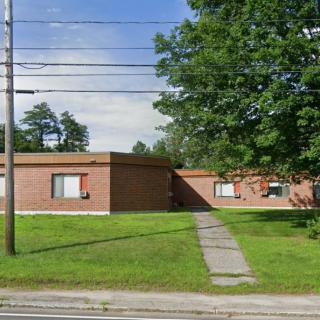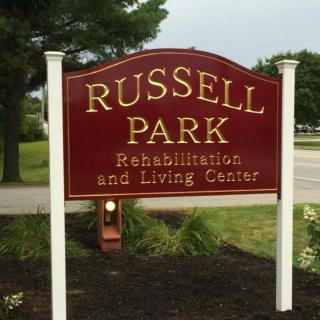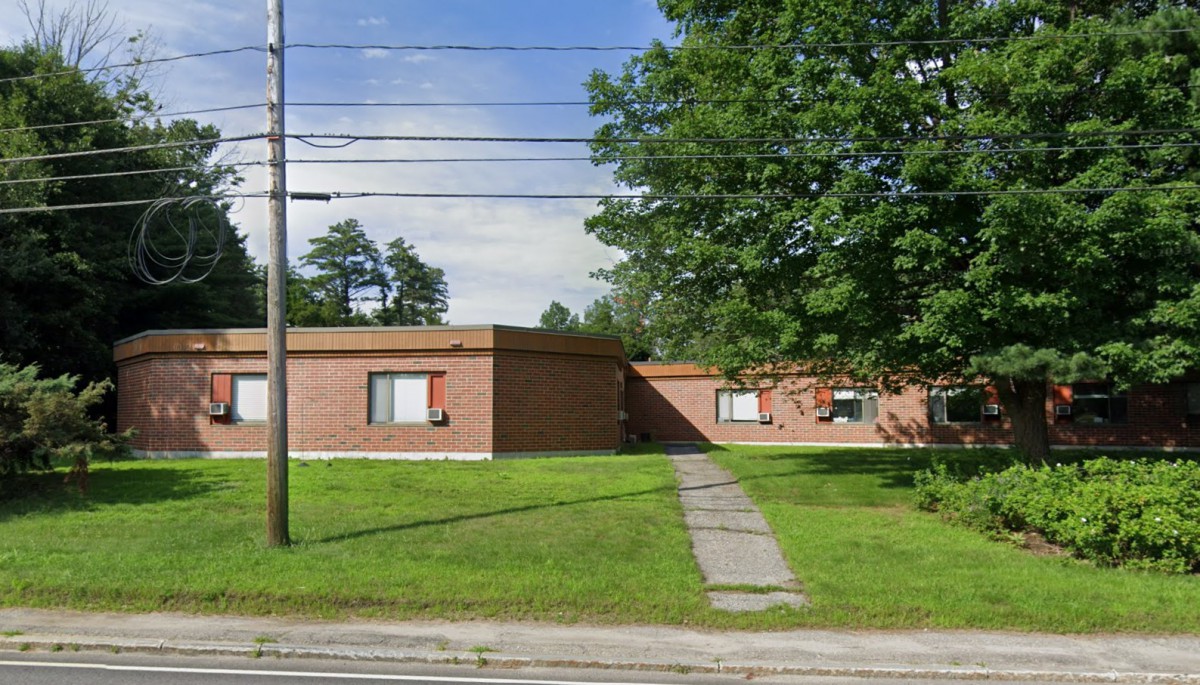
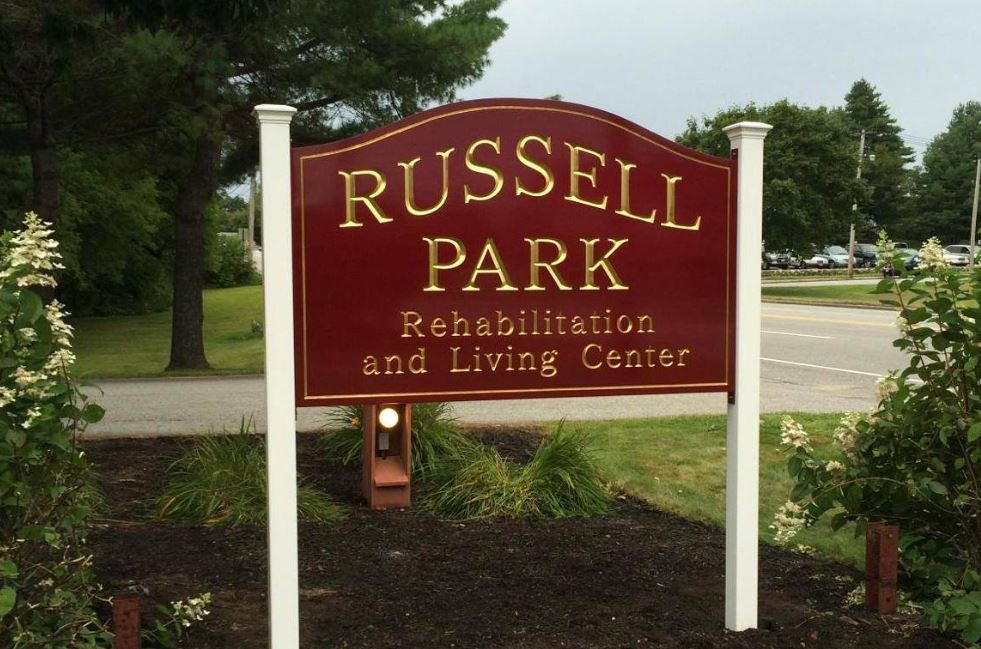


158 Russell Street, Lewiston, ME 04240
For more information about senior living options: (866) 208-4318
Overall Review of Russell Park Residential Care
Pros
 The staff is precious.
- The reviewers are glad not to have a family member in care there.
Cons
 It is considered the worst facility they have worked for.
- Much of the management is related and spends too much time talking badly about other employees and staff.
- Management talks badly about residents and is unprofessional and disrespectful to staff and residents, in front of them.
- Residents can verbally and physically assault staff, and management does nothing.
- Management cares only about themselves; as long as they have their days off, they could care less about the building or the employees.
- There is no growth within the company, and employees are expected to drop their lifestyle to work there.
- No management interacts with residents; they are more concerned about sitting in the oval office (Lori P’s office).
- Corporate does not care either; the environment is hostile.
- Russell Park has bed bugs and cockroaches, and they won’t treat it properly.
- They abuse their residents and silence those who witness the abuse while claiming excellent service.
- The facility is described as a place to send loved ones to die; if someone loves them, they shouldn’t do it.
- The facility is not clean or nurturing; staff are short and curt; residents are spoken to as children; care changes are threatening, and staff whisper about residents.
Review
This community is best suited for families with no practical alternatives, who are prepared to assume an active, hands-on advocacy role and accept substantial risk. The public-facing record here is dominated by warnings about safety, cleanliness, and leadership behavior. When the care team is chronically understaffed, the environment deteriorates, and management appears disengaged or confrontational, rendering reliable, respectful resident treatment unlikely. In Lewiston, there are other options that offer clearer accountability and steadier supervision; this facility becomes a high-risk choice unless every family member can commit to frequent oversight, persistent problem-solving, and a readiness to relocate if conditions worsen.
Those weighing options should prioritize places where safety, dignified communication, and hygienic standards are non-negotiable. The most persistent red flags include reports of pests such as bed bugs and cockroaches, dirty environments, and call systems that fail to reliably alert staff. Allegations of verbal and emotional abuse toward residents, paired with management that deflects concerns rather than addressing them, point to a culture that treats residents as problems rather than people. Short-staffing and slow or absent responses to basic needs, baths, meals, assistance with mobility, are repeatedly described. For families prioritizing dignity and well-being, these patterns strongly suggest exploring alternatives first.
On balance, the core drawbacks overwhelm any potential upside. The most serious issues center on management dysfunction and a hostile work culture, with staff sometimes described as belittling residents and failing to intervene when mistreatment occurs. Pest infestations recur despite claims of remediation, and cleanliness and maintenance are inconsistent at best, with reports of overdue housekeeping tasks and neglected safety concerns. Overnight nursing care is described as compromised by personal disagreements or staffing constraints. Taken together, these factors create an environment where routine care can be erratic, and a resident’s sense of safety is at risk due to neglectful practices.
That said, a handful of caregivers do emerge as genuine positives, signaling that with adequate staffing and disciplined leadership, compassionate care is possible. Yet a caring staff cannot compensate for systemic under-resourcing and a culture that tolerates or hides concerns. The limited advantages, if any, do not offset the pervasive questions about resident safety, respect, and environmental quality. In practical terms, the decision hinges less on isolated acts of kindness than on the facility’s ability to deliver reliable, dignified care every single day, under transparent accountability.
For families weighing options, this facility warrants a rigorous due-diligence plan. Tours should focus on real-world interactions: observe how staff treat residents, test the call-bell system across shifts, and assess cleanliness with a critical eye. A frank session with the administrator about staffing ratios, incident logs, pest-control records, and remediation plans is essential. Check state inspection reports and contact the long-term care ombudsman for independent insights. If hesitation remains, prioritize communities with demonstrably stronger track records on safety, cleanliness, and resident respect. Plan multiple direct experiences before deciding, or defer placement until a clearly improved environment is evident.
In short, Russell Park Residential Care presents a high-stakes choice. It is not well aligned with the expectations of families who insist on dependable safety, consistent respect, and daily cleanliness. The prudent course is to pursue alternatives with stronger governance and clearer care outcomes; if this option is pursued, it requires rigorous oversight, explicit escalation channels, and a contingency plan to relocate at the first sign of deterioration. A careful comparison against other Lewiston-area communities will likely reveal options that deliver steadier staffing, calmer environments, and more consistent, person-centered care for seniors.
 53 resident community capacity
 Assisted Living
 Skilled Nursing Facility
 Air-conditioning
 Beauty salon
 Cable or satellite TV
 Computer center
 Dining room
 Fitness room
 Fully furnished
 Gaming room
 Garden
 Housekeeping services
 Kitchenette
 Move-in coordination
 Outdoor space
 Private bathrooms
 Restaurant-style dining
 Small library
 Telephone
 Wellness center
 Wi-Fi/high-speed internet available
 Community operated transportation
 12-16 hour nursing
 24-hour call system
 Activities of daily living assistance
 Assistance with bathing
 Assistance with dressing
 Assistance with transfers
 Diabetes diet
 Medication management
 Mental wellness program
 Special dietary restrictions
 Concierge services
 Planned day trips


 Assisted Living Support for Veterans: A Complete and Detailed Overview
 Exploring the Contrasts Between Assisted Living and Skilled Nursing
 8 Key Indicators That Suggest It May Be Time to Transition from Assisted Living to Skilled Nursing Care